
Spotting a genuine black diamond brake disc requires a systematic inspection of its packaging, physical machining, and official security features. For riders in the Philippines, ensuring the authenticity of your braking components is not just a matter of performance; it is a critical safety requirement. Our tropical climate, characterized by intense summer heat, sudden torrential downpours, and flooded streets, subjects motorcycle and scooter braking systems to extreme environmental stress. Installing a counterfeit disc under these demanding conditions can lead to sudden, catastrophic failure on the road.
The local market has seen a rise in counterfeit automotive and motorcycle parts, often distributed through unverified online marketplaces. Because high-performance brake discs command a premium, counterfeiters target these components, replicating their visual appearance while using cheap, sub-standard materials. To protect yourself and your vehicle, you must know how to distinguish genuine engineering from dangerous imitations before any installation takes place.
The Safety Risks of Counterfeit Brake Discs
Brake discs are critical safety components where metallurgy and precision machining directly dictate stopping power, heat dissipation, and structural integrity. Genuine manufacturers invest heavily in high-grade steel or cast iron alloys, precise tempering, and rigorous quality control to ensure their discs can withstand thousands of thermal cycles without structural degradation.
Products mentioned in this guide
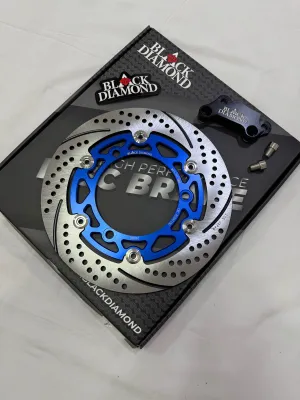
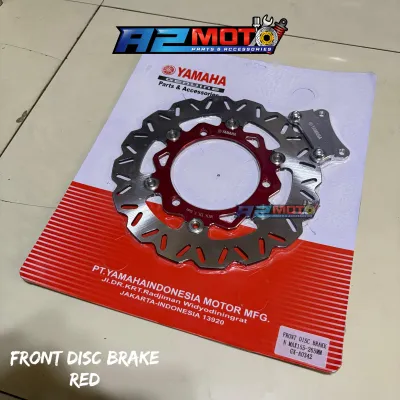
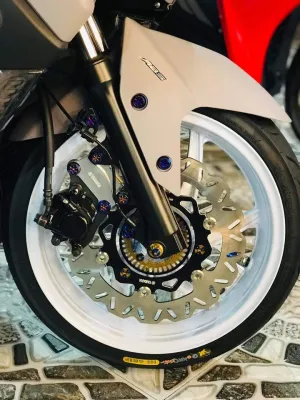
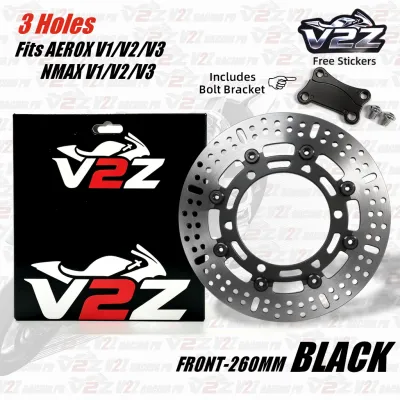
Prices are valid at publication and may change. Please refer to the product page for the latest price.
Counterfeit brake discs bypass these vital engineering standards. They are typically cast from cheap, unrefined scrap metals or low-grade alloys that lack the tensile strength and thermal conductivity of genuine components. In the Philippines, where stop-and-go traffic in congested urban centers like Metro Manila is common, braking systems operate at elevated temperatures for extended periods. Under these conditions, a counterfeit disc is highly susceptible to severe brake fade, rapid warping, and structural cracking.
The ultimate danger of a counterfeit disc is catastrophic failure under heavy braking. If you are descending a steep mountain highway, such as the Marilaque Scenic Highway or Kennon Road, your brakes are subjected to continuous, high-stress application. A fake disc made of inferior metal can literally shatter or snap under the extreme heat and pressure, leading to an immediate and complete loss of braking power.
Because the risks to personal safety are absolute, you must establish a strict safety boundary: never install, mount, or road-test a brake disc if you have any suspicion that it is counterfeit. Standard safety protocols dictate that you must verify the component’s authenticity entirely before it is fitted to your vehicle. Always consult your motorcycle or scooter’s original-vehicle manufacturer documentation for correct specifications, and ensure that any brake replacement is performed by a qualified, professional mechanic.
How to Identify Genuine Black Diamond Brake Discs
Authenticating a genuine black diamond brake disc begins with a close examination of its presentation and physical characteristics. Genuine manufacturers prioritize quality at every stage, starting with the packaging. Authentic discs are housed in robust, heavy-duty cardboard boxes designed to protect the heavy metal components during transit. The printing on these boxes is sharp, high-resolution, and perfectly aligned, featuring accurate brand logos, clear product descriptions, and intact security seals.

Once you remove the disc from its packaging, perform a thorough physical inspection of the metal. Genuine discs showcase flawless, high-precision machining across all surfaces. The braking face will have consistent, ultra-fine machining lines that are uniform in depth and spacing. If the disc is drilled, slotted, or vented, inspect these areas closely. The ventilation holes and cooling slots on an authentic product are perfectly uniform, clean, and completely free of casting debris, rough edges, or metal burrs.
Another key indicator of authenticity is the precision of the product markings. Genuine discs feature clean, legible, and perfectly aligned laser-etched or stamped part numbers, batch codes, and branding marks. These identifiers are typically located on the outer edge or the central hat of the disc. They are never crooked, blurry, or unevenly stamped, as they are applied using advanced computer-controlled factory equipment.
The distinct “black diamond” finish itself is a highly specialized, heat-treated anti-corrosion coating, not mere paint. On a genuine disc, this coating is exceptionally even, smooth, and chemically bonded to the metal surface. It is designed to withstand high operating temperatures without flaking, peeling, or emitting strong chemical odors. The coating should cover the non-contact areas perfectly, providing long-term protection against the high humidity and salty air common in coastal regions of the Philippines.
Finally, evaluate the overall weight and balance of the component. Authentic high-performance brake discs are cast from dense, high-grade alloys, giving them a heavy, substantial feel. They are balanced to incredibly tight tolerances using specialized factory machinery to ensure they rotate perfectly without causing any vibration through the brake lever or pedal.
Red Flags: Spotting the Flaws in Fake Brake Discs
Counterfeiters operate on thin profit margins and lack access to high-precision industrial machinery, which inevitably results in noticeable manufacturing flaws. Packaging is often the first place these shortcuts become visible. Counterfeit discs frequently arrive in flimsy, low-grade cardboard boxes that crush easily. The printing on these boxes may appear blurry, have faded colors, feature misspelled brand names or part numbers, or lack official security holograms and serial numbers entirely.
When inspecting the physical disc, look for rough, inconsistent machining marks on the braking surface. Counterfeits often exhibit uneven thickness across the disc face, which you can feel by carefully running your fingers over the metal. The cooling vanes, slots, or drilled holes are frequently poorly finished, showing rough, jagged edges, off-center drilling, or accumulated casting slag inside the vents.
The black coating on a counterfeit disc is one of the most reliable red flags. Instead of a professional, heat-treated anti-corrosion finish, counterfeiters often apply cheap black spray paint or low-grade aerosol coatings. If the black finish rubs off on your fingers during basic handling, feels sticky, scratches off with a fingernail, or smells strongly of fresh paint, the product is a fake. This cheap paint will quickly burn off, smoke, and foul your brake pads during your first ride.
Weight and material density are also major indicators of a counterfeit. Because fake discs are cast from cheap, porous iron or steel alloys, they are often noticeably lighter than their genuine counterparts. This lack of mass means the disc cannot absorb or dissipate heat effectively, leading to rapid thermal warping even under moderate braking pressure.
Lastly, treat pricing anomalies as an immediate warning sign. Genuine high-performance brake discs require expensive raw materials and advanced manufacturing processes, meaning they have a consistent market value. If you find a seller on an online marketplace offering a “Black Diamond” disc at a price that is 30% to 50% lower than the standard retail price at authorized dealers, it is almost certainly a counterfeit. If a deal seems too good to be true, it always is.
Actionable Steps to Verify Brake Disc Authenticity
To guarantee your safety on the road, you should follow a structured, non-destructive verification process before attempting to install any new brake disc. Begin by inspecting the packaging for security labels. Reputable manufacturers often place scratch-off panels, unique serial numbers, or high-security QR codes on the box. Scratch off the protective layer to reveal the unique code and enter it directly into the manufacturer’s official online verification portal. A genuine code will immediately confirm the product’s authenticity, while a duplicate or invalid code indicates a counterfeit.
Next, cross-reference the physical markings on the disc with the manufacturer’s official product catalog. Locate the laser-etched or stamped part number on the disc and verify that it matches the exact specifications, dimensions, bolt pattern, and offset required for your specific motorcycle or scooter model. Even a minor discrepancy in dimensions can prevent proper mounting or cause severe mechanical interference with your brake calipers.
It is vital to remember that no single visual check is sufficient to guarantee authenticity. Sophisticated counterfeiters may occasionally source genuine packaging or replicate a single security feature. Therefore, you must combine packaging inspection, physical metal checks, weight verification, and official digital authentication to form a complete assessment.
Do not rely on unverified “rules of thumb” or informal advice found on online riding forums or social media groups. Many of these community-suggested tests—such as checking the color of the metal under certain lighting or listening to the ring of the disc when struck—are highly subjective and scientifically inaccurate. Relying on these informal methods can lead to a false sense of security, putting your safety at risk. Always prioritize official manufacturer verification channels and professional mechanical inspections.
Safe Purchasing Channels in the Philippines
The most effective way to protect yourself from counterfeit automotive parts is to control where you shop. In the Philippines, you should purchase high-performance braking components exclusively from authorized distributors, official brand physical stores, or highly reputable local motorcycle shops with a proven history of selling authentic goods. Authorized dealers receive their inventory directly from the manufacturer, ensuring a secure supply chain and full warranty coverage.
Use extreme caution when purchasing parts from third-party sellers on general e-commerce platforms and online marketplaces. While these platforms offer convenience, they are also highly accessible to unauthorized sellers distributing counterfeit goods. If you must purchase online, focus on official flagship stores or sellers with verified mall badges, which offer a higher level of buyer protection.
When evaluating an online seller, perform thorough due diligence before checking out. Examine the seller’s history, overall rating, and customer feedback. Pay close attention to negative reviews, specifically searching for mentions of “fake products,” “poor quality,” or “incorrect fitment.” Ask the seller directly to provide proof of authorization, an official invoice, or clear photographs of the actual product packaging and security labels. If a seller is evasive, refuses to provide documentation, or has a restrictive return policy, avoid purchasing from them.
What to Do If You Receive a Suspected Fake
If you receive a brake disc and suspect it is counterfeit, you must act quickly and prioritize safety. Under no circumstances should you mount the suspected disc to your motorcycle or scooter, and you must never attempt to ride the vehicle with the part installed. Using a counterfeit braking component exposes you to an unacceptable risk of sudden brake failure on the road.
Begin by documenting the product thoroughly to support your claim. Take clear, high-resolution photos and videos of the shipping label, the packaging, any blurry printing, missing security features, and the physical flaws on the disc itself, such as rough machining or flaking paint. This evidence is essential when filing a dispute with the seller or the e-commerce platform.
Contact the seller immediately to report the issue and request a full refund. Simultaneously, file a formal dispute through the e-commerce platform’s customer support system, submitting your photographic evidence to flag the seller for distributing counterfeit goods. This action helps protect the wider riding community from purchasing dangerous parts. Finally, consult a professional mechanic or visit an authorized dealer to source a verified, genuine replacement disc, ensuring your vehicle remains safe and roadworthy.
Frequently Asked Questions (FAQ)
Can I test a brake disc's authenticity by scratching the black coating?
While genuine high-performance anti-corrosion coatings are highly durable, performing destructive tests like scratching, scraping, or sanding the surface is not recommended. Doing so will damage the protective finish, expose the underlying metal to moisture and rust, and likely void your ability to return the product to the seller. Furthermore, scratching the surface does not provide definitive proof of the disc’s internal metallurgy or safety. You should always rely on non-destructive visual inspections, weight checks, and official manufacturer verification channels instead.
Do fake brake discs always fail immediately?
No, counterfeit brake discs do not always fail immediately upon installation. During low-speed, gentle city riding, a counterfeit disc may appear to function adequately, which can give riders a false sense of security. However, these sub-standard parts are highly unpredictable and are prone to sudden, catastrophic failure when subjected to high-stress conditions. Under heavy braking, high speeds, or prolonged use—such as navigating steep mountain descents or riding in intense tropical heat—the inferior metal alloys will rapidly overheat, warp, crack, or shatter, resulting in a dangerous loss of braking control.
Community discussion
Share your experience or ask a question. Comments are reviewed before publication.