
To verify a bosch spark plug original ignition component, you must perform a multi-layered check: inspect the packaging for high-quality printing and valid security codes, examine the physical plug for precise metal threading, smooth ceramic glazing, and laser-etched markings, and run the security code through official Bosch digital verification tools.
In the tropical climate of the Philippines, where high humidity and intense heat put extra stress on internal combustion engines, installing a counterfeit spark plug can quickly lead to catastrophic mechanical failure. Identifying a genuine part before installation is the only way to safeguard your vehicle’s engine.
The Hidden Risks of Counterfeit Spark Plugs
Counterfeit automotive components are highly prevalent across online marketplaces and physical retail shops. Because spark plugs operate under extreme pressure and temperature inside the combustion chamber, any compromise in material quality can have severe consequences for your vehicle.
Products mentioned in this guide
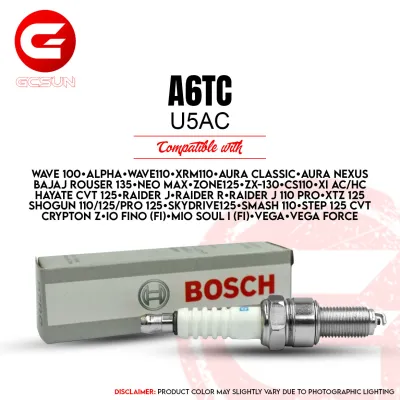
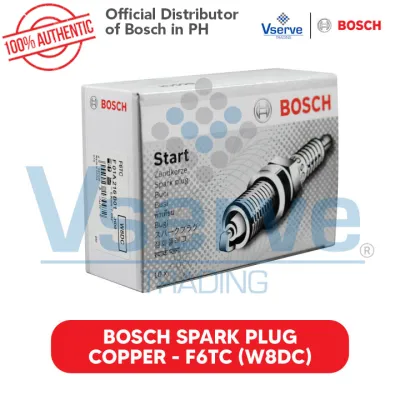
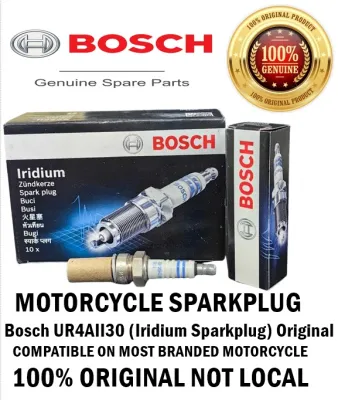
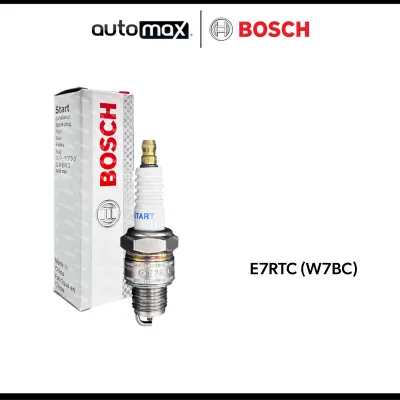
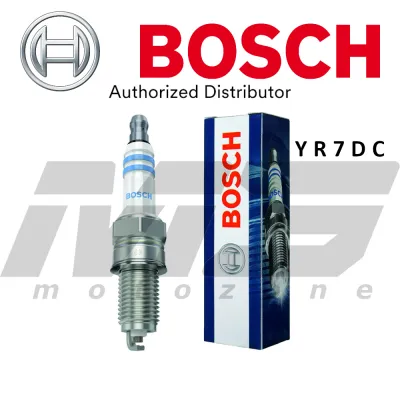
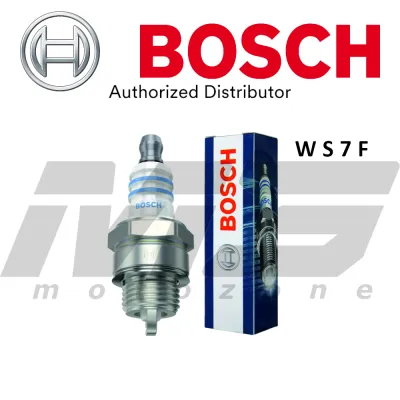
Prices are valid at publication and may change. Please refer to the product page for the latest price.
The mechanical risks of installing non-genuine spark plugs are both immediate and cumulative. Substandard ceramic insulators can crack or shatter under high thermal stress, dropping ceramic debris directly into the engine cylinder, which can score cylinder walls or damage pistons beyond repair.
In addition, fake plugs often feature incorrect heat ranges due to poor internal construction, such as using cheap steel instead of a copper-core electrode. This leads to pre-ignition or persistent engine misfires, which degrade overall performance and cause rough idling.
Poor fuel economy and sluggish acceleration serve as common early warning signs that your ignition system is running on substandard parts. Over time, the unburned fuel resulting from weak or inconsistent sparks can contaminate and destroy your catalytic converter, turning a cheap counterfeit purchase into a highly expensive exhaust system repair.
Visual and Physical Checks: Genuine vs. Fake Bosch Spark Plugs
Before installing any new ignition component, a thorough manual inspection of its external features is your first line of defense. Counterfeiters have become highly skilled at replicating the outward appearance of premium brands, but they almost always cut corners on precision manufacturing and material quality.

Inspecting the Packaging and Labels
Start by examining the box, as genuine Bosch packaging is held to strict quality control standards. Look for crisp, high-resolution printing, sharp text, and perfectly aligned Bosch logos. Blurry graphics, smudged ink, or spelling errors on the cardboard are immediate indicators of a counterfeit product.
Pay close attention to the security features, batch codes, and manufacturing dates printed on the label. Genuine boxes typically feature a dedicated label with a unique serial number, batch code, and often a security hologram or verification seal.
Examine the barcode and country of origin label carefully. Genuine Bosch spark plugs are manufactured in several countries, and the box should clearly state the manufacturing location. The barcode should be printed sharply without bleeding edges. Counterfeits often have misaligned labels, blurry barcodes that fail to scan, or conflicting information where the box claims one country of origin while the metal shell of the plug is stamped with another.
However, keep in mind that packaging alone is not a 100% guarantee of authenticity. Sophisticated counterfeiters frequently copy box designs or even reuse discarded genuine packaging to house fake spark plugs inside.
Always inspect the box for tampered seals, torn flaps, or signs that the packaging has been previously opened and resealed. If the cardboard feels unusually flimsy or the adhesive looks messy and hand-applied, treat the product with extreme suspicion.
Examining the Spark Plug Build Quality
The physical build of the spark plug itself reveals the true difference between precision engineering and cheap imitation. Begin by inspecting the ceramic insulator body. A genuine Bosch spark plug features a perfectly smooth, high-quality glazed finish with uniform white or off-white coloring, whereas counterfeits often exhibit rough surfaces, visible mold seams, or uneven glazing that feels gritty to the touch.
Next, examine the metal shell and the threads. Genuine plugs are manufactured using precise CNC machining, resulting in clean, sharp, and perfectly uniform threads that allow for smooth hand-threading into the cylinder head. Counterfeits often display rough threading, jagged metal edges, or uneven plating that can easily cross-thread and damage your engine’s aluminum cylinder head.
Another critical physical indicator is the captive washer or gasket located at the base of the metal threads. On a genuine Bosch spark plug, this washer is securely attached to the shell and cannot be easily screwed off or removed by hand. It is designed to crush slightly upon installation to create a gas-tight seal. On counterfeit plugs, the washer is often loose, poorly fitted, or can be easily spun off the threads. Installing a plug with a loose or low-quality gasket can lead to combustion gas leaks, loss of cylinder compression, and severe engine overheating.
Carefully inspect the center and ground electrodes. Genuine Bosch plugs feature precise electrode alignment, consistent factory-set gaps, and high-quality precious metals like iridium or platinum welded cleanly to the tip. Fake plugs often have misaligned, crooked, or loosely attached electrodes made of cheap nickel alloys that can melt or break off under normal operating temperatures.
Finally, check the laser-etched part numbers and branding on the metal hex nut. Genuine Bosch markings are laser-etched with crisp, deep, and highly durable lines that do not wear off. Counterfeiters often use cheap paint, shallow stamping, or low-quality printing that can be easily scratched off with a fingernail or a metal tool.
Before purchasing or attempting to install any spark plug, always verify your specific vehicle model, year, engine code, thread dimensions, and mounting position using your vehicle’s original owner’s manual. Never infer compatibility from a generic category term. Because spark plug installation involves critical electrical and mechanical interfaces, always refer to your vehicle manufacturer’s original instructions for the correct torque specifications and safety boundaries. If you are not experienced with engine disassembly and ignition system work, seek qualified professional installation to avoid damaging the cylinder head threads or causing engine misfires.
Official Bosch Verification Tools and Methods
To combat the spread of counterfeit parts, Bosch provides official digital verification tools that allow consumers to check the authenticity of their purchase directly. Most genuine Bosch spark plug packaging features a secure QR code or a unique multi-digit security code printed on the box’s authenticity label.
You can verify these codes by scanning the QR code using a smartphone camera or by manually entering the security code into the official Bosch verification website or the dedicated Bosch app. The system will instantly check the code against the manufacturer’s global database to confirm if the product is a registered, genuine item.
When you locate the security label on the box, look for a 15-digit security code or a specialized QR code. When scanned, this should direct you to the official Bosch product protection website. Ensure the URL in your browser’s address bar is indeed an official Bosch domain, as clever counterfeiters sometimes print QR codes that link to fake, look-alike verification websites designed to mimic the official interface. If the URL looks suspicious or does not end with an official Bosch domain extension, do not trust the confirmation message.
A successful verification will return a clear confirmation message indicating that the code is valid and matches the specific spark plug model you purchased. If the system returns an error, fails to recognize the code, or displays a warning, the product is highly likely to be a counterfeit.
Be particularly cautious if the verification system indicates that the security code has already been scanned multiple times in the past. Counterfeiters often print a single, genuine security code onto thousands of fake boxes, meaning a high scan count is a definitive sign of a cloned code.
Remember that while digital verification is a powerful tool, it should always be combined with physical and visual inspections. Highly sophisticated counterfeit operations may occasionally find ways to bypass basic digital checks, meaning a flawless physical build remains your ultimate safety guarantee.
Where to Buy a Bosch Spark Plug Original to Ensure Authenticity
The most effective way to avoid counterfeit automotive parts is to control where you buy them. Always prioritize purchasing your ignition components from authorized Bosch distributors, official brand flagship stores on major e-commerce platforms, or highly reputable local auto parts shops with verified credentials.
Be wary of unusually low prices that seem too good to be true. While a genuine Bosch spark plug is an affordable consumable, prices that deviate significantly below the standard market rate (often ranging from ₱150 to ₱600 per plug depending on the metal type, such as nickel, platinum, or iridium) are a major red flag. Counterfeiters use rock-bottom prices to lure unsuspecting car owners looking for a quick bargain.
In the Philippines, car owners often face a flood of parallel imports and unverified listings on popular e-commerce platforms. To safeguard your engine, look for sellers labeled as official brand stores or preferred distributors. If you are purchasing from a physical auto supply shop in major automotive hubs like Banawe, Evangelista, or local provincial dealers, ask the shop owner directly if they source their stock from authorized Bosch distributors. Legitimate shops will gladly provide clarity on their supply chain, whereas sellers offering vague answers should be avoided.
When shopping online, take the time to evaluate the seller’s profile thoroughly. Check their overall rating, look for official verification badges, and read recent customer reviews. Pay close attention to reviews that specifically mention authenticity checks, packaging quality, or successful digital verification.
Additionally, review the platform’s return and refund policies before finalizing your purchase. Legitimate sellers and authorized platforms will always offer a clear, hassle-free return window if you receive a product that fails your initial authenticity inspection.
Steps to Take If You Receive a Suspected Counterfeit
If your physical inspection or digital verification reveals that you have likely received a counterfeit spark plug, do not attempt to install or test it in your vehicle. Running an engine with a fake spark plug can lead to immediate mechanical damage, including piston crown damage or cylinder wall scoring, which will require an expensive engine rebuild.
Document the issue immediately by taking clear, high-resolution photos and videos of the packaging, the security codes, the physical defects on the spark plug, and any failed digital verification screens. This evidence will be crucial when filing a dispute.
Contact the seller directly to request a full refund, clearly stating that the product failed your authenticity checks. If the seller is uncooperative or refuses to issue a refund, escalate the issue immediately by reporting the listing and the seller to the e-commerce platform’s customer support.
You can also file a formal complaint with local consumer protection authorities, such as the Department of Trade and Industry (DTI) in the Philippines, to help prevent other vehicle owners from falling victim to the same fraudulent listings.
Frequently Asked Questions (FAQ)
Understanding the nuances of automotive parts authentication can help you make informed decisions when maintaining your vehicle’s ignition system.
Can I rely solely on the price to identify a fake Bosch spark plug?
No, you cannot rely solely on the price to determine if a spark plug is genuine. While an extremely low price is a strong indicator of a counterfeit, some sophisticated counterfeiters price their fake items close to standard retail rates to blend in with legitimate listings and avoid raising suspicion. Always combine price evaluation with a thorough physical inspection and official digital verification.
Do all genuine Bosch spark plugs come with a hologram sticker?
No, not all genuine Bosch spark plugs feature a hologram sticker. Packaging designs, security labels, and hologram features vary depending on the specific product line, manufacturing plant, and region of distribution. Rather than relying on a single visual feature, always assess the overall build quality of the plug and use official digital verification channels to confirm authenticity.
Community discussion
Share your experience or ask a question. Comments are reviewed before publication.