
Ensuring safety on Philippine roads requires absolute confidence in your vehicle’s stopping power. With the high volume of counterfeit automotive parts circulating on online marketplaces, identifying genuine brake components has become a critical skill for car owners. Spotting a fake brake master Brembo set or caliper involves a systematic approach: conducting detailed physical inspections, utilizing official manufacturer verification tools, and carefully evaluating the purchasing channel. Relying on visual checks alone is never enough when your safety is on the line.
Why Counterfeit Brake Components Compromise Vehicle Safety
Braking systems operate under extreme hydraulic pressure and thermal stress. In the tropical climate of the Philippines, where stop-and-go traffic in cities combines with steep mountain descents, brakes are subjected to intense operating temperatures. Counterfeit brake components, often manufactured from substandard alloys and low-grade rubber seals, lack the structural integrity required to withstand these demanding conditions.
Under heavy load or emergency stopping situations, a fake brake master cylinder can experience sudden seal failure. This leads to an immediate loss of hydraulic pressure, causing the brake pedal to go soft and significantly increasing stopping distances. Similarly, counterfeit calipers can crack or flex under pressure, preventing the brake pads from clamping the rotors evenly and potentially leading to catastrophic wheel lockup or complete brake failure.
Products mentioned in this guide
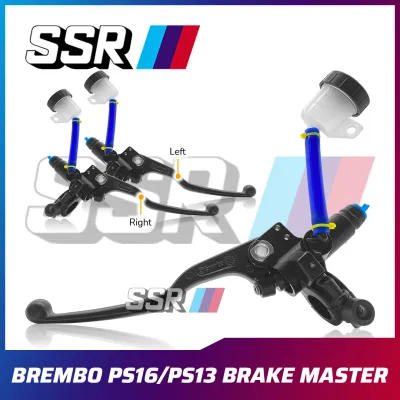
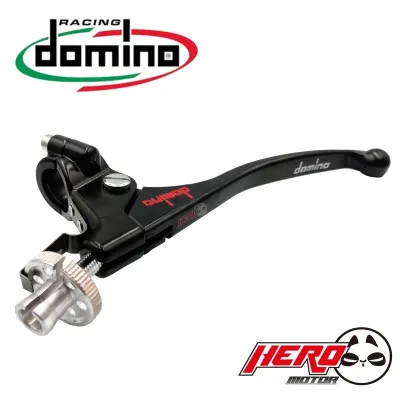
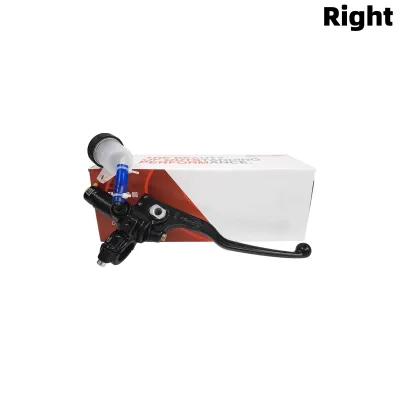
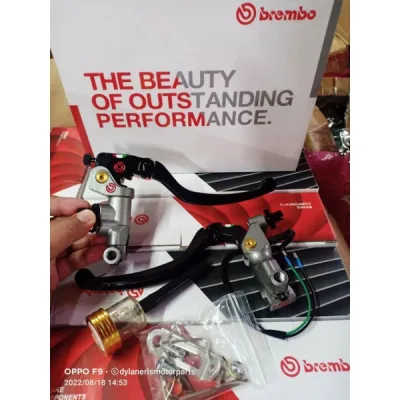
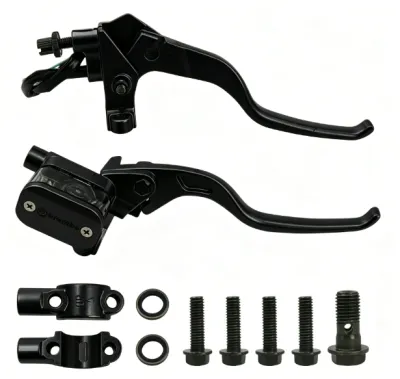
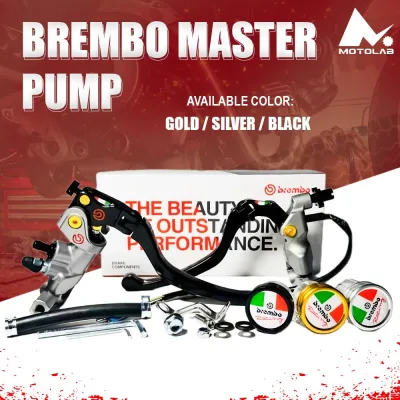
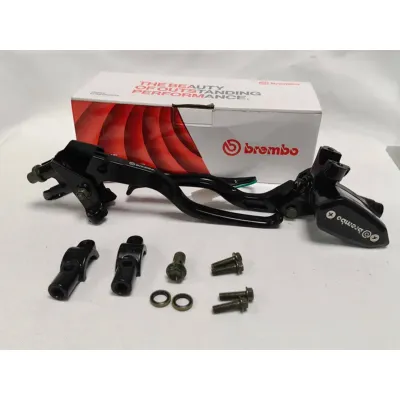
Prices are valid at publication and may change. Please refer to the product page for the latest price.
To ensure road legality and passenger safety, vehicle owners must rely strictly on official manufacturer specifications rather than visual guesses or unverified aftermarket claims. Every vehicle has specific requirements for hydraulic displacement, mounting positions, and compatibility with factory anti-lock braking systems (ABS). If you experience a spongy pedal feel, fluid leaks around the master cylinder, or unusual vibrations after installing new components, you must immediately cease operating the vehicle and consult a qualified automotive professional.
Physical and Visual Inspections for Brembo Brake Sets
A primary step in identifying counterfeit brake components is a meticulous physical inspection of the parts. Genuine high-performance brake components feature precise casting and machining. When examining a brake master cylinder or caliper, look closely at the surface finish. Authentic parts display smooth, consistent metal surfaces without the rough, porous textures often left by cheap sand-casting methods used by counterfeiters.

Pay close attention to the branding and logos engraved or painted on the component. Genuine manufacturers use high-precision CNC machining or specialized painting processes that result in crisp, perfectly aligned letters with uniform depth. Counterfeit parts frequently exhibit blurred edges, uneven paint application, or shallow, crooked engravings. Any deviation in the font style, spacing, or color of the logo is a clear warning sign of a fake product.
Weight and material density are also valuable indicators of authenticity. Counterfeiters often use cheaper, lighter aluminum alloys or cast iron blends to reduce production costs, resulting in a part that feels noticeably lighter or unbalanced compared to an authentic benchmark. However, because manufacturing techniques continue to evolve, comparing weight by hand is a subjective test and cannot serve as a standalone guarantee of legitimacy.
Furthermore, check the machining of the fluid ports, mounting brackets, and bleed screws. Genuine components feature clean, perfectly tapped threads and precise tolerances to prevent fluid leaks and ensure a secure fit. Rough threads, metal shavings inside the ports, or misaligned mounting holes indicate poor quality control typical of counterfeit operations. Because visual inspections have inherent limits, they must always be paired with official digital verification methods before installation.
Packaging Markers and Official Verification Tools
Packaging is often the first line of defense against counterfeit automotive parts. Genuine premium brake components are shipped in high-quality, robust boxes designed to protect the heavy metal parts during transit. Inspect the print quality on the box; blurry graphics, misspelled words, or faded colors suggest a counterfeit package. Authentic boxes also feature secure, anti-tamper seals and specialized holographic stickers that shift colors when tilted under light.
To combat counterfeiting, manufacturers have introduced sophisticated digital verification systems. Many genuine brake sets include a unique scratch-off card or a secure QR code printed directly on the packaging or the product itself. By scanning this QR code with a smartphone or entering the serial number on the official manufacturer website, you can instantly verify if the product is registered in the database.
Be cautious of products where the scratch-off area has already been revealed or the QR code is missing entirely. If the digital tool indicates that the serial number has already been queried multiple times or does not exist, the product is highly likely to be a counterfeit. Always perform this check before attempting to install the component on your vehicle.
Inside the packaging, check for the presence of official documentation, including detailed installation manuals, warranty cards, and technical specifications. Genuine sets include high-quality printed materials with clear diagrams and multi-language instructions. Missing documentation, poorly translated English, or low-resolution photocopies of manuals are strong indicators that the product is not authentic.
How to Evaluate Sellers on Online Marketplaces
The rise of online marketplaces and e-commerce platforms has made it easier for counterfeiters to reach unsuspecting car owners. To minimize the risk of purchasing fake parts, always prioritize buying from authorized dealers, official brand flagship stores, or reputable local automotive supply shops with physical storefronts. Authorized distributors can readily provide verifiable business credentials and proof of direct sourcing from the manufacturer.
When browsing online, treat unusually low prices as an immediate red flag. High-performance braking components require advanced engineering, premium materials, and rigorous safety testing, which are reflected in their retail price. If a seller offers a brake master cylinder set at a fraction of the standard market price in ₱, it is almost certainly a counterfeit. Additionally, avoid listings that rely solely on stock photos rather than actual product images, or those from sellers with poor ratings and unverified customer reviews.
It is crucial to understand that standard buyer protection policies on general e-commerce platforms offer limited safety guarantees. While these policies may cover shipping damage or basic return windows, they do not verify the engineering safety or authenticity of critical automotive components. Installing an unverified brake component based solely on a platform’s return policy exposes you to severe road safety risks that far outweigh any potential cost savings.
Steps to Take If You Suspect a Counterfeit Purchase
If you perform these checks and suspect that your purchased brake set is counterfeit, you must take immediate action to protect yourself and other road users. If the parts are already installed, safely halt the operation of the vehicle. Do not attempt to road-test the vehicle to see if they work, as sudden hydraulic failure can occur without warning, leading to a complete loss of braking control.
Document all evidence of the suspected counterfeit. Take clear, high-resolution photographs of the physical inconsistencies, the packaging, the serial numbers, and any failed digital verification screens. Keep all transaction records, receipts, and communication with the seller. This documentation is essential for filing dispute claims on e-commerce platforms or reporting the seller to consumer protection agencies in the Philippines, such as the Department of Trade and Industry (DTI).
Finally, consult a certified automotive technician to have the suspected parts safely removed and inspected. A professional mechanic can verify the mounting position, check for compatibility issues, and recommend a reliable, road-legal replacement that meets original-vehicle instructions. Never dispose of suspected counterfeit parts in a way that allows them to be salvaged and resold; render them unusable before disposal to keep them off the market.
Frequently Asked Questions (FAQ)
Can I rely solely on the price to determine if a Brembo brake set is fake?
No, you cannot rely solely on price. While an unusually low price in ₱ is a strong indicator of a counterfeit, some dishonest sellers list fake parts at or near retail prices to mimic authenticity. Therefore, you must always combine price evaluation with physical inspections, packaging checks, and official digital verification tools to confirm legitimacy.
Are refurbished or second-hand Brembo parts safe to use?
Using second-hand or refurbished brake components carries significant safety risks. It is extremely difficult to verify the structural integrity, internal wear, or original authenticity of used parts, which may have been subjected to extreme heat, stress, or improper rebuilding. If you choose to use refurbished components, they must undergo professional inspection and rebuilding by certified specialists using genuine replacement seals and hardware to ensure they meet original safety standards.
Community discussion
Share your experience or ask a question. Comments are reviewed before publication.