
To spot a fake buta disc in the Philippine market, you must scrutinize the packaging quality, look for laser-etched serial numbers and precise CNC machining marks on the rotor, and verify the physical weight against official manufacturer specifications. Genuine BUTA discs feature crisp, high-contrast laser engravings, uniform anti-rust coatings, and perfectly chamfered mounting holes. Counterfeits, on the other hand, frequently exhibit blurry packaging text, uneven surface finishes, off-center bolt patterns, and suspiciously low price tags. Because brakes are critical safety components, distinguishing between genuine and counterfeit parts is not just about protecting your wallet—it is a vital step in ensuring your motorcycle remains safe on the road.
The Safety Risks of Counterfeit Brake Components
Motorcycle brake discs are critical safety components responsible for converting kinetic energy into thermal energy to stop your vehicle. When you apply the brakes, the pads squeeze the rotor, generating intense friction and heat. Genuine brake rotors are engineered using highly specific metallurgy, such as high-carbon steel or specialized cast iron alloys, designed to withstand temperatures exceeding several hundred degrees Celsius without warping or cracking. These materials undergo strict quality control to guarantee consistent friction coefficients and rapid heat dissipation.
Installing a counterfeit brake disc introduces severe, unpredictable hazards. Counterfeiters typically use cheap, low-grade scrap metals or unrefined steel alloys that lack the necessary tensile strength and thermal stability. Under heavy braking—such as descending steep mountain passes or navigating sudden stops in congested city traffic—a fake disc can rapidly overheat. This extreme heat accumulation causes the metal to warp, leading to severe brake fade, violent lever pulsations, or a complete loss of stopping power.
Products mentioned in this guide
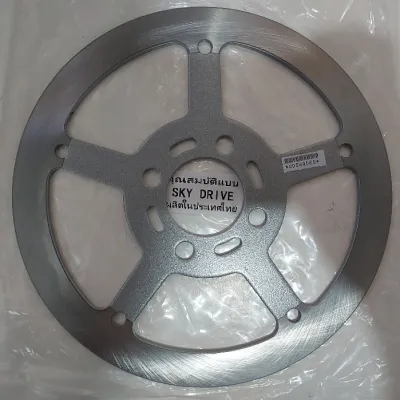
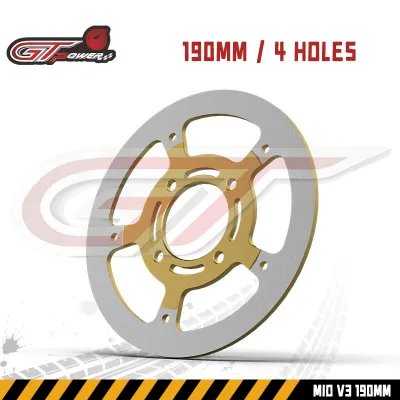
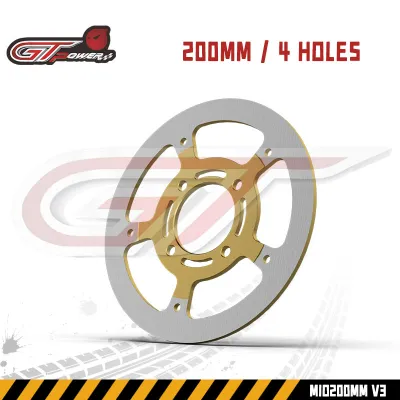
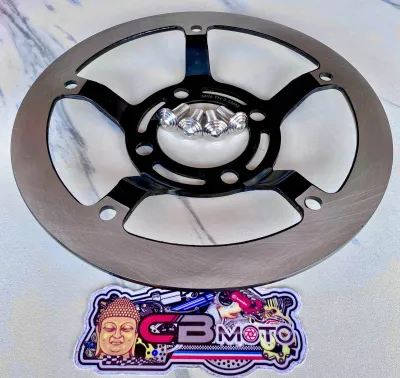
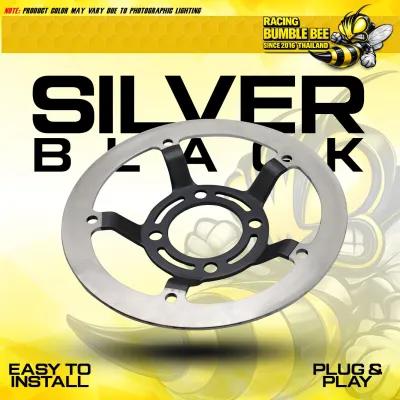
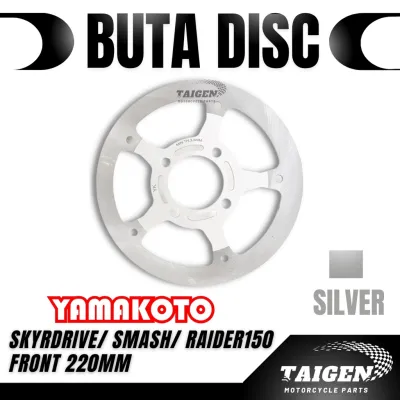
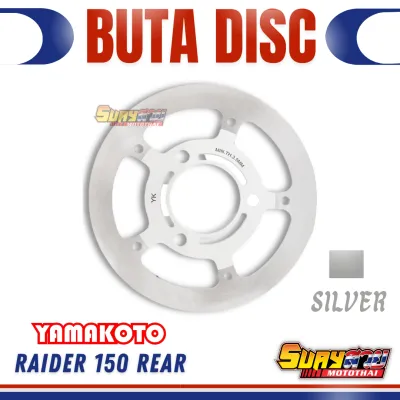
Prices are valid at publication and may change. Please refer to the product page for the latest price.
In the worst-case scenarios, the structural integrity of a counterfeit disc can fail entirely. The intense thermal stress combined with mechanical pressure can cause the rotor to crack, shatter, or shear off from the wheel hub during an emergency stop. Such catastrophic failures lock up the wheel or leave you with zero braking capability, directly leading to serious accidents. Prioritizing low-cost, unverified aftermarket parts over genuine safety-certified components compromises your life and your passenger’s safety. Always consult your motorcycle’s original-vehicle instructions and have a qualified professional install any new braking components to ensure road legality and safety.
Visual and Physical Markers of a Genuine BUTA Disc
Verifying the authenticity of a BUTA disc requires a methodical, multi-step inspection before you attempt to mount the part onto your motorcycle. Genuine manufacturers invest heavily in precise production machinery and high-quality packaging to protect their brand reputation. Counterfeiters, aiming to maximize profit margins, almost always cut corners in areas that require advanced manufacturing technology or premium materials. By familiarizing yourself with the distinct visual and physical characteristics of genuine products, you can confidently identify a fake item before making a purchase.

Packaging and Labeling Details
The inspection process begins with the product packaging. Genuine BUTA disc packaging is constructed from thick, high-density corrugated cardboard designed to protect the heavy metal rotor from damage during transit. The exterior print quality should be exceptionally sharp, with rich, consistent colors, correct brand logos, and clear, legible typography. Any signs of blurry text, faded colors, misaligned graphics, or grammatical errors on the box are immediate indicators of a counterfeit operation.
Pay close attention to the product labels, barcodes, and part numbers affixed to the box. Genuine packaging features a dedicated sticker containing specific product details, including the exact motorcycle model compatibility, outer diameter, thickness, and unique manufacturing batch codes. This label should be perfectly aligned and securely glued to the box, rather than loosely taped or crooked. You should cross-reference the printed part number with the official manufacturer catalog to ensure the specifications match your specific motorcycle model, year, and mounting interface. Flimsy, generic boxes that lack detailed model-specific labeling are highly suspicious.
Engraving, Logos, and Surface Finish
Once you extract the disc from its packaging, closely examine the markings on the rotor surface. Genuine BUTA discs utilize high-precision computer-controlled laser engraving or deep, clean mechanical stamping for their logos, part numbers, and minimum thickness (Min. TH.) indicators. These engravings should exhibit uniform depth, razor-sharp edges, and perfect font alignment. Counterfeit discs often feature shallow, unevenly etched markings, or cheap printed logos that can be easily scratched off with a fingernail or degraded by brake cleaner.
Next, analyze the surface finish of both the braking track and the inner mounting hub. Genuine rotors undergo professional CNC machining, leaving behind incredibly fine, uniform, circular cross-hatch patterns on the braking surface. This precise finish ensures optimal pad bed-in and immediate friction performance. The inner hub should feature a flawless, uniform anti-rust coating or anodized finish, depending on the specific model. If you notice rough, uneven grinding marks, visible pitting in the metal, or patchy, flaking paint on the hub, you are likely holding a substandard counterfeit disc.
Weight and Material Feel
The physical weight and structural feel of a brake disc provide critical clues regarding its metallurgical composition. Genuine brake discs are manufactured to precise dimensional and weight specifications to maintain the correct rotational mass and balance of your motorcycle’s wheel assembly. Before purchasing, check the manufacturer’s official documentation for the exact weight of the specific disc model. Using a digital scale to weigh the product can reveal significant discrepancies, as counterfeiters often use lighter, thinner, or less dense metal alloys to save on material costs.
Inspect the mounting holes, cooling slots, and outer edges of the disc for manufacturing precision. Genuine discs feature perfectly circular, chamfered mounting holes that align seamlessly with your wheel hub’s bolt pattern. The edges of the cooling holes and the outer perimeter of the rotor should be smooth, clean, and free of sharp burrs or casting flash. Counterfeit discs are often stamped out using worn-out dies or cheap casting methods, resulting in rough, unfinished edges that can damage your mounting bolts or cause uneven stress distribution, leading to premature cracking.
Common Red Flags in Fake BUTA Brake Discs
Identifying a counterfeit brake disc becomes much simpler when you know the specific manufacturing shortcuts and flaws common to fake products. These red flags represent the physical and economic compromises counterfeiters must make to keep their production costs low. Recognizing even one of these warning signs should be sufficient reason to halt your purchase and seek an alternative, verified product.
- Typographical Errors and Misspellings: Counterfeiters often operate in regions where the brand's native language is not primary, leading to spelling mistakes on the packaging, instruction sheets, or laser engravings. Look for subtle spelling variations in the brand name or safety warnings.
- Incorrect or Nonsensical Part Numbers: Many fake discs use a single, generic part number across multiple boxes, regardless of the actual disc size. Always verify that the part number on the box matches the physical dimensions of the disc and is listed in the official brand catalog.
- Missing Minimum Thickness (Min. TH.) Specification: Every road-legal brake disc must have its minimum safe operating thickness clearly engraved on the rotor. If this specification is missing, illegible, or matches a different disc size, the product is highly likely to be a fake.
- Rough, Unfinished Inner Hub Edges: Inspect the inner cutout where the disc mounts to the wheel hub. Genuine discs feature smooth, CNC-machined inner profiles. Counterfeits often have sharp, jagged, or unmachined edges that can prevent the disc from seating flat against the wheel hub.
- Uneven Thickness Across the Braking Track: Use a digital micrometer to measure the thickness of the disc at multiple points around the braking track. A variance of more than 0.1mm across different areas of a brand-new disc indicates poor quality control typical of counterfeit manufacturing.
- Poor Rust Prevention and Flaking Coatings: Genuine discs are treated with high-grade anti-corrosion coatings or oil films. If a disc arrives with visible rust spots, flaking paint, or an excessively sticky, low-grade grease coating, it indicates substandard metallurgy.
- Suspiciously Low Retail Price: High-quality metallurgy and precision CNC machining have unavoidable production costs. If a seller is offering a "BUTA" disc at a price that is 50% or more below the prevailing market rate at authorized dealers, it is almost certainly a counterfeit.
Verification Methods and Trusted Purchasing Channels
Protecting yourself from counterfeit motorcycle parts requires a proactive approach to sourcing and verification. Relying solely on visual inspection can sometimes be difficult if counterfeiters produce highly convincing visual replicas. Therefore, utilizing official brand verification systems and choosing secure, authorized purchasing channels is your best line of defense against substandard brake components.
Many premium motorcycle parts manufacturers, including BUTA, implement advanced security features to help consumers verify authenticity. Look for holographic security stickers on the packaging that shift colors or reveal hidden patterns when tilted under light. Many genuine products now feature unique QR codes or scratch-off serial numbers on the box. Scanning these codes with your smartphone should direct you to the manufacturer’s official, secure verification portal, which will confirm if the serial number is genuine and has not been scanned multiple times before. Be cautious of QR codes that direct you to unverified, generic websites or IP addresses instead of the official brand domain.
To eliminate the risk of buying a fake, always prioritize purchasing your brake components from authorized physical dealerships, official brand flagship stores, or verified distributors on major e-commerce platforms. Avoid purchasing critical safety components from unverified social media marketplace sellers, unauthorized online shops, or roadside surplus dealers who cannot prove their supply chain. When buying in the Philippines, always request a formal sales invoice or official receipt. This document not only serves as proof of purchase for warranty claims but also holds the seller legally accountable for the authenticity of the product they have supplied.
Steps to Take If You Suspect a Counterfeit Purchase
If you have already purchased a brake disc and suspect it is a counterfeit after conducting your visual and physical inspections, you must act immediately to protect your safety and your consumer rights. Under no circumstances should you install or ride on a suspected counterfeit brake disc. Even a short test ride to “see how it feels” can result in sudden mechanical failure, putting your life and your motorcycle at immediate risk.
First, immediately halt the installation process. If you have already mounted the disc but have not ridden the motorcycle, carefully remove it and reinstall your original, functional brake disc or seek a verified replacement. Gather all relevant evidence to support your claim. Take high-resolution, well-lit photographs of the packaging, labels, laser engravings, rough machining marks, and any other red flags you identified. Keep your physical receipt, sales invoice, and any digital transaction records or chat histories with the seller.
Next, initiate a dispute or return process. If you purchased the item through an online marketplace, file a formal return request under the “Counterfeit/Fake Product” category and submit your photographic evidence. Most major e-commerce platforms have strict buyer protection policies that penalize sellers of counterfeit goods and facilitate full refunds. If you purchased the disc from a physical retail shop, return to the store with your receipt and evidence, and demand a refund. If the seller refuses to cooperate, you can report the establishment to the Department of Trade and Industry (DTI) in the Philippines for violating consumer protection laws regarding counterfeit and substandard automotive parts.
Frequently Asked Questions (FAQ)
Can I rely solely on a low price to identify a fake BUTA disc?
No, you should never rely solely on a low price to identify a counterfeit. While a price significantly below the standard market rate of ₱1,500 to ₱3,000 is a major warning sign, some sophisticated counterfeiters price their fake discs close to the genuine retail price to deceive unsuspecting buyers. Always combine price checks with physical inspections of the packaging, laser engravings, surface finish, and weight.
Do authentic BUTA brake discs include a warranty or authenticity card?
Genuine BUTA brake discs typically include official documentation, such as a warranty card, user manual, or an authenticity certificate with a unique serial number, depending on the specific model and production year. However, because counterfeiters can easily replicate paper cards and print fake serial numbers, the presence of a card alone does not guarantee authenticity. You must cross-reference the documentation with the physical markers on the disc and verify any serial numbers through the manufacturer’s official verification channels.
Community discussion
Share your experience or ask a question. Comments are reviewed before publication.