
Buying automotive parts online offers convenience, but it also exposes vehicle owners to the risk of purchasing counterfeit components. For critical safety parts like CWORKS brake pads, verifying authenticity before installation is essential to ensure your vehicle remains safe on the road. Identifying genuine brake pads involves a multi-step verification process that includes inspecting the packaging, examining the physical and material characteristics of the pads, evaluating the seller’s credentials, and cross-referencing part numbers with your vehicle’s original documentation.
Because the braking system is your vehicle’s primary safety mechanism, any replacement must strictly match your vehicle’s model, year, and mounting specifications. Before purchasing or attempting to install any brake components, always consult your vehicle’s original manufacturer manual and ensure that any installation or modification is performed by a qualified professional.
Why Counterfeit Brake Pads Pose a Safety Risk
Brake pads operate under extreme conditions, relying on controlled friction to convert kinetic energy into thermal energy, which safely slows and stops your vehicle. Genuine CWORKS brake pads are engineered to deliver predictable friction levels and consistent heat dissipation across a wide range of operating temperatures. In contrast, counterfeit brake pads are manufactured with unknown, unverified material compositions. These substandard materials often fail to manage the high temperatures generated during braking, which can lead to severe brake fade—a dangerous condition where the brakes lose their stopping power during prolonged or heavy use.
Products mentioned in this guide
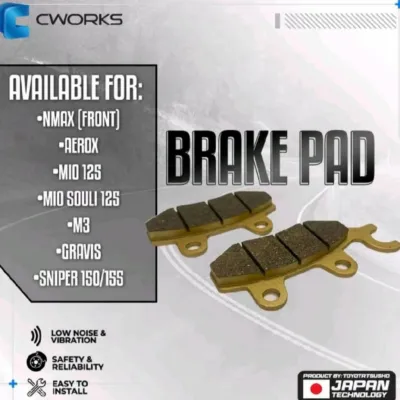
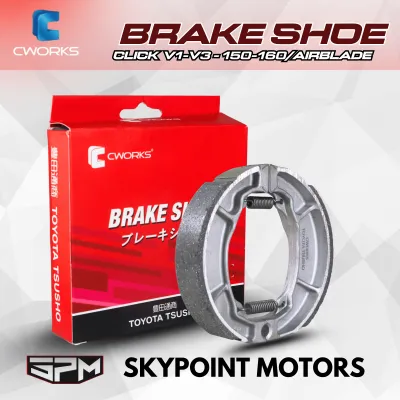
Prices are valid at publication and may change. Please refer to the product page for the latest price.
Beyond immediate brake fade, counterfeit pads can cause rapid and uneven wear on your brake rotors, leading to premature component failure and costly repairs. The structural integrity of a fake brake pad is also highly suspect; under emergency braking conditions, the friction material may shear or detach entirely from the backing plate, resulting in catastrophic brake failure. In a tropical climate like the Philippines, where high humidity, heavy rainfall, and stop-and-go traffic in urban areas place additional stress on braking systems, having reliable, genuine components is non-negotiable. Ensuring your brake system’s integrity requires verified, high-quality parts that adhere strictly to safety standards.
How to Inspect CWORKS Packaging and Security Labels
The first line of defense against counterfeit automotive parts is a thorough visual inspection of the product packaging. Genuine CWORKS brake pads are shipped in sturdy, high-quality boxes designed to protect the heavy components inside during transit. Inspect the box for crisp, clear printing, correct brand logos, and accurate alignment of text. Counterfeiters often use low-resolution scans to replicate packaging, resulting in blurry text, faded colors, or slight misspellings of the brand name and technical terms.

Pay close attention to the product labels and part numbers. A genuine package will feature a clear label indicating the exact part number, which you must verify against your specific vehicle application, model year, and dimensions. Look for manufacturer-applied security features such as holograms, QR codes, or tamper-evident seals. When checking these features, do not rely on a simple visual scan; use the brand’s official verification instructions to confirm that the security markers are legitimate. Counterfeiters frequently print static images of QR codes or holograms that do not change color under light or lead to unverified, cloned websites. Additionally, the absence of standard inclusions—such as installation manuals, warranty cards, or proper protective wrapping inside the box—is a strong indicator that the product is not genuine.
Physical and Material Checks Before Installation
Before mounting any brake pads onto your vehicle, perform a detailed physical and tactile inspection of the pads themselves. Start by examining the friction material, which is the thick block bonded to the metal backing plate. On genuine pads, this material should have a uniform consistency, even texture, and a consistent color throughout. There should be no large cracks, loose chunks, or visible air pockets, which indicate poor manufacturing quality and a high risk of structural failure under pressure.
Next, inspect the metal backing plate. Genuine CWORKS brake pads feature precise stamping, clean edges, and correct part numbers or batch codes engraved directly into the metal. The paint or powder coating on the backing plate should be smooth and evenly applied to protect against rust and corrosion, which is particularly important in humid tropical environments. Check the bonding line where the friction material meets the backing plate; it should be seamless and secure.
Finally, compare the physical dimensions, weight, thickness, and any included hardware—such as shims, wear indicators, or clips—against your vehicle’s original-equipment specifications or a known genuine pad. If the replacement pads differ in thickness, mounting position, or weight, do not attempt to install them, as incorrect fitment can compromise road legality and safety.
Red Flags in Online Listings and Pricing
When shopping on e-commerce platforms or online marketplaces, identifying red flags in product listings can prevent you from purchasing counterfeit parts in the first place. One of the most common indicators of a fake product is a price in ₱ that is significantly lower than the standard market rate or the manufacturer’s suggested retail price. While legitimate sellers may offer occasional discounts, high-quality safety components like brake pads cannot be manufactured or sold at impossibly low prices without sacrificing material quality and safety.
Analyze the product listing details carefully. Be skeptical of listings that feature vague descriptions, lack specific part numbers, or rely entirely on stolen stock photos rather than actual product images. Check the seller’s profile, ratings, and customer feedback. Look closely at recent reviews, paying attention to any complaints regarding poor fitment, rapid wear, or suspicions of counterfeit goods. Additionally, exercise caution when dealing with listings that ship from unverified third-party warehouses or sellers who do not offer clear, transparent return policies for automotive safety parts. A reputable seller will always provide clear channels for returns and customer support.
How to Find the CWORKS Official Store and Authorized Sellers
To eliminate the risk of purchasing counterfeit brake pads, always source your automotive parts from verified and authorized channels. When browsing major e-commerce platforms, look for the official brand store or flagship shop, which is typically designated with platform-specific authenticity badges or verification marks. Purchasing from a certified cworks official store ensures that you are receiving genuine products backed by the manufacturer’s warranty and customer support.
If you prefer to buy from independent online retailers or physical auto parts shops in the Philippines, cross-reference the seller’s credentials. Visit the brand’s official website or contact their regional distributor to obtain a list of authorized physical and online retailers. If you are uncertain about a specific online seller’s authorization status, contact the manufacturer’s local customer support team directly to verify the seller before completing your purchase. Taking these precautionary steps guarantees that the components you install on your vehicle meet all necessary safety and performance standards.
What to Do If You Suspect You Bought Fake Brake Pads
If you receive a shipment and suspect that the brake pads are counterfeit, you must take immediate action to protect your safety and your consumer rights. First and foremost, halt the installation process immediately. Never install suspected counterfeit brake pads on your vehicle, and if they have already been mounted, do not drive the vehicle until they are replaced with verified genuine parts. Operating a vehicle with unverified brake components poses an immediate safety risk to you, your passengers, and other road users.
Document the suspected counterfeit product thoroughly. Take clear, high-resolution photos and videos of the unboxing process, the packaging flaws, the lack of security features, and any physical discrepancies on the brake pads themselves. This evidence is crucial for filing a dispute or return request through the e-commerce platform’s buyer protection program. Report the seller to the platform administration and local consumer protection authorities to prevent them from selling dangerous counterfeit parts to other vehicle owners.
Frequently Asked Questions (FAQ)
Can I rely solely on a QR code or hologram to prove authenticity?
No, you should not rely exclusively on a QR code or hologram. Sophisticated counterfeiters can replicate basic holographic designs and generate QR codes that link to fake, cloned websites designed to mimic the official manufacturer’s verification page. To ensure authenticity, always combine security label checks with a thorough inspection of the packaging quality, physical examination of the brake pads, and verification of the seller’s authorized status.
Are cheaper brake pads always counterfeit?
Not necessarily, but extremely low prices should always be treated with suspicion. While genuine parts may occasionally be discounted during official store promotions, prices that are drastically below the standard market rate usually indicate counterfeit goods or substandard materials. It is important to distinguish between buying a legitimate, budget-friendly alternative brand and buying a fake product disguised as a premium brand like CWORKS. Always prioritize safety over minor cost savings when purchasing critical braking components.

Community discussion
Share your experience or ask a question. Comments are reviewed before publication.