
Using counterfeit spark plugs is a gamble you don’t want to take with your vehicle’s engine. While they may look similar and cost less, fake Denso spark plugs can lead to serious problems like poor fuel economy, rough idling, and even catastrophic engine damage. Because these counterfeit parts are common in the Philippines, both online and in some local auto supply shops, learning how to spot them is essential for any car owner. This guide provides a step-by-step process for verifying the authenticity of Denso spark plugs before you make a purchase.
The Hidden Risks of Counterfeit Spark Plugs
Choosing a genuine spark plug is not just about performance; it’s a critical safety measure for your engine. Counterfeit plugs are often made from substandard materials that cannot withstand the extreme heat and pressure inside an engine’s combustion chamber. This can lead to a host of issues that compromise your vehicle’s health and your safety on the road.
Potential problems from using fake spark plugs include frequent engine misfires, which cause rough performance and increased emissions. You might also notice a significant drop in fuel efficiency, forcing you to spend more on gasoline. In the worst-case scenario, the tip of a fake plug can break off and fall into the cylinder, causing severe and expensive internal engine damage. Given these risks, verifying a spark plug’s authenticity before installation is a non-negotiable step for responsible vehicle maintenance.
Products mentioned in this guide
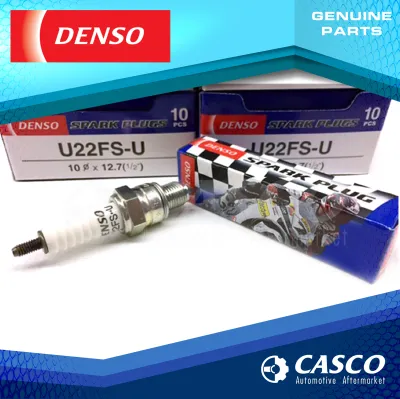
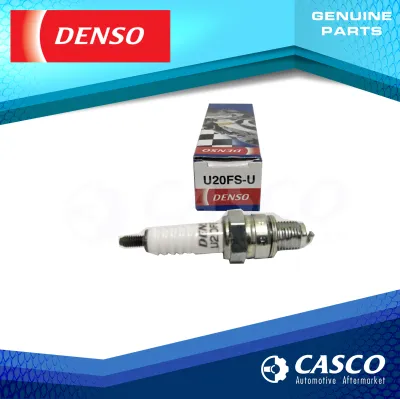
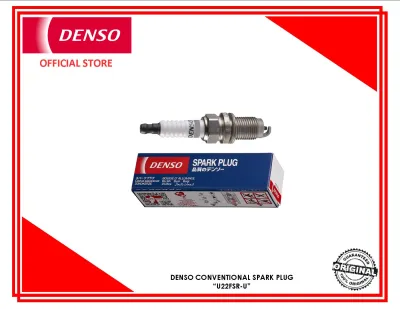
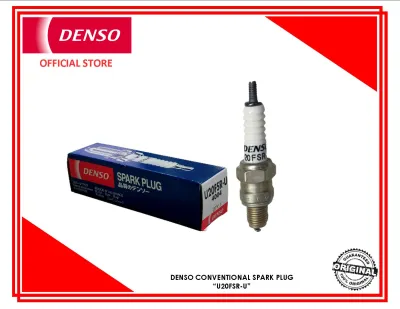
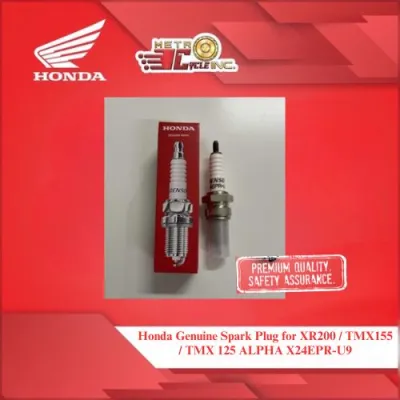
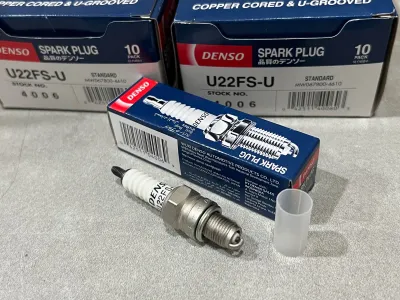
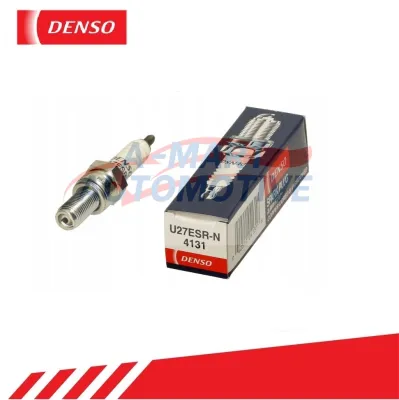
Prices are valid at publication and may change. Please refer to the product page for the latest price.
Visual and Physical Checks: Genuine vs. Fake Denso Plugs
Careful inspection of the product’s packaging and physical characteristics is your first line of defense against counterfeits. Manufacturers of fake parts often cut corners on quality control, and these small imperfections can be giveaways.

Inspecting the Packaging and Printing
Start with the box itself. Genuine Denso packaging is typically made from high-quality cardboard with sharp, clear printing. Look for any signs of poor quality, such as:
- Blurry or Faded Graphics: Logos and text on fake boxes may appear fuzzy, pixelated, or have inconsistent colors.
- Spelling and Grammar Errors: Counterfeit packaging often contains typos or grammatical mistakes in the product description.
- Mismatched Part Numbers: The part number printed on the box must exactly match the number stamped on the metal body of the spark plug. Any discrepancy is a major red flag.
- Flimsy Material: If the box feels thin, weak, or poorly constructed, it's likely not from an official source.
Examining the Ceramic Insulator and Metal Shell
After checking the box, closely examine the spark plug itself. The differences between a genuine part and a fake become more obvious when you know what to look for.
Ceramic Insulator: A genuine Denso spark plug has a smooth, glossy white ceramic insulator. Fakes often have a dull, rough, or uneven surface. You might see visible seams, pits, or discoloration on the ceramic of a counterfeit plug.
Metal Shell and Threads: The metal body of an authentic plug features clean, precisely machined threads. They should feel smooth and be free of burrs or metal shavings. Counterfeits frequently have rough, poorly cut threads that can damage the cylinder head during installation.
Electrodes: Look at the firing end. The center and ground electrodes should be perfectly aligned. On genuine Iridium or Platinum plugs, the precious metal tip will be very fine and precisely welded. Fakes often have bulky, poorly attached tips that look clumsy and are made from inferior metals.
Stamped Markings: Check the hexagonal nut section of the plug. Genuine Denso plugs have the brand name and part number cleanly and clearly stamped or laser-etched into the metal. The font should be consistent and professional. Fakes may have shallow, uneven, or poorly defined markings.
Reliable Verification Methods Before Installation
Beyond a simple visual check, there are more definitive ways to confirm you’re holding an original product. These methods involve cross-referencing information with official sources to ensure both authenticity and correct fitment for your vehicle.
First, always verify that the part number is correct for your specific car model and engine. You can do this by checking your vehicle’s owner’s manual or consulting the official Denso online catalog. Using the wrong spark plug, even if it’s genuine, can cause performance issues.
Many modern Denso products sold through authorized channels in the Philippines may include security features on the packaging, such as a QR code or holographic sticker. Scan the QR code with your smartphone, as it may lead to a verification page. However, be aware that counterfeiters can also fake these features. Always ensure the QR code directs you to an official Denso website.
It’s important to use a combination of these checks. No single detail—whether a perfect-looking box or a convincing stamp—can guarantee authenticity on its own. Be wary of “simple tricks” or anecdotal advice from online forums that are not endorsed by Denso, as these can be unreliable.
Safe Purchasing Channels for Original Denso Parts
To significantly reduce the risk of buying fakes, the most important decision you can make is where you shop. Purchasing from trustworthy sources is the best way to ensure you get genuine Denso parts.
Your safest bet is to buy from authorized Denso dealers, reputable brick-and-mortar auto supply stores, or established car service centers. These businesses have a direct relationship with official distributors and can often provide proof of their supply chain.
If you prefer to shop online, exercise caution. Look for the official Denso brand store on major e-commerce platforms. If buying from a third-party seller, scrutinize their profile. Choose sellers with a long history of positive reviews, a high rating, and preferably a verifiable physical store address. Check if the platform offers an authenticity guarantee or a robust buyer protection policy.
Price can be a telling indicator. If a deal seems too good to be true, it almost certainly is. Counterfeit spark plugs are often sold at a price significantly lower than the standard market rate (often below ₱1,000 for a set of four, depending on the type). This low price is a major warning sign. Before you finalize a purchase, don’t hesitate to ask the seller for a valid receipt from an authorized distributor or other proof of authenticity.
Steps to Take If You Receive a Suspected Fake
If you’ve already purchased spark plugs and suspect they are counterfeit, it’s crucial to act immediately to protect your vehicle and your rights as a consumer.
The most important rule is: do not install them. Using a fake spark plug, even for a short time, can risk immediate and severe engine damage. Set the suspected parts aside and do not attempt to use them.
Next, document your findings. Take clear, well-lit photographs of the packaging, the spark plugs themselves, and any specific flaws you identified, such as blurry printing, rough threads, or mismatched part numbers. This evidence will be essential for your claim.
If you purchased from an online marketplace, initiate a return or dispute process immediately. Use your photos to support your claim that the item is counterfeit. Most platforms have policies to protect buyers from fake goods. If you bought from a physical store, return to the shop with the parts, your receipt, and your photographic evidence to request a refund.
Finally, consider reporting the seller. You can report the listing or seller profile directly on the e-commerce platform. You may also report the incident to the Department of Trade and Industry (DTI) or contact Denso’s official representative in the Philippines. Reporting helps protect other car owners from being scammed by the same seller.
Frequently Asked Questions (FAQ)
Can a multimeter test confirm if a Denso spark plug is original?
While a multimeter test can measure the internal resistance of a spark plug, it is not a reliable method for confirming authenticity. Most spark plugs are designed to have a specific resistance value (often around 5,000 ohms), and a multimeter can tell you if the plug is within this range. However, many counterfeit manufacturers are able to replicate this basic electrical property. A plug could pass a resistance test and still be a fake made with substandard materials. Therefore, visual and physical inspections remain essential.
Are all genuine Denso boxes sealed with a specific security sticker?
No, not necessarily. Packaging standards, including the use of security seals, holograms, or special stickers, can vary depending on the country of manufacture, the specific product line, and the authorized distributor for the region. A box without a sticker is not automatically a fake, and a box with a sticker is not automatically genuine. To be certain about the current packaging standards for products sold in the Philippines, it is best to check with a local authorized Denso dealer or consult the official Denso regional website for the latest information.
Community discussion
Share your experience or ask a question. Comments are reviewed before publication.