
Spotting a genuine Gille carbon fiber helmet requires a systematic approach, focusing on the physical weave of the shell, the presence of official safety certifications, and the verification of seller credentials. Counterfeit helmets have flooded online marketplaces, putting riders at extreme risk. To ensure your safety on the road, you must look for a genuine 3D carbon fiber weave, verify the Import Commodity Clearance (ICC) or Philippine Standard (PS) stickers, and cross-reference the unique serial numbers with the manufacturer’s official database.
Why Authenticity Matters for Rider Safety
A helmet is the most critical piece of safety gear for any motorcycle rider, functioning as a vital restraint and impact-absorption system. Genuine carbon fiber is prized for its exceptional strength-to-weight ratio, allowing it to absorb and dissipate immense impact energy during a collision. Counterfeit helmets, however, often substitute this advanced composite material with cheap plastic, fiberglass, or thin ABS shells covered in a carbon-patterned decal. These imitation materials lack the structural integrity required to withstand high-velocity impacts, meaning they can easily crack, shatter, or collapse under pressure.
Furthermore, counterfeit helmets bypass all standardized safety testing. They do not undergo rigorous penetration, chin strap retention, or impact attenuation tests. Riding with an unverified helmet means trusting your life to an untested shell that may fail at the exact moment you need it most. In the tropical climate of the Philippines, where road conditions can be unpredictable and sudden downpours affect traction, having certified protective gear is a non-negotiable safety requirement. Always consult the manufacturer’s official documentation to verify the exact safety ratings and fitment guidelines for your specific helmet model.
Products mentioned in this guide
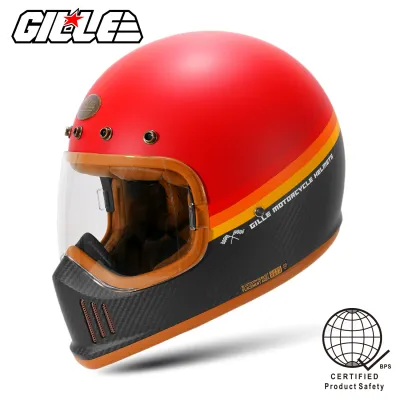
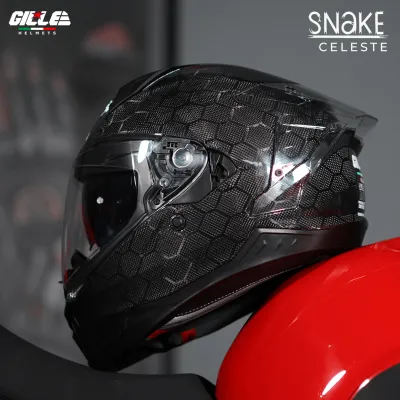
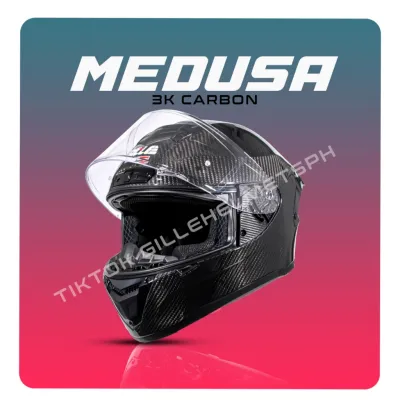
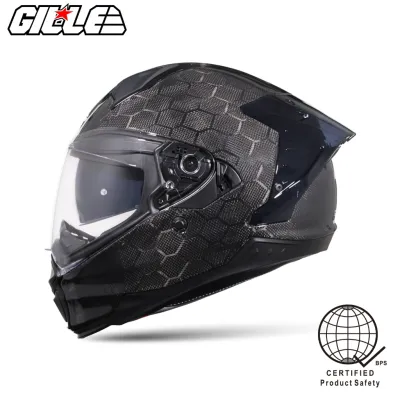
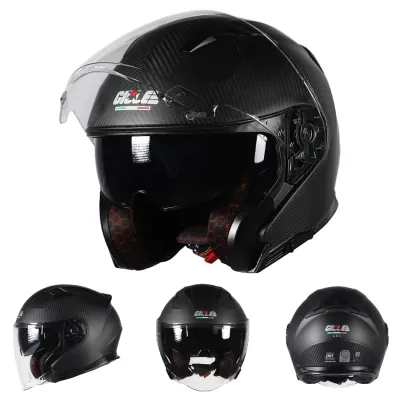
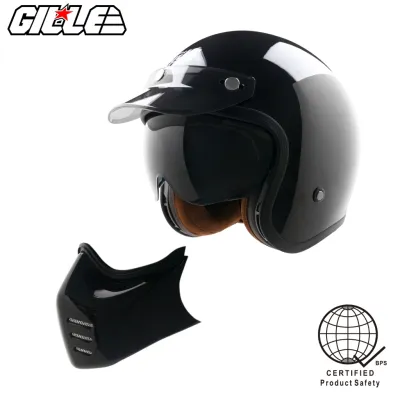
Prices are valid at publication and may change. Please refer to the product page for the latest price.
Red Flags to Evaluate in Online Listings
When browsing online marketplaces, the first line of defense is evaluating the listing itself before committing to a purchase. Price is often the most immediate indicator of a counterfeit product. Genuine carbon fiber helmets require complex manufacturing processes and premium raw materials, which naturally reflects in their retail price. If an online listing offers a “carbon fiber” helmet at a price that seems too good to be true—such as a fraction of the standard retail price found on official brand channels—it is highly likely a fake. Always check the official Gille channels to establish a baseline price in Philippine Pesos (₱) before making a purchase.

Next, scrutinize the seller’s credentials. Authorized dealers typically display official badges, certificates of authorization, or verified store statuses on major e-commerce platforms. Check the seller’s history, looking for consistent, detailed customer reviews rather than generic, repetitive five-star ratings that could be fabricated. Be wary of sellers who operate under random, alphanumeric usernames or those who refuse to provide physical store addresses or official contact details.
Product photography also reveals a lot about a listing’s legitimacy. Genuine sellers use high-resolution, original photos showing the helmet from multiple angles, including close-ups of the inner lining, buckles, and certification stickers. Counterfeit listings frequently rely on stolen stock images, low-resolution photos with cropped-out watermarks, or images that deliberately blur key details like the brand logo or the texture of the shell. If a seller cannot provide real-time, original photos of the actual stock upon request, avoid the transaction.
Physical and Visual Markers of a Genuine Helmet
Once the helmet is in your hands, or if you are inspecting it at a physical shop, a close visual and tactile examination is crucial. Real carbon fiber has a distinct, three-dimensional depth. The woven pattern—typically a twill or plain weave—should look organic, with slight, natural variations in how the light reflects off the fibers. In contrast, fake carbon fiber is often just a printed graphic, a water-transfer decal, or a cheap vinyl wrap applied over a plastic shell. These counterfeits look flat, lack depth, and often show repeating patterns, pixelation, or visible seams where the decal was joined.
The overall build quality of the helmet speaks volumes about its authenticity. Examine the visor mechanism; genuine Gille helmets feature smooth, positive detents and secure locking systems that operate without excessive play or flimsy resistance. Inspect the interior comfort liner. Genuine liners use high-quality, moisture-wicking fabrics with neat, consistent stitching and secure snap-on buttons. Counterfeit helmets often have loose threads, uneven stitching, thin foam padding that compresses too easily, and a strong chemical odor from cheap adhesives.
Do not overlook the packaging and documentation. A genuine Gille helmet arrives in a sturdy, branded box with high-quality printing, accompanied by a custom-fit, padded helmet bag featuring the official logo. Inside, you should find a detailed user manual, warranty registration cards, and sometimes branded stickers. Counterfeit products are frequently shipped in generic, flimsy cardboard boxes, wrapped only in bubble wrap, or accompanied by poorly translated manuals with low-quality printing and grammatical errors.
Verifying Certifications and Official Specifications
In the Philippines, all protective motorcycle helmets must comply with local safety standards. Look for the mandatory Import Commodity Clearance (ICC) sticker or the Philippine Standard (PS) mark on the back of the helmet. These stickers should have a holographic finish, clear serial numbers, and a secure adhesive that makes them difficult to peel off without tearing. Counterfeiters often print fake, non-holographic stickers or copy valid serial numbers onto multiple fake helmets. You can verify the validity of these stickers through the Department of Trade and Industry (DTI) verification systems or by checking the official Gille verification channels.
Additionally, genuine Gille helmets feature unique manufacturer serial numbers or authenticity QR codes, typically located on a sticker inside the helmet under the comfort liner or on the warranty card. Scan the QR code or enter the serial number on the official Gille website to confirm its authenticity. If the code has already been scanned multiple times or does not exist in the database, the helmet is a counterfeit.
Finalizing your physical check, compare the physical weight of the helmet against the official specifications. Carbon fiber helmets are known for being exceptionally lightweight while maintaining high strength. Check the official model specifications for the exact weight range (usually specified in grams). Use a precise scale to weigh the helmet; a significant deviation from the official weight—either much heavier due to cheap plastic or suspiciously light due to thin, fragile fiberglass—indicates a fake.
Action Plan for Suspected Counterfeits
If you suspect you have purchased a counterfeit Gille carbon fiber helmet, take immediate action to protect your investment and other riders. First, document all discrepancies thoroughly. Take clear, high-resolution photos and videos comparing the fake markers, poor stitching, flat carbon pattern, or missing certifications against the official product details. Keep all original packaging, shipping labels, and transaction receipts as evidence.
Next, initiate a formal return and refund request through the e-commerce platform’s buyer protection program. Do not click “Order Received” or confirm the transaction, as this may release the funds to the seller and complicate the refund process. Present your documented evidence clearly to the platform’s customer support, highlighting that the seller shipped a counterfeit safety item, which violates platform policies.
Lastly, report the fraudulent listing and the seller’s account to both the e-commerce platform and relevant consumer protection agencies, such as the DTI. Reporting these listings helps remove dangerous, uncertified safety gear from the market, protecting fellow riders from purchasing compromised helmets that fail to provide adequate protection on the road.
Frequently Asked Questions (FAQ)
Can I rely solely on the helmet's weight to verify if it is real carbon fiber?
No, you should not rely solely on weight. While genuine carbon fiber is remarkably lightweight, advanced counterfeiters can mimic this weight by using thin, structurally weak fiberglass or low-grade ABS plastic. These materials may feel light on your head but lack the impact-absorption capabilities of real carbon fiber. Always combine a weight check with a visual inspection of the 3D weave, a verification of the safety certification stickers, and a serial number check.
Are Gille helmets sold on social media marketplaces authentic?
Purchasing from social media marketplaces carries a high risk of encountering counterfeit products. These platforms often lack the strict seller verification, buyer protection policies, and secure payment systems found on established e-commerce platforms or authorized dealer networks. To guarantee authenticity, always purchase your helmet directly from the brand’s official website, verified flagship online stores, or physical authorized dealers.
Community discussion
Share your experience or ask a question. Comments are reviewed before publication.