
A genuine heavy-duty riding raincoat is one of the most critical investments a motorcyclist can make. When navigating unpredictable tropical weather, a sudden downpour can reduce visibility, drop temperatures, and make riding conditions highly hazardous. A high-quality, original raincoat acts as a shield against these elements, keeping you dry, warm, and focused on the road. However, the market is flooded with counterfeit rain gear that mimics the appearance of premium brands but fails completely under real-world riding conditions. Spotting these fakes before you ride is essential for your safety, comfort, and peace of mind.
The Risks of Counterfeit Rain Gear for Riders
Using counterfeit rain gear on a motorcycle is not just an inconvenience; it is a direct safety hazard. During intense tropical storms, riders face high-velocity rain and strong winds that put immense pressure on protective gear. Cheap, unverified materials quickly saturate, allowing water to seep through to your inner clothing. Once wet, a rider can quickly experience wind chill and shivering, which slows reaction times, stiffens muscles, and severely impairs concentration on wet, slippery roads.
Furthermore, counterfeit raincoats lack the structural integrity required to withstand the physical stresses of riding. The constant buffeting from high-speed wind, combined with the active movements of mounting, steering, and balancing a motorcycle, puts extreme tension on seams and closures. Fakes frequently suffer from sudden failures, such as split crotch seams, torn underarms, or broken zippers, leaving you completely exposed mid-ride.
Products mentioned in this guide
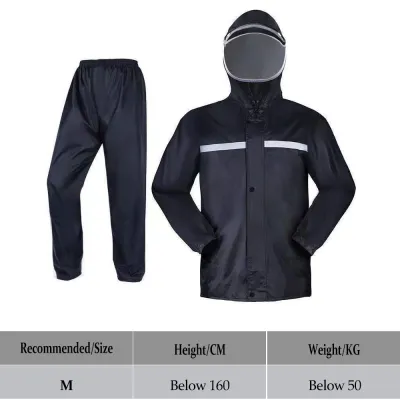
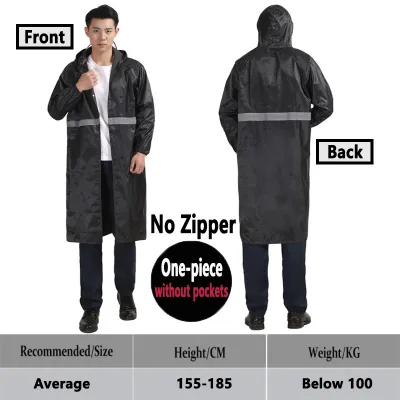
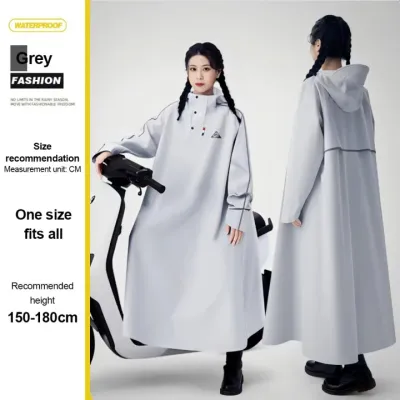
Prices are valid at publication and may change. Please refer to the product page for the latest price.
There is also a significant difference in visibility standards. Genuine heavy-duty riding rainwear is designed with high-visibility colors and certified retroreflective strips that bounce headlight beams back to other motorists in low-light conditions. Counterfeits often use cheap, non-reflective silver paint or low-grade reflective tape that loses its effectiveness when wet, making you virtually invisible to other drivers during a heavy downpour.
Physical Inspections: Checking Material and Build Quality
Performing a thorough physical inspection is the most reliable way to separate genuine heavy-duty rainwear from cheap imitations. Start by evaluating the weight and texture of the fabric. Original heavy-duty raincoats are constructed from robust, high-density materials like premium polyester or nylon, often treated with a thick polyurethane (PU) or polyvinyl chloride (PVC) backing. This construction gives the garment a noticeable heft and a supple, flexible drape. In contrast, counterfeit raincoats often feel paper-thin, stiff, or excessively crinkly, indicating low-grade plastics that will crack and degrade rapidly under high humidity and heat.

Next, turn the raincoat inside out to examine the seam construction, which is the ultimate test of waterproofing. Genuine riding gear features heat-sealed or hot-air taped seams. This process applies a specialized waterproof tape over every single stitched line, melting it into the fabric to create an impenetrable barrier against pressurized water. On counterfeit gear, this tape is often missing entirely, poorly aligned, or lifting at the edges. You might also notice messy, uneven stitching, loose threads, or needle holes that have not been sealed, all of which will allow water to spray directly inside the suit at riding speeds.
Pay close attention to high-stress zones such as the shoulders, crotch, and underarms. Genuine manufacturers reinforce these areas with double stitching or extra fabric patches to handle the stretching that occurs when sitting on a motorcycle. Counterfeits rarely include these reinforcements, leading to rapid tearing.
Finally, inspect the hardware components. Original heavy-duty raincoats utilize heavy-duty, smooth-sliding zippers, often featuring rubberized water-resistant tracks or deep double storm flaps with secure snaps to block wind-driven rain. Check the snaps and hook-and-loop fasteners on the collar, cuffs, and ankles. Genuine fasteners are securely stitched and offer a powerful grip to prevent the wind from ballooning your jacket. Counterfeit hardware often feels flimsy, uses cheap plastic zippers that easily jam or split, and features weak hook-and-loop closures that peel away from the fabric after minimal exposure to wet conditions.
Examining Labels, Tags, and Packaging for Authenticity
Authentic gear manufacturers protect their brand reputation by using high-quality, secure labeling and packaging. When you receive a new raincoat, begin by examining the hangtags and inner labels for official security features. Many premium brands incorporate holographic stickers, unique serial numbers, or scratch-off QR codes that allow you to verify the product directly on their official website. If these features are missing, look generic, or lead to a broken or suspicious web link, the product is highly likely to be a fake.
Carefully read the text printed on all labels, including the wash care tag sewn into the inner lining. Counterfeiters often overlook the details, resulting in spelling mistakes, grammatical errors, blurry logos, or misaligned text. The fonts used on fake tags may also differ slightly from the clean, standardized typography found on genuine brand merchandise.
The packaging itself can reveal a lot about the product’s origin. Genuine heavy-duty raincoats are typically packaged in thick, durable, branded polybags or dedicated zippered storage pouches designed to keep the gear organized when not in use. These packages usually contain professionally printed instruction manuals, care guidelines, and sometimes official warranty registration cards. If your raincoat arrives stuffed into a thin, unmarked plastic bag with no documentation, or if the printed inserts feature low-resolution graphics and poor paper quality, you are likely holding a counterfeit item.
Assessing Sellers and Choosing Reliable Purchase Channels
Avoiding counterfeit gear starts with making informed purchasing decisions and choosing reliable retail channels. The safest way to ensure you are buying an original heavy-duty raincoat is to purchase directly from authorized physical dealerships, official brand flagship stores, or verified online distributors. These sellers receive their inventory directly from the manufacturers and are backed by official product guarantees.
When shopping on online marketplaces or e-commerce platforms, learn to spot the red flags of fraudulent listings. Be highly suspicious of listings offering premium heavy-duty raincoats at prices that are significantly lower than the standard market rate. For instance, if a highly-rated heavy-duty suit typically retails for several thousand ₱, a listing offering the same branded item for only a few hundred ₱ is almost certainly selling a counterfeit.
Examine the product listing details closely. Fraudulent sellers often use low-resolution, stolen stock photos from official websites rather than original product images, and their descriptions are frequently vague, repetitive, or filled with machine-translated text. Check the seller’s profile, looking at their overall rating, how long the store has been active, and customer feedback. Read the reviews written by other buyers, specifically searching for comments regarding water leakage, poor material quality, or authenticity issues. Additionally, verify that the seller offers a clear, platform-backed return and refund policy, which provides a safety net if the product fails your initial inspection.
Steps to Take If You Receive a Suspected Fake
If you perform these checks and suspect your new raincoat is a counterfeit, do not use it on the road. Using unverified gear in a heavy storm puts you at risk of sudden failure. Instead, take immediate action to secure a refund and report the fraudulent seller. Start by documenting all the discrepancies you have identified. Take clear, high-resolution photos and videos of the specific problem areas, such as lifting seam tape, uneven stitching, misspelled labels, flimsy zippers, or packaging that does not match official brand standards.
Keep all original packaging, tags, shipping labels, and invoices intact, as you will need them to support your claim. Contact the seller directly through the e-commerce platform’s official messaging system to explain the issue and request a return and full refund. Present your documented evidence calmly and professionally.
If the seller refuses to cooperate, ignores your messages, or rejects your refund request, immediately escalate the dispute to the e-commerce platform’s customer support or dispute resolution center. Most reputable online marketplaces have buyer protection programs designed to investigate counterfeit claims and refund affected customers. Finally, submit a formal report against the seller’s listing and store on the platform to alert administrators, helping to remove the fraudulent product and protect other riders in the community from purchasing unsafe gear.
Frequently Asked Questions (FAQ)
Can a counterfeit heavy-duty raincoat still keep you dry?
While some counterfeit raincoats may repel light drizzle initially due to a temporary outer coating, they are highly likely to fail during sustained riding. Counterfeits lack the high-quality polyurethane backing and hot-air taped seams required to withstand the high wind pressure and heavy water volume of a tropical storm. Under these conditions, water will quickly force its way through the unsealed stitching and cheap fabrics, leaving you completely wet and cold mid-ride.
Do genuine heavy-duty raincoats always include a warranty card?
Not all genuine heavy-duty raincoats include a physical warranty card, as manufacturers use different methods for product verification. Some premium brands rely on digital registration via QR codes, unique serial numbers printed directly on the inner wash tags, or official purchase receipts from authorized dealers. To confirm what documentation should accompany your specific model, check the support or verification guidelines on the brand’s official website.
Is it safe to use an unverified raincoat for short rides?
Using an unverified raincoat for short commutes is not recommended, as sudden weather changes can occur at any time. A sudden downpour can quickly saturate a low-quality coat, causing discomfort, distraction, and wind chill that compromise your riding safety even on brief trips. Investing in verified, purpose-built riding gear ensures consistent waterproofing, wind resistance, and high visibility, protecting you on every journey regardless of the distance.
Community discussion
Share your experience or ask a question. Comments are reviewed before publication.