
To spot fake Honda CVTF (Continuously Variable Transmission Fluid) in the Philippines, you must perform a multi-layered inspection of the packaging, verify the batch codes with official channels, and purchase only from authorized sources. Specifically, look for sharp, high-resolution printing on the labels, a perfectly aligned security seal on the cap, and laser-etched batch numbers that match official factory formats. Because counterfeit fluids are designed to mimic the appearance of genuine products, relying on a single visual check is never enough; you must combine physical inspection with a verified purchasing channel to ensure your vehicle’s transmission remains protected.
The Mechanical Risks of Using Counterfeit Honda CVTF Fluid
Your vehicle’s continuously variable transmission (CVT) is a precision-engineered system that relies entirely on the unique chemical properties of its fluid to function. Genuine Honda CVTF is formulated with highly specific friction modifiers, anti-wear additives, and viscosity stabilizers tailored to the exact tolerances of Honda’s steel belts and pulleys. When you introduce counterfeit fluid into this system, you are putting your transmission at immediate risk because these fake products are typically made from cheap, low-grade base oils that completely lack these essential additives.
Without the correct friction modifiers, the steel belt inside your CVT cannot maintain proper grip on the pulleys. This leads to belt slippage, which generates intense localized heat and causes the metal components to wear down rapidly. You may first notice this as a distinct shuddering or hesitation during acceleration, followed by erratic shifting behavior. Over time, the lack of viscosity stability causes the fluid to break down rapidly under normal operating temperatures, leading to severe overheating and, ultimately, catastrophic transmission failure that can cost hundreds of thousands of pesos to repair.
Products mentioned in this guide
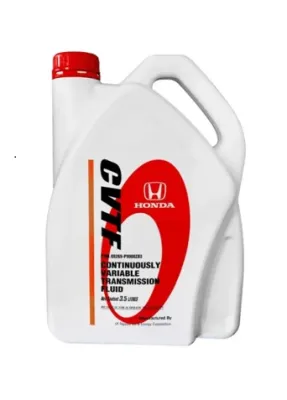
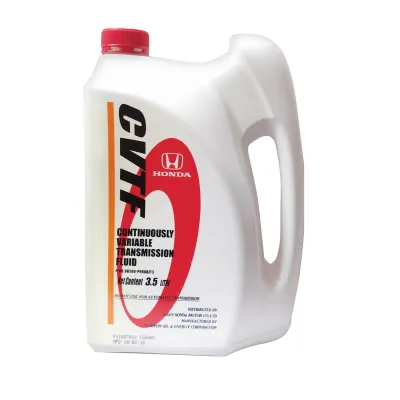
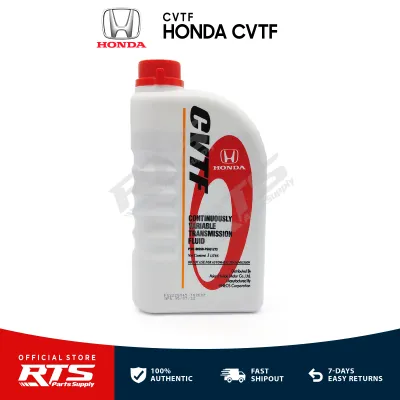
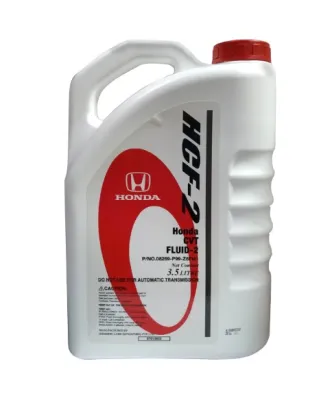
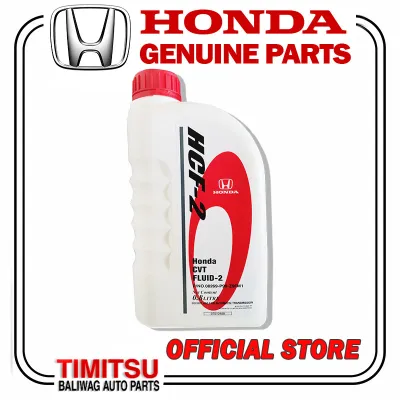
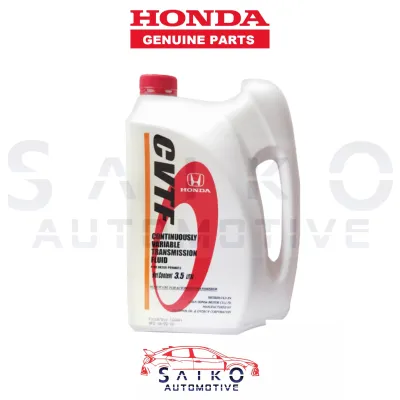
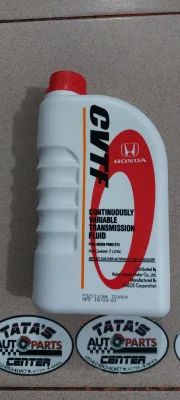
Prices are valid at publication and may change. Please refer to the product page for the latest price.
Because the transmission is a critical safety component of your vehicle, any failure while driving at high speeds on busy highways like SLEX or NLEX poses a severe safety risk. Before performing any transmission service, always consult your vehicle’s owner’s manual for the exact fluid specifications and maintenance intervals. Furthermore, because transmission fluid replacement requires precise leveling and clean conditions to prevent contamination, it is highly recommended to have the fluid replaced by a qualified professional mechanic at an authorized service center rather than attempting a DIY change with unverified products.
How to Inspect Honda CVTF Packaging and Fluid Characteristics
Identifying counterfeit transmission fluid requires a keen eye and a systematic approach. While counterfeiters have become increasingly sophisticated in mimicking genuine packaging, they often cut corners on manufacturing quality to keep their costs low. By carefully examining the physical attributes of the bottle, the label, the cap, and the fluid itself, you can identify key discrepancies that reveal a fake product before you ever pour it into your transmission reservoir.

Inspecting the Bottle, Label, and Print Quality
The first line of defense is the bottle itself. Genuine Honda CVTF bottles are manufactured using high-quality, high-density polyethylene (HDPE) plastic that feels rigid and substantial. When you squeeze a genuine bottle, it should resist flexing easily. In contrast, counterfeit bottles are often made from cheaper, thinner plastic that feels flimsy to the touch and may exhibit rough, unfinished plastic seams along the edges where the mold halves joined during production.
Next, examine the label with extreme care. Genuine labels are printed using high-resolution industrial presses, resulting in razor-sharp text, vibrant colors, and crisp Honda logos. Counterfeit labels, on the other hand, are frequently printed on lower-quality digital printers, which can leave the text looking slightly blurry, pixelated, or faded. Pay close attention to small details, such as the fine print on the back of the bottle, and check for any spelling errors or grammatical mistakes, which are immediate indicators of a counterfeit product.
Label alignment is another critical indicator. Authorized manufacturing facilities use automated labeling machines that apply labels with mathematical precision, ensuring they are perfectly centered and free of air bubbles or creases. If you notice that the label is crooked, peeling at the corners, or has trapped air pockets underneath, it is highly likely that the bottle was labeled manually in an illicit workshop. Keep in mind, however, that Honda occasionally updates its packaging designs, bottle shapes, and label layouts across different regions and production years. To avoid false conclusions, always compare your bottle against the most current official packaging design distributed by authorized dealerships in the Philippines rather than relying on outdated online images.
Evaluating the Cap, Security Seal, and Fluid Properties
The cap and its integrated security seal provide crucial clues about the product’s authenticity. A genuine Honda CVTF bottle features a precision-molded cap with a tamper-evident plastic ring that is tightly bonded to the cap itself. When you open the bottle for the first time, this ring should resist turning initially and then break apart with a clean, audible snap, leaving the lower portion of the ring secured to the neck of the bottle. If the security ring is already loose, cracked, or shows signs of adhesive residue, the bottle has likely been tampered with or refilled.
If you have already opened the bottle, you can perform a cautious evaluation of the fluid’s physical properties. Genuine Honda CVTF typically exhibits a distinct, clear color—often a light amber or pinkish-red hue, depending on the specific formulation—and possesses a mild, characteristic chemical odor. Counterfeit fluids often use cheap industrial lubricants or recycled motor oils, which may appear cloudy, contain visible particulates, exhibit an unusually dark color, or emit a harsh, pungent smell reminiscent of strong solvents or burnt rubber.
It is absolutely vital to understand that visual and olfactory checks of the fluid are subjective and cannot serve as a definitive guarantee of authenticity. Advanced counterfeiters can use dyes and chemical maskants to replicate the appearance and smell of genuine fluid. Therefore, you must never rely solely on how the fluid looks or smells; instead, treat these physical observations as supplementary checks that must be combined with packaging analysis and batch verification before making a final decision.
Verifying Authenticity Through Official Batch and Tracking Methods
Every genuine bottle of Honda CVTF is marked with unique production tracking data, including a batch number, manufacturing date, and lot code. On genuine packaging, this information is typically laser-etched or inkjet-printed directly onto the lower portion of the bottle or near the neck. The print should be clean, smudge-resistant, and feature a consistent font and spacing. Counterfeiters often struggle to replicate these markings accurately; they may omit them entirely, print them with crooked or smudged ink, or use generic fonts that do not match the factory’s standard format.
Depending on the specific region of manufacture and the import channel, genuine Honda fluids may also feature official security measures such as holographic stickers, unique QR codes, or scratch-off verification labels on the bottle. If your bottle includes a QR code or scratch-off code, ensure that it directs you to an official, verified Honda domain rather than a generic landing page. Be highly skeptical of third-party “authenticity check” websites or independent mobile applications that are not officially endorsed and hosted by Honda, as counterfeiters frequently set up fake verification portals to deceive unsuspecting buyers.
If you are uncertain about the legitimacy of the batch number or tracking codes on your bottle, the most reliable course of action is to contact an authorized Honda dealership or the official Honda customer service channel in the Philippines. You can provide them with the printed batch numbers and photos of the packaging for direct verification against their supply chain records. If the customer service representative cannot find any record of the batch number or confirms that the format does not align with official manufacturing logs, you should immediately refrain from using the fluid.
Where to Buy Genuine Honda CVTF and Red Flags to Avoid
To completely eliminate the risk of purchasing counterfeit transmission fluid, you must be highly selective about where you shop. The safest and most reliable channel is always an authorized Honda dealership’s parts department or an official brand flagship store operating on major online marketplaces. Reputable, long-established auto supply physical stores that specialize in genuine Japanese car parts are also excellent options, provided they can verify their direct sourcing from authorized distributors.
One of the most prominent red flags when shopping online or at independent local shops is a retail price that is significantly lower than the standard market rate. In the Philippines, genuine Honda CVTF typically retails within a well-defined price band (often ranging from ₱600 to ₱900 per liter, though this can vary based on the specific fluid type and market conditions). If a seller is offering the fluid at a discount of 30% or more below the average market price, you should treat the product as highly suspicious. Counterfeiters frequently use extreme discounts to lure budget-conscious car owners, exploiting the desire for a bargain at the expense of vehicle safety.
When evaluating sellers on e-commerce platforms, look beyond the overall star rating. Take the time to read recent buyer reviews in detail, specifically searching for feedback that mentions packaging anomalies, leaking bottles, blurry labels, or unusual shifting behavior after installation. Avoid unverified third-party sellers, shops with generic names consisting of random letters and numbers, and listings that use stock photos instead of actual product images. If a seller is unwilling or unable to provide clear photos of the batch codes on the physical bottles they have in stock, do not purchase from them.
Steps to Take If You Suspect You Purchased Fake Fluid
If you suspect that you have purchased a counterfeit bottle of Honda CVTF, the most important rule is simple: do not pour it into your vehicle’s transmission. Even a small amount of incorrect or low-quality fluid can contaminate your CVT system, requiring an expensive and complex flush to rectify. If the fluid is still in the bottle, keep it sealed and store it in a safe place while you initiate your documentation and return process.
Begin by gathering all evidence related to the transaction. Take high-resolution photographs of the bottle from all angles, focusing closely on the blurry text, misaligned labels, suspicious caps, and batch numbers. Save your original purchase receipt, invoice, and any communication logs with the seller, especially if they made false claims regarding the product’s authenticity. This documentation is vital for securing a refund and helping platform administrators take action against fraudulent sellers.
Next, file a formal dispute or return request through the buyer protection program of the e-commerce platform where you made the purchase, attaching your photographic evidence and explaining the specific discrepancies you found. You can also report the incident to local consumer protection authorities, such as the Department of Trade and Industry (DTI) in the Philippines, to help protect other motorists from falling victim to the same scam. If you have already added the suspected fluid to your vehicle’s transmission, do not drive the car. Instead, have it towed to an authorized service center or a reputable professional mechanic to have the entire transmission system thoroughly flushed and refilled with verified, genuine Honda CVTF to prevent long-term mechanical damage.
Frequently Asked Questions (FAQ)
Is it safe to mix suspected Honda CVTF with other transmission fluids?
No, it is highly unsafe to mix suspected Honda CVTF with any other brands, generic automatic transmission fluids (ATF), or even other genuine fluid types. Honda CVT systems are engineered to operate under highly specific friction coefficients. Mixing fluids can alter these critical properties, leading to belt slippage, severe wear, and immediate mechanical failure. If you have any doubts about the authenticity of a fluid, do not use it or mix it under any circumstances; instead, discard it and use only verified genuine fluid.
Does a normal market price guarantee the fluid is genuine?
No, a normal market price does not guarantee that the fluid is genuine. While extremely low prices are a primary red flag, sophisticated counterfeiters frequently price their fake products close to the standard market rate in PHP to avoid raising suspicion and to make their listings appear legitimate. To ensure authenticity, you must rely on a combination of reputable purchasing channels, meticulous physical inspection of the packaging, and official batch code verification rather than relying on the price tag alone.
Community discussion
Share your experience or ask a question. Comments are reviewed before publication.