
To spot a fake KOSO clutch lining for the Yamaha NMAX V2, you must carefully evaluate the packaging printing, physical build characteristics, holographic security labels, and verify the unique security code on the official manufacturer portal. Installing a counterfeit transmission component on your scooter can lead to severe mechanical failures, making a thorough pre-purchase inspection essential for every rider. By understanding the physical differences and utilizing digital verification tools, you can protect both your investment and your safety on the road.
The Mechanical Risks of Fake KOSO Clutch Linings
The Continuously Variable Transmission (CVT) of the Yamaha NMAX V2 relies heavily on the seamless engagement of the clutch assembly to deliver smooth acceleration. The clutch lining, which is bonded to the clutch shoes, plays a critical role in this system. As engine speed increases, centrifugal force pushes the clutch shoes outward, forcing the friction material of the lining to grab the inner surface of the clutch bell. This action transfers rotational power from the engine directly to the rear wheel, allowing the scooter to move forward smoothly.
Counterfeit clutch linings are typically manufactured using low-grade, unverified friction materials that cannot withstand the high operating temperatures of a modern CVT. These inferior materials often lead to severe clutch slipping, where the lining fails to grip the clutch bell properly. This slipping causes the engine to rev high without a corresponding increase in wheel speed, resulting in poor acceleration, sluggish throttle response, and a noticeable drop in fuel efficiency. Over time, this constant slippage generates extreme heat within the CVT casing.
Products mentioned in this guide
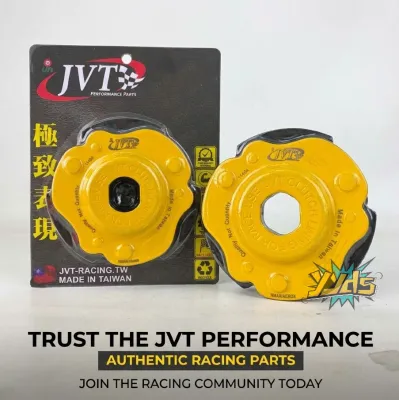
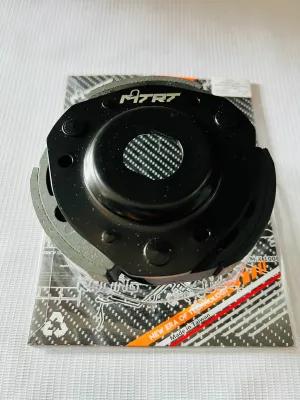
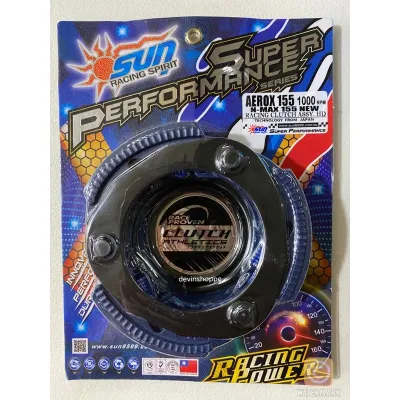
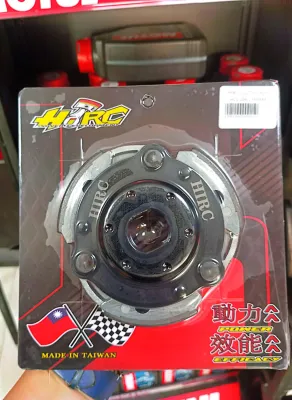
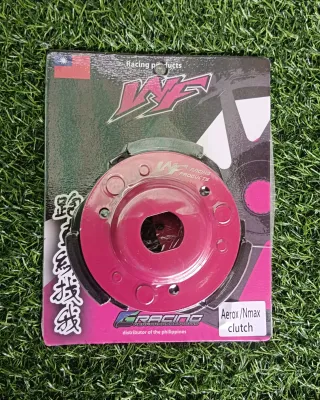
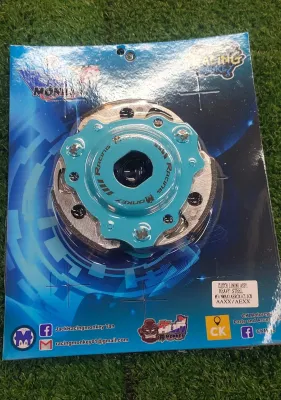
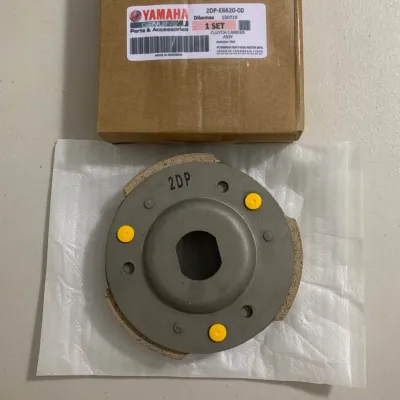
Prices are valid at publication and may change. Please refer to the product page for the latest price.
Excessive heat buildup from a slipping counterfeit clutch can cause secondary damage to surrounding transmission components. The intense thermal stress can warp the clutch bell, glaze the friction surface, and accelerate the wear of the drive belt, potentially causing it to snap while riding. While counterfeit aftermarket parts are a known issue within the motorcycle community in the Philippines, exact market percentages remain unverified due to a lack of official industry data. This lack of clear statistics makes personal verification of every component highly critical before installation.
Because transmission modifications directly affect the control and safety of your motorcycle, you must observe strict safety boundaries. Always refer to your Yamaha NMAX V2 factory service manual for exact specifications, torque limits, and installation steps before performing any work. It is highly recommended to have all transmission maintenance and component replacements performed by a qualified motorcycle mechanic to prevent assembly errors that could lead to rear-wheel lockups or sudden loss of drive power.
How to Inspect KOSO Clutch Linings: Genuine vs. Fake
Conducting a physical inspection of the product before paying or installing it is the most effective way to catch a counterfeit. By comparing the packaging, metalwork, and friction material against known manufacturing standards, you can quickly identify the red flags of a fake part.

Packaging and Labeling
Genuine KOSO packaging is designed to protect the component and present a professional brand image. The external box is made from thick, high-grade cardboard that resists crushing during transit. The printing on the box is sharp, high-resolution, and features vibrant colors with perfect alignment between different ink layers. The official KOSO branding and the specific part numbers designated for the Yamaha NMAX V2 will be clearly legible, without any smudging or faded areas.
In contrast, counterfeit packaging is often a primary indicator of a fake product. Counterfeiters frequently use cheap, thin cardboard that feels flimsy and easily deforms under light pressure. The printing on these boxes often displays blurry text, misaligned color borders, or noticeable spelling errors in the English instructions and product descriptions. Additionally, the color schemes may look washed out or differ slightly from the official brand colors shown on authorized distributor websites.
Build Quality and Material Texture
Examining the physical clutch shoes reveals distinct differences in manufacturing precision. Genuine KOSO clutch linings feature a high-quality aluminum base plate that undergoes precise CNC machining. The edges of the metal are clean, smooth, and chamfered, with no rough casting lines, metallic burrs, or sharp edges. The overall weight of the assembly feels substantial and balanced, reflecting the use of dense, high-grade alloys designed to handle centrifugal forces.
Counterfeit clutch shoes are typically made from cheap cast aluminum that bypasses refined machining processes. These parts often exhibit rough, porous surfaces, uneven edges, and visible casting lines from poor molds. The friction pads on fake linings are also inferior; they are often made of low-density materials that may feel dry, chalky, or crumble slightly under firm fingernail pressure. Furthermore, the adhesive line securing the friction pad to the metal shoe on a fake is often messy, thick, or unevenly applied, whereas genuine units feature a clean, minimal, and highly consistent bonding layer.
Holograms and Security Marks
Official KOSO products utilize advanced security features directly on the packaging or the product itself to deter counterfeiters. A genuine package will feature a high-quality holographic sticker. When you tilt this sticker under a direct light source, it will display a distinct, multi-layered color shift and reveal hidden patterns or official logos that change dynamically depending on the angle of the light.
Counterfeiters often try to replicate these security marks using flat, non-reflective metallic stickers. These fake stickers do not exhibit a true multi-dimensional color shift when tilted; instead, they reflect light uniformly like basic silver foil. The graphics on fake holographic stickers are often blurry, poorly aligned, or off-center, indicating a lack of high-precision printing equipment during production.
Verifying Authenticity Through Official KOSO Channels
The most definitive method to confirm whether your KOSO clutch lining is genuine is to use the manufacturer’s official digital verification system. This process bypasses visual guesswork by checking the unique serial number of your specific product directly against the manufacturer’s database.
To begin this process, locate the official anti-counterfeit verification label on the product packaging. This label contains a scratch-off section covered by a silver protective coating. Carefully scratch off this coating using a coin or your fingernail to reveal a unique security PIN and an associated QR code.
Scan the QR code using your smartphone’s camera or a QR scanning application. This scan should automatically direct you to the official KOSO verification portal, where the security PIN will be checked. If you prefer, you can also navigate to the official website manually and enter the security PIN into the dedicated authenticity verification field on their support page.
However, you must remain highly vigilant against sophisticated phishing tactics. Counterfeiters sometimes print fake QR codes on their packaging that redirect unsuspecting riders to replica verification websites. These fraudulent sites are designed to look identical to the official KOSO portal and will falsely confirm that a counterfeit serial number is genuine. To protect yourself, always manually inspect the URL in your browser’s address bar after scanning. Verify that the domain matches the official, verified KOSO website before trusting any confirmation message or entering personal details.
Safe Purchasing Channels in the Philippines
Minimizing the risk of buying a counterfeit transmission part starts with selecting the right seller. In the Philippines, the motorcycle aftermarket is vast, making it essential to patronize reputable sources rather than searching for the cheapest available deal.
To ensure you receive an authentic product, prioritize purchasing from authorized KOSO dealers, established physical motorcycle parts shops, or verified official brand flagship stores on major e-commerce platforms. These sellers source their inventory directly from official distributors, ensuring product traceability and quality control.
Be highly skeptical of product listings that feature prices significantly lower than the standard market rate. Genuine KOSO clutch linings for the Yamaha NMAX V2 typically retail within a standard price band of approximately ₱1,200 to ₱1,800, depending on the specific product line and regional shipping costs. If you encounter a listing priced at ₱300 to ₱500, it is highly likely to be a counterfeit product made with substandard materials.
When evaluating third-party sellers on online marketplaces, perform a thorough background check before adding the item to your cart. Look for shops that have been active for more than a year and maintain a high positive seller rating. Read the recent buyer reviews carefully, focusing on those that include unboxing photos and videos of the physical product. Avoid sellers who only use stock images or have multiple customer complaints regarding poor fitment, clutch dragging, or packaging that arrived without security labels. You can also message the seller directly to request proof of their authorized dealer status before finalizing your purchase.
Steps to Take If You Receive a Suspected Counterfeit
If you inspect your newly purchased clutch lining and suspect it is a counterfeit, you must take immediate action to protect your vehicle and your consumer rights. Handling the situation promptly prevents mechanical damage and increases your chances of recovering your money.
First and most importantly, do not attempt to install the suspected counterfeit clutch lining into your Yamaha NMAX V2. Running a fake clutch lining can lead to catastrophic CVT failure, which could damage your clutch bell, pulley face, or drive belt, and potentially cause a dangerous rear-wheel lockup while riding. Keep the product, its original packaging, and all accessories exactly as they arrived to preserve the evidence.
Next, initiate a formal return and refund request through the e-commerce platform’s buyer protection system or directly with the physical store’s management. If you purchased the item online, do not click the button to confirm receipt or complete the order, as this action releases the funds to the seller. File the claim under the reason “Counterfeit/Fake Product” and upload clear, high-resolution photos comparing the fake characteristics—such as blurry labels, rough metal casting, or a failed digital verification check—against genuine specifications.
Finally, report the fraudulent seller to the e-commerce platform’s customer support team to help get the listing removed and protect other riders from purchasing unsafe parts. In the Philippines, if the seller or platform refuses to cooperate or deny your valid refund request, you can escalate the dispute by filing a formal complaint with the Department of Trade and Industry (DTI) for mediation and consumer protection assistance.
Community discussion
Share your experience or ask a question. Comments are reviewed before publication.