
To spot fake Mitsubishi Motors Automatic Transmission Fluid SP3(III) 1liter before buying, you must inspect the container’s construction, verify label printing quality, cross-reference batch codes, and purchase only from authorized distributors. Counterfeit transmission fluids are increasingly sophisticated, making packaging inspection and verified sourcing your only reliable defenses against transmission damage.
Why Counterfeit ATF SP3(III) Risks Your Transmission
Your vehicle’s automatic transmission relies on genuine Mitsubishi Motors Automatic Transmission Fluid SP3(III) 1liter to lubricate moving parts, dissipate intense heat, and maintain hydraulic pressure for smooth gear shifts. In the tropical climate of the Philippines, where stop-and-go traffic in cities like Manila or Cebu subjects gearboxes to extreme thermal stress, high-quality fluid is paramount.
Using counterfeit fluid directly threatens your transmission’s survival. Fake fluids are often formulated from cheap, low-grade base oils that lack specialized additive packages. When these imitation fluids break down, they fail to provide adequate lubrication, leading to delayed shifting, overheating, and slippage. Over time, this causes accelerated wear on internal clutches and bands, culminating in complete transmission failure.
Products mentioned in this guide
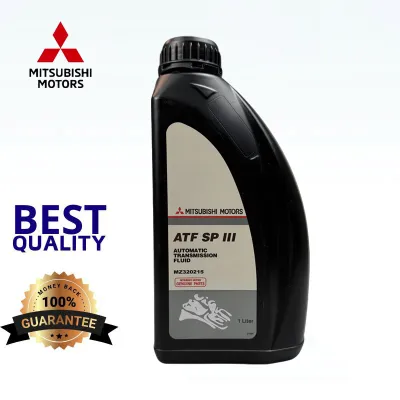
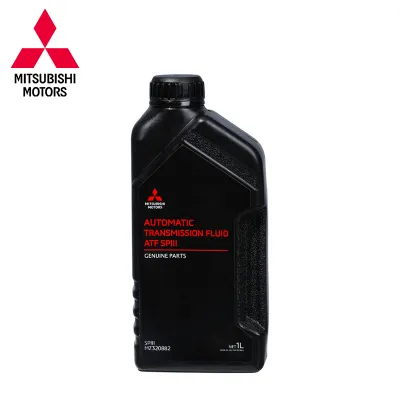
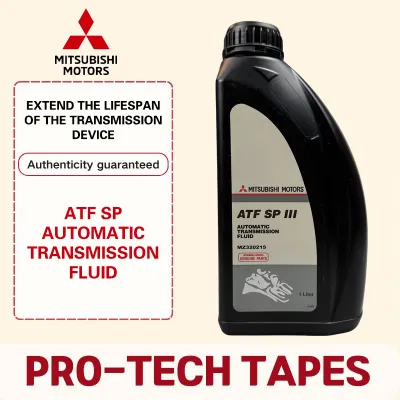
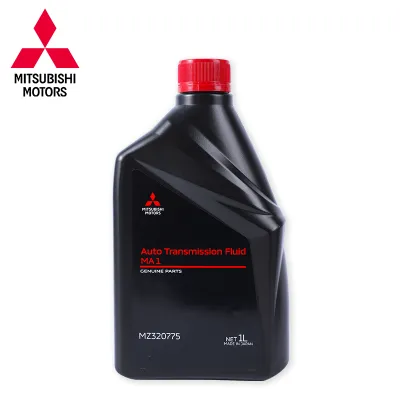
Prices are valid at publication and may change. Please refer to the product page for the latest price.
The financial consequences of installing counterfeit fluid are severe. While a cheap bottle might save you a few hundred Philippine Pesos upfront, a transmission rebuild or replacement can cost tens of thousands of Pesos. This massive disparity makes the minor savings of unverified products a highly risky gamble. Because counterfeiters continually refine their packaging, systematic verification is essential to protect your vehicle.
Visual and Physical Checks to Identify Genuine ATF SP3(III)
Conducting a methodical physical inspection of the packaging is a highly practical way to identify a counterfeit product before it ever touches your transmission. By focusing on manufacturing details that counterfeiters struggle to replicate, you can quickly filter out high-risk bottles.

Inspecting the Bottle and Label Quality
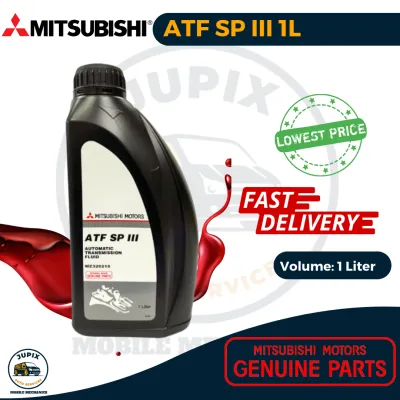
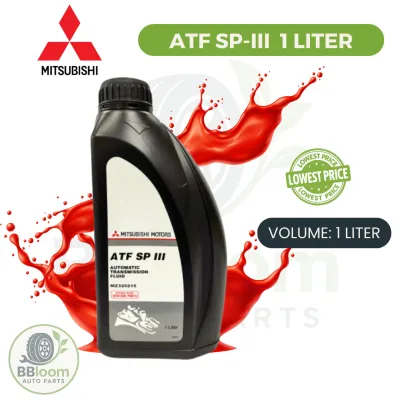
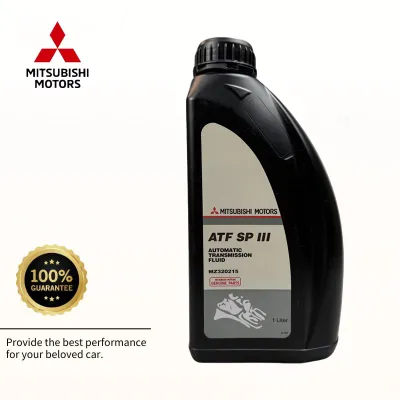
Genuine Mitsubishi Motors Automatic Transmission Fluid SP3(III) 1liter is packaged in high-quality plastic bottles manufactured to strict industrial standards. A genuine bottle feels rigid, durable, and uniform in thickness. Counterfeit bottles often use inferior, recycled plastics, resulting in a flimsy feel, uneven walls, and highly visible, rough molding seams along the sides or bottom. If the bottle deforms easily under moderate hand pressure or displays jagged plastic flashing along the seams, it is likely a counterfeit.
The label application and print quality are excellent indicators of authenticity. Original Mitsubishi Motors fluids feature labels with exceptionally crisp, high-resolution text, perfect color registration, and sharp graphic borders. Inspect the spelling of key terms carefully, paying close attention to “Mitsubishi Motors” and “ATF SP3(III)” to ensure there are no typographical errors or unusual font variations. Counterfeit labels often suffer from blurry text, color bleeding, or misaligned layers that occur when cheap printing equipment is used.
Label alignment and adhesion also reveal manufacturing standards. Genuine bottles are labeled using automated factory machinery that ensures the sticker is perfectly centered, level, and flat against the plastic surface. Inspect the edges of the label for peeling, bubbling, or crooked alignment, which typically point to manual application in a low-tech counterfeiting operation. Additionally, confirm that the official Mitsubishi Motors logo is printed with correct proportions and that the stated volume of 1 liter aligns with the physical size of the bottle.
Evaluating the Fluid's Physical Characteristics
While visual checks of the bottle are crucial, inspecting the physical properties of the fluid itself offers a deeper level of verification. However, you must establish a clear safety boundary before proceeding: opening the bottle’s factory seal usually voids any return or refund policies. Consequently, you should only perform fluid-level checks if the external packaging has already passed your initial inspection, or if you have already purchased the fluid and want to verify its quality before pouring it into your transmission. Before conducting any physical checks or introducing the fluid to your vehicle, always check the applied product’s label and your vehicle manufacturer’s instructions. If these instructions conflict, the vehicle is unidentified, or the use is not covered, stop and consult the manufacturer or a qualified professional before proceeding. Always consult your vehicle’s owner’s manual to confirm compatibility with the SP3 specification before introducing any fluid to your system.
Although genuine ATF SP3(III) is dyed a distinct red color, do not rely solely on color as a guarantee of authenticity. Counterfeiters can easily add cheap red dyes to industrial lubricants or recycled oils to mimic the appearance of genuine fluid. Instead, look closely at the clarity of the liquid. Genuine fluid is highly refined, completely transparent, and free of any suspended particles, cloudiness, or sediment. Pour a small sample into a clean, clear container and hold it up to the light; any visible impurities or turbidity indicate a dangerous, low-quality product.
Viscosity and texture provide additional clues. Genuine ATF SP3(III) should feel smooth, slick, and consistently oily when rubbed between gloved fingers, maintaining its body without feeling watery or sticky. If the fluid feels remarkably thin or leaves a sticky residue as it dries, it does not meet the mechanical requirements of your transmission.
The smell is another valuable diagnostic tool. Genuine transmission fluid has a distinct, mild petroleum odor. In contrast, counterfeit fluids often emit a sharp, highly pungent, or burnt chemical smell. This unpleasant odor is a common byproduct of low-grade base stocks, reclaimed waste oils, or harsh industrial solvents. If the fluid smells rancid or strongly of burnt plastic, do not use it.
Verifying Batch Codes and Official Authenticity Markers
Every genuine bottle of Mitsubishi Motors Automatic Transmission Fluid SP3(III) 1liter features unique manufacturing data that serves as a digital footprint. Understanding how to locate, read, and verify these codes is a powerful defense against fakes that manage to replicate the basic bottle shape.
The batch number, production date, and expiration details are typically laser-printed or embossed directly onto the plastic bottle, often near the bottom edge, on the shoulder, or on the rear label. On genuine packaging, these codes are applied using high-precision industrial marking systems. The resulting text is perfectly legible, consists of uniform characters, and is fused into the plastic or ink layer. If you can easily scratch the batch code off with a fingernail, rub it away with a damp cloth, or if the characters are blurry and smudged, the bottle is likely counterfeit.
To validate these markings, cross-reference the date formats and code structures with the official guidelines provided by Mitsubishi Motors Philippines or authorized distributors. Counterfeiters frequently make mistakes with these codes, such as printing production dates that lie in the future, using expired batch formats, or repeating the exact same batch number across thousands of bottles. If you have access to multiple bottles from the same seller, compare the printed codes; if every bottle shares an identical timestamp down to the second, they are counterfeit.
Many modern automotive fluid containers incorporate security features such as holographic stickers, QR codes, or scratch-off verification panels. While these tools are helpful, you must remain cautious because manufacturers update these security markers regularly. Always verify these security elements through official brand channels rather than relying on generic, third-party QR scanning apps which can easily be redirected to fake verification websites. Use only the official brand websites or direct customer service hotlines to confirm code authenticity.
Choosing Reliable Purchasing Channels in the Philippines
The most effective way to avoid counterfeit transmission fluid is to manage where you shop. In the Philippine automotive market, sourcing your consumables from verified, reputable channels completely eliminates the risk of acquiring fake products.
Your safest option is always to purchase transmission fluid directly from authorized Mitsubishi Motors dealerships or official brand service centers. These establishments source their inventory directly from the manufacturer’s official supply chain, ensuring absolute product integrity. If a dealership is not nearby, look for well-established, reputable physical automotive supply stores that have a long-standing history in your local community. These physical stores rely heavily on their reputation and typically maintain strict quality control standards for their inventory.
When shopping on e-commerce platforms, you must exercise extra caution to navigate the high volume of third-party sellers. Always limit your purchases to official flagship stores or sellers that carry verified “Mall” or “Preferred” badges, which require sellers to submit official business registration and brand authorization certificates. Before adding the product to your cart, check the seller’s profile for uploaded copies of their official distributorship certificates. If a seller refuses to provide proof of sourcing or cannot produce a valid invoice, walk away.
Be highly suspicious of common online red flags. The most prominent warning sign is a price that is significantly lower than the standard retail average in the Philippines. If a seller offers a bottle of Mitsubishi Motors Automatic Transmission Fluid SP3(III) 1liter at half the price of authorized dealers, it is almost certainly a counterfeit; genuine fluids have tight profit margins, and extreme discounts are economically unfeasible for legitimate sellers. Other red flags include the use of generic stock photos instead of actual product images, a lack of a physical return address, and evasive or generic automated responses when you ask about the fluid’s origin. Avoid unbranded “repackaged” fluids or bulk deals that claim to be identical to the SP3 specification but lack official packaging, as these products bypass all quality control protocols.
Action Plan If You Suspect a Counterfeit Purchase
If you realize you have purchased a suspected counterfeit bottle of transmission fluid, taking swift, organized action is vital to protect both your vehicle and your consumer rights. The steps you take next depend on whether the fluid has already entered your vehicle’s transmission.
If the suspect fluid is still unopened and unused, prioritize securing your financial recovery and reporting the fraudulent seller. Begin by gathering all physical and digital evidence, including your original purchase receipts, screenshots of your chat history with the seller, and detailed, high-resolution photographs highlighting the packaging discrepancies. Use this evidence to initiate a formal return and refund dispute through the e-commerce platform’s buyer protection program. Simultaneously, file a formal report against the seller’s store on the platform to help prevent other motorists from falling victim to the same scam, and consider escalating the report to local consumer protection agencies such as the Department of Trade and Industry (DTI).
If you have already poured the suspected counterfeit fluid into your vehicle’s transmission, you must prioritize mechanical safety over financial disputes. Stop driving the vehicle immediately. Operating a transmission with counterfeit fluid, even for a short distance under light load, can cause rapid friction material degradation, severe overheating, and irreversible internal damage. Do not attempt to drive the vehicle to a workshop; instead, have the vehicle towed to a qualified professional mechanic or an authorized Mitsubishi service center.
Once the vehicle is safely at the service center, instruct the technician to perform a complete transmission fluid flush. A simple drain-and-fill is insufficient, as a significant portion of the contaminated fluid remains trapped inside the torque converter and valve body. The mechanic must thoroughly flush the entire system with genuine, verified Mitsubishi Motors ATF SP3(III) fluid and inspect the transmission filter for any signs of debris or metallic particles that could indicate premature wear. Only after a thorough flush and a professional diagnostic scan should the vehicle be cleared for road use.
Frequently Asked Questions (FAQ)
Can I mix genuine ATF SP3(III) with other brands if I run low?
No, you should avoid mixing genuine Mitsubishi Motors ATF SP3(III) with other fluid brands, even if those brands claim to meet or exceed the SP3 specification. Different manufacturers employ distinct chemical additive packages, friction modifiers, and base oil formulations. Mixing these fluids can trigger chemical incompatibilities, resulting in fluid foaming, accelerated oxidation, reduced lubricating efficiency, and transmission clutch slippage. To maintain optimal hydraulic performance and preserve your vehicle’s warranty, always top up or refill your system using only the exact same genuine Mitsubishi Motors ATF SP3(III) fluid.
Does a significantly lower price on an online marketplace always mean the fluid is fake?
While authorized distributors occasionally run legitimate promotions, bundle deals, or seasonal discounts, a price that falls drastically below the standard retail average in the Philippines is an incredibly strong indicator of a counterfeit product. Genuine automotive consumables have highly controlled wholesale pricing structures, leaving very little room for extreme retail discounts. If you encounter a price that seems too good to be true, always verify the seller’s official authorization status, check for physical business credentials, and carefully read recent, detailed customer reviews to ensure you are not buying a cheap imitation that could destroy your transmission.
Community discussion
Share your experience or ask a question. Comments are reviewed before publication.