
Identifying a genuine break pad motorcycle component from a counterfeit copy is one of the most critical safety checks a rider in the Philippines can perform. With the rise of unverified online sellers and roadside shops, counterfeit motorcycle parts have become increasingly common. To tell if motorcycle brake pads are original or fake, you must carefully inspect the packaging security features, analyze the physical build quality, and cross-reference the part numbers directly with the manufacturer’s official catalogs.
Driving a motorcycle through the congested streets of Metro Manila, navigating the steep, winding roads of Benguet, or cruising along coastal highways requires absolute confidence in your stopping power. The heavy rains of the monsoon season and high tropical humidity place immense stress on your braking system. Relying on counterfeit brake pads in these demanding conditions is a recipe for catastrophic mechanical failure.
The Safety Risks of Counterfeit Motorcycle Brake Pads
Your motorcycle’s braking system relies entirely on friction to convert kinetic energy into thermal energy, bringing your vehicle to a safe and controlled stop. The brake pads are the direct point of contact with the spinning rotor, making them the single most critical safety component on your machine. When you squeeze the brake lever, you expect immediate, predictable deceleration. Genuine brake pads are engineered to withstand extreme temperatures and maintain their structural integrity under heavy loads.
Products mentioned in this guide
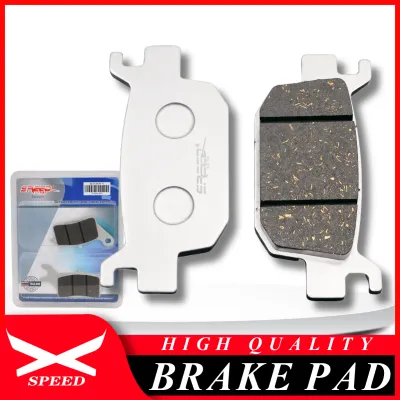
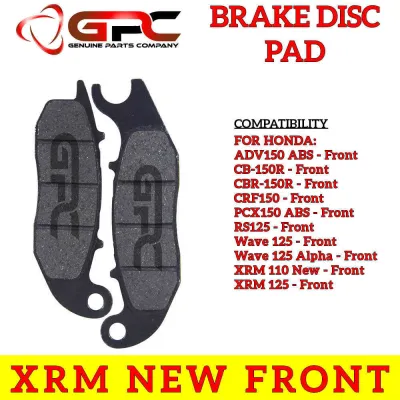
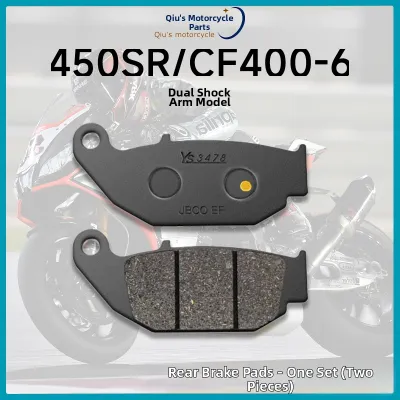
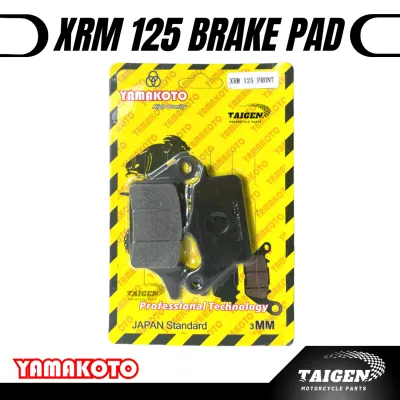
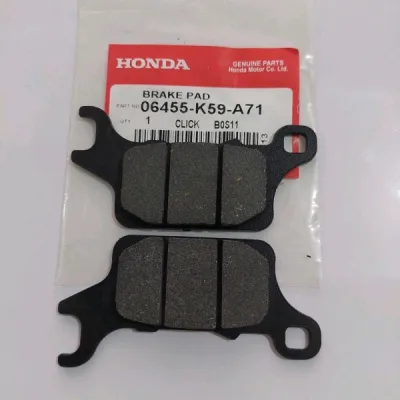
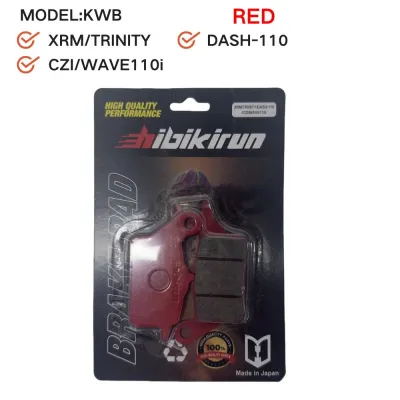
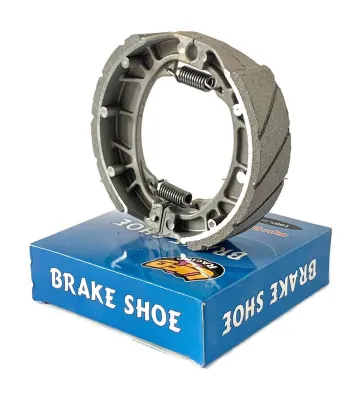
Prices are valid at publication and may change. Please refer to the product page for the latest price.
Counterfeit brake pads are manufactured with cheap, unverified materials that fail to meet basic safety standards. One of the most severe consequences of using fake pads is rapid brake fade. Under continuous braking—such as descending a long mountain pass or navigating stop-and-go traffic in intense tropical heat—fake pads quickly overheat, losing their ability to grip the rotor. This causes the brake lever to feel soft or spongy, drastically increasing your stopping distance and putting you at immediate risk of a collision.
Beyond poor stopping power, counterfeit pads pose a severe threat to your motorcycle’s physical components. The friction material on fake pads is often poorly bonded to the backing plate, which can cause the friction block to crack, crumble, or completely delaminate during a sudden stop. Furthermore, these imitation pads often contain coarse, unevenly mixed metallic debris that can aggressively score and warp your expensive brake rotors, leading to costly repairs and sudden wheel lockups.
Key Differences: Original vs. Fake Break Pad Motorcycle Components
Before you install any new brake pads on your motorcycle, performing a detailed side-by-side inspection is essential. Counterfeiters have become highly skilled at replicating the visual appearance of premium brands, but they almost always cut corners on packaging precision and material refinement. Knowing what to look for on both the box and the physical pad will help you catch a fake before it ever touches your caliper.

Packaging and Labeling Cues
The packaging is your first line of defense when verifying authenticity. Genuine manufacturers invest heavily in high-quality packaging to protect their products and represent their brand. When inspecting the box, look for crisp, high-resolution printing, vivid colors, and perfectly aligned logos. Counterfeit boxes often exhibit blurry text, faded colors, and slight grammatical or spelling errors in the fine print—clear signs of a rushed, low-budget replication process.
Most reputable brands protect their products with advanced security features. Look for tamper-evident seals, holographic stickers that shift colors or reveal hidden patterns when tilted under the light, and unique barcodes. Many premium brands now include a scratch-off panel on the box that reveals a unique security code. If the box lacks these security features, or if the holographic sticker looks like a flat, cheap metallic print that does not shift colors, the product is highly suspect.
However, it is vital to remember that packaging alone is not a foolproof guarantee of authenticity. Sophisticated counterfeit operations sometimes source discarded genuine boxes or produce highly convincing replicas. For this reason, you must always proceed to a physical inspection of the brake pads themselves, treating the packaging as merely the first step of your evaluation.
Physical Build and Material Quality
Once you open the box, handle the brake pads and feel their weight. Counterfeit pads often feel unusually light because they use cheap filler materials, or they may feel excessively dense and heavy due to an improper mix of scrap metals. Genuine pads have a distinct, balanced weight that reflects their high-grade composite materials, whether they are organic, semi-metallic, or sintered.
Next, turn the pad over and closely examine the metal backing plate. Genuine backing plates are precision-cut with clean, smooth edges free of sharp metal burrs. The paint or anti-corrosion coating on an original pad is applied evenly, covering all edges to prevent rust. On counterfeit pads, you will often find uneven paint runs, exposed bare metal, and rough, poorly stamped edges. Additionally, check the brand name and part numbers stamped into the metal; genuine stamps are deep, perfectly aligned, and sharp, whereas fake stamps are often shallow, crooked, or printed with cheap ink that easily rubs off.
Finally, inspect the friction material itself. The friction block of a genuine pad should have a uniform texture with evenly distributed metal fibers or copper flecks. It should feel solid and stable. Counterfeit pads often show visible defects, such as large, loose chunks of material, uneven coloration, or unexpected pockets of metallic debris. If the friction material feels crumbly at the edges or leaves a heavy, dusty residue on your fingers just from light handling, the bonding agents are substandard, and the pad is highly likely to fail under thermal stress.
Step-by-Step Verification Methods
To ensure absolute certainty before mounting new pads, you should utilize digital and physical verification steps. Modern manufacturers have made it easier for consumers to verify their purchases directly, bypassing the visual guesswork entirely.
First, locate the QR code or serial number on the packaging. Many leading brake brands feature a unique QR code linked to a secure verification database. Use your smartphone to scan the code. A genuine scan should direct you to the manufacturer’s official, secure website (look closely at the URL to ensure it is not a lookalike phishing domain) and display a message confirming the product is authentic. Crucially, pay attention to the scan counter. If the verification page indicates that the specific code has already been scanned dozens or hundreds of times, it means a counterfeiter has copied a single genuine QR code and printed it on thousands of fake boxes.
Second, cross-reference the part number printed on both the packaging and the backing plate with the manufacturer’s official online catalog. Ensure that the specific part number matches your motorcycle’s exact make, model, and year of manufacture. Counterfeiters often print generic or random part numbers on their boxes that do not correspond to the actual shape or application of the pad inside.
Safety Boundary and Compatibility Warning:
- Verify Compatibility: Never infer brake pad compatibility solely from a generic category term or the physical appearance of the pad. You must verify your specific vehicle model, year, interface dimensions, mounting position, and road legality directly from the official product documentation and your motorcycle's original owner's manual.
- Qualified Installation: Because the braking system is a critical safety assembly, always consult your vehicle manufacturer's original instructions. If you do not have the specialized tools, torque specifications, or experience required for disassembly and installation, have the brake pads installed by a qualified professional mechanic at a reputable service center. Improperly installed brake pads can lead to immediate brake failure, severe accidents, or voided vehicle warranties.
Where to Buy Authentic Motorcycle Brake Pads
The most effective way to avoid counterfeit motorcycle brake pads is to control where you shop. While it can be tempting to search for the absolute lowest price online, saving a few hundred Pesos is not worth risking your life on the road.
Always prioritize purchasing your brake pads from authorized dealerships, official flagship brand stores on major e-commerce platforms, or highly reputable local motorcycle shops with a verifiable supply chain. Authorized distributors receive their inventory directly from the manufacturers, ensuring that every box on their shelves is genuine. If you are unsure whether a local shop is authorized, ask them directly about their distributor source or check the official brand website for a list of accredited dealers in the Philippines.
In contrast, buying from unverified third-party sellers on general e-commerce platforms or open online marketplaces carries a very high risk. These platforms often host thousands of independent sellers, and the vetting process for product authenticity can be lax. If you choose to shop online, look for the platform’s official mall or preferred seller badges, and read customer reviews carefully. However, be cautious of reviews that seem overly generic or lack detailed photos of the actual product received.
When browsing, watch out for major red flags. The most obvious warning sign is a suspiciously low price. For example, if genuine OEM brake pads for a popular scooter typically retail between ₱400 and ₱800, a listing offering the “same” genuine pads for ₱150 is almost certainly a counterfeit. Other warning signs include vague product descriptions, stock photos stolen from official websites, and sellers who refuse to provide actual photos of the packaging or backing plate when requested via chat.
What to Do If You Suspect a Fake Product
If you have already purchased a set of brake pads and suspect they are counterfeit, do not install them on your motorcycle under any circumstances. It can be frustrating to realize you have been scammed, but the physical risk of brake failure far outweighs the cost of the pads.
Immediately document the discrepancies. Take clear, high-resolution photos of the packaging, the suspect security labels, the uneven backing plate, and the inconsistent friction material. If you have an old, genuine pad that you previously removed from your motorcycle, place it side-by-side with the suspected fake pad to clearly illustrate the differences in stamping, paint quality, and material density.
Next, file a formal return and refund request through the e-commerce platform’s buyer protection policy. Submit your photographic evidence and clearly explain that the item received is a counterfeit product that poses a severe safety hazard. Most major platforms have strict policies against the sale of fake auto parts and will refund your money if you provide clear proof.
Finally, report the seller’s store to the platform’s customer support to help prevent other riders from purchasing these dangerous components. You should also consider reaching out to the brand’s official distributor in the Philippines. Providing them with the seller’s details and photos of the counterfeit packaging helps their legal teams track down and shut down counterfeit distribution rings, making the roads safer for the entire riding community.
Frequently Asked Questions (FAQ)
Can I test fake brake pads by burning them?
No, you should never attempt to burn or apply extreme heat to brake pads as a test. Destructive testing of this nature is highly dangerous, as heating unverified chemical compounds and bonding agents can release toxic, carcinogenic fumes. Furthermore, performing any destructive test will immediately void the e-commerce platform’s return policy, preventing you from getting a refund. Stick to safe, non-destructive verification methods such as inspecting the physical backing plate, checking packaging security seals, and scanning official digital verification codes.
Do fake brake pads always squeak?
No, squeaking is not a definitive indicator of a counterfeit brake pad. While fake pads often squeak due to poor material formulation, improper curing, or cheap metal contaminants, genuine brake pads can also make noise. A genuine pad may squeak if your brake rotors are worn, grooved, or contaminated with road grime, or if the pads were not properly bedded in after installation. Always evaluate noise in combination with other physical cues, such as backing plate stamps and packaging security features, rather than relying on sound alone.
Are cheaper brake pads always fake?
No, a lower price does not automatically mean a brake pad is counterfeit. Several reputable aftermarket brands manufacture budget-friendly, fully certified brake pads designed for daily commuting and light use. The critical distinction lies in what the product claims to be. Buying a recognized, affordable aftermarket brand is perfectly safe. However, if a premium, high-performance OEM or aftermarket pad is being sold at a fraction of its standard market price in the Philippines, it is highly likely to be a dangerous counterfeit.
Community discussion
Share your experience or ask a question. Comments are reviewed before publication.