
Distinguishing a genuine motorcycle brake rotor from a counterfeit alternative requires a systematic inspection of its packaging, physical markings, material finish, and weight. In the Philippines, where daily commutes involve navigating intense tropical humidity, heavy monsoon downpours, and demanding stop-and-go traffic, the reliability of your braking system is non-negotiable. Installing a counterfeit brake rotor poses severe safety risks, as these imitation parts are manufactured without regulatory oversight or quality control. To protect yourself on the road, you must look beyond surface aesthetics and use a combination of visual, physical, and digital verification methods before mounting any new disc to your wheel hub.
Why Counterfeit Brake Rotors Are a Safety Hazard
Brake rotors are critical safety components designed to convert kinetic energy into thermal energy through friction. Genuine rotors are engineered using precise metallurgical standards, typically utilizing high-grade stainless steel or specific carbon alloys that can withstand extreme heat cycles without losing structural integrity. Counterfeit manufacturers, operating entirely without regulatory oversight, often use inferior scrap metals or low-grade cast iron that lacks the necessary tensile strength and thermal conductivity.
Under heavy braking—such as descending steep mountain roads in Benguet or navigating sudden stops in dense Metro Manila traffic—a fake rotor can quickly overheat. This extreme thermal stress can cause the metal to warp, crack, or even shatter completely, leading to an immediate and catastrophic loss of braking power. If a rotor shatters while riding, it can lock up the wheel instantly, resulting in a severe accident.
Products mentioned in this guide
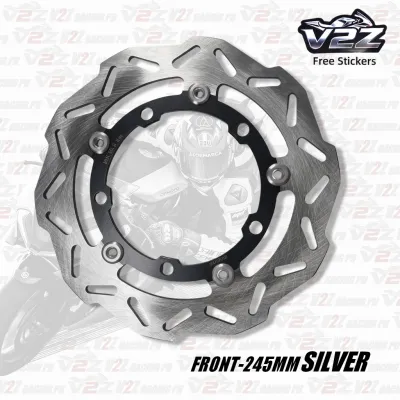
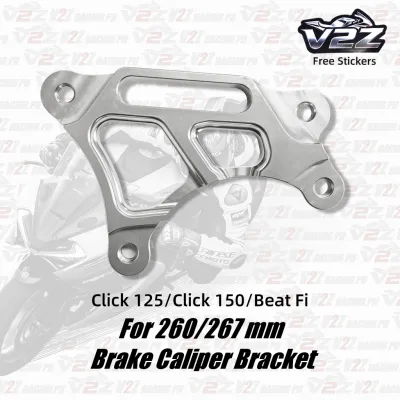
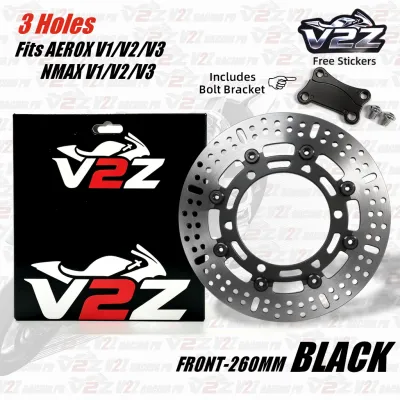
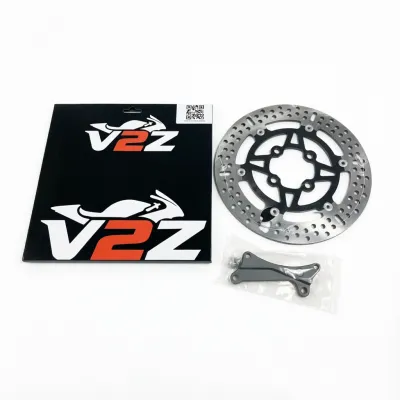
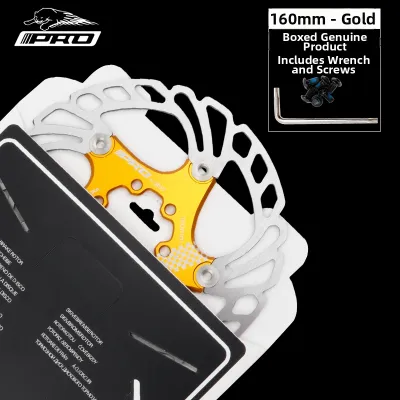
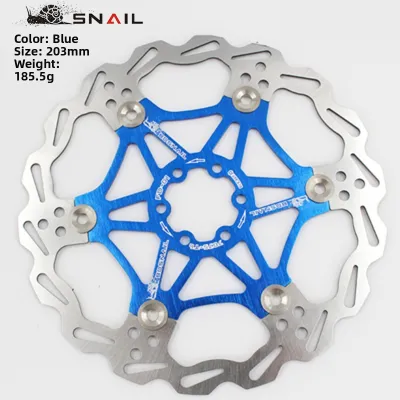
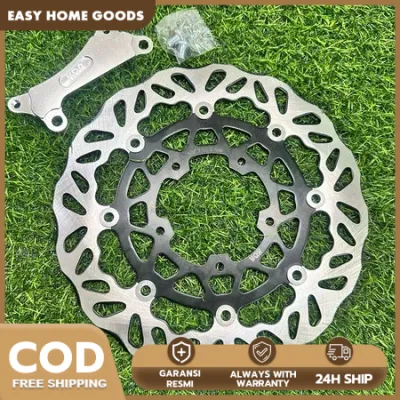
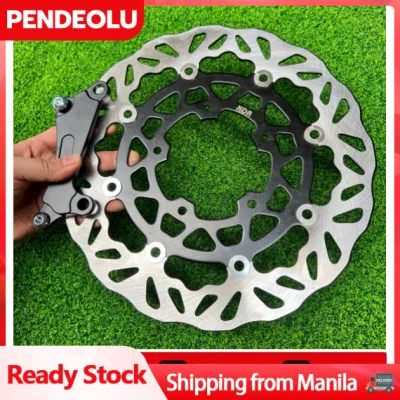
Prices are valid at publication and may change. Please refer to the product page for the latest price.
Furthermore, unregulated manufacturing processes result in unpredictable friction performance. The brake pads may fail to bite consistently against an unvetted alloy, significantly extending your stopping distance. Because these imitation parts bypass rigorous quality control and structural testing, they introduce an unacceptable level of risk to your daily rides.
Inspecting the Packaging and Documentation
The first line of defense against counterfeit motorcycle parts lies in the packaging. Premium manufacturers invest heavily in high-quality packaging materials, precise printing processes, and secure sealing methods to protect their products during transit. When examining a brake rotor box, look closely at the print quality, color saturation, and text alignment. Counterfeit boxes often feature blurry graphics, faded colors, or subtle spelling mistakes in the instructional text.

Pay close attention to the security seals, holographic stickers, and tamper-evident tape. Genuine brands frequently use complex holograms that shift colors or reveal hidden patterns when tilted under light. If the security sticker looks like a simple, flat metallic print, or if the adhesive is peeling off easily, the product inside is highly suspect. Additionally, check if the box has been opened or resealed, as some dishonest sellers place counterfeit rotors inside genuine boxes.
Additionally, cross-reference the printed part numbers, batch codes, and barcodes on the box with the manufacturer’s official digital catalog. Counterfeiters often reuse a single box design for multiple rotor sizes, resulting in mismatched part numbers or generic barcodes that do not correspond to your specific motorcycle model. Always verify that the documentation inside, such as installation guides or warranty cards, is printed on high-quality paper with clear, legible diagrams. If the paperwork looks like a cheap photocopy with faded text, it is a strong indicator of a counterfeit product.
Checking Physical Markings and Engravings
Once the rotor is out of the box, a close inspection of its physical markings can reveal its true origin. Authentic manufacturers use high-precision laser etching or deep, clean CNC engraving to mark their products with essential safety and tracking information. These markings are typically sharp, uniform, and perfectly aligned along the inner hub or outer edge of the rotor.
In contrast, counterfeit rotors often feature shallow, uneven, or poorly aligned stamped markings. The letters and numbers may look fuzzy, or the font style might differ slightly from the manufacturer’s standard typeface. Look for the production batch code, the brand logo, and the country of origin, which should all match the details printed on the packaging. If any of these markings are missing or look hand-stamped, exercise extreme caution.
Crucially, check for safety-critical markings such as the minimum thickness indicator (often marked as “Min. Th.” or “MIN TH”) and directional rotation arrows. Genuine rotors clearly display the minimum safe operating thickness to guide future maintenance. If these markings are missing, illegible, or stamped in an unprofessional manner, do not install the rotor on your motorcycle. Furthermore, verify that the directional rotation arrow matches the mounting position of your specific vehicle model, as incorrect installation can compromise braking efficiency.
Before purchasing, always verify your specific vehicle model, year, interface dimensions, and mounting position against the official vehicle documentation. Never infer compatibility from a generic category term or a seller’s broad compatibility list. A genuine rotor is designed to fit exact specifications, and any deviation in bolt pattern, offset, or outer diameter can compromise road legality and safety.
Evaluating Material Quality, Weight, and Finish
The physical construction of the metal alloy provides excellent clues regarding its authenticity. Genuine brake rotors undergo precise surface machining to ensure perfect flatness and optimal pad bed-in. Inspect the braking track for uniform, micro-fine machining lines; a genuine rotor will feel smooth and consistent, with clean, chamfered edges along the ventilation holes and outer perimeter.
Counterfeit rotors often exhibit rough casting seams, uneven surfaces, or sharp, unrefined edges around the cooling slots. These imperfections indicate a lack of post-casting machining and quality control. In the humid, tropical climate of the Philippines, low-grade steel or cast iron alloys used in fake rotors will also rust much faster and more unevenly than high-quality, corrosion-resistant alloys. If you notice premature rust spots or a dull, uneven finish on a brand-new rotor, it is likely a fake.
When preparing a new rotor for installation, use only label-authorized brake cleaners to remove protective shipping oils. Avoid using generic solvents or household cleaners, which can damage the metal surface, seals, or brake pads.
Weight is another highly reliable indicator of material integrity. Because counterfeiters use cheaper, less dense metals to cut costs, their rotors often weigh significantly less than the original parts. Use a digital scale to weigh the rotor and compare the reading against the manufacturer’s official specifications or a known genuine unit. Even a minor discrepancy in weight can indicate a compromised internal structure that may fail under pressure. Additionally, check the mounting holes; genuine rotors feature perfectly drilled, deburred holes that align precisely with your motorcycle’s wheel hub without requiring forced installation.
Using Official Verification Tools and Trusted Channels
Many leading motorcycle component manufacturers now integrate digital anti-counterfeiting technologies into their products. Look for unique QR codes, scratch-off security labels, or serial numbers on the packaging that can be verified through the brand’s official website or dedicated mobile application. Scanning these codes should direct you to a secure, official domain that confirms the product’s authenticity and registration history. Be cautious of QR codes that direct you to generic search engines or unverified third-party websites designed to mimic the official brand portal.
To minimize the risk of purchasing dangerous imitations, always source your motorcycle parts from authorized dealerships, official brand stores, or reputable physical motorcycle shops. Established local distributors in the Philippines maintain direct supply chains with manufacturers, ensuring that every component is genuine and traceable. When buying online, look for verified seller badges, official mall status, and positive customer reviews that include detailed photos of the received product.
Be highly skeptical of suspiciously low-priced listings on general e-commerce platforms and online marketplaces. While a genuine premium brake rotor commands a price that reflects its engineering and material quality, counterfeiters often lure buyers with heavily discounted prices, sometimes listing items for a fraction of their actual market value in pesos (₱). For example, if a genuine rotor typically retails for ₱3,000, a listing offering the “same” product for ₱500 is almost certainly a counterfeit. Saving money on a critical safety component is never worth the physical risk.
What to Do If You Suspect a Fake Purchase
If you suspect that you have purchased a counterfeit brake rotor, do not attempt to install or use it on your motorcycle. Your safety on the road depends entirely on the reliability of your braking system. Begin by documenting your suspicions; take clear, high-resolution photographs of the packaging, the physical markings, the material defects, and any purchase receipts or online transaction records.
Contact the seller immediately to request a return and refund, citing the specific physical discrepancies you have identified. If the purchase was made through an online marketplace, escalate the issue to the platform’s customer support or dispute resolution team, providing your photographic evidence to support your claim. You can also report the fraudulent listing to help protect other riders from purchasing the same dangerous parts.
Once you have secured a refund or resolved the dispute, ensure that the counterfeit rotor is safely disposed of or physically disabled. You can scratch the braking surface deeply or bend the mounting tabs to prevent the part from being resold, repackaged, or accidentally installed by another rider. Always consult a qualified motorcycle mechanic to inspect and install critical brake components, ensuring that your vehicle’s braking system is fully compliant with original-vehicle instructions and road safety standards.
Frequently Asked Questions (FAQ)
Can I rely solely on the price to identify a fake brake rotor?
No, you should never rely solely on the price to determine authenticity. While an extremely low price in pesos (₱) is a major red flag, some sophisticated counterfeiters price their fake rotors close to the retail value of genuine parts to make them appear legitimate. This tactic exploits the assumption that higher-priced items are always authentic. Therefore, physical inspection, packaging verification, and purchasing from authorized channels must always accompany price evaluation to ensure you are getting a genuine product.
Do all genuine brake rotors come with a security hologram?
No, security features vary significantly depending on the manufacturer, product line, and region. While some premium brands utilize advanced holographic stickers, others may rely on unique serial numbers, QR codes, or specific packaging designs. To avoid false assumptions, check the specific manufacturer’s current packaging guidelines on their official website rather than relying on a single universal feature. If you are uncertain, verifying the part through an authorized local dealer is the safest course of action.
Community discussion
Share your experience or ask a question. Comments are reviewed before publication.