
To determine if your MXR engine oil is original or fake, you must perform a multi-layered check focusing on packaging integrity, physical seal quality, digital security verification, and authorized purchasing channels. Counterfeit engine oil is a growing concern for motorcycle owners, especially in demanding riding environments like the Philippines where high humidity and heavy traffic put extreme stress on engines. Identifying genuine mxr engine oil before pouring it into your crankcase is the most effective way to prevent catastrophic mechanical failures. By carefully inspecting the bottle’s molding, checking the security seals, scanning the official QR codes, and buying only from verified distributors, you can ensure your motorcycle receives the exact lubrication and thermal protection it requires.
The Mechanical Risks of Using Fake Motorcycle Oil
Using counterfeit engine oil poses severe risks to your motorcycle’s internal components. Genuine mxr engine oil is formulated with specific additives, including viscosity stabilizers, anti-wear agents, and friction modifiers tailored to the high-RPM environment of motorcycle engines. Counterfeit oils, by contrast, are typically made from cheap, recycled base oils or low-grade industrial lubricants that completely lack these critical additives. Without proper thermal protection, the oil breaks down rapidly under the intense heat of a combustion engine, leading to a drastic loss of viscosity and lubrication.
The consequences of running fake oil in your engine can be immediate and devastating. Without an adequate lubricating film, metal-on-metal contact increases dramatically, causing rapid wear on the piston rings, cylinder walls, and camshafts. In motorcycles with wet clutches, the absence of correct friction modifiers—such as those certified by the JASO standards—can cause the clutch plates to slip or wear out prematurely, leading to a loss of power transmission and costly repairs. Over time, the thermal breakdown of inferior oil produces heavy sludge and carbon deposits that clog oil passages, potentially causing complete engine seizure.
Products mentioned in this guide
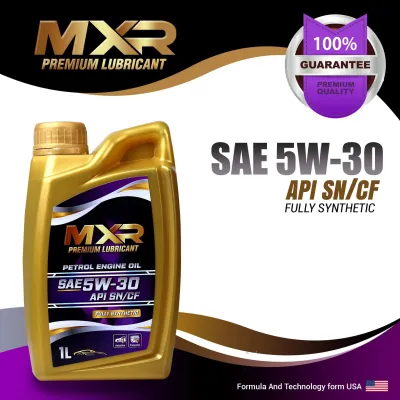
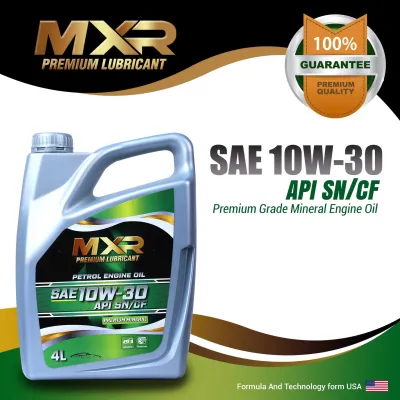
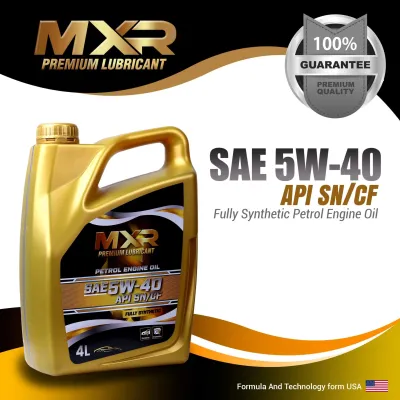
Prices are valid at publication and may change. Please refer to the product page for the latest price.
Before applying any engine oil to your vehicle, always check the product’s label and your motorcycle manufacturer’s instructions for compatibility. If the instructions conflict, if your vehicle model’s requirements are unidentified, or if your specific usage scenario is not covered, stop immediately and consult the motorcycle manufacturer or a qualified automotive professional. Remember that engine oil must only be used for its label-authorized purpose of engine lubrication; it is not formulated or safe for use on other vehicle materials like body paint, plastics, or external sensors.
How to Inspect MXR Engine Oil Packaging and Seals
A thorough physical inspection of the bottle is your first line of defense against counterfeit products. Original manufacturers use advanced, high-precision blow-molding machinery to produce their packaging, resulting in a sturdy, highly consistent plastic bottle. When examining a bottle of mxr engine oil, feel the plastic; it should feel rigid and durable, with clean, smooth seams along the sides. Genuine bottles also feature crisp, clearly defined branding elements and logos embossed directly into the plastic mold itself, which are difficult and expensive for counterfeiters to replicate.

The label on the bottle provides crucial clues regarding its authenticity. Genuine labels are printed using high-resolution industrial presses that produce sharp typography, vibrant colors, and exact logo placements. Carefully read the technical specifications, including the viscosity grade, API (American Petroleum Institute) service category, and JASO classification. Any blurred text, pixelated graphics, or misaligned labels are strong indicators of a counterfeit. Furthermore, the manufacturing date, expiration date, and batch numbers should be clearly printed or laser-etched onto the bottle in a standardized format. This text should be crisp and permanent; if the batch code easily rubs off with a fingernail or a drop of rubbing alcohol, the product is highly suspect.
Pay close attention to the cap and the sealing mechanism, as these are critical security boundaries. Authentic bottles feature a precision-engineered cap with an intact, unbroken tamper-evident ring. When you twist the cap, this ring should cleanly split from the cap with a noticeable mechanical click. Underneath the cap, a genuine bottle will have a high-quality foil induction seal securely bonded to the plastic rim of the bottle opening. This seal should be perfectly flat, wrinkle-free, and require deliberate force to peel away, ensuring that the oil has not been tampered with or replaced since leaving the factory.
Red Flags: Spotting Flaws in Counterfeit Oil Bottles
Counterfeiters operate on thin margins and often use substandard manufacturing equipment, leaving distinct visual and physical flaws on their packaging. A counterfeit bottle of mxr engine oil is often made from flimsy, thin, or discolored plastic that easily deforms when squeezed. The mold lines along the edges of the bottle may be rough, thick, or sharp to the touch, indicating poor quality control. In some cases, counterfeiters reuse discarded genuine bottles collected from repair shops; look closely for scuff marks, scratches, or dirt on the bottom of the bottle that suggest it has been handled extensively before being refilled.
Labeling flaws are another common giveaway. Counterfeit labels frequently exhibit spelling mistakes, grammatical errors, or incorrect fonts that differ slightly from the official brand design. Colors may appear faded, washed out, or shifted in tone due to cheap printing processes. If you compare a suspected bottle side-by-side with a known genuine one, these differences in color saturation and alignment often become glaringly obvious. Additionally, look for poorly applied labels that have air bubbles, wrinkles, or crooked edges, which suggest manual application rather than automated factory labeling.
The seals on fake bottles are rarely perfect. A broken, loose, or missing tamper-evident ring on the cap is an immediate red flag. If the foil liner under the cap is loose, poorly aligned, or shows signs of adhesive residue around the edges, it indicates that the bottle was sealed manually using cheap glue rather than a high-temperature induction sealer. If you have already purchased and opened the bottle, pay attention to the sensory characteristics of the fluid. While physical inspection of the unopened packaging is always safer, opened fake oil may exhibit a strong, unpleasant chemical solvent odor, a cloudy or unusually dark appearance, or visible sediment at the bottom of the container. If you notice any of these signs, do not pour the oil into your engine.
Actionable Steps to Verify MXR Oil Authenticity
To keep pace with counterfeiters, modern lubricant manufacturers incorporate advanced digital and physical security features into their packaging. When purchasing mxr engine oil, check for specialized security stickers, holographic labels, or color-shifting inks that are designed to change appearance when viewed from different angles. These features are highly sophisticated and exceptionally difficult for unauthorized operations to copy accurately.
The most reliable method of verification involves using your smartphone to scan the QR codes or barcodes printed on the bottle’s label. Authentic MXR products feature unique QR codes linked to a secure tracking database. When scanned, the code should instantly redirect your smartphone’s browser to the official, secure brand verification portal. Carefully check the URL in your browser’s address bar; it must match the official domain of the manufacturer exactly. Counterfeiters often set up fake, look-alike websites with slightly altered spellings to trick users into believing a cloned code is genuine.
Furthermore, pay attention to the scan limits and verification history displayed on the official portal. A secure verification system will track how many times a specific QR code has been scanned. Because counterfeiters copy a single genuine label and print it onto thousands of fake bottles, the verification portal will often flag a cloned QR code as having been scanned dozens or hundreds of times before. If the portal indicates that the code has already been queried previously, or if the batch details displayed on the screen do not match the physical bottle in your hand, you are holding a counterfeit product.
Safe Purchasing Channels in the Philippines
The most effective way to protect your motorcycle engine from counterfeit lubricants is to control where you buy them. In the Philippines, where counterfeit automotive products can circulate through informal retail networks, you should always prioritize authorized distribution channels. Purchase your mxr engine oil directly from official brand flagship stores on major online marketplaces, or from established, reputable local motorcycle parts and service centers. Authorized dealers receive their inventory directly from the manufacturer’s supply chain, guaranteeing product integrity.
Be extremely cautious when browsing third-party listings on e-commerce platforms or social media marketplaces, especially those offering prices that seem too good to be true. While genuine high-quality motorcycle oil typically commands a standard market price reflective of its formulation, counterfeiters often lure buyers with steep discounts. For example, if the standard retail price for a specific grade of engine oil is around ₱350 to ₱500, a listing offering the same product for ₱150 should be treated with immediate suspicion.
Before making an online purchase, perform due diligence on the seller. Check their overall rating, look for a “verified seller” or “authorized distributor” badge, and read recent customer reviews. Pay close attention to reviews that mention packaging quality, delivery condition, or concerns about authenticity. Additionally, verify the seller’s return and refund policies; reputable sellers will readily offer a clear return process if a product is found to be defective or suspect, whereas fraudulent sellers often have restrictive or non-existent return policies.
Next Steps If You Suspect a Counterfeit Purchase
If you suspect that you have purchased a counterfeit bottle of mxr engine oil, do not use it in your motorcycle under any circumstances. Running fake oil, even for a short distance, can cause permanent damage to your engine’s internal components, void your manufacturer’s warranty, and compromise your safety on the road. If the oil is already in your engine, drain it immediately, flush the system with genuine oil, and replace the oil filter before riding again.
Keep the suspect bottle, the purchase receipt, and all original packaging intact, as these will serve as essential evidence. Report the fraudulent seller immediately to the e-commerce platform’s dispute resolution center to initiate a refund and flag the shop for investigation. You should also file a formal complaint with local consumer protection authorities in the Philippines, such as the Department of Trade and Industry (DTI). Finally, contact MXR’s official customer support team to report the incident, providing them with clear photos of the packaging, the batch numbers, and details of where the product was purchased to assist them in tracking down counterfeit operations.
Frequently Asked Questions (FAQ)
Can I rely solely on the oil's color to determine if it is genuine?
No, you cannot rely solely on the color or clarity of the oil to determine its authenticity. While genuine motorcycle oil typically has a clear, clean, amber or light golden appearance, counterfeiters can easily replicate these visual characteristics. They often use cheap, highly refined base oils, reclaimed lubricants, or chemical dyes to mimic the exact color of original products. Because visual appearance is so easily faked, you must rely on a combination of packaging integrity, secure physical seals, and official digital QR code verification to confirm that the product is genuine.
Does a valid QR code scan guarantee the oil is authentic?
A successful QR code scan does not automatically guarantee authenticity, as sophisticated counterfeiters can clone a valid QR code from a genuine bottle and print it onto thousands of fake labels. To ensure the product is authentic, you must verify that the scan redirects you to the official, secure manufacturer portal rather than a dummy website. Additionally, check the portal’s scan counter; if the system flags that the code has been scanned multiple times before, or if the batch and manufacturing details on the screen do not match the physical bottle, the product is a counterfeit.
Community discussion
Share your experience or ask a question. Comments are reviewed before publication.