
Finding a genuine, high-quality ignition component is essential for keeping your vehicle running smoothly on congested city streets and long provincial highways. If you are shopping for ignition upgrades, verifying that you are purchasing an ngk spark plug original iridium is the single most important step to protect your engine from costly mechanical failures and ensure optimal fuel efficiency.
Spotting a counterfeit spark plug requires a systematic physical inspection of the packaging, the ceramic insulator, the metal threading, and the fine-wire electrode tip. Because counterfeiters have become highly sophisticated, relying on a single visual check is no longer sufficient. You must combine a close physical evaluation with secure purchasing practices and official verification channels to guarantee you are installing an authentic product.
The Risk of Counterfeit Spark Plugs in the Philippine Market
The Philippine automotive aftermarket is flooded with counterfeit parts, and premium ignition components are among the most frequently targeted products. With local drivers constantly seeking ways to improve fuel economy and engine responsiveness amidst rising fuel costs, the demand for high-performance iridium plugs has surged. This high demand, combined with the premium retail price of legitimate iridium components, makes them highly profitable targets for counterfeiters.
Products mentioned in this guide
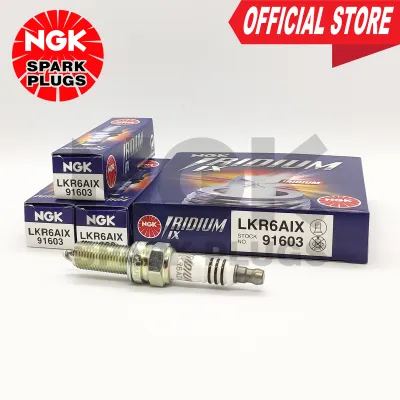
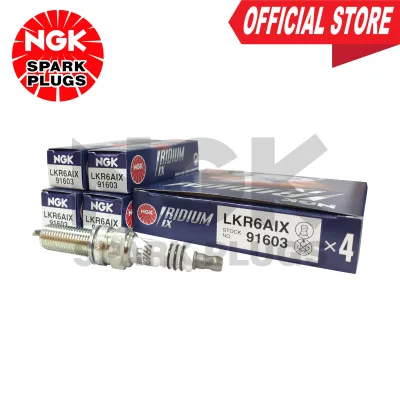
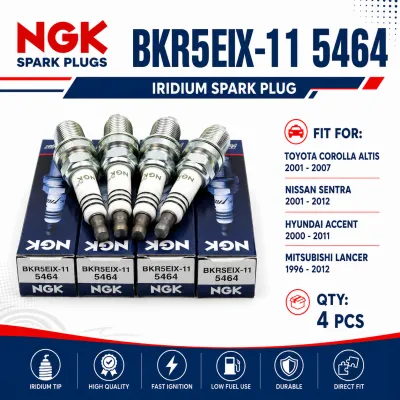
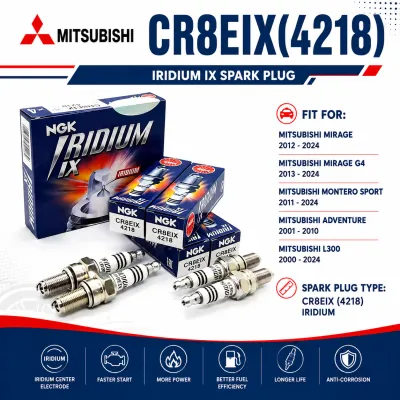
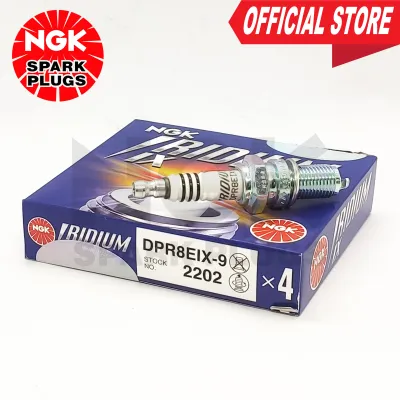
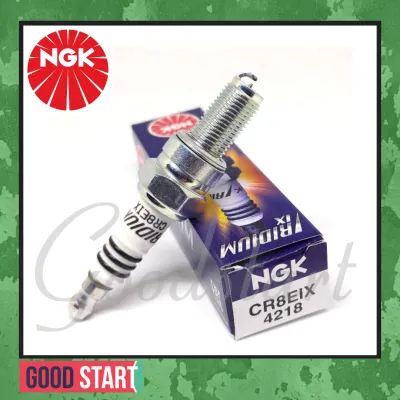
Prices are valid at publication and may change. Please refer to the product page for the latest price.
Installing a counterfeit spark plug poses severe risks to your vehicle’s engine. Legitimate iridium plugs are engineered to withstand extreme combustion temperatures and pressures. Counterfeits, however, are manufactured using cheap, low-grade alloys and inferior ceramics that degrade rapidly. This degradation leads to immediate performance issues, including poor fuel economy, persistent engine misfires, rough idling, and difficulty starting the vehicle in cold or highly humid conditions.
In worst-case scenarios, a fake spark plug can cause catastrophic engine failure. The inferior metal used for the center or ground electrode can melt under normal operating temperatures, dropping metallic debris directly into the combustion chamber. Similarly, the low-grade ceramic insulator can crack and shatter, sending hard ceramic fragments into the cylinder. These fragments can instantly score cylinder walls, damage pistons, bend valves, and result in an engine rebuild costing tens of thousands of pesos.
Identifying an NGK Spark Plug Original Iridium: Key Visual and Physical Markers
To protect your engine, you must perform a structured physical inspection before installing any new spark plug. Genuine NGK spark plugs are manufactured to exceptionally high tolerances using advanced industrial processes. By understanding what an authentic plug looks like, you can quickly identify the subtle manufacturing flaws that expose a counterfeit product.

Before beginning your inspection, always check your vehicle’s owner’s manual to verify the exact part number, thread dimensions, and heat range required for your specific engine model and year. Installing a plug with the wrong specifications—even if it is a genuine NGK product—can lead to poor performance or physical engine damage. Once you have confirmed the correct part number, use the following visual and physical markers to verify authenticity.
Packaging and Box Details
Authentic NGK packaging is the first line of defense against counterfeits. Genuine boxes are constructed from sturdy, high-density cardboard that resists crushing and maintains its shape. The printing on the box is exceptionally sharp, with high-contrast text, accurate color reproduction, and clean alignment. The iconic yellow, blue, and red colors of the NGK logo are vibrant and do not bleed or appear faded.
Inspect the box for specific security features and import labels. Depending on the distribution channel in the Philippines, genuine packaging often features clear holographic stickers, tamper-evident seals, or localized distributor labels containing batch and import information. The barcodes and part numbers printed on the exterior must be perfectly legible, without any smudging or blurry edges.
Crucially, you must verify that the alphanumeric part number printed on the box matches the part number etched into the metal shell of the spark plug itself. Counterfeiters often pack generic fake plugs into boxes printed with premium part numbers. Any spelling mistakes, grammatical errors, or misaligned fonts on the packaging are immediate indicators of a counterfeit product.
Electrode and Ceramic Insulator Quality
The core of an iridium spark plug is its electrode design. A genuine NGK iridium plug features an ultra-fine center electrode tip made of precious iridium alloy, which has an extremely high melting point. This tip is incredibly thin—typically measuring around 0.6mm in diameter—and is perfectly centered. The laser-welding process used to attach the iridium tip to the core leaves a tiny, neat, and uniform weld collar at the base of the tip.
The ceramic insulator of an authentic plug is made of high-grade, high-alumina ceramic, designed to insulate high voltages and transfer heat away from the combustion chamber. It should be a clean, pure white color with a smooth, glossy glaze. The ribbed sections must be perfectly uniform, and there should be absolutely no visible longitudinal mold lines, surface pitting, or rough patches on the ceramic body.
Examine the ground electrode positioned over the center tip. On a genuine plug, the ground electrode is cleanly cut with sharp, square edges and is perfectly aligned with the center electrode. The spark gap must be consistent and set to the exact factory specification. The welding holding the ground electrode to the metal shell is smooth, clean, and free of splatter or excess slag.
Terminal and Threading Specifications
The metal shell of a genuine spark plug showcases superior machining. Genuine NGK plugs feature rolled threads, which are formed by compressing the metal rather than cutting it. Rolled threads are incredibly smooth, uniform, and completely free of sharp edges, burrs, or loose metal shavings. This ensures the plug threads smoothly into your engine’s aluminum cylinder head without causing thread damage.
Look closely at the markings on the metal hex portion of the plug. Authentic part numbers, batch codes, and country-of-origin markings are cleanly stamped or laser-etched into the metal shell. The lettering is crisp, perfectly aligned, and deep enough to remain legible even after exposure to heat. These markings cannot be scraped off, smudged, or rubbed away with your finger.
Finally, inspect the terminal nut at the top of the plug and the crush washer at the base of the threads. The terminal nut features a high-quality, uniform finish and is securely attached to the plug. The crush washer (or gasket) on a genuine plug is captive; it is designed so that it cannot be easily screwed off or slid down the threads without using destructive force. The washer should feel solid and require significant pressure to compress during installation.
Common Red Flags in Counterfeit NGK Spark Plugs
When comparing a suspected counterfeit plug to a known genuine item, several common manufacturing flaws and visual discrepancies typically stand out. Counterfeiters operate with low-budget machinery and cheap materials, resulting in distinct red flags:
- Electrode Flaws: The center electrode on a fake plug is often thick, blunt, and made of cheap nickel alloy rather than fine-wire iridium. The tip may be crooked, misaligned with the ground electrode, or show messy, blob-like solder joints at the base.
- Ceramic Defects: The ceramic insulator on a counterfeit is frequently a dull, yellowish, or off-white color. You will often find highly visible, rough longitudinal mold lines running down opposite sides of the insulator, indicating cheap two-part molding processes.
- Threading Issues: Fake plugs typically feature cut threads that feel rough to the touch. They often have jagged edges, flat spots, or tiny metal shavings clinging to the threads, which can easily strip or damage the delicate threads of your engine's cylinder head.
- Marking and Print Errors: The branding and part numbers printed on the ceramic portion of a fake plug are often crooked, smudged, or use incorrect fonts. This ink is often low-quality and can be easily scratched off with a fingernail or rubbed away with a drop of rubbing alcohol.
- Packaging Anomalies: Fake boxes are made of flimsy, low-grade cardboard that creases and tears easily. The colors are often washed out, the text may be blurry, and you may find spelling errors in the safety warnings or manufacturer addresses.
- Washer and Nut Quality: The crush washer on a counterfeit plug is often loose and can be easily threaded off the plug body. The terminal nut may have a rough, uneven finish, may wiggle when touched, or may strip easily under tension.
Official Verification Methods and Tools
To combat the spread of counterfeit parts, digital verification tools have been introduced on certain product lines. If your NGK packaging features a security label with a QR code or scratch-off verification code, you can use your smartphone to scan it. This code should direct you to an official verification portal that confirms the authenticity of the specific batch.
However, you must exercise caution when using digital scans. Sophisticated counterfeiters have been known to copy legitimate QR codes and print them on thousands of fake packages. When you scan the code, pay close attention to the browser’s address bar. Ensure that the destination URL points directly to the official, verified NGK domain and not a third-party clone site designed to mimic the official verification page.
You can also verify the batch code stamped on the metal hex portion of the spark plug. If you suspect the plug is fake, you can contact official NGK distributors in the Philippines or reach out directly to NGK’s official local customer support channels to verify if the batch code is valid and matches the product type.
Always remember the safety boundary: no single visual check, physical measurement, or digital scan is 100% foolproof on its own. Counterfeiters continuously update their packaging and manufacturing methods to bypass basic checks. The most reliable way to ensure your vehicle’s safety and performance is to combine a rigorous physical inspection with sourcing your parts exclusively from trusted, authorized sellers.
Where to Buy Genuine NGK Spark Plugs Safely
To minimize the risk of purchasing counterfeit ignition components, you must be highly selective about your purchasing channels. Buying from unverified sources to save a few pesos often leads to catastrophic engine damage that costs significantly more to repair.
In the Philippines, always prioritize purchasing from authorized NGK distributors, established physical auto parts supply stores, and reputable, certified service centers. If you are purchasing from a local physical store, do not hesitate to ask the shop owner for their distributor certification or proof of official sourcing.
When navigating online marketplaces, follow these strict guidelines to avoid fake listings:
- Look for Official Badges: Only purchase from official brand flagship stores or highly rated sellers with verified platform badges (such as "Mall" or "Preferred" status).
- Examine Customer Reviews: Scroll through the product reviews and look for detailed feedback from other buyers. Prioritize reviews that include clear, high-resolution photos of the actual product packaging, the electrode tip, and the metal threads.
- Avoid Suspiciously Low Prices: Genuine NGK iridium spark plugs are premium products manufactured using expensive precious metals. If an online listing offers a set of four iridium plugs for a price that is drastically lower than the standard market rate—such as ₱300 to ₱500 for a complete set—it is almost certainly a counterfeit. A single genuine iridium plug typically costs several hundred pesos.
- Check the Return Policy: Ensure the seller offers a clear, hassle-free return policy and an explicit authenticity guarantee. This allows you to return the product immediately if it fails your physical inspection upon delivery.
What to Do If You Suspect a Counterfeit Purchase
If you have purchased a spark plug and suspect it is counterfeit, do not attempt to install it in your vehicle. Threading a low-quality, structurally weak plug into your engine can lead to stripped cylinder head threads, severe misfires, or catastrophic internal engine failure once the vehicle is started.
Begin by documenting the discrepancies immediately. Take clear, high-resolution photos and videos of the packaging flaws, the thick or crooked electrode, the rough threads, the loose crush washer, and any smudging on the ceramic print. If you have an old, verified genuine plug on hand, take side-by-side comparison photos to clearly highlight the differences.
Next, initiate a formal return and refund request through the e-commerce platform where you made the purchase. Select “Counterfeit product” or “Item not as described” as your reason for return, and upload your documented photo and video evidence to support your claim. Do not agree to close the dispute or accept partial refunds outside of the platform’s official channels.
Report the seller’s listing to the platform administrators to help prevent other local motorists from purchasing dangerous counterfeits. If you encounter a persistent seller or suffer significant financial loss due to counterfeit automotive parts, you can file a formal consumer complaint with the Department of Trade and Industry (DTI) of the Philippines to seek mediation and resolution.
Frequently Asked Questions (FAQ)
Can I test a spark plug's authenticity by checking its resistance with a multimeter?
While a multimeter can measure the electrical resistance of the spark plug’s internal resistor to see if it falls within the manufacturer’s specified range (typically around 5,000 ohms), this test is not completely definitive. Some sophisticated counterfeit plugs can mimic the correct resistance readings. A multimeter test cannot verify the metallurgical quality of the iridium tip, the strength of the ceramic insulator, or the precision of the thread-rolling process.
Do fake NGK iridium spark plugs always cause immediate engine failure?
No, engine failure is not always immediate. A counterfeit spark plug may function initially, but its low-grade materials will degrade rapidly under the extreme heat and pressure of the combustion chamber. Over time, you will experience a gradual loss of fuel efficiency, rough idling, and frequent misfires. Eventually, the cheap electrode can melt or the low-grade ceramic can crack and break apart, leading to sudden, catastrophic engine damage.
Is a lower price always an indicator of a counterfeit spark plug?
While authorized dealers may occasionally run promotional sales or offer modest bulk discounts, an extremely low price is the most reliable warning sign of a counterfeit product. If the retail price of a spark plug is 50% or more below the standard market rate at established local auto supply stores in the Philippines, the product is highly likely to be a fake made with inferior materials.
Community discussion
Share your experience or ask a question. Comments are reviewed before publication.