
Finding a genuine NGK spark plug in the Philippines requires a combination of physical inspection, packaging verification, and purchasing from authorized sources. Counterfeit spark plugs are common on online marketplaces and unauthorized local shops, making it essential to know what details to check before installing them in your engine.
Why Counterfeit Spark Plugs Pose a Risk to Your Engine
Using a counterfeit spark plug can lead to catastrophic engine failure. Genuine spark plugs are engineered to withstand extreme temperatures and pressures inside the combustion chamber. Counterfeit versions often use inferior materials, such as low-grade steel or weak ceramic, which cannot dissipate heat effectively. This can cause the electrode to melt or the ceramic insulator to crack and drop debris directly into the cylinder, leading to severe internal engine damage.
In daily driving, a fake spark plug frequently causes engine misfires, poor fuel economy, and rough idling. In the Philippines, where stop-and-go traffic in urban areas combined with high tropical humidity puts extra stress on the ignition system, a failing spark plug can cause your vehicle to stall unexpectedly. Stalling on a busy highway or in the middle of an intersection presents a severe safety hazard to you and other motorists.
Products mentioned in this guide
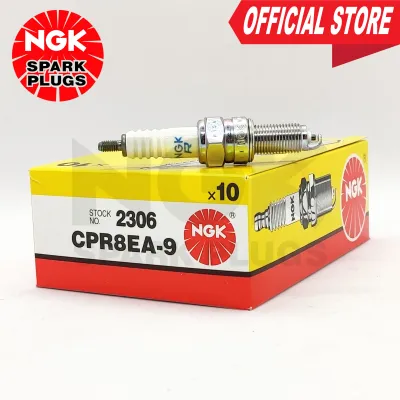
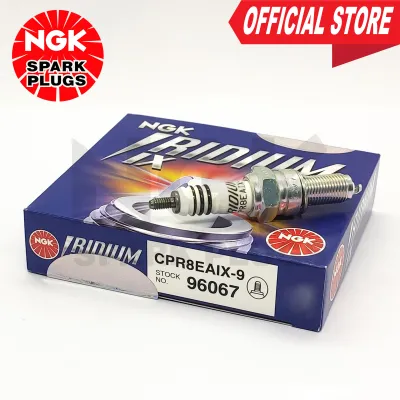
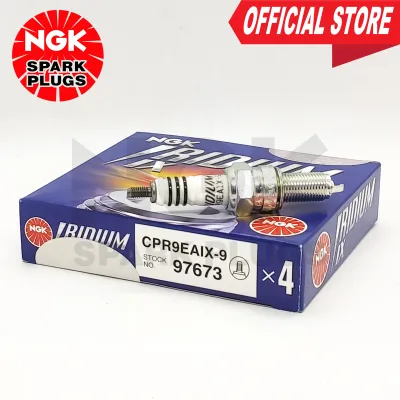
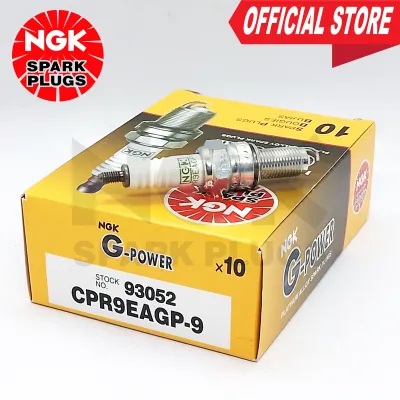
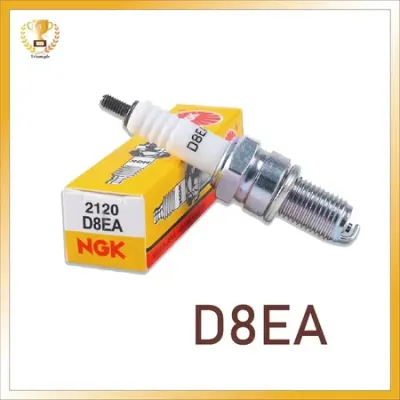
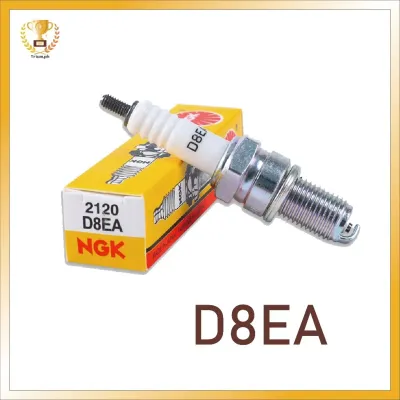
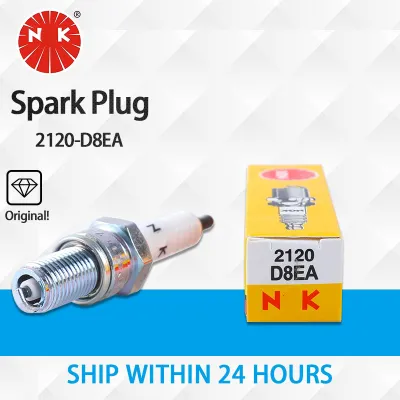
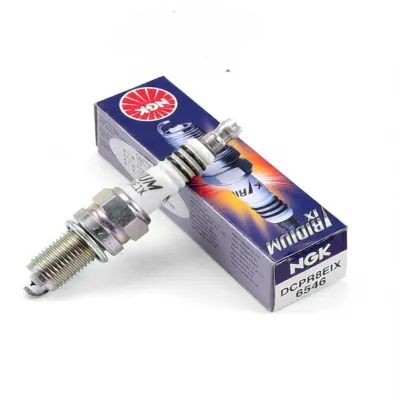
Prices are valid at publication and may change. Please refer to the product page for the latest price.
While counterfeit plugs are often sold at a fraction of the cost of genuine ones, the financial consequences of using them are disproportionately high. Saving a few hundred Pesos on a cheap ignition component can result in repair bills worth tens of thousands of Pesos for a complete engine overhaul. Investing time in verifying authenticity is a simple preventive measure that protects both your vehicle and your wallet.
Visual and Physical Checks to Identify Genuine NGK Spark Plugs
Identifying a genuine NGK spark plug requires a close, methodical inspection of the physical product. Before attempting any installation, you should compare the spark plug in hand against the official specifications and images provided in the manufacturer’s product catalogs. Counterfeiters have become highly skilled at replicating the general appearance of genuine parts, but they often fail to match the precise manufacturing tolerances and high-quality finishes of authentic components.

Packaging and Labeling Inspection
The first line of defense is the exterior packaging. Genuine NGK boxes are printed with high-quality, sharp graphics and consistent color schemes. Inspect the box closely for any typographical errors, blurry text, or misaligned logos, which are common indicators of cheap printing processes used by counterfeiters. The cardboard itself should feel sturdy and well-constructed, rather than flimsy or easily crushed.
Next, verify the part number printed on the box. This alphanumeric code must match the official catalog designation for your specific vehicle make, model, and engine year. Counterfeiters often print generic or non-existent part numbers on their packaging, or they may use a single part number across various plug types that do not match the actual plug inside.
Additionally, look for official security features such as regional holographic stickers or specific batch codes. However, keep in mind that security labels can vary depending on the manufacturing plant and the region for which the product was packaged. A security sticker alone is not absolute proof of authenticity, as sophisticated counterfeiters can replicate basic holographic designs. It must always be evaluated alongside physical checks of the plug itself.
Build Quality and Electrode Examination
Once you remove the spark plug from its packaging, inspect the ceramic insulator. On a genuine NGK spark plug, the ceramic is smooth, uniform, and features clean, well-defined ribs designed to prevent electrical flashover. The printed brand name and part number on the ceramic should be perfectly legible, centered, and resistant to scratching or smudging.
Examine the metal shell and the threading. Genuine threads are rolled, not cut, resulting in a smooth, precise finish without any sharp burrs, rough edges, or flat spots. If the threads look uneven or feel rough to the touch, the plug is likely a counterfeit. The metal shell should also have a consistent, bright zinc or nickel plating that protects against corrosion in humid tropical climates.
The electrodes require the most critical inspection. The center electrode must be perfectly aligned with the ground electrode, and the welding joint connecting them must be clean and robust. Check the gap between the electrodes; while you should verify the exact gap specification using your vehicle’s original service manual, a visibly crooked or unevenly spaced electrode is a clear sign of poor manufacturing.
Because spark plugs are critical electrical and mechanical components, installing an incorrect or poorly manufactured plug can compromise vehicle safety and emissions. Always refer to your vehicle manufacturer’s original instructions for the correct torque specifications and gap settings. If you are unfamiliar with the disassembly and installation process, or if you lack the proper tools like a calibrated torque wrench, seek the assistance of a qualified professional mechanic to perform the replacement.
How to Verify Authenticity Through Official Channels
To confirm whether your spark plug is genuine, utilize the official verification tools provided by the manufacturer. Many modern NGK product lines feature unique verification codes, QR codes, or scratch-off labels on the packaging. Follow the instructions printed on the box exactly to scan or input these codes on the official manufacturer website. These systems are designed to flag codes that have been scanned multiple times, which is a common occurrence with copied counterfeit packaging.
You can also cross-reference the physical characteristics of the plug with the official global or regional online catalogs. Check the exact dimensions, thread length, hex size, and electrode material specified for your part number. If the physical plug in your hand deviates from these official specifications in any way, do not install it.
If you remain uncertain after performing these checks, consult an authorized local distributor or a certified mechanic. Authorized distributors have direct access to manufacturer support and can quickly identify subtle differences in manufacturing batches. Having a professional physically inspect the part provides an extra layer of assurance before you commit to installing it in your engine.
Choosing Reliable Purchasing Channels
The most effective way to avoid counterfeit automotive consumables is to buy exclusively from reputable and authorized channels. Prioritize established local auto supply shops that have a long-standing reputation in your community, or purchase directly from official brand stores on major online marketplaces. These sellers are subject to stricter quality controls and are far more likely to source their inventory directly from authorized importers.
When shopping on ecommerce platforms, carefully evaluate third-party sellers before making a purchase. Check the seller’s historical ratings, read verified buyer reviews, and look for photos uploaded by previous customers showing the actual product received. Be cautious of shops with very few ratings, high volumes of negative feedback regarding part fitment, or restrictive return policies that make it difficult to secure a refund for defective items.
Pricing is another critical indicator. While everyone appreciates a good deal, prices that are significantly lower than the standard market rate should immediately raise suspicion. For example, if a seller offers a bulk pack of premium spark plugs in ₱ at a price that seems too low to cover basic manufacturing and shipping costs, the products are highly likely to be counterfeit. Genuine high-performance spark plugs, such as those utilizing iridium or platinum, require expensive raw materials and precise manufacturing, which naturally reflects in their retail price.
What to Do If You Suspect a Counterfeit Purchase
If you suspect that you have purchased a counterfeit spark plug, the most important step is to immediately halt the installation. Do not attempt to run your engine with a suspected fake plug, even for a short test drive. The risk of sudden mechanical failure, electrical shorting, or physical damage to your engine cylinders is not worth the minor convenience of completing the job immediately.
Next, thoroughly document your purchase to build a strong case for a refund or report. Take clear, high-resolution photos of the packaging from all angles, focusing on any printing defects, blurry text, or incorrect labels. Photograph the spark plug itself, highlighting the areas of concern such as misaligned electrodes, rough threads, or poor ceramic printing. Keep your physical receipt, invoice, and a screenshot of the online seller’s listing and transaction details.
Initiate a return or refund request through the online marketplace or directly with the local store where you bought the item, citing counterfeit goods as the reason. Most reputable ecommerce platforms have buyer protection policies that cover counterfeit products if you provide sufficient photographic evidence. Additionally, consider reporting the seller to the Department of Trade and Industry (DTI) or other relevant consumer protection agencies in the Philippines to help prevent other motorists from purchasing dangerous counterfeit parts.
Frequently Asked Questions (FAQ)
Can I rely solely on the price to identify a fake NGK spark plug?
No, price alone is not a definitive indicator of authenticity. While an exceptionally low price in ₱ is a major red flag, some sophisticated counterfeiters price their fake products close to the standard retail rate of genuine plugs to avoid raising suspicion. Therefore, you must always combine price evaluation with a thorough physical inspection of the packaging, the build quality of the plug, and the reputation of the seller.
Do all genuine NGK spark plugs come with a holographic sticker?
No, not all genuine NGK spark plugs feature a holographic sticker. Security features, packaging designs, and labeling standards vary significantly depending on the manufacturing plant, the specific product line, and the target market region. To avoid false assumptions, always consult the current official packaging guidelines provided by the manufacturer for your specific region, rather than relying on a single visual element as absolute proof of authenticity.
Community discussion
Share your experience or ask a question. Comments are reviewed before publication.