
Identifying genuine nissan cvt fluid ns2 is a critical task for any car owner looking to protect their vehicle’s continuously variable transmission (CVT). With counterfeit automotive fluids becoming increasingly sophisticated on local online marketplaces and third-party supply shops, distinguishing an authentic bottle from a dangerous imitation requires close inspection. Using counterfeit fluid can lead to catastrophic transmission failure, turning a routine maintenance step into an incredibly expensive repair. To safeguard your vehicle, you must systematically examine the bottle’s physical construction, label details, batch code engraving, and the sensory properties of the fluid itself.
Always check the applied product’s label and your vehicle manufacturer’s instructions before performing any fluid change. If the instructions on the fluid bottle conflict with your vehicle’s owner’s manual, stop immediately and consult the manufacturer or a qualified professional. Never infer compatibility simply from a category term; always verify your vehicle model, year, and specific transmission interface using official documentation.
Why Authentic Nissan CVT Fluid NS-2 Matters for Your Transmission
Nissan’s continuously variable transmissions are highly sensitive, complex systems that operate under extreme hydraulic pressure and heat. Unlike traditional automatic transmissions that rely on gears, a CVT uses a steel belt or chain moving between two adjustable pulleys to deliver seamless gear ratio transitions. This intricate mechanism relies entirely on the precise chemical formulation of nissan cvt fluid ns2 to maintain the correct coefficient of friction. The fluid must provide enough lubrication to protect the moving parts from wear, while simultaneously offering enough grip to prevent the steel belt from slipping against the smooth metal pulleys.
Products mentioned in this guide
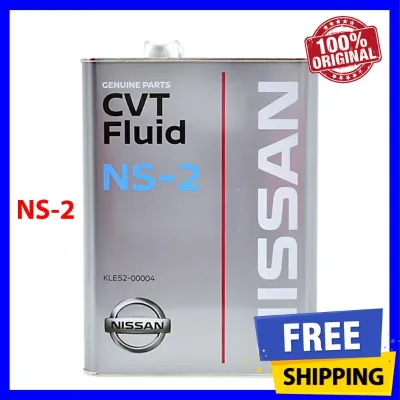
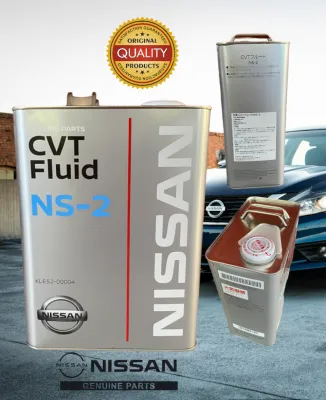
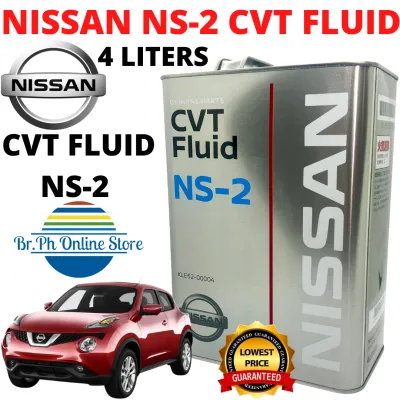
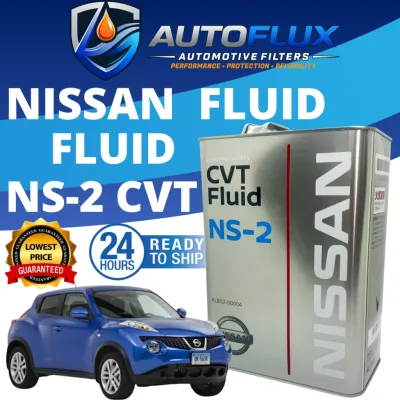
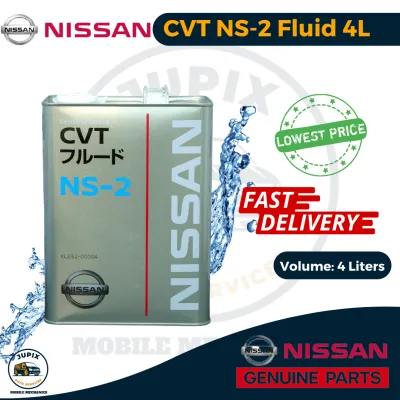
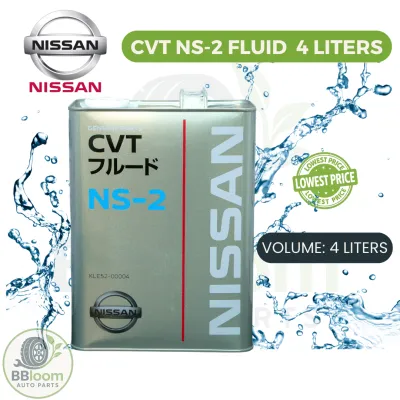
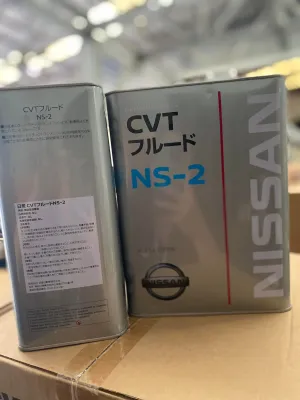
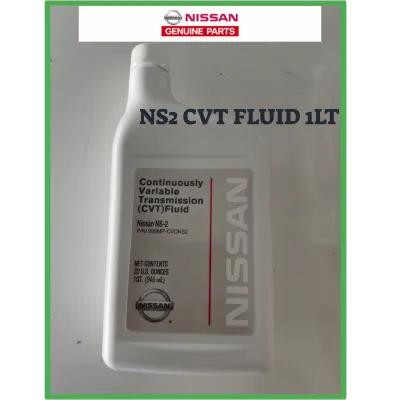
Prices are valid at publication and may change. Please refer to the product page for the latest price.
Counterfeit fluids are typically formulated using cheap, low-grade base oils and generic additive packages that completely lack these specific friction modifiers and viscosity characteristics. When a non-genuine fluid is introduced into the system, the steel belt can begin to slip, causing immediate metal-on-metal friction. This slippage generates extreme heat, which rapidly degrades the remaining fluid and leads to severe shuddering, delayed acceleration, and eventually, the complete destruction of the transmission pulleys.
In tropical climates like the Philippines, where vehicles frequently face intense summer heat, high humidity, and grueling stop-and-go traffic, the transmission is already operating under elevated stress. Under these harsh environmental conditions, the thermal stability of your transmission fluid is your primary line of defense. Genuine NS-2 fluid is engineered to withstand these thermal demands without breaking down, whereas counterfeit alternatives degrade almost immediately, leaving your transmission vulnerable to catastrophic failure.
Packaging and Label Details of Genuine Nissan NS-2
Before you open the container, a meticulous inspection of the packaging can reveal key indicators of authenticity. Genuine Nissan parts and fluids are manufactured to strict quality control standards, which are reflected in the build quality of the bottle itself. Start by examining the plastic container. An authentic bottle of nissan cvt fluid ns2 is made from high-density, sturdy plastic with a consistent, uniform thickness. The molded seams along the sides and bottom of the bottle should be clean, smooth, and free of excess plastic flash, rough edges, or signs of manual trimming. If the bottle feels flimsy, flexes excessively under light hand pressure, or shows signs of leaking around the seams, it is highly likely a counterfeit.

Next, inspect the cap and the tamper-evident seal. Genuine bottles feature a precision-molded cap that seals tightly to prevent any moisture or air from entering the container. The tamper-evident plastic ring below the cap must be completely intact and securely attached; if the ring is loose, cracked, or missing entirely, the product has been compromised. While cap colors can occasionally vary depending on the production facility, regional market, or specific manufacturing batch, you should cross-reference the packaging details with official Nissan parts catalogs or consult an authorized dealer to verify the correct cap style for your specific bottle.
The label printing is another critical area where counterfeiters often cut corners to save on production costs. Genuine labels feature high-resolution, razor-sharp text and perfectly aligned logos with rich, accurate colors. The official Nissan logo must be crisp, with no blurring, color bleeding, or pixelated edges. Carefully read all the text on both the front and back labels; counterfeit products frequently contain subtle spelling mistakes, grammatical errors, or incorrect spacing. Ensure that the part numbers listed on the bottle, such as KLE52-00001 or its regional equivalents, match the exact specifications outlined in your vehicle’s service manual.
Finally, examine the batch codes and manufacturing dates printed on the container. On an authentic bottle, this information is typically dot-matrix printed or laser-etched directly onto the plastic surface, usually near the bottom or on the back of the bottle. This text should be sharp, legible, and highly resistant to wear. If you can easily rub the batch code off with your thumb, or if the print looks smudged, uneven, or completely missing, the bottle is highly suspicious.
Physical Characteristics: Color, Viscosity, and Smell
If you have already purchased the fluid and want to verify its authenticity before pouring it into your vehicle, you can perform a sensory inspection of the liquid itself. Always wear protective nitrile gloves and safety glasses when handling automotive fluids, and avoid any prolonged skin contact. To inspect the fluid, pour a small amount into a clean, clear glass container.
The color of genuine nissan cvt fluid ns2 is highly distinctive. It typically exhibits a clear, vibrant green hue. This green coloration is specifically designed to help technicians distinguish it from traditional automatic transmission fluid (ATF), which is usually red, and newer formulations like Nissan NS-3, which has a different blue-green shade. If the fluid you pour out is amber, yellow, deep blue, or bright red, do not use it. Compare the color of your fluid against a known genuine sample or official technical documentation from Nissan before proceeding.
Viscosity and clarity are equally important indicators of quality. Genuine NS-2 fluid has a smooth, consistent, and relatively thin viscosity that flows easily at room temperature. The liquid must be completely transparent and free of any suspended particles, cloudiness, bubbles, or phase separation. If you observe any sediment settling at the bottom of your container, or if the fluid appears milky or hazy, it is a clear sign of contamination or an inferior chemical formulation.
The smell of the fluid can also provide valuable clues. Genuine Nissan transmission fluid has a mild, distinct petroleum and chemical odor that is characteristic of high-quality base oils and specialized additives. It should not smell excessively harsh, sweet, or burnt. Counterfeit fluids, which often use recycled motor oil or cheap industrial lubricants, frequently emit a strong, acrid, burnt smell, or may be heavily perfumed with artificial scents to mask the odor of low-grade ingredients. If the smell of the fluid is overwhelmingly offensive or smells like burnt rubber, keep it far away from your transmission.
Common Red Flags of Fake Nissan CVT Fluid NS-2
Recognizing the common patterns of counterfeit automotive products can help you quickly spot a fake before making a purchase. Counterfeiters rely on high-volume, low-cost production methods, which inevitably leave behind telltale physical and commercial flaws. By keeping a checklist of these red flags, you can protect your vehicle and your wallet.
Physical flaws on the container are often the easiest to spot. Look out for misshapen or asymmetrical bottles, poorly aligned or bubbling labels, and caps that do not sit flush against the neck of the bottle. Faded printing, blurry logos, and the use of incorrect, generic fonts are also major warning signs. Some genuine Nissan fluid containers feature specific holographic security stickers or regional distributor seals; if these are missing, peeling, or lack the characteristic color-shifting properties when tilted in the light, exercise extreme caution.
Inside the bottle, fluid flaws such as an unusually dark or muddy green color, visible cloudiness, or tiny dark particles floating in the liquid are immediate grounds for rejection. Commercially, the most obvious red flag is a suspiciously low price. Authentic nissan cvt fluid ns2 is a specialized, high-performance product that commands a premium price due to its advanced additive package. In the local market, genuine NS-2 typically retails within a specific price band at authorized dealers. If you find a seller on an online marketplace offering a bottle for ₱300 to ₱500 when authorized dealers charge significantly more, the product is almost certainly a counterfeit. Remember, while a single visual flaw might occasionally be a minor manufacturing variance, the presence of multiple red flags is a definitive warning to walk away.
Verification Steps and Safe Purchasing Channels in the Philippines
To completely eliminate the risk of purchasing counterfeit nissan cvt fluid ns2, you must be highly selective about where you buy your automotive consumables. The safest and most reliable way to purchase genuine fluid is directly from official Nissan dealerships or authorized service centers. These establishments source their inventory directly from Nissan’s official distribution network, ensuring absolute product integrity and preserving your vehicle’s warranty.
If you prefer to shop online, only purchase from verified official brand stores or highly rated flagship shops on reputable e-commerce platforms. Avoid unverified third-party sellers on online marketplaces, especially those offering deep discounts, clearance sales, or claiming to sell “factory direct” or “overstock” items without any verifiable proof of authorization. Many of these sellers operate under temporary profiles and disappear once negative reviews start accumulating.
When buying from an independent auto parts store, take proactive verification steps. Ask the seller directly for proof of authorization or invoices demonstrating their supply chain origin. When your order arrives, carefully compare the batch code format and label design against a bottle purchased directly from a dealership. In the local market, genuine imported fluids often feature specific distributor stickers or customs clearance labels; check for these markings to verify the product’s legitimate entry into the country.
Always keep your official sales receipts, and take clear, high-resolution photographs of the bottle’s batch codes, labels, and seals immediately upon delivery. This documentation is essential if you need to file a return, claim a refund, or report a fraudulent seller to local consumer protection agencies.
What to Do If You Suspect Counterfeit Fluid
If you suspect that the fluid you have purchased is counterfeit, your immediate priority must be protecting your vehicle’s transmission from damage. If the fluid is still in the bottle, do not open it further and do not attempt to pour it into your vehicle. Stop the maintenance process immediately and store the bottle in a safe place to preserve it as evidence.
If you have already poured the suspected counterfeit fluid into your transmission but have not yet started the engine, do not turn the key. Starting the engine will activate the transmission pump, drawing the contaminated fluid deep into the valve body, torque converter, and pulley system. Instead, have the vehicle towed to a professional service center where the transmission can be safely drained and flushed.
If the vehicle has already been driven with the suspected fake fluid, you must act quickly. Stop driving immediately and have the vehicle transported to a qualified Nissan technician or an authorized service center. The technician will need to perform a complete transmission flush using genuine nissan cvt fluid ns2 to thoroughly remove all traces of the counterfeit product. They should also inspect the oil pan, magnets, and filters for any signs of premature wear or metal debris.
To protect other motorists, report the fraudulent seller to the e-commerce platform where you made the purchase, providing your photos and receipts as evidence. You can also file a formal complaint with local consumer protection authorities, such as the Department of Trade and Industry (DTI), to help remove dangerous counterfeit automotive products from the market.
Frequently Asked Questions (FAQ)
Can I use Nissan NS-3 fluid instead of NS-2?
No, you should not use Nissan NS-3 fluid in a transmission designed specifically for NS-2 unless explicitly approved by Nissan for your exact vehicle model and year. Nissan NS-3 is formulated for newer generation CVT models and possesses significantly different viscosity, thermal properties, and friction characteristics compared to NS-2. Using the wrong fluid type can alter shifting behavior, cause belt slippage, and lead to internal transmission damage. Always verify your vehicle’s exact requirements by checking your owner’s manual or consulting an authorized Nissan service center before purchasing any fluid.
How often should genuine Nissan CVT Fluid NS-2 be changed?
The replacement interval for genuine nissan cvt fluid ns2 depends heavily on your specific vehicle model, driving habits, and environmental conditions. While some general guidelines suggest checking the fluid every 30,000 to 40,000 kilometers, driving in harsh tropical climates with high humidity and constant stop-and-go traffic—such as daily commuting in major Philippine cities—places extreme stress on the fluid. This severe operating environment can accelerate fluid degradation. To ensure optimal transmission health, strictly follow the maintenance schedule outlined in your vehicle’s owner’s manual, or have an authorized Nissan technician inspect the fluid’s condition and degradation level during your regular service intervals.
Community discussion
Share your experience or ask a question. Comments are reviewed before publication.