
A reliable braking system is your primary line of defense on the road. When replacing your vehicle’s master cylinder, ensuring the authenticity of a nissin brake master set is a matter of direct physical safety. Counterfeit automotive parts have flooded online marketplaces and informal shops, presenting a massive risk to unsuspecting drivers and riders. Spotting a fake Nissin brake master set requires a systematic inspection of the packaging typography, casting quality, rubber seal flexibility, and stamping precision before any installation attempt.
Before purchasing or operating any new brake component, verify your vehicle’s exact model, year, interface dimensions, mounting position, road legality, and safety impact using the specific product and vehicle documentation. Because hydraulic braking systems operate under extreme pressure, always consult your vehicle’s original manufacturer instructions and have any installation or maintenance performed by a qualified professional mechanic.
Why Fake Brake Master Cylinders Are a Critical Safety Risk
The brake master cylinder serves as the heart of your vehicle’s hydraulic braking system. When you press the brake pedal or squeeze the lever, the master cylinder converts this mechanical force into hydraulic pressure, forcing brake fluid through the lines to actuate the calipers or drums. If this component fails, the entire braking system is compromised, leading to a catastrophic loss of stopping power.
Products mentioned in this guide
![[Fast Delivery] Universal Nissin Brake Master Left and Right Set E2 E3 B22 for HONDAVARIO150 CLICK150](https://img.lazcdn.com/g/p/3e56a52fb4766f292778afc14dc2a66b.jpg_400x400q80.jpg_.webp)
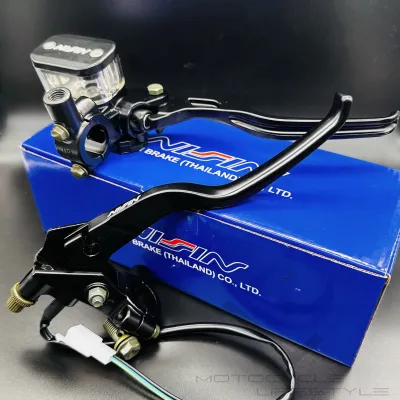
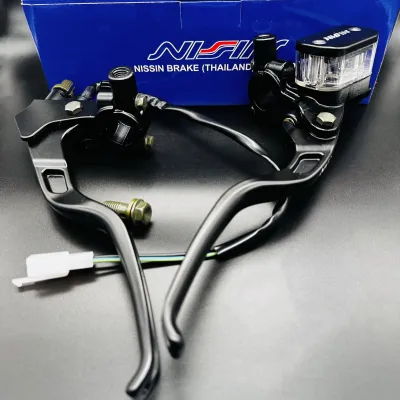
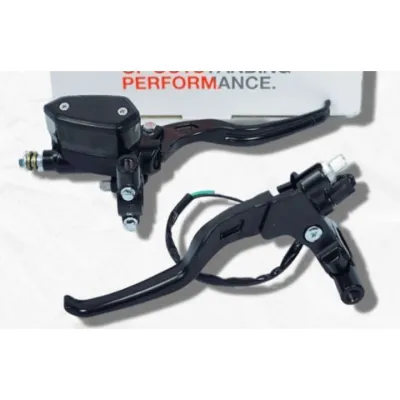
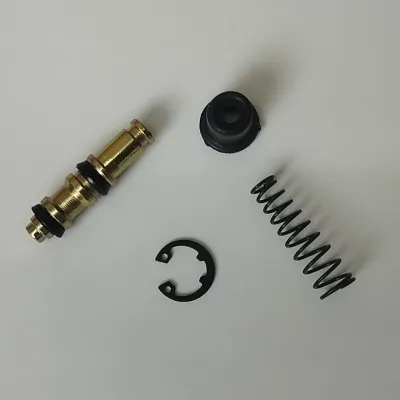
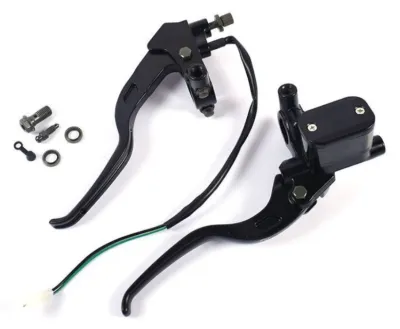
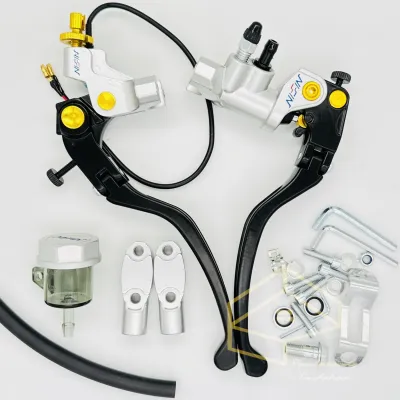
Prices are valid at publication and may change. Please refer to the product page for the latest price.
Counterfeit brake master sets utilize substandard materials that cannot withstand the high pressures of daily driving. The most common failure point is the internal rubber seals. While genuine Nissin seals are engineered to resist degradation from glycol-based brake fluids and high operating temperatures, fake seals often degrade rapidly. This degradation leads to internal fluid bypass, where the piston moves but pressure is not maintained, resulting in a spongy pedal or lever that sinks completely to the floor without slowing the vehicle.
In the Philippines, these risks are magnified by local driving conditions. Stop-and-go traffic in dense urban centers like Metro Manila, combined with high ambient heat and tropical humidity, puts immense thermal stress on your braking system. Constant braking in heavy traffic raises fluid temperatures significantly. Under these conditions, a fake master cylinder with poor metallurgical tolerances can warp, or its low-grade fluid reservoir can crack, leading to sudden fluid loss.
While a counterfeit master cylinder might look polished and functional on a retail shelf, it lacks the precise engineering required for emergency stopping scenarios. A sudden obstacle on the highway requires immediate, high-pressure hydraulic response. A counterfeit part’s failure under emergency loads can result in complete brake failure when you need it most, putting your life and the lives of others at risk.
How to Inspect Packaging and Labels for Authenticity
Evaluating the packaging is your first line of defense against counterfeit auto parts. Genuine Nissin products are shipped in high-quality, structurally sound cardboard boxes designed to protect the heavy metal components inside during transit. The cardboard of a genuine box is thick, rigid, and precisely folded, whereas counterfeit boxes often use thin, flimsy cardboard that easily collapses or warps under the weight of the master cylinder.

Pay close attention to the print quality and brand colors on the exterior of the box. Genuine Nissin packaging features sharp, high-contrast printing with accurate, consistent brand colors. Counterfeit packaging frequently exhibits fuzzy text, color bleeding, or off-key color tones due to low-cost printing processes. Inspect the Nissin logo carefully; look for any slight variations in font style, letter spacing, or alignment that indicate a poorly replicated design.
Labeling and barcode details are highly reliable markers of authenticity. Genuine boxes feature clean, professionally applied labels with clear, legible text, exact part numbers, and scannable barcodes. Counterfeit labels often show blurred fonts, uneven margins, or adhesive residue leaking from the edges. Ensure that the part number printed on the label matches the exact specifications of your vehicle model and year as detailed in your vehicle’s service manual.
Inside the packaging, look for the included documentation. Genuine Nissin brake master sets typically include clear, well-printed instruction sheets, safety warnings, or warranty registration cards. The text in genuine documentation is grammatically correct and clearly printed on quality paper. In contrast, fake sets often omit documentation entirely, or include poorly photocopied sheets with spelling errors, faint text, and distorted diagrams.
Additionally, look for security features such as holographic stickers or anti-counterfeit seals on the box opening. While these features are designed to deter counterfeiters, sophisticated operations can replicate basic holograms. Always cross-reference the current official packaging guidelines provided by the manufacturer, as security elements are updated periodically to stay ahead of counterfeiters.
Physical and Build Quality Markers of Genuine Nissin Parts
If the packaging passes initial inspection, the next step is a meticulous physical examination of the master cylinder itself. Genuine Nissin manufacturing processes adhere to strict quality control standards, leaving distinct physical markers that counterfeiters struggle to replicate.
Casting and Surface Finish
Examine the metal body of the master cylinder under bright, direct light. Genuine Nissin master cylinders are cast from high-grade aluminum or iron alloys, resulting in a clean, uniform surface finish. The casting lines should be smooth and barely noticeable, with no sharp edges, rough patches, or porous air pockets in the metal. Counterfeit parts are often cast in low-grade facilities, leaving rough, uneven textures, visible casting seams, and porous imperfections that compromise the structural integrity of the cylinder body under high pressure.
Engraving and Stamping Details
Inspect the branding and manufacturing codes stamped or cast directly into the metal body. Genuine Nissin parts feature crisp, deeply engraved, or precisely cast logos and part numbers with consistent font sizes and depths. The letters of the Nissin logo will be perfectly aligned and spaced. Counterfeit parts often feature shallow, blurry, or unevenly stamped logos. In some cases, the logo may look slightly distorted, or the font style may differ from official manufacturer specifications.
Rubber Components and Seals
The quality of the rubber components is a critical indicator of safety and authenticity. Examine the dust boots, reservoir grommets, and seals. Genuine Nissin rubber parts are highly flexible, smooth, and resilient, designed to maintain their seal under extreme temperatures and chemical exposure. Counterfeit sets often use cheap, stiff synthetic rubber or plastic-heavy compounds that feel rigid to the touch, exhibit rough molding flash, or emit a strong, unpleasant chemical odor. These low-grade materials quickly harden and crack, leading to immediate fluid leaks.
Thread Quality and Fluid Ports
Verify the precision of the threaded fluid ports where the brake lines connect. Genuine Nissin master cylinders feature clean, perfectly cut threads that allow the brake line fittings to thread smoothly by hand without binding. The interior of the fluid ports must be entirely free of metal shavings, debris, or casting residue. Counterfeit parts often have poorly tapped, rough threads that can easily cross-thread or strip during installation, and they may contain dangerous metal debris inside the ports that can contaminate your entire hydraulic system.
Fluid Reservoir and Cap Assembly
If your master set includes an integrated or separate plastic fluid reservoir, inspect the plastic quality and the cap assembly. Genuine reservoirs are made from high-grade, impact-resistant plastic with clear, legible fluid level markings. The reservoir cap should fit tightly, and the rubber diaphragm seal inside the cap must be perfectly formed to prevent moisture from entering the brake fluid. Counterfeit reservoirs often use brittle, cloudy plastic with uneven wall thicknesses and poorly fitting caps that allow fluid to seep out or moisture to seep in.
Red Flags: Pricing, Sellers, and Visual Defects to Avoid
Recognizing common market red flags can save you from purchasing a dangerous counterfeit component before you even handle the physical product.
Pricing Anomalies
Price is one of the most reliable indicators of authenticity. Genuine Nissin brake master sets are precision-engineered safety components with strict manufacturing, testing, and distribution costs. If you encounter a retail listing or a seller offering a “brand new” Nissin master set at a price significantly below the standard market rate in the Philippines—such as a price that seems too good to be true—it is almost certainly a counterfeit. Saving a few hundred Pesos is never worth compromising your vehicle’s stopping power.
Seller Behavior and Listing Descriptions
Be cautious of how sellers market their products. Counterfeiters often use deceptive language in their listings to avoid legal repercussions while tricking buyers. Red flags include terms like “OEM equivalent,” “Nissin type,” “high-quality copy,” or “class A.” A genuine part is simply labeled as genuine Nissin. Additionally, avoid sellers who refuse to provide clear, unedited, close-up photographs of the actual item in stock, or those who rely solely on low-resolution stock images downloaded from the internet.
Visual Defects and Signs of Refurbishment
Carefully inspect product photos or the physical item for obvious manufacturing shortcuts. Look for misspelled brand names on the box or the part itself, mismatched mounting hardware, or uneven paint and anodized finishes. Furthermore, watch out for refurbished or used parts being sold as brand new. Check for old fluid residue inside the ports, painted exteriors used to mask corrosion or wear, or microscopic scoring and wear on the pushrod. A genuine new part will be pristine, dry, and completely free of wear marks.
Trusted Purchasing Channels for Nissin Brake Parts in the Philippines
Minimizing your risk of purchasing counterfeit brake components requires a disciplined approach to choosing where you shop.
Authorized Distributors and Reputable Physical Shops
The safest way to purchase a genuine Nissin brake master set is through authorized distributors, official brand dealerships, or long-established, highly reputable physical auto parts stores. These businesses source their inventory directly from the manufacturer or official importers, ensuring a secure supply chain. Visiting a physical shop also allows you to inspect the packaging and the physical part in hand before handing over your payment.
Navigating Online Marketplaces Safely
When shopping on major e-commerce platforms, do not buy from unverified third-party sellers simply because they offer the lowest price. Instead, restrict your purchases to verified official brand stores or highly rated, established sellers with thousands of positive reviews specifically mentioning the authenticity of their automotive parts. Look for platform-verified badges that guarantee product authenticity and offer robust buyer protection policies.
Demanding Official Documentation
Always request an official sales invoice or a formal retail receipt with your purchase. Legitimate businesses will readily provide a receipt, which is essential for validating warranties, processing returns, and proving the seller’s accountability. Avoid purchasing critical safety components from informal social media marketplaces, classified ads, or unverified forum sellers where transactions are conducted without receipts, buyer protection, or any avenue for recourse if the part is found to be a dangerous fake.
Steps to Take If You Suspect You Bought a Fake Component
If you suspect that the Nissin brake master set you purchased is counterfeit, prioritize safety above all else and follow these immediate steps.
Do Not Install the Part
Under no circumstances should you install or use a suspected counterfeit brake master cylinder. Your financial loss is minor compared to the severe physical risk of brake failure on the road. If the part is already installed on your vehicle, do not drive it. Have the vehicle towed or serviced on-site to remove the suspect component immediately.
Document the Evidence
Take clear, high-resolution photographs of the packaging, labels, barcodes, and the physical part itself. Focus on the specific areas that raised your suspicions, such as blurry logos, rough casting, stiff rubber seals, or misspelled words. Keep all original packaging, shipping labels, and receipts intact, as you will need this documentation to support your claim.
Initiate a Return and Report the Seller
Contact the seller or the e-commerce platform immediately to initiate a return and refund under their buyer protection policies. Clearly state that you suspect the item is counterfeit and provide the photographic evidence you gathered. Additionally, report the product listing and the seller’s account to the platform administrators to help protect other buyers from purchasing dangerous fake components. You can also report fraudulent sellers to local consumer protection agencies, such as the Department of Trade and Industry (DTI) in the Philippines.
Professional Inspection and System Flush
If the suspected counterfeit master cylinder was already installed and operated, have a qualified professional mechanic thoroughly inspect your entire braking system. A low-grade counterfeit part can shed rubber particles from degrading seals or metallic debris from poorly machined ports into your brake lines. Your mechanic must flush the entire hydraulic system with fresh, manufacturer-approved brake fluid to ensure no contamination remains to damage your calipers, wheel cylinders, or ABS modulator.
Frequently Asked Questions (FAQ)
Can I rely solely on a holographic sticker to prove a Nissin part is genuine?
No, you cannot rely entirely on a holographic sticker. Sophisticated counterfeiters have become highly adept at replicating security holograms, making them look convincing to the untrained eye. To confirm authenticity, you must combine a sticker check with a thorough inspection of the casting quality, stamping precision, rubber seal flexibility, and the reputation of the purchasing channel.
Are refurbished or second-hand Nissin brake master sets safe to use?
Using refurbished or second-hand brake master cylinders carries significant safety risks. Used components often suffer from internal seal wear, microscopic scoring inside the cylinder bore, or hidden corrosion from moisture-contaminated brake fluid. Because the master cylinder is a critical hydraulic safety component, always choose a brand-new, genuine Nissin part to ensure reliable stopping performance.
Does a genuine Nissin master set always come with brake fluid?
No, genuine Nissin brake master sets typically do not include brake fluid in the box. Packaging configurations vary by region and distributor, but most standard retail kits contain only the master cylinder assembly, reservoir (if applicable), and mounting hardware. Always check the official product listing and purchase fresh, manufacturer-specified brake fluid separately.
Community discussion
Share your experience or ask a question. Comments are reviewed before publication.