
Identifying a genuine nmax v2 rotor disc requires a careful physical inspection of the machining, checking the security features on the packaging, verifying the OEM part number, and purchasing exclusively from authorized dealers. Because counterfeit brake components are common in online marketplaces and independent roadside shops, riders must actively inspect every purchase to ensure their safety on the road.
Using a counterfeit brake rotor compromises your safety every time you squeeze the brake lever. These imitation parts are designed to look identical to genuine components, but they lack the structural integrity, heat tolerance, and precise engineering required to perform under stress. To protect yourself and other road users, you must know how to differentiate authentic Yamaha or reputable aftermarket rotors from dangerous counterfeits before making a purchase or booking an installation.
The Safety Risks of Counterfeit Brake Rotors
Brake rotors are safety-critical components that operate under extreme thermal and mechanical stress. When you apply your brakes, the kinetic energy of your moving scooter is converted into heat through friction between the brake pads and the rotor. A genuine nmax v2 rotor disc is engineered from specific high-carbon steel alloys designed to absorb, distribute, and dissipate this heat rapidly while maintaining structural rigidity.
Products mentioned in this guide
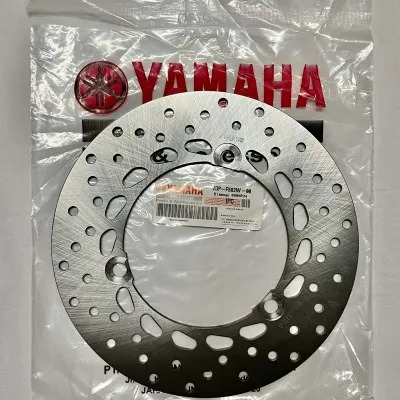
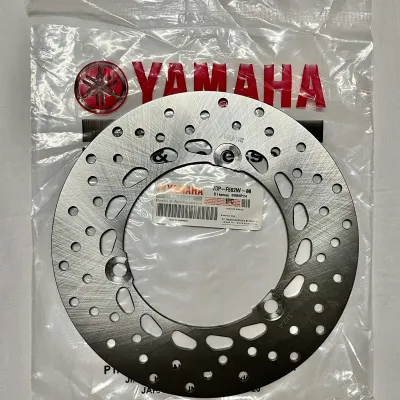
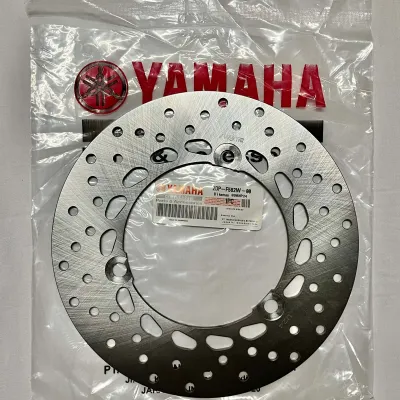
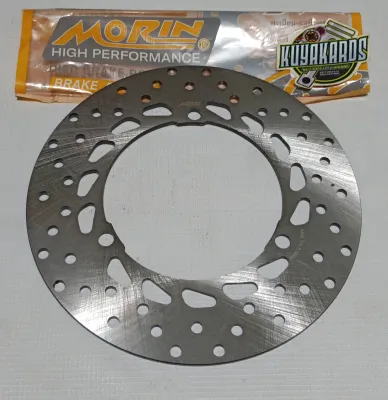
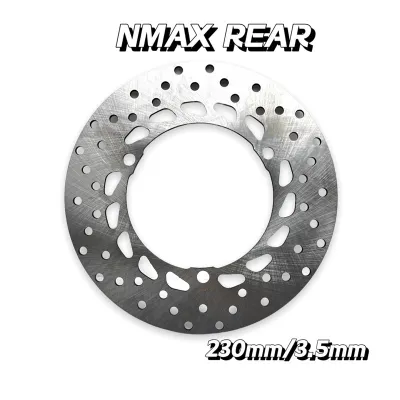
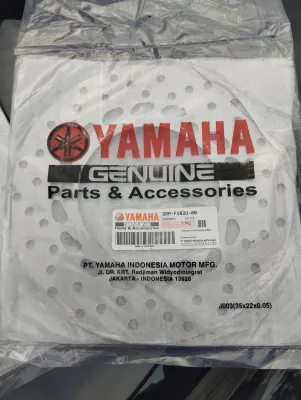
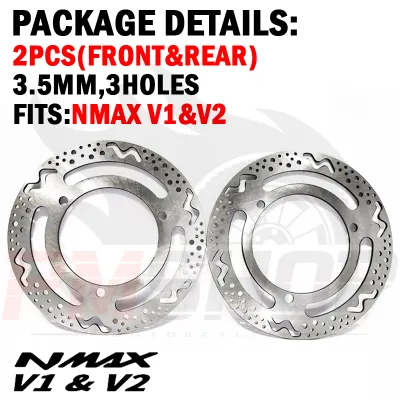
Prices are valid at publication and may change. Please refer to the product page for the latest price.
Counterfeit rotors, by contrast, are typically manufactured from cheap, unverified scrap metals or low-grade steel alloys. These substandard materials lack the metallurgical properties required to handle rapid temperature spikes. Under heavy loads, such as prolonged braking down steep mountain passes or during sudden stops in dense city traffic, a fake rotor is highly susceptible to thermal warping. Warping causes severe lever pulsation, reduced braking efficiency, and can ultimately lead to complete brake failure.
In worst-case scenarios, the extreme heat and mechanical stress can cause a counterfeit rotor to crack or shatter entirely while riding. This catastrophic failure can instantly lock up your front or rear wheel, leading to a high-speed crash. Furthermore, counterfeit metallurgy often exhibits poor wet-weather performance, causing severe brake fade when riding through flooded streets or heavy tropical downpours. Because visual appearance alone cannot guarantee the internal structural integrity or heat tolerance of a metal disc, verifying the origin of your parts is a non-negotiable safety practice.
Before purchasing or installing any brake components, always check your motorcycle’s original-vehicle manual and the manufacturer instructions for both the rotor and your brake pads. If these instructions conflict, or if you are unsure of the compatibility, stop and consult the manufacturer or a qualified professional mechanic. Because brakes are critical to safety, road legality, and vehicle control, all disassembly, installation, and testing must be performed by a qualified professional.
Visual and Physical Traits of Genuine NMAX V2 Rotors
To successfully spot a counterfeit, you must first familiarize yourself with the exact physical traits of an authentic Yamaha OEM brake rotor. Genuine parts undergo strict quality control processes, resulting in a level of precision that counterfeiters rarely match.

Packaging Quality
Genuine Yamaha parts are distributed in high-quality, sturdy packaging designed to protect the component during transit. The printing on the box or plastic wrapping is sharp, high-resolution, and free from color bleeding or alignment errors. Authentic packaging features a distinct red-and-white Yamaha Genuine Parts label with crisp, clear text, a scannable barcode, and an intact security hologram or tamper-evident sticker. The adhesive used on these labels is strong, and attempting to peel them off usually tears the paper or leaves a visible pattern behind.
Markings and Engravings
An authentic nmax v2 rotor disc features precise, clean markings etched or stamped onto the metal surface. These markings include the official OEM part number, minimum thickness limits (typically marked as “MIN. TH. 3.0mm” or similar, depending on the specific front or rear application), and manufacturing batch codes. On genuine rotors, these characters are perfectly aligned, uniform in depth, and rendered in a clean, professional font. There are no rough edges inside the engraved letters, and the text will not rub off or fade when exposed to brake cleaner or friction.
Machining Quality
The physical machining of a genuine rotor is exceptionally clean. The braking surface has a uniform, micro-ground finish with subtle, consistent cross-hatch patterns designed to help the brake pads bed in correctly. All ventilation holes, slots, or cross-drilled patterns are perfectly symmetrical, evenly spaced, and cleanly deburred. If you run your finger along the edges of the holes and the outer circumference of the disc, you should feel smooth, rounded transitions with no sharp metal burrs or rough, uneven cuts.
Weight and Dimensions
Genuine rotors are manufactured to strict dimensional tolerances. To verify authenticity, use a digital vernier caliper to check the thickness of the disc at multiple points along the braking track; a genuine rotor will show absolute consistency, typically matching the exact factory specification. Additionally, genuine rotors have a consistent weight profile. If you have access to a digital scale, weighing the disc and comparing it to the weight of a known OEM part can instantly reveal a fake, as counterfeiters often use thinner or less dense metal alloys to save on material costs.
Red Flags: How to Identify Fake Brake Discs
Counterfeiters prioritize low production costs over quality, which inevitably leaves physical clues. By keeping an eye out for these common red flags, you can quickly identify a fake brake disc before it is installed on your motorcycle.
Poor and Inconsistent Packaging
Low-quality packaging is one of the easiest ways to spot a counterfeit. Fake rotors often arrive in flimsy, thin cardboard boxes that crush easily under light pressure. The printed logos and text on the packaging are frequently blurry, off-center, or show noticeable color variations. Look closely for spelling mistakes, grammatical errors, or incorrect terminology on the labels—such as “Yamha” instead of “Yamaha,” or poorly translated instructional inserts. Additionally, counterfeit security holograms are usually dull, lack the multi-layered 3D depth of genuine seals, and do not change colors dynamically when tilted under light.
Sloppy and Inaccurate Markings
On counterfeit rotors, the stamped or etched markings are often poorly executed. The text may be crooked, unevenly spaced, or stamped at varying depths. Some fakes use cheap white paint or superficial laser printing to mimic engravings; these markings can easily be scratched off with a fingernail or dissolved using standard automotive solvents. You may also find that the font style or size does not match official Yamaha parts, or that critical safety information—such as the minimum thickness limit or directional rotation arrows—is entirely missing.
Machining Defects and Rough Finishes
A close inspection of the metal surface often reveals the rushed manufacturing processes used to make counterfeit discs. Look for visible tool marks, circular scratches, or uneven grinding patterns on the braking surface. The ventilation holes on fake rotors are frequently drilled carelessly, leaving sharp, jagged edges, metal burrs, or asymmetrical spacing. The outer edge of the disc may feel rough or sharp to the touch, indicating that the manufacturer skipped the essential deburring and finishing steps. Furthermore, counterfeit rotors rarely receive proper anti-corrosion treatments, meaning they may already show signs of surface rust or discoloration even while sitting inside their packaging.
Dimensional Discrepancies and Alignment Issues
Counterfeit rotors often deviate from official factory dimensions. They are frequently thinner than the minimum safe operating thickness specified by Yamaha, or they may feel noticeably lighter in the hand. Another major red flag is poor alignment of the mounting holes. If the bolt holes are slightly off-center, unevenly spaced, or do not align perfectly with your NMAX wheel hub, do not attempt to force the installation. Forcing an ill-fitting rotor onto your wheel hub introduces severe mechanical stress, uneven pad wear, and can cause the disc to warp or bind during operation.
Verification Methods and Trusted Purchasing Channels
Protecting yourself from counterfeit parts requires a proactive approach to verification and a strict selection of where you buy your motorcycle components.
Part Number Cross-Reference
Before purchasing any brake component, cross-reference the part number printed on the packaging with the official Yamaha parts catalog. You can access these catalogs through official Yamaha Philippines websites or by visiting an authorized dealer. Ensure that the part number matches your specific NMAX V2 model year and variant (such as ABS or non-ABS models), as mounting patterns and sensor ring configurations can vary. If the seller provides a part number that does not exist in the official database or corresponds to a completely different vehicle model, walk away from the purchase.
Authorized Dealers and Service Centers
The single most effective way to guarantee the authenticity of your brake components is to purchase them directly from official Yamaha 3S (Sales, Service, and Spare Parts) dealerships or authorized service centers. Buying from these established establishments ensures a direct, secure supply chain from the manufacturer. While the price at an authorized dealer may be higher than what you find in independent roadside shops, the investment guarantees a genuine, safety-tested product that complies with factory standards.
Exercising Caution on Online Marketplaces
If you must purchase from online marketplaces or e-commerce platforms, exercise extreme caution. Avoid listings that feature generic stock photos, lack detailed product descriptions, or offer prices that seem too good to be true. For example, if a seller is offering an “OEM” NMAX V2 rotor for a fraction of the standard retail price at an authorized dealer, it is almost certainly a counterfeit. Check the seller’s credentials, read customer reviews specifically looking for complaints about fitment or rapid wear, and request proof of authorized distributorship before finalizing your order.
Choosing Reputable Aftermarket Alternatives
If genuine OEM Yamaha parts are out of stock or unavailable, do not settle for unbranded, cheap replacements claiming to be “OEM-equivalent.” Instead, look for established, highly reputable aftermarket brands that have official, verifiable distribution networks in the Philippines. Brands like RCB (Racing Boy) or TDR offer high-quality replacement rotors designed specifically for the NMAX V2. When buying these aftermarket alternatives, always purchase through their official brand stores or authorized local distributors to ensure you are receiving a genuine product rather than a counterfeit version of a popular aftermarket brand.
What to Do If You Suspect a Counterfeit Part
If you have already purchased a brake rotor and suspect it might be a counterfeit, you must take immediate, decisive action to protect your safety and your financial interests.
Do Not Install or Ride
If you have any doubts about the authenticity or structural soundness of a brake rotor, do not install it on your motorcycle. If the part is already installed, stop riding the scooter immediately. Continuing to ride with a suspected counterfeit rotor exposes you to sudden brake failure, wheel lockups, and severe accidents. Your safety is worth far more than the cost of a replacement disc.
Seek Professional Inspection
If you are unsure whether a rotor is genuine, take your motorcycle and the component to a qualified professional mechanic at an authorized service center. Experienced technicians can quickly identify subtle manufacturing defects, incorrect dimensions, or improper metal composition that may not be obvious to an untrained eye. They can also inspect your entire braking system—including the brake pads, calipers, and brake fluid—to ensure everything is operating safely and within factory specifications.
Report the Seller and Seek Dispute Resolution
If you confirm that you have been sold a counterfeit part, document the evidence immediately. Take clear, high-resolution photos of the packaging, the sloppy markings, the machining defects, and any correspondence with the seller. Report the vendor directly to the e-commerce platform where you made the purchase to initiate a refund dispute. Additionally, you can file a formal complaint with the Department of Trade and Industry (DTI) in the Philippines to report the sale of counterfeit and unsafe consumer goods, helping to protect other riders from falling victim to the same seller.
Safely Dispose of the Fake Part
Once your dispute is resolved, do not simply throw the counterfeit rotor into the trash where someone else might salvage it. To prevent the dangerous part from being resold or accidentally installed on another motorcycle, permanently disable it. Use a hammer, grinder, or heavy marker to deface the braking surface, or cut the disc if you have the tools to do so. Destroying the counterfeit component ensures that it is permanently removed from circulation, keeping the riding community safer.
Frequently Asked Questions (FAQ)
Can I use an NMAX V1 brake rotor on an NMAX V2?
You must strictly verify the official mounting dimensions, offset, bolt patterns, and thickness before attempting to swap brake rotors between different model generations. The Yamaha NMAX V1 and V2 have specific differences in their wheel hubs, ABS sensor plate configurations, and caliper offsets. Forcing an incompatible rotor onto your wheel hub or using unverified aftermarket adapters is highly dangerous, as it can cause severe brake misalignment, rubbing, or complete failure of the ABS system. Always check your original vehicle instructions and consult a qualified mechanic to ensure the part is explicitly rated for your specific model year.
Are heavier brake rotors always better for stopping power?
No, weight alone does not determine the stopping power or overall performance of a brake disc. Braking efficiency depends on the quality of the metal alloy, the heat dissipation design (such as ventilation holes or cooling slots), and the compatibility of the rotor with your brake pads. While some high-performance rotors may have different weight profiles due to specialized designs, purchasing an unverified, unusually heavy aftermarket disc can negatively impact your scooter’s handling. Excess weight on the wheel hub increases unsprung mass, which can degrade suspension performance, slow down steering response, and put unnecessary strain on your wheel bearings.
Community discussion
Share your experience or ask a question. Comments are reviewed before publication.