
Spotting fake Öhlins stickers online requires a combination of pre-purchase listing scrutiny and physical inspection upon delivery. Genuine stickers are typically bundled with authentic suspension components or distributed through authorized dealer networks, meaning standalone decals sold for nominal prices on online marketplaces are almost always unauthorized reproductions. To protect your investment and avoid supporting counterfeit operations, buyers must evaluate seller credentials, analyze product descriptions, and inspect the material quality of the decals.
Understanding Official Merchandise vs. Third-Party Decals
The market for motorcycle accessories is flooded with decorative items, making it crucial to understand how official merchandise differs from third-party reproductions. The Swedish suspension manufacturer primarily designs its decals to identify and brand its high-performance shock absorbers, front forks, and steering dampers. Consequently, the brand does not typically mass-produce standalone stickers for general retail sale on open online marketplaces.
When you purchase a genuine suspension kit, the official decals are included in the original packaging as part of the product assembly or as spare parts for rebuilds. Authorized distributors and dealers may occasionally receive official promotional merchandise, including authentic decals, to distribute during events or as customer freebies. However, these official items are rarely sold individually in large quantities online.
Products mentioned in this guide
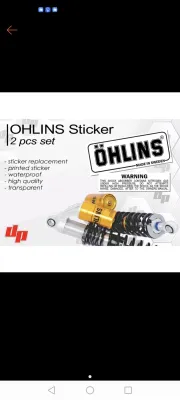
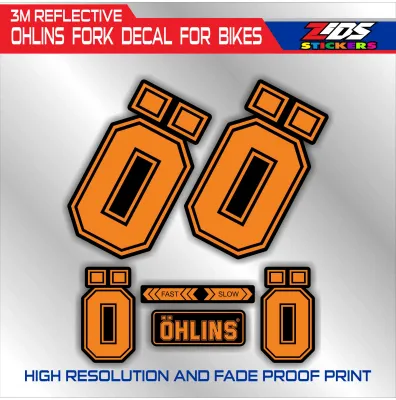

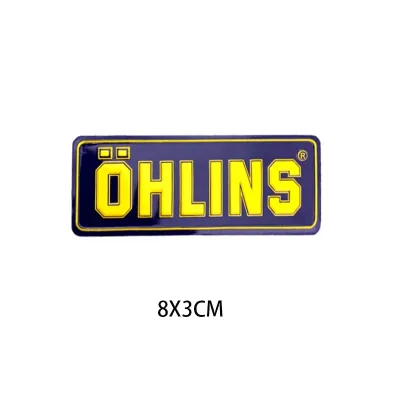
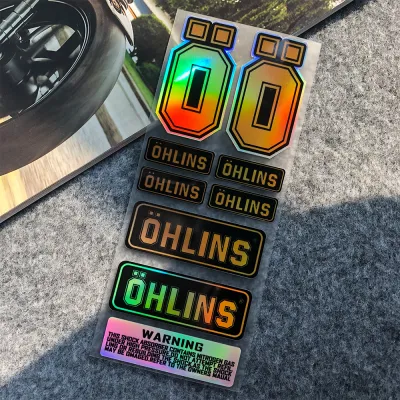
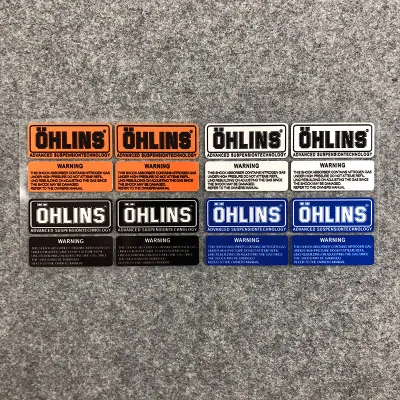
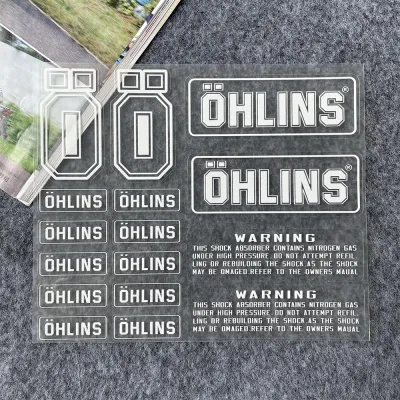
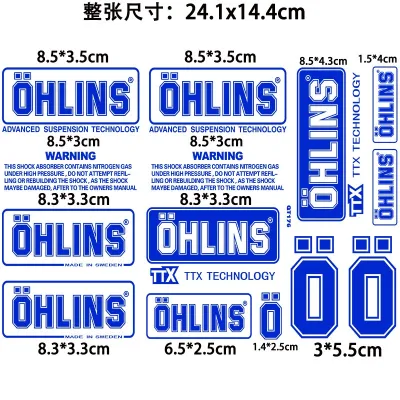
Prices are valid at publication and may change. Please refer to the product page for the latest price.
In contrast, the vast majority of standalone stickers available on ecommerce platforms are third-party “style” decals. These items are produced by independent print shops using the brand’s trademarked logo without authorization. Even if a seller markets these products as “custom,” “racing style,” or “tribute” decals, they are legally classified as unauthorized reproductions.
Understanding this distinction helps set realistic expectations before you browse online listings. If a seller claims to have hundreds of “original” stickers available for individual purchase outside of an authorized dealership, the items are almost certainly counterfeit.
Red Flags in Online Product Listings
Evaluating online listings before clicking the checkout button is your first line of defense against counterfeit goods. Price is often the most immediate indicator of authenticity. Genuine brand merchandise, when available, carries a premium price tag reflecting the brand’s positioning and quality standards. If a listing offers a sheet of multiple decals for a price in ₱ that seems exceptionally low, it is highly likely a cheap replica.

Pay close attention to the specific wording used in the product title and description. Counterfeit sellers frequently employ vague or misleading terminology to bypass automated platform filters while signaling the nature of the product to buyers. Look out for phrases such as “OEM quality,” “high-quality replica,” “imported vinyl,” or “racing spec.” These terms are often used to avoid explicitly claiming the product is an authorized, original brand release.
The reputation and profile of the online storefront provide critical clues regarding product legitimacy. Legitimate motorcycle parts and accessories are typically sold by established, authorized dealers with verifiable physical addresses or official digital storefront badges. Examine the seller’s profile to check their overall rating, the age of the store, and the consistency of their product offerings.
Customer reviews and uploaded photos are invaluable resources during your pre-purchase evaluation. Scroll through the feedback section to see what previous buyers have experienced. Look for uploaded images of the actual product received, paying attention to complaints about poor packaging, incorrect colors, or thin materials that do not match the listing photos.
Physical Inspection: Evaluating Print and Material Quality
Once the package arrives, a close physical inspection will quickly reveal whether the sticker is a high-quality product or a cheap counterfeit. Print resolution is one of the most reliable indicators of manufacturing quality. Genuine brand decals feature razor-sharp lettering, clean borders, and precise color registration. The iconic blue and yellow colors of the brand must be vibrant, consistent, and free of gradient errors.
Counterfeit stickers often exhibit noticeable print defects when examined closely. Look for fuzzy edges, pixelation, or tiny dots indicative of low-resolution digital printing. Color bleeding, where the yellow ink spills into the blue background, or a faded, washed-out appearance are common signs of cheap production methods.
The physical properties of the sticker material and adhesive are equally telling. Authentic automotive decals are made from thick, high-grade vinyl designed to withstand harsh environmental conditions. In the tropical climate of the Philippines, motorcycles are regularly exposed to intense UV radiation, high humidity, and heavy monsoon rains. High-quality vinyl resists fading, shrinking, and peeling under these demanding conditions.
Cheap replicas, on the other hand, are often printed on thin plastic or paper-based materials. These inferior stickers tend to feel flimsy, tear easily, and degrade rapidly when exposed to water or sunlight. Inspect the backing paper as well; premium vinyl manufacturers often print grid lines, brand watermarks, or technical specifications on the release liner, whereas cheap counterfeits typically use plain, unmarked white paper.
Finally, look for official packaging and security features. Authentic merchandise is rarely shipped loose in a plain plastic bag. It typically arrives in branded packaging featuring official part numbers, barcodes, or holographic security seals that verify its origin.
Safety and Ethical Risks of Disguising Suspension Parts
While applying a decorative sticker to a helmet or fairing is a common form of personal expression, using brand decals to disguise non-genuine suspension components carries serious risks. Some riders attempt to apply premium decals to generic, counterfeit, or worn-out shock absorbers to give their motorcycle a high-end appearance. This practice, often referred to as “up-badging,” can lead to dangerous consequences.
A cosmetic sticker does not alter the internal engineering of a suspension unit. Genuine high-performance suspension systems are engineered with precise valving, specific spring rates, and robust structural materials designed to handle high-stress riding conditions. Applying a premium decal to a low-quality shock absorber does not improve its damping characteristics, heat dissipation, or structural integrity.
Riding a motorcycle equipped with counterfeit or compromised suspension components poses a severe safety hazard. Substandard shocks can fail unexpectedly under load, leading to a sudden loss of control, especially on uneven road surfaces or during high-speed cornering. Relying on a visual decal to judge the quality of a critical safety component is a dangerous mistake.
If you are purchasing a secondhand motorcycle that is advertised as being equipped with premium suspension, do not rely on the decals for verification. Inspect the actual suspension unit for engraved serial numbers, manufacturing stamps, and overall build quality. You can verify these serial numbers with authorized service centers to confirm the authenticity of the hardware before finalizing your purchase.
What to Do If You Receive a Suspected Counterfeit
If your physical inspection reveals that the received stickers are counterfeit or do not match the seller’s claims of authenticity, you must act quickly to secure a resolution. Start by documenting the product immediately upon opening the package. Take clear, well-lit photographs and videos of the shipping label, the packaging, the backing paper, and the specific print defects you identified.
It is crucial that you do not peel or apply the stickers to any surface. Once you remove the backing paper or apply the adhesive to your motorcycle, you permanently alter the product’s condition. This action will likely void your eligibility for a return or refund under the buyer protection policies of major online marketplaces.
Log into the ecommerce platform where you made the purchase and initiate a formal return or refund request. Select the appropriate reason code, such as “counterfeit product” or “item not as described,” and upload your photographic evidence. Avoid communicating with the seller outside the platform’s official chat system to ensure all correspondence is recorded for dispute resolution.
Frequently Asked Questions (FAQ)
Can I legally use third-party brand decals on my personal motorcycle?
Using third-party brand decals for personal customization on your own motorcycle is generally tolerated as a form of personal expression, provided you do not attempt to sell the vehicle under false pretenses. However, selling unauthorized trademarked items on online marketplaces is a violation of intellectual property rights and platform policies. If you decide to sell your motorcycle in the future, you must clearly disclose that any applied decals are decorative and do not represent genuine branded suspension components.
Will applying a vinyl decal damage my motorcycle's paint or fairing?
High-quality automotive-grade vinyl is designed with specialized adhesives that can be safely applied and removed without damaging cured factory paint or fairings. However, cheap or low-quality adhesives used on counterfeit stickers can leave behind stubborn residue, discolor the plastic, or even strip away aftermarket paint during removal. To prevent damage, always clean and dry the surface thoroughly before application, and test a small, inconspicuous area of the fairing if you are unsure about the adhesive quality.
Community discussion
Share your experience or ask a question. Comments are reviewed before publication.