
Protecting your vehicle’s undercarriage during the heavy monsoon seasons in the Philippines requires highly durable, specialized care products. With the rising popularity of premium rust inhibitors, counterfeit items have increasingly flooded online marketplaces, leaving vehicle owners with compromised protection and potential mechanical damage. To verify you are buying authentic Pristine rust prevention products, you must purchase directly from verified brand channels, inspect physical packaging markers such as batch codes and security seals, and avoid listings with unrealistic pricing.
Using unverified chemical products on your vehicle’s underbody poses severe risks. Knowing how to distinguish the official store from unauthorized sellers is the most effective way to safeguard your investment and ensure your vehicle remains roadworthy.
The Hidden Risks of Counterfeit Rust Prevention Products
The tropical climate of the Philippines, characterized by intense humidity, heavy seasonal rainfall, and coastal salt air, accelerates metal oxidation. Genuine rust prevention formulations are engineered to bond with metal surfaces, creating a durable, oxygen-excluding hydrophobic barrier. Counterfeit products, however, often use cheap, unverified chemical compounds that fail to provide this essential protection.
Products mentioned in this guide
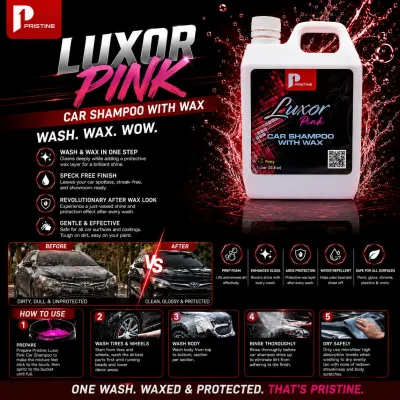
Prices are valid at publication and may change. Please refer to the product page for the latest price.
These unknown chemicals can actively damage your vehicle. Harsh solvents found in fake formulas can degrade rubber suspension bushings, steering rack boots, and CV joint seals. Over time, this chemical degradation leads to premature component wear and costly mechanical failures. Furthermore, overspray from fake products can damage the vehicle’s paint or corrode sensitive electronic sensors mounted along the undercarriage, such as ABS wheel speed sensors or oxygen sensors.
Unlike genuine formulations, counterfeit mixtures lack the tested durability required to withstand constant road spray and high temperatures. They wash away quickly, leaving the metal exposed to moisture and road salts, which can lead to rapid, hidden rust formation beneath a peeling layer of fake coating. This gives vehicle owners a false sense of security while structural damage silently develops underneath.
Additionally, using unauthorized or fake chemical products on your vehicle typically voids any manufacturer warranty or service guarantees provided by the genuine brand. If a fake product damages your brake lines or suspension components, you will be left to cover the expensive repairs out of pocket. Always check the applied product’s label and your vehicle’s manufacturer instructions before application to ensure chemical compatibility.
Finding the Pristine Official Store and Authorized Dealers
To guarantee you are receiving a genuine product, you must navigate to verified purchasing channels. Start by visiting the brand’s official website or their verified social media channels. These platforms maintain updated directories of authorized physical auto supply shops, detailing centers, and official distributor networks across the Philippines.

When shopping on major e-commerce platforms, look for verified trust indicators. Legitimate channels are marked with specific platform badges, such as “Official Store,” “Mall,” or “Authorized Seller.” These badges indicate that the merchant’s business registration and brand authorization have been vetted by the e-commerce platform.
Be cautious of third-party sellers claiming to sell authentic stock. Even if a seller uses the brand name in their shop title, always cross-reference their shop name against the official dealer list on the brand’s website. If the seller is not listed, proceed with extreme caution.
Additionally, check the seller’s location and shipping origin. Genuine distributors in the Philippines typically ship from localized fulfillment hubs. If a listing claims to be local but has an unusually long shipping timeline originating from overseas with no clear tracking, it may be an unauthorized distributor or a source of counterfeit goods.
Visual and Physical Checks for Authentic Pristine Packaging
Once your package arrives, perform a thorough physical inspection before opening or applying the product. Start by examining the label print quality. Authentic Pristine products feature high-resolution, sharp printing with clear text, precise logo alignments, and accurate color matching. Counterfeit packaging often exhibits blurry text, bleeding ink, misaligned logos, or typographical errors.
Next, verify the batch numbers, manufacturing dates, and expiration dates. On authentic containers, these details are typically laser-printed or embossed directly onto the bottle or can, making them resistant to smudging. Counterfeits may have these details printed on cheap paper stickers, or they may be easily rubbed off with a finger or a swipe of rubbing alcohol.
Inspect the container’s seal integrity closely. Authentic rust prevention products use tamper-evident caps, plastic shrink bands, or inner foil seals under the cap to prevent contamination and leaking. If the outer plastic wrap is missing, the cap feels loose, or the inner foil seal is broken, wrinkled, or poorly glued, do not use the product.
Finally, compare the physical consistency, color, and smell of the fluid against the manufacturer’s official specifications. Genuine formulations have distinct physical properties—such as a specific viscosity, color, or a characteristic chemical scent—detailed on the brand’s website. If the liquid is unusually watery, has a different color, or smells strongly of cheap motor oil or kerosene, it is likely a fake.
Remember to check the applied product’s label and your vehicle manufacturer’s instructions before application. If instructions conflict, the treated item is unidentified, or the use is not covered, stop and consult the manufacturer or a qualified professional.
Red Flags: How to Spot Fake Online Listings Before Buying
Identifying suspicious listings before completing a transaction can save you time, money, and potential vehicle damage. The most common indicator of a counterfeit listing is an unrealistically low price. If a listing offers a price significantly below the standard retail price (SRP) found on the official store, it is highly likely a counterfeit. Deep discounts are the primary tactic used by unauthorized sellers to quickly move fake inventory.
Another major red flag is the use of generic stock photos. Genuine sellers and authorized dealers often showcase high-resolution, original photos of the actual product in hand, including close-ups of the packaging and labels. If a listing relies solely on low-resolution, watermarked, or generic images copied from the official website, avoid it.
Examine the seller’s profile details. Newly created seller accounts with generic alphanumeric usernames, low feedback ratings, or a history of selling unrelated cheap goods are highly suspicious. Read through the customer reviews carefully; look for patterns of complaints mentioning poor packaging, leaking bottles, or ineffective performance.
Furthermore, communicate with the seller directly before buying. Ask specific questions about product sourcing, batch codes, or expiration dates. Legitimate sellers will provide prompt, clear, and accurate information, whereas counterfeit sellers will often give vague, automated, or evasive responses. Finally, avoid listings that lack clear return policies or do not offer platform-backed buyer protection, as these leave you with no recourse if you receive a fake.
What to Do If You Suspect You Bought a Fake Product
If you receive a product and suspect it is counterfeit, prioritize vehicle safety and consumer rights. The absolute priority is to never apply a suspected fake rust prevention product to your vehicle. Applying unverified chemicals can cause irreversible damage to your paint, underbody coatings, rubber seals, and electrical systems, resulting in expensive repairs.
Begin documenting the evidence immediately. Take clear, well-lit photographs and videos of the packaging, labels, batch codes, seals, and any physical discrepancies compared to authentic products. Keep all original shipping packaging, receipts, and digital order details, as these are crucial for proving your case.
Next, initiate a return or refund request through your e-commerce platform’s official dispute resolution center. Choose the appropriate reason code, such as “counterfeit product” or “item not as described,” and upload your documented evidence. Most major platforms have strict buyer protection policies that freeze the seller’s payout while the dispute is under investigation.
Additionally, report the unauthorized seller directly to both the e-commerce platform and the brand’s official customer service channel. Providing the brand with the seller’s store name, listing URL, and batch numbers helps them track down counterfeit networks, protecting other vehicle owners in the Philippines from falling victim to the same scam.
Frequently Asked Questions (FAQ)
Can I return a rust prevention product if I suspect it is fake?
Yes, you can return a rust prevention product if you suspect it is counterfeit. Most major e-commerce platforms and consumer protection guidelines in the Philippines allow for returns and full refunds on counterfeit goods. To ensure a successful claim, do not open, dilute, or attempt to use the product. Keep all packaging materials intact, document the discrepancies with clear photos, and submit a formal dispute through the platform’s resolution portal immediately upon delivery.
Does using unauthorized rust prevention void my vehicle's warranty?
Using genuine aftermarket rust prevention products generally does not void your vehicle’s manufacturer warranty. However, applying unverified, counterfeit, or chemically incompatible products that cause physical or chemical damage to your undercarriage, rubber suspension bushings, or electrical sensors can lead to denied warranty claims. If the manufacturer determines that a non-genuine chemical caused the specific failure, you will be responsible for the repair costs. Always check the applied product’s label and the vehicle’s manufacturer instructions before application, and consult a qualified professional if you are unsure.
Community discussion
Share your experience or ask a question. Comments are reviewed before publication.