
For Philippine riders navigating congested metropolitan roads, unpredictable tropical downpours, and steep mountain passes, a motorcycle’s braking system is the ultimate line of defense. The popularity of the RCB (Racing Boy) brand has made its aftermarket upgrade components highly sought after for scooters, underbones, and backbone motorcycles alike. Unfortunately, this high demand has also made the brand a primary target for counterfeiters, flooding the local market with dangerous, low-quality replicas.
Spotting a genuine rcb brake caliper requires a systematic verification process that combines physical inspection with official manufacturer authentication. Riders must look closely at packaging details, analyze the precision of the CNC machining and anodizing, and use the official scratch-off security codes on the manufacturer’s verified website. Relying on visual checks alone is never enough when your road safety is on the line.
The Safety Risks of Counterfeit Brake Components
Your motorcycle’s braking system operates under extreme hydraulic pressure and intense thermal stress. When you squeeze the brake lever, brake fluid is forced through the lines, pushing the caliper pistons to clamp the brake pads against the spinning disc. This process generates immense heat and friction, requiring components engineered to precise metallurgical and structural standards.
Products mentioned in this guide
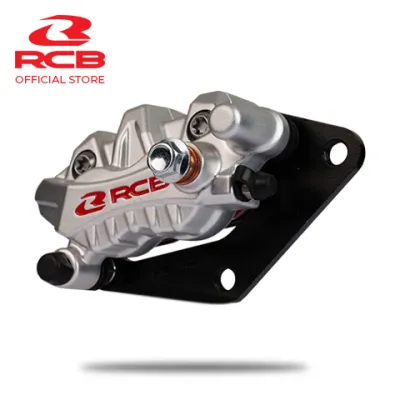
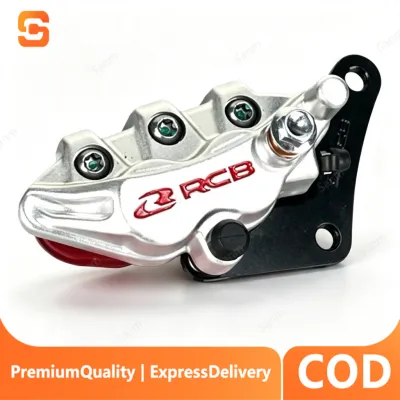
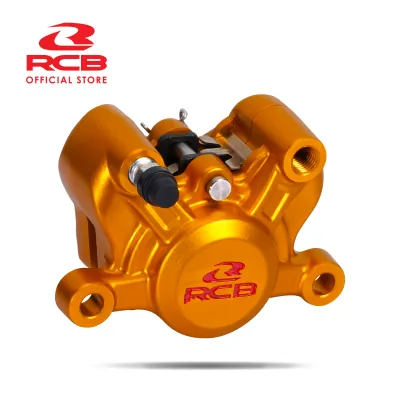
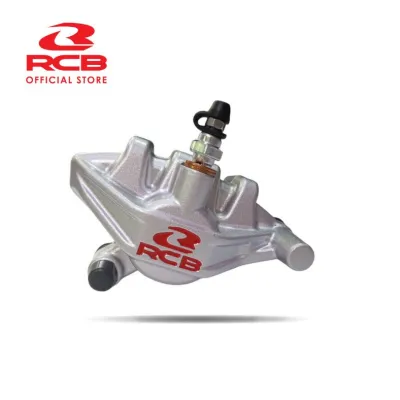
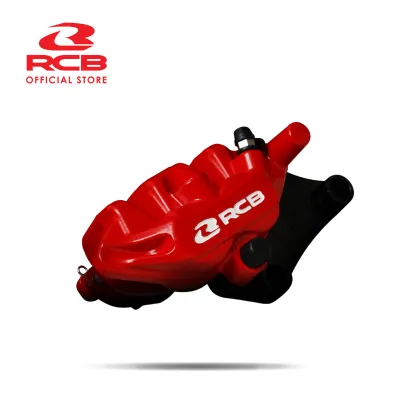
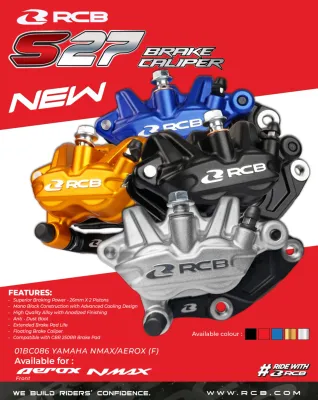
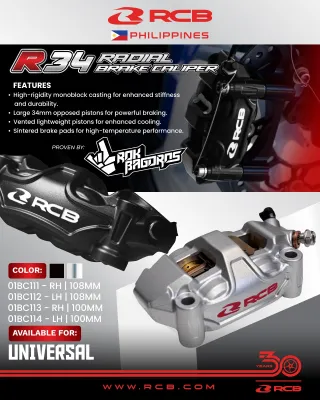
Prices are valid at publication and may change. Please refer to the product page for the latest price.
Counterfeit motorcycle parts are highly prevalent in online marketplaces and unauthorized social media buy-and-sell groups. These imitation calipers are built to look identical to premium upgrades, but they completely lack the engineering integrity of genuine products. Installing a counterfeit caliper exposes you to severe mechanical risks, including sudden brake fade, fluid leaks from substandard seals, or catastrophic structural cracking of the caliper body under heavy emergency braking.
From a safety perspective, no amount of short-term cost savings can justify the risk of using unverified brake components. A single brake failure at highway speeds or on a wet road can lead to severe accidents, injuries, or worse. To ensure your safety on the road, always treat brake upgrades as critical safety modifications that require certified, authentic parts and professional installation.
Visual and Physical Inspection: Genuine vs. Fake
Before installing any aftermarket caliper, you must conduct a thorough physical and visual inspection. While counterfeiters have become highly skilled at replicating the external appearance of RCB components, they almost always cut corners on packaging quality, material standards, and precision manufacturing processes.

Packaging, Labels, and Documentation
The first indicators of a counterfeit product are often found on the box itself. Genuine RCB calipers are shipped in sturdy, high-density cardboard packaging designed to withstand the weight of heavy metal components during transit. The exterior printing on an authentic box is exceptionally sharp, featuring high-contrast graphics, correct brand typography, and accurate spelling. In contrast, fake packaging often uses flimsy cardboard, blurry logos, or inconsistent color tones.
Inside a genuine package, you will find comprehensive documentation, including an official user manual, installation guides, and a dedicated warranty card. Counterfeit packages frequently omit these documents entirely to save on printing costs. If documentation is present in a fake box, it is often poorly translated, printed on low-quality paper, or features low-resolution diagrams.
Furthermore, inspect the holographic security stickers and serial number labels on the box. Genuine RCB holograms exhibit a distinct, multi-layered color shift when tilted under light, with crisp, clearly printed serial numbers. Fake holograms are typically flat, metallic-looking stickers that do not show clean light refraction, and they are often applied unevenly or peel off with minimal effort.
Build Quality, Machining, and Weight
Once you remove the caliper from its packaging, examine the metalwork under direct light. Genuine RCB calipers are manufactured using high-grade billet aluminum and precise CNC (Computer Numerical Control) machining. This process leaves incredibly fine, consistent machining lines and perfectly clean, chamfered edges. Counterfeit calipers, on the other hand, are often made from cheap cast aluminum that is simply painted or poorly anodized to mimic a CNC finish. Look closely for rough casting burrs, uneven surfaces, or tool marks left by low-quality machinery.
Pay close attention to the anodized coating. Authentic anodizing is an electrochemical process that integrates the color directly into the aluminum surface, resulting in a deep, consistent hue that resists fading and scratching. Fake calipers often use cheap spray paint or substandard anodizing that easily flakes off when exposed to heat, brake cleaner, or minor friction.
Next, inspect the internal components, specifically the pistons, rubber seals, and bleed nipples. Genuine calipers utilize high-precision pistons and premium rubber seals formulated to withstand the highly corrosive nature of glycol-ether-based brake fluids (such as DOT 3 or DOT 4, as specified by your vehicle manufacturer). Counterfeit calipers often use low-grade rubber seals that degrade rapidly when exposed to brake fluid, leading to sudden pressure loss and fluid leaks. The bleed nipples and mounting bolts on genuine units feature robust, cleanly cut threads, whereas fakes often have soft, easily stripped threads.
Finally, consider the weight of the component. Because counterfeiters use cheaper, lower-density alloy mixtures or recycled metals, fake calipers often have a noticeable weight discrepancy compared to genuine units. If possible, compare the weight of the caliper against the official manufacturer specifications or a known genuine unit using a digital scale. Remember, however, that physical inspection is only the first step; you must always back up your findings with official digital verification.
Official Verification and Authentication Steps
To definitively confirm whether your rcb brake caliper is genuine, you must utilize the manufacturer’s official anti-counterfeit verification system. This digital check provides a foolproof way to bypass the visual deceptions of high-quality replicas.
First, locate the official security label on the product packaging. This label contains a scratch-off panel designed to protect a unique security code or QR code. Gently scratch off the silver coating using a coin to reveal the hidden code underneath.
Do not scan the QR code blindly using a generic scanner app without verifying the destination URL. A common tactic among modern counterfeiters is to print fake QR codes that redirect unsuspecting riders to cloned, illegitimate websites. These fake verification portals are designed to look identical to the official RCB website and will falsely display an “Authentic Product” message regardless of what code is scanned.
To avoid this trap, manually type the official RCB website URL directly into your secure web browser. Navigate to the dedicated product authentication or security check page on their official domain. Once on the genuine portal, manually input the unique serial number or scan the QR code through the official site’s interface.
When interpreting the verification results, pay close attention to the query history. A genuine, brand-new caliper will show that the code is being queried for the very first time. If the system warns you that the serial number has already been checked multiple times, this is a major warning sign. Counterfeiters often copy a single authentic serial number and print it onto thousands of fake packages. If the system states that the code does not exist, the product is a confirmed counterfeit and must not be used.
Additionally, cross-reference the part number and specifications on the box with the official RCB product catalog. Ensure that the caliper’s dimensions, piston configuration, and mounting bracket interface are fully compatible with your specific motorcycle make, model, and year. Never attempt to modify or force-fit an incompatible caliper onto your vehicle’s fork or brake disc.
Choosing Trusted Purchasing Channels in the Philippines
The safest way to avoid counterfeit brake components is to buy exclusively from authorized, reputable retail channels. In the Philippine motorcycle market, where counterfeit parts are widely distributed, choosing the right seller is just as important as inspecting the product itself.
When shopping online, restrict your purchases to official brand flagship stores on major e-commerce platforms. Look for verified seller badges, such as official store or mall designations, which guarantee that the inventory comes directly from the manufacturer or the authorized national distributor. Avoid buying from unverified third-party sellers, even if they have high rating scores, as these ratings can sometimes be manipulated.
For in-person purchases, visit established, physical motorcycle accessory shops and authorized local distributors. Reputable dealers will gladly provide an official sales invoice or receipt, which is essential for validating your local warranty. They can also provide direct support and verify compatibility with your motorcycle model before you complete the purchase.
Be highly cautious of deals that seem too good to be true. Authentic RCB brake calipers are premium upgrades made from high-quality materials, and their retail prices reflect this engineering standard. If you encounter a seller on social media classifieds or online marketplaces offering a brand-new caliper at a fraction of the standard retail price (SRP) in the Philippines, it is almost certainly a fake. Do not fall for deceptive marketing terms like “Class A,” “OEM stock,” “1:1 copy,” or “high-grade replica”—these are simply euphemisms for dangerous, counterfeit products.
Action Plan: What to Do If You Receive a Suspected Fake
If you have purchased a caliper and it fails any of your authenticity checks, you must take immediate, decisive action to protect yourself and the wider riding community.
First and foremost, absolutely never install or test a suspected fake brake caliper on your motorcycle. Your braking system is a critical safety assembly. If you have already installed the suspected fake component, do not ride the motorcycle. Have a qualified professional mechanic safely remove the unverified caliper and reinstall your original, functional OEM components according to your vehicle manufacturer’s service manual.
Next, gather comprehensive evidence of the counterfeit product. Take clear, high-resolution photographs and videos of the packaging, the blurry printing, any physical machining flaws on the caliper, and the failed verification screen from the official manufacturer website. Documenting these details is crucial for securing a refund.
Once your evidence is ready, immediately initiate a return and refund dispute through the e-commerce platform’s buyer protection system. Do this before the platform’s guarantee or return window closes. Present your visual evidence and the official verification failure screenshot to support your claim.
Finally, help protect other riders by reporting the fraudulent seller. Submit a report to the e-commerce platform’s administration to have the listing taken down. You can also file a formal complaint with the Department of Trade and Industry (DTI) or local consumer protection agencies in the Philippines, as selling counterfeit safety-critical automotive parts is a serious offense that threatens public road safety.
Frequently Asked Questions (FAQ)
Is a significantly lower price a guaranteed sign of a fake RCB caliper?
While a price drastically below the standard retail price (SRP) in the Philippines is a major warning sign, it is not a guaranteed indicator of authenticity on its own. Some dishonest sellers price counterfeit calipers very close to genuine retail prices to deceive buyers into thinking they are purchasing authentic stock. Therefore, price should always be evaluated alongside physical inspection and official digital verification.
Will a counterfeit brake caliper bolt on perfectly to my motorcycle?
Yes, a counterfeit caliper can physically bolt onto your motorcycle’s fork or mounting bracket and align with your brake disc. Counterfeiters are highly skilled at replicating external dimensions, mounting holes, and overall shapes. However, physical fitment does not guarantee internal structural integrity, high-temperature fluid sealing, piston alignment, or proper heat dissipation under heavy load. Never mistake a successful physical installation for a guarantee of safety or authenticity.
Community discussion
Share your experience or ask a question. Comments are reviewed before publication.