
Spotting a genuine rcb caliper in the Philippines requires a multi-layered approach: verifying the official scratch-off QR code on the packaging, examining the physical weight and CNC machining precision of the caliper body, checking for dynamic multi-layered holographic stickers, and purchasing exclusively from authorized dealers. With the popularity of underbone and scooter modifications across the country, counterfeiters have flooded online marketplaces and physical surplus shops with convincing replicas. Because your motorcycle’s braking system is your primary safety mechanism, knowing how to distinguish an authentic component from a cheap imitation is not just about protecting your hard-earned money—it is a critical safety measure that could save your life on the road.
In the tropical climate of the Philippines, riders face intense summer heat, torrential monsoon rains, and flooded streets. These extreme environmental conditions place immense stress on braking components. Under these demanding circumstances, installing a substandard counterfeit component dramatically increases your risk of sudden brake failure.
The Safety Risks of Counterfeit Brake Components
Brake calipers are the mechanical heart of your motorcycle’s stopping power, responsible for converting hydraulic pressure from the master cylinder into extreme mechanical clamping force against the spinning brake disc. Under normal riding conditions, and especially during sudden stops or downhill descents along steep roads like the Marcos Highway or Sierra Madre, calipers must withstand immense heat and structural pressure. Genuine calipers are engineered and tested to manage these extreme thermal cycles without losing structural integrity or hydraulic sealing capability.
Products mentioned in this guide
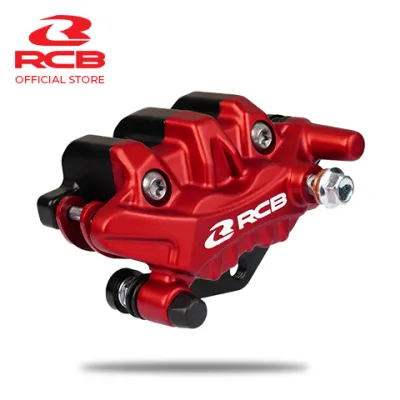
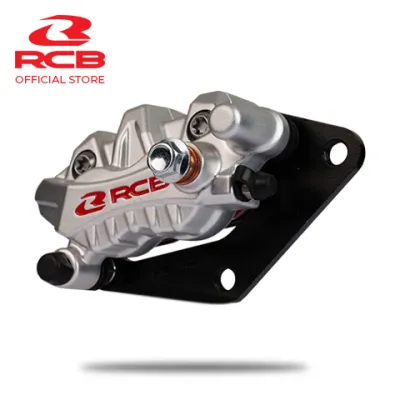
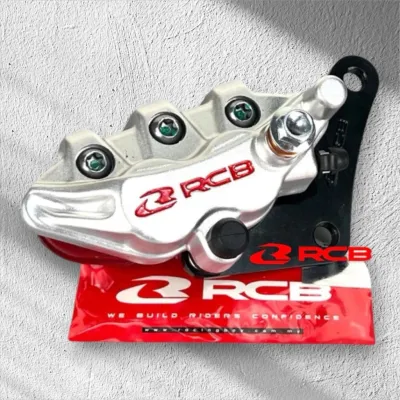
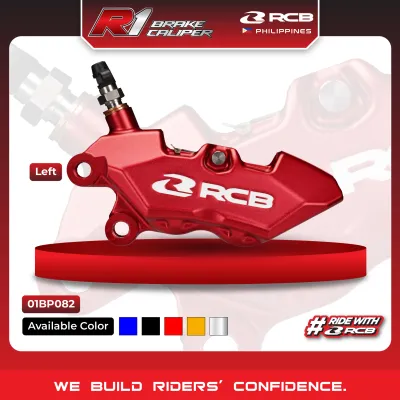
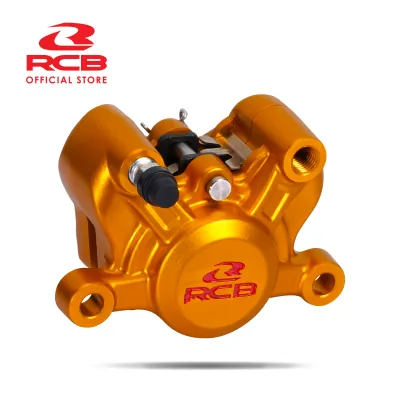
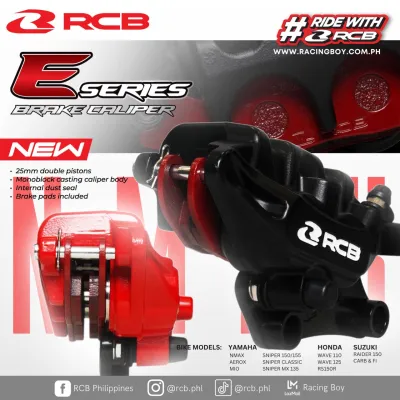
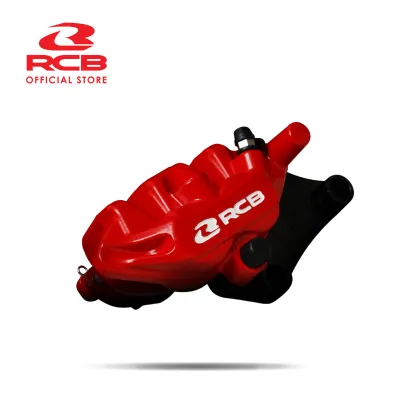
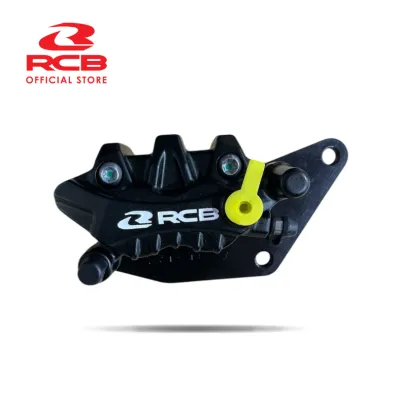
Prices are valid at publication and may change. Please refer to the product page for the latest price.
In contrast, counterfeit calipers are almost universally manufactured from low-grade, porous aluminum alloys that lack the necessary tensile strength. These substandard materials are highly susceptible to catastrophic failure modes under heavy load. A fake caliper may crack or warp when subjected to sudden, hard braking, leading to an instantaneous loss of hydraulic pressure.
Furthermore, poor manufacturing tolerances in the piston bores often cause piston seizure, where the brakes lock up unexpectedly or fail to engage at all. Fluid leaks around low-quality rubber seals can also contaminate your brake pads and rotor, rendering your brakes completely useless. In the context of motorcycle riding, where a split-second stop can prevent a collision, risking your safety on an unverified, cheap imitation component is a gamble with severe, potentially fatal consequences.
Inspecting the Caliper Body and Build Quality
Before purchasing or installing any aftermarket brake caliper, you must conduct a thorough physical examination of the component itself. Genuine RCB calipers are manufactured using high-precision Computer Numerical Control (CNC) machining or premium casting processes, resulting in a product that feels solid, precise, and meticulously finished. Counterfeits, on the other hand, rely on cheap sand-casting molds and hasty surface treatments to mimic the look of the original, leaving behind numerous telltale signs of poor craftsmanship.

Please note that any brake installation, disassembly, or modification represents a critical safety boundary. You must verify your specific vehicle model, year, interface dimensions, mounting position, and road legality in your vehicle’s official documentation before purchasing or operating the vehicle with new parts. Additionally, all brake work should be performed by a qualified professional. Always check the caliper manufacturer’s instructions and your original vehicle manufacturer’s manual. If these instructions conflict, or if the treated item is unidentified, stop immediately and consult a professional technician.
Engravings, Logos, and Paint Finish
Start your inspection by looking closely at the RCB logo and any model designations engraved on the caliper body. On an authentic rcb caliper, these engravings are incredibly crisp, deep, and uniform, featuring sharp, clean edges that reveal the precision of the CNC milling machine. If the logo is cast rather than engraved, the lettering will still be perfectly aligned and free of casting flash. Counterfeit calipers frequently display shallow, blurred, or slightly crooked logos. The text on fake units is often laser-etched onto a flat surface rather than physically engraved, or it may feature uneven font weights and spacing due to low-quality programming.
Next, evaluate the paint or anodized finish of the caliper. Genuine products feature a highly durable, uniform anodized coating or premium powder finish designed to resist fading, high temperatures, and corrosive brake fluid. The color will be consistent across the entire body, with no visible run marks, bubbles, or bare spots. Counterfeit calipers often have a cheap, painted-on finish that mimics anodization. This imitation coating is highly prone to bubbling, peeling, or chipping, even during gentle handling. If you notice a rough, sandpaper-like texture, uneven color saturation between different sections of the caliper, or paint overspray in areas that should remain bare metal, you are likely holding a fake.
Weight, Material Feel, and Hardware
The physical weight of the caliper is another reliable indicator of its authenticity. Authentic RCB calipers are constructed from high-density, aircraft-grade aluminum alloys that balance lightweight performance with extreme structural rigidity. Because counterfeiters use cheap, recycled pot metals or low-density cast alloys to save on production costs, fake calipers often feel noticeably lighter or oddly unbalanced when held in your hand. If you have access to a digital scale, comparing the weight of the suspect caliper against the official specifications listed in RCB’s documentation can quickly expose a counterfeit.
You must also closely inspect the included hardware, such as the bleed nipples, mounting bolts, banjo fittings, and slide pins. Genuine hardware is precisely machined with clean, uniform threads, smooth chamfered edges, and high-quality plating to prevent rust. Counterfeit hardware often features rough, jagged threads, visible metal burrs, and cheap zinc plating that feels flimsy and strip-prone.
Finally, peer inside the fluid channels, banjo bolt holes, and piston bores. Authentic calipers are thoroughly cleaned and deburred during manufacturing, leaving the internal passages pristine. Counterfeit calipers frequently contain residual metal shavings, rough casting marks, or poorly seated rubber seals inside the piston bores. These internal imperfections can easily tear the piston seals, leading to immediate brake fluid leaks and sudden hydraulic failure once the system is pressurized.
Verifying Packaging, Holograms, and Documentation
The unboxing experience is your first line of defense when verifying the authenticity of an rcb caliper. Genuine products are packaged in premium, heavy-duty cardboard boxes designed to protect the heavy metal component during shipping and handling. The box itself features high-resolution offset printing with rich, accurate brand colors, sharp typography, and clear product images. In contrast, counterfeiters often cut corners on packaging to maximize their profit margins. Fake boxes are typically made of thin, flimsy cardboard that crushes easily, and the printing is often blurry, pixelated, or displays incorrect color profiles—such as a faded red or an off-shade blue.
Pay meticulous attention to the holographic security stickers affixed to the packaging. Authentic packaging features a sophisticated holographic sticker that displays dynamic, multi-layered patterns, fine micro-text, and clear color shifts when tilted under a light source. The visual elements within the hologram should appear to have depth and move smoothly as the angle of view changes. Counterfeit packaging often uses cheap, flat reflective foil stickers that merely mimic the metallic sheen of a hologram without any actual optical depth, multi-layered shifting, or fine detail.
Inside the box, you should find official documentation, including a user manual, a warranty registration card, and high-quality accessories like copper crush washers. Examine the printed materials closely. Authentic manuals are printed on high-quality paper with sharp, legible text, accurate technical diagrams, and correct English grammar. Counterfeit manuals are frequently printed on cheap, thin paper and are notorious for containing glaring spelling errors, low-resolution scanned images, and missing or incorrect technical specifications. If the packaging feels cheap, the hologram lacks depth, or the manual is riddled with typos, do not proceed with installing the caliper.
Using Official RCB Verification Methods
To combat the rise of sophisticated counterfeits, RCB utilizes advanced digital security tracking systems that allow buyers to verify their products directly with the manufacturer. This is the most definitive way to confirm whether your caliper is genuine. Most authentic packaging includes a secure, scratch-off label that conceals a unique QR code and a corresponding serial number.
To perform the check, carefully scratch off the protective coating to reveal the code. Use your smartphone’s camera or a dedicated QR code scanning app to scan the code. This action should automatically redirect your browser to the official, secure RCB verification portal. Once loaded, the portal will immediately display a message confirming the product’s authenticity, along with its unique serial number and manufacturing details.
However, you must exercise extreme caution during this process, as sophisticated counterfeiters have been known to print cloned QR codes on their packaging. These fake codes redirect unsuspecting buyers to cloned, lookalike websites designed to mimic the official verification page and falsely report that the product is genuine. To protect yourself, always verify the exact URL domain in your browser’s address bar before trusting the result. Ensure the domain matches the official, verified website of Racing Boy (RCB) exactly, with no misspelled words, unusual subdomains, or suspicious domain extensions.
Additionally, pay close attention to the scan counter on the official portal. The verification system tracks how many times a specific serial number has been scanned. If the portal indicates that the code has already been scanned multiple times in the past, or if the system returns an “invalid code” error, the product is highly likely a counterfeit using a cloned serial number copied from a single genuine item.
Choosing Trusted Sellers and Authorized Channels
The most effective way to avoid the hazard of counterfeit motorcycle parts is to control where you buy them. In the Philippine market, where online marketplaces and local surplus shops are filled with unregulated listings, purchasing from unverified sources carries an incredibly high risk. To guarantee authenticity, always buy your calipers from authorized RCB dealers, official brand flagship stores on major e-commerce platforms, or highly reputable physical motorcycle shops with a long-standing presence in the community.
Be highly suspicious of listings that offer calipers at prices significantly below the standard retail market rate. While it is natural to look for a good deal, a price that is 40% to 60% lower than the suggested retail price (SRP) of authorized distributors—for instance, a caliper listed for ₱1,500 when the standard price is closer to ₱4,000—is a massive red flag. High-quality manufacturing, premium aluminum alloys, and rigorous safety testing carry inherent production costs; therefore, a genuine caliper cannot be sold at a price that seems too good to be true.
When shopping online, take the time to thoroughly scrutinize seller profiles and customer reviews. Look for verified buyer feedback that includes detailed photos and videos of the product, packaging, and the successful completion of the QR code authenticity check. Avoid shops that have a high volume of generic, repetitive reviews, or those that receive negative feedback regarding product quality, packaging condition, or suspicious origins. Furthermore, communicate directly with the seller before making a purchase. Ask for clear, original, real-time photos of the actual stock they have in their physical shop, including close-ups of the packaging’s security labels. A reputable, authorized seller will gladly accommodate these requests, whereas a distributor of counterfeit goods will often refuse, ignore your queries, or provide generic stock photos.
Steps to Take If You Receive a Suspected Fake
If you have purchased a caliper and, upon inspection, suspect it to be a counterfeit, you must take immediate action to protect both your safety and your financial investment. First and foremost, the most critical safety rule is that you must never install, mount, or attempt to bleed a suspected fake caliper on your motorcycle under any circumstances. Even if the caliper fits your mounting bracket perfectly, the risk of sudden mechanical or hydraulic failure while riding on public roads is far too high to justify.
Begin by documenting the product thoroughly. Take clear, high-resolution, well-lit photos and videos of the entire unboxing process, focusing on the specific areas that raised your suspicions. Capture detailed close-ups of the packaging, the security hologram, the scratch-off label, the engraving quality, the paint finish, and any hardware defects. If you performed a digital QR verification that returned an invalid or previously scanned message, take a screenshot of that result as well.
Next, immediately initiate a dispute or return request through the e-commerce platform where you made the purchase. Provide your documented photographic and video evidence to support your claim that the item is a counterfeit. Most reputable online marketplaces have strict policies against the sale of counterfeit goods and will issue a full refund if you can clearly demonstrate that the product is not authentic. Finally, consider reporting the fraudulent seller to the Department of Trade and Industry (DTI) or other local consumer protection authorities in the Philippines. Reporting these operations helps take dangerous, substandard braking components off the market, protecting other riders from potential accidents.
Frequently Asked Questions (FAQ)
Can I rely solely on the hologram sticker to confirm authenticity?
No, you should never rely solely on a hologram sticker to verify the authenticity of an RCB caliper. While a genuine, multi-layered holographic sticker is a positive indicator, sophisticated counterfeiters have become highly adept at replicating the basic visual appearance of security labels. To ensure your safety, you must always combine a visual inspection of the hologram with a physical evaluation of the caliper’s machining quality, weight, and, most importantly, the official digital QR code verification via the manufacturer’s secure portal.
Are refurbished or second-hand RCB calipers safe to use?
We strongly advise against purchasing refurbished or second-hand RCB calipers. Even if the caliper was originally genuine, used braking components may have suffered hidden internal wear, structural fatigue, corrosion from improper brake fluid, or damaged piston seals that are impossible to detect visually. Furthermore, it is extremely difficult to verify the true maintenance history or origin of a second-hand part. For a safety-critical component like your motorcycle’s front or rear brakes, buying a brand-new, officially verified caliper from an authorized dealer is the only way to guarantee reliable performance.
Community discussion
Share your experience or ask a question. Comments are reviewed before publication.