
Protecting your motorcycle or scooter engine from premature wear starts with choosing high-quality components, particularly your oil filter. In the Philippines, VIC is highly regarded for its reliability and filtration efficiency, making it a popular choice among riders navigating dusty roads and heavy city traffic. However, this popularity has also made the brand a target for counterfeiters who produce cheap, look-alike filters that fail to protect your engine. To spot a fake VIC oil filter, you must perform a thorough physical inspection of the packaging, check the weight and gasket quality, and verify the seller’s credentials before making a purchase. Buying exclusively from a verified vic oil filter official store or authorized dealer is the most secure way to safeguard your vehicle’s engine health.
Why Spotting Fake VIC Oil Filters Matters for Your Engine
In the tropical climate of the Philippines, engines operate under demanding conditions. High ambient temperatures, frequent stop-and-go traffic in urban areas, and airborne dust place immense stress on your motorcycle or scooter’s engine oil. The oil filter is your engine’s primary line of defense, responsible for capturing microscopic metal shavings, soot, and road debris before they can recirculate and scratch sensitive internal components.
When you install a counterfeit VIC oil filter, you compromise this entire defense system. Counterfeit filters typically use inferior, thin filtration media that easily tears or clogs prematurely. Instead of trapping contaminants, these low-grade papers can collapse under pressure, allowing unfiltered, dirty oil to flow freely through your engine. Over time, this leads to rapid engine sludge build-up, restricted oil flow, and accelerated wear on vital parts like the piston rings, cylinder walls, and camshafts.
Products mentioned in this guide
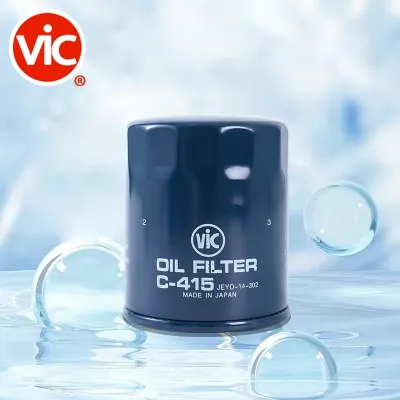
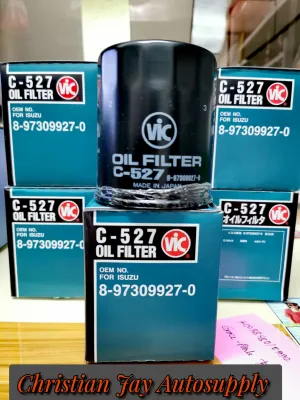
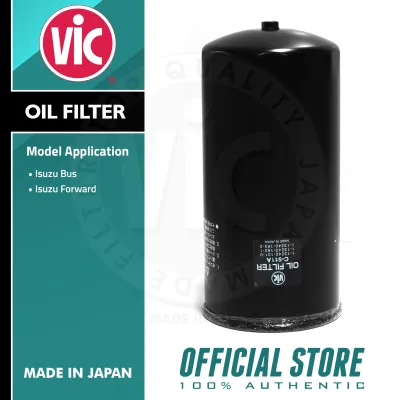
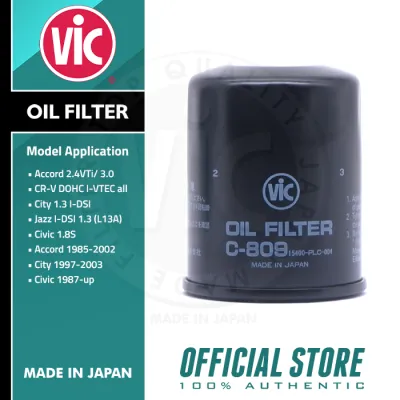
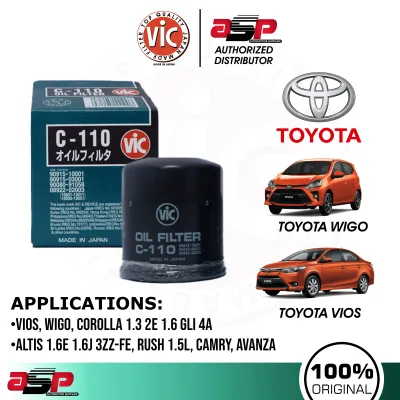
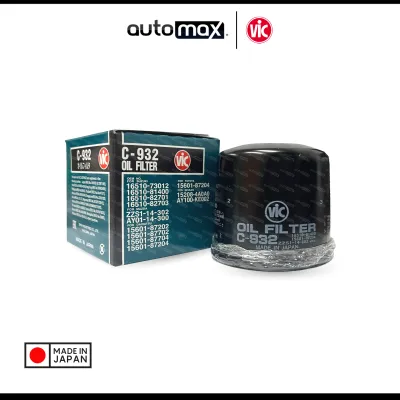
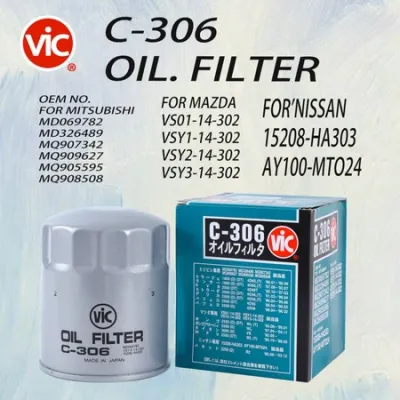
Prices are valid at publication and may change. Please refer to the product page for the latest price.
Another critical risk lies in the bypass valve. A genuine VIC filter is engineered with a calibrated pressure relief valve that opens only when the filter is completely clogged or during cold starts, ensuring the engine is never starved of lubrication. Fake filters often feature faulty, stuck, or completely missing bypass valves. If the valve fails to open, your engine will suffer from oil starvation, leading to catastrophic metal-on-metal friction and sudden engine seizure.
The financial trade-off is highly unfavorable. While a counterfeit filter might save you around ₱100 to ₱150 at the counter, the resulting engine damage can easily cost upwards of ₱10,000 to ₱30,000 in major overhaul repairs, replacement parts, and professional mechanic labor. Taking the time to verify your filter’s authenticity before installation is a simple, cost-effective habit that prevents catastrophic road failures and preserves your vehicle’s resale value.
How to Inspect VIC Oil Filters: Genuine vs. Fake
Identifying a counterfeit oil filter requires a keen eye for detail, as modern counterfeiters have become highly skilled at replicating the external appearance of genuine parts. However, they almost always cut corners on material quality and manufacturing precision to keep production costs low. By systematically examining the packaging and the physical filter itself, you can identify key indicators of a fake product before it ever touches your engine block.

Packaging, Labels, and Printing Quality
The exterior cardboard box is your first line of inspection. Genuine VIC oil filters are packaged in sturdy, high-quality cardboard boxes that maintain their structural shape even when stacked or shipped. The printing on a genuine box is sharp, clear, and perfectly aligned, with highly legible text and accurate brand logos. The colors—typically deep, consistent blues, reds, or grays depending on the specific product line—are uniform across the entire surface of the packaging.
In contrast, counterfeit packaging often utilizes flimsy, thin cardboard that easily crushes, warps, or tears. The printing on fake boxes frequently exhibits blurry edges, pixelated text, or inconsistent color saturation, which indicates the use of low-grade printing equipment. Look closely at the brand logo, spelling, and font choices; counterfeiters often make subtle spelling mistakes or use slightly different fonts that do not match official VIC branding.
Additionally, genuine packaging always includes clear, printed manufacturing dates, batch codes, and specific vehicle compatibility lists. If you notice missing batch codes, smudged ink, or labels that are crookedly hand-applied rather than machine-printed, treat the product with extreme suspicion. Always cross-reference the printed part number on the box with the official VIC catalog to ensure it is a valid, existing product code.
Build Quality, Weight, and Gasket Condition
Once you remove the filter from its box, its physical properties will reveal a lot about its authenticity. Genuine VIC filters are manufactured using heavy-gauge steel casings and dense internal filtration paper, giving them a distinct, solid weight in your hand. If you have access to a digital scale, comparing a suspected filter against a known genuine unit of the same model will often reveal that the fake is noticeably lighter due to thinner metal walls and fewer internal filter pleats.
Next, inspect the rubber O-ring gasket at the base of the filter. On a genuine VIC filter, this gasket is made of high-quality, flexible rubber that is pre-lubricated or evenly treated to resist heat and oil degradation. It should fit snugly within its groove, requiring deliberate effort to remove, and must not feel brittle, dry, or excessively loose. Counterfeit filters often use cheap, hard plastic-like rubber gaskets that easily slip out of place, crack under pressure, or fail to form a tight seal against the engine block, leading to dangerous oil leaks.
Examine the metal threading and the faceplate of the filter. Genuine VIC filters feature clean, smooth, and precisely cut threads that allow you to spin the filter onto the engine mount effortlessly by hand. Counterfeit filters often have rough, burred, or uneven threads that can cross-thread and permanently damage your engine’s mounting spindle. While you cannot inspect the internal filter pleats without cutting the metal casing open—which destroys the filter—relying on these external, weight, and gasket checks will reliably expose substandard manufacturing.
Actionable Steps to Verify VIC Filter Authenticity
While visual and physical inspections are highly effective, incorporating standardized verification steps adds an extra layer of security before you proceed with an oil change. Because counterfeiters constantly update their packaging to mimic genuine items, relying on a combination of physical checks and official verification resources is the safest approach.
- Check for Security Holograms and QR Codes: Many genuine VIC filters imported into the Philippines feature specific holographic security stickers or scratch-off authentication labels on the box. When tilted under direct light, a genuine hologram should display clear, multi-layered color shifts and sharp micro-text. If the sticker is a flat, dull silver print without any holographic depth, or if the QR code leads to a suspicious, non-secure URL instead of the official manufacturer website, do not use the filter.
- Cross-Reference Part Numbers and Dimensions: Before purchasing, consult your motorcycle or scooter's owner manual to find the exact oil filter specifications, including the thread pitch, outer diameter, and bypass valve pressure rating. Cross-reference these specifications with the official VIC catalog. Ensure the part number printed on the filter body matches the intended application perfectly. A mismatched or generic part number is a major red flag.
- Verify Road Legality and Safety Boundaries: Always remember that your oil filter is a critical safety component. A sudden filter failure on the highway can spray hot oil onto your rear tire, causing an immediate loss of traction and a severe accident. If you are unsure about the compatibility or authenticity of a filter, do not attempt to install it yourself. Consult a qualified, professional motorcycle mechanic to verify the fitment and perform the installation safely.
Where to Find Authorized VIC Sellers and Official Stores
The single most effective way to avoid counterfeit engine parts is to control where you shop. Purchasing from unverified roadside stalls or unauthorized online sellers significantly increases your risk of receiving a fake product, regardless of how convincing the packaging looks.
To guarantee you are receiving a genuine product, look for a vic oil filter official store on major online e-commerce platforms. These official digital storefronts are directly managed by authorized local distributors or the brand itself, ensuring a direct chain of custody from the factory. When shopping online, look for the platform’s verified merchant badges, such as “Mall” or “Official Store” tags, which indicate that the seller’s business registration and product sourcing have been vetted by the platform.
When evaluating online sellers, pay close attention to user reviews and pricing structures. While a genuine VIC oil filter for popular underbone motorcycles or scooters typically retails within a reasonable price band of ₱150 to ₱350, counterfeiters often lure buyers with prices as low as ₱50 to ₱80. If a deal seems too good to be true, it almost certainly is. Read through the customer feedback section specifically looking for reviews that mention product weight, packaging quality, or installation issues.
For physical purchases, visit established automotive supply chains, authorized motorcycle dealership service centers, or reputable local parts distributors. Do not hesitate to ask the store staff for proof of authorized distributorship or to inspect the filter box in hand before paying. Legitimate businesses will gladly assist you and provide clear receipts for your purchase.
What to Do If You Receive a Suspected Fake Filter
If you have already purchased a VIC oil filter and suspect it is counterfeit after performing your inspections, do not install it on your vehicle under any circumstances. Running your engine even briefly with a faulty filter can introduce metal shavings or debris into the oil galleries, causing irreversible internal damage that is far more expensive to fix than the cost of a replacement filter.
If you purchased the item from an online marketplace, immediately document your findings by taking clear, high-resolution photos and videos of the suspect packaging, blurry printing, poor gasket condition, or lightweight build. File a formal return and refund request through the platform’s buyer protection program, selecting “counterfeit item” or “item not as described” as the reason. Avoid contacting the seller directly if they attempt to persuade you to accept a partial refund or close the dispute outside the platform’s official channels.
For physical store purchases, return to the shop with your official receipt and politely explain the discrepancies you found. If the seller refuses to cooperate, or if you identify a pattern of counterfeit sales, you can report the establishment to the Department of Trade and Industry (DTI) or local consumer protection authorities. Reporting these fraudulent activities helps protect the broader riding community in the Philippines from dangerous, low-quality engine components.
Frequently Asked Questions (FAQ)
Can I reuse a genuine VIC oil filter after cleaning it?
No, you cannot safely clean or reuse any VIC oil filter, regardless of its authenticity. Oil filters are strictly designed for single-use applications. The internal paper filtration media accumulates microscopic contaminants, soot, and metal particles that bind directly to the fibers. Attempting to wash the filter with gasoline, kerosene, or compressed air will tear the delicate paper media, dissolve the internal adhesives, and destroy its filtration capacity, leading to severe engine damage upon reinstallation. Always replace your oil filter with a brand-new, genuine unit during every scheduled oil change.
Does a higher price always guarantee a genuine VIC oil filter?
No, a higher price alone does not guarantee that a VIC oil filter is genuine. While extremely low prices are a highly reliable warning sign of a counterfeit, some unscrupulous sellers deliberately price fake filters at or slightly below the standard market rate of ₱150 to ₱350 to avoid suspicion and mimic legitimate pricing. To ensure authenticity, you must combine price checks with physical inspections of the packaging and build quality, and prioritize purchasing from a verified vic oil filter official store or authorized distributor.
Community discussion
Share your experience or ask a question. Comments are reviewed before publication.