
Identifying a genuine brake arm for your Yamaha Mio i 125 is critical for maintaining your scooter’s safety on busy roads. With counterfeit motorcycle parts circulating widely on online marketplaces and in unauthorized shops, riders must know how to distinguish authentic components from cheap imitations. Genuine Yamaha brake arms are engineered to precise tolerances, ensuring reliable leverage and structural integrity during sudden stops. By inspecting the packaging, checking physical casting marks, and verifying material finishes, you can protect yourself from the severe risks associated with counterfeit brake components.
Why Authentic Brake Arms Are Critical for Your Safety
The braking system of your Yamaha Mio i 125 relies on precise mechanical leverage to slow down or stop your scooter safely. The brake arm acts as the primary point of contact where your physical force is transferred to the brake cable or master cylinder. When you use a counterfeit brake arm, the leverage ratio may be incorrect, leading to a spongy feel, delayed braking response, or insufficient stopping power. In unpredictable traffic conditions, even a split-second delay in braking can lead to serious accidents.
Furthermore, counterfeit brake arms are typically manufactured using low-grade cast aluminum or recycled alloys that suffer from internal voids and structural weaknesses. Under emergency braking conditions, where you must apply sudden and maximum pressure, a counterfeit lever is highly susceptible to metal fatigue and can snap completely. A snapped brake lever leaves you without immediate control of that brake, presenting an extreme safety hazard.
Products mentioned in this guide
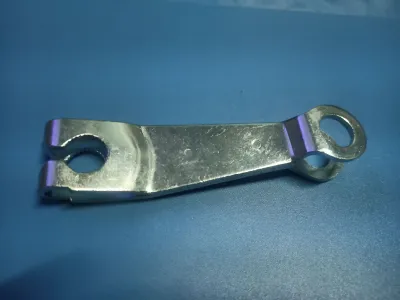
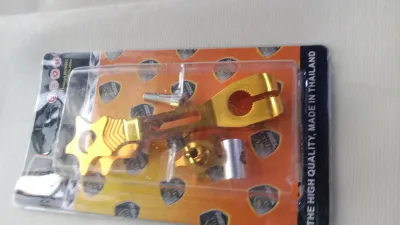
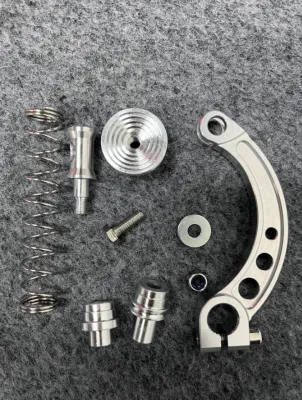
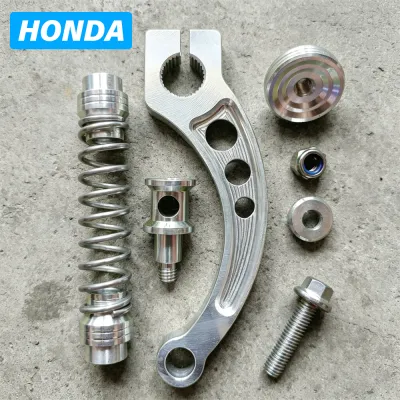
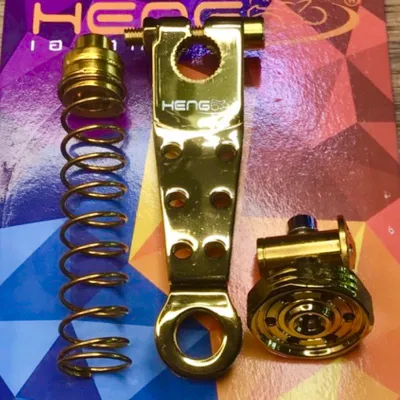
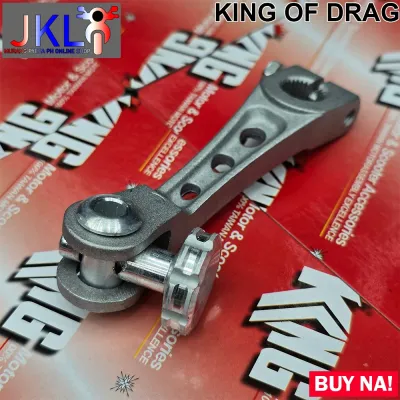
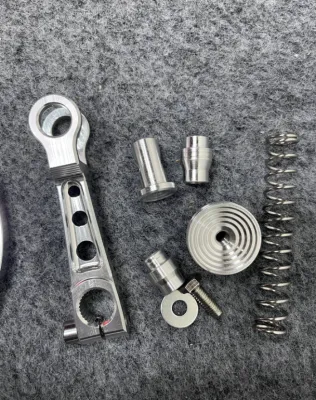
Prices are valid at publication and may change. Please refer to the product page for the latest price.
Safety Boundary and Professional Installation: Because brakes are a critical safety system, always consult your Yamaha Mio i 125 owner’s manual for exact specifications and torque values. It is highly recommended to have all brake components installed and verified by a qualified professional motorcycle mechanic to ensure proper fitment and road legality. Using unverified aftermarket or counterfeit parts can also void your scooter’s manufacturer warranty and compromise overall vehicle safety.
How to Inspect Packaging and Physical Markers for Authenticity
When purchasing a replacement brake arm, the first line of defense is a thorough inspection of the packaging. Genuine Yamaha Genuine Parts (YGP) are distributed in high-quality packaging designed to protect the component and verify its origin. Look closely at the label on the box or plastic packaging. Authentic labels feature crisp, clear printing with perfectly aligned text, a specific part number, and a genuine holographic sticker. This hologram should shift colors smoothly when tilted under light and display the official Yamaha logo clearly without any blurry edges or color bleeding.

If the packaging passes inspection, the next step is to examine the physical casting marks on the brake arm itself. Genuine Yamaha brake arms are manufactured using high-pressure die-casting molds that produce clean, distinct markings. Inspect the underside or the pivot area of the lever for the engraved Yamaha logo or specific casting codes. On an authentic part, these markings are deep, sharp, and utilize a consistent, official font. Counterfeiters often use cheap sand-casting methods, resulting in shallow, distorted, or completely missing logo engravings.
The material finish and machining quality of a genuine brake arm are also highly consistent. Authentic parts undergo precise machining, especially around the pivot hole where the lever connects to the handlebar perch. The pivot hole should be perfectly round with smooth internal walls, ensuring a tight fit with minimal vertical play. The surface finish, whether it is painted or anodized, should be uniform across the entire component. There should be no signs of overspray, running paint, or bare metal patches, which are common indicators of substandard manufacturing processes.
Common Red Flags That Indicate a Counterfeit Brake Lever
Recognizing the common manufacturing shortcuts used by counterfeiters can help you quickly identify a fake brake arm before making a purchase. One of the most obvious red flags is the presence of surface defects. Cheaply made counterfeit levers often have rough, unfinished edges, sharp metal flashing left over from poor molds, and uneven paint application. If you run your finger along the edges of the lever and feel sharp ridges or rough textures, the part is highly likely to be a counterfeit.
Weight and physical feel are also excellent indicators of quality. Genuine aluminum alloy brake arms have a distinct weight that balances strength and lightness. Counterfeit parts often feel unusually light, indicating the use of cheap, porous alloys, or they may feel excessively heavy due to the use of low-grade iron-heavy mixtures. Additionally, test the pivot mechanism if the lever comes pre-assembled with any hardware. Flimsy pivot pins, loose tolerances that allow the lever to wobble up and down excessively, or weak return spring tension are clear signs of a counterfeit product.
Missing or incorrect documentation is another major red flag. Genuine parts are accompanied by clear labeling that matches the official Yamaha parts catalog. If the packaging lacks a part number, or if the printed part number does not match the actual design of the Mio i 125 brake arm, do not proceed with the installation. Be suspicious of packages that contain poorly translated instructions, generic warning labels, or lack any official branding whatsoever.
Steps to Verify Part Authenticity Before Installation
Before you attempt to install any new brake arm on your Yamaha Mio i 125, you must perform a series of verification steps to ensure the part is safe for road use. Start by cross-referencing the part number printed on the packaging label with the official Yamaha Philippines parts catalog. You can access these catalogs online or consult a local authorized dealer. Ensure that every digit and letter matches the specific model year of your Mio i 125, as minor variations can affect fitment and leverage ratios.
Next, perform a dry fitment check on your scooter’s handlebar perch. Without fully tightening the fasteners, place the new brake arm into position and check the alignment of the pivot bolt hole. The bolt should slide through smoothly without forcing, and there should be no excessive vertical or horizontal play once the bolt is seated. Inspect the cable routing to ensure the brake cable barrel fits perfectly into the lever’s slot without binding or rubbing against sharp edges.
If you notice any resistance, misalignment, or unusual play during this dry fit, stop immediately. Do not attempt to modify the brake arm or the handlebar perch to force a fit. If the physical markers or fitment checks remain inconclusive, take the part to an authorized Yamaha service center. A professional technician can verify the component’s authenticity and ensure it is safe to install on your vehicle.
Where to Safely Buy Replacement Brake Arms in the Philippines
To minimize the risk of purchasing dangerous counterfeit brake arms, you must choose your purchasing channels carefully. The most reliable method is to buy directly from authorized Yamaha dealerships, 3S shops, or official service centers across the Philippines. Purchasing from these authorized sources guarantees that you receive genuine parts backed by official manufacturer support, ensuring both safety and peace of mind.
If you choose to shop on online marketplaces or e-commerce platforms, you must exercise extra caution. Look for sellers that carry official store badges, which indicate verified business operations. Carefully read customer reviews, paying close attention to photos uploaded by other buyers. Look for reviews that specifically mention the fitment on a Yamaha Mio i 125 and verify that the packaging in the user photos matches the genuine characteristics described earlier.
Be highly skeptical of product listings that feature unusually low prices compared to authorized dealer rates. Counterfeiters often lure buyers with extreme discounts. Additionally, avoid listings that rely solely on generic stock photos or hide the actual product details behind vague descriptions. A legitimate seller will gladly provide clear, real-life photos of the packaging and the casting marks upon request.
What to Do If You Receive a Suspected Counterfeit Part
If you receive a brake arm and suspect it is a counterfeit, your immediate priority must be safety. Halt the installation process immediately and do not attempt to ride your scooter with the unverified part attached. Operating a motorcycle with a compromised braking component poses an immediate danger to yourself and other road users.
Next, document your findings thoroughly. Take high-resolution, well-lit photographs of the packaging, the blurry labels, the rough casting marks, or any fitment issues you encountered. Use this evidence to initiate a return or refund process through the e-commerce platform or the seller. Most reputable platforms have strict policies against the sale of counterfeit goods and will protect buyers who provide clear photographic proof.
Finally, report the fraudulent listing to the platform administrators. By flagging the seller and the specific product listing, you help protect the broader Filipino riding community from purchasing unsafe, counterfeit brake components.
Frequently Asked Questions (FAQ)
Can I use a universal brake lever on my Yamaha Mio i 125?
While universal brake levers are widely available, they are generally not recommended for the Yamaha Mio i 125 unless they are explicitly certified for this model. Universal levers often feature different pivot dimensions, cable pull ratios, and mounting brackets. These differences can lead to improper cable tension, binding, or insufficient braking force, which compromises your safety on the road. Always prioritize model-specific, genuine parts to ensure correct mechanical operation.
Do genuine Yamaha brake arms come with a warranty?
Yes, genuine Yamaha replacement parts purchased through authorized dealerships and official service centers typically come with a limited manufacturer warranty against material and workmanship defects. However, this warranty is only valid if the part is installed correctly, preferably by an authorized technician. Installing counterfeit or unverified aftermarket brake arms will not only void any parts warranty but can also void broader warranty claims related to your scooter’s braking system.
Community discussion
Share your experience or ask a question. Comments are reviewed before publication.