
Quick Answer: Spotting Fake NMAX V2 Brake Calipers
Brake calipers are critical safety components that directly control your motorcycle’s stopping power. When shopping online, never compromise on authenticity to save money, as a failing caliper can lead to severe accidents on the road, especially under challenging tropical riding conditions like heavy rain and high humidity.
The primary method to verify an NMAX V2 brake caliper is to cross-reference the official part numbers and packaging security features against the manufacturer’s official parts catalog. To minimize your risk of purchasing a counterfeit component, buy exclusively from authorized motorcycle dealerships or highly rated official brand stores on established e-commerce platforms.
The Safety Risks of Counterfeit Brake Components
Installing a counterfeit brake caliper on your motorcycle introduces severe, unpredictable hazards to your daily rides. Under heavy loads, high speeds, or sudden emergency stops, a fake caliper is highly susceptible to catastrophic failure, including brake fluid leaks or piston seizure. In the Philippines, where sudden downpours and stop-and-go traffic put immense stress on brakes, these risks are magnified.
Products mentioned in this guide
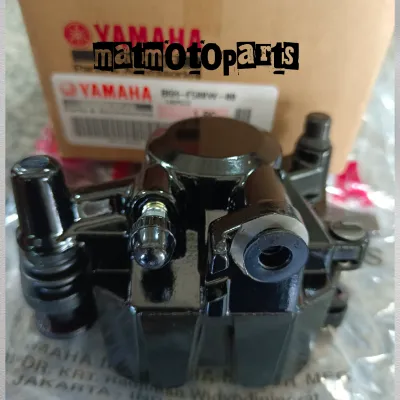
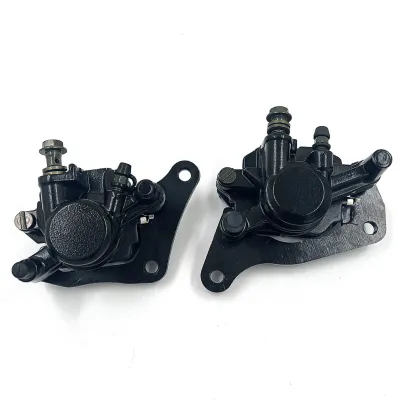
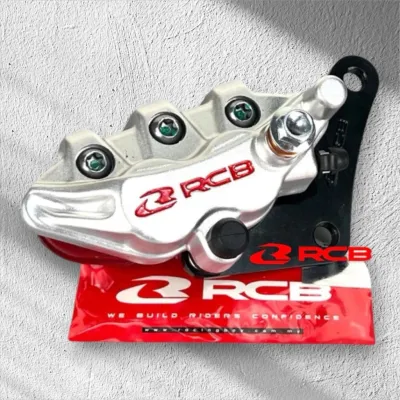
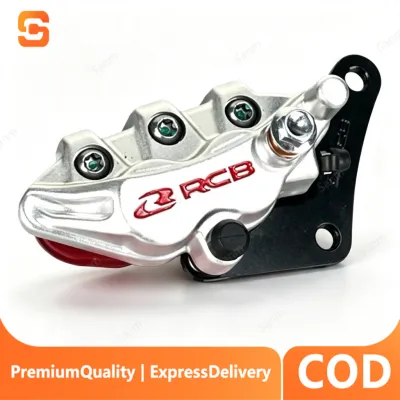
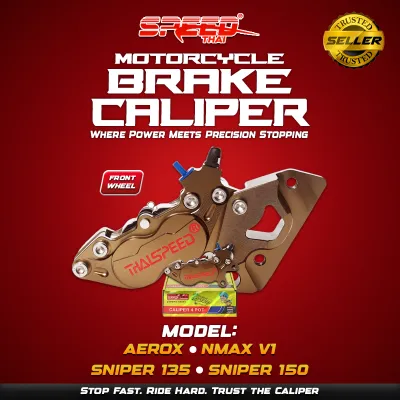
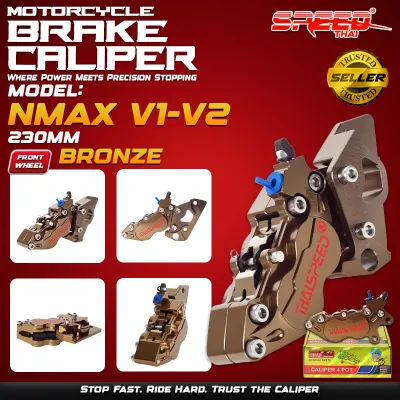
Prices are valid at publication and may change. Please refer to the product page for the latest price.

Counterfeit manufacturers often use substandard casting materials and low-grade alloys to cut production costs. These inferior metals lack the thermal resistance required to handle the intense heat generated during braking, which can cause the caliper body to warp, crack, or flex under pressure.
Furthermore, using non-genuine or unverified brake parts typically voids your motorcycle’s manufacturer warranty. It can also compromise the precise calibration of your anti-lock braking system (ABS), as the sensors and hydraulic pressure limits are designed specifically for genuine components. Always prioritize professional installation by a qualified mechanic to ensure your braking system is safely configured and road-legal.
Red Flags: Common Signs of Counterfeit Calipers
When browsing online listings or inspecting a newly delivered package, several visual and physical anomalies can help you identify a counterfeit caliper before it ever reaches your motorcycle.
Packaging Discrepancies
- Flimsy Materials: Genuine parts arrive in high-quality, sturdy boxes designed to protect the heavy metal component during transit.
- Poor Printing: Counterfeit items often use flimsy cardboard, blurry logos, misspelled words, or poorly aligned labels.
- Missing Security Features: Look closely for missing security holograms, QR codes, or batch stickers that do not match official manufacturer formats.
Build Quality Issues
- Rough Casting: A genuine caliper features clean, precise casting with smooth edges and a uniform paint or anodized finish.
- Imperfect Finishes: Fake calipers frequently exhibit rough casting lines, uneven paint coats, bubbling, or misaligned brand logos.
- Thread and Port Defects: Inspect the bolt threads and fluid ports; rough, poorly cut threads are a major indicator of substandard manufacturing that can lead to fluid leaks.
Pricing Anomalies
- Unbelievably Low Prices: If an online listing offers a brand-new caliper at a price significantly lower than the standard market rate at authorized physical dealerships, treat it with extreme suspicion.
- Too Good to Be True: Genuine safety components are manufactured to strict standards, and prices that seem too good to be true almost always indicate a counterfeit product.
Step-by-Step Verification for NMAX V2 Brake Calipers
Before you install any new brake component, perform a structured physical verification to confirm its authenticity.
1. Cross-Reference Part Numbers Locate the exact Original Equipment Manufacturer (OEM) part number printed on the product packaging and stamped on the caliper body. Cross-reference this number with the official online parts catalog for the NMAX V2 to ensure the digits, letters, and formatting match perfectly.
2. Inspect Casting Marks and Stamps Genuine calipers feature specific manufacturer stamps, serial numbers, and casting marks in designated locations on the metal body. Compare these markings with a known genuine caliper or official reference photos from authorized distributors to verify their placement, depth, and font style.
3. Utilize Digital Verification Tools Some modern packaging batches include security labels with scratch-off areas, unique serial numbers, or QR codes. Use the official brand verification apps or secure manufacturer websites to scan these codes and verify the product’s authenticity directly through their database.
4. Consult a Certified Mechanic If you notice any inconsistencies or feel unsure about the part’s authenticity, do not attempt to install it yourself. Bring the component to a certified motorcycle mechanic for a professional physical inspection, fitment check, and safe installation.
Navigating E-commerce Platforms for Genuine Parts
Finding authentic motorcycle parts online requires careful filtering of sellers and product listings to avoid counterfeit traps.
Prioritize Verified Sellers Focus your search on official brand stores, authorized online dealerships, and sellers with verified platform badges such as “Mall” or “Preferred” status. These sellers are subject to stricter verification processes and are far more likely to supply genuine parts.
Analyze Customer Reviews Do not just look at the overall star rating; read the detailed text reviews from previous buyers. Look for specific feedback regarding the part’s authenticity, the quality of the packaging, and whether the caliper fit the NMAX V2 perfectly without modification. Be wary of reviews that look generic, repetitive, or lack real photos of the received item.
Avoid Vague Product Titles Counterfeit listings often use ambiguous terms like “OEM style,” “high-quality replacement,” “V2 type,” or “compatible with NMAX” to avoid legal issues while mimicking genuine parts. Genuine listings will explicitly state “100% Genuine” or “Original” and will clearly display the official brand name and part number.
What to Do If You Receive a Suspected Fake
If you receive a package and suspect the brake caliper is counterfeit, take immediate action to protect your safety and your money.
Do Not Install the Part Never attempt to mount, bolt on, bleed, or road-test a suspected counterfeit caliper. Once a part shows signs of installation, tool marks, or contact with brake fluid, it becomes much harder to return, and you risk damaging your motorcycle’s braking system.
Document Everything Take clear, high-resolution photos and videos of the item, focusing on the packaging, labels, blurry logos, rough casting marks, and any other discrepancies. Compare these visual issues side-by-side with genuine reference images if possible.
Initiate a Return and Refund Open a return or refund dispute immediately through the e-commerce platform’s buyer protection program. Select the appropriate reason, such as “counterfeit product” or “item not as described,” and upload your documented photo and video evidence to support your claim.
Frequently Asked Questions (FAQ)
Can I use a genuine NMAX V1 brake caliper on a V2 model?
No, you should not attempt to use an NMAX V1 brake caliper on an NMAX V2 model. The mounting brackets, rotor dimensions, and ABS sensor alignments often differ between these two model generations. Always verify the specific OEM part number for the V2 model in your vehicle documentation to ensure exact fitment, proper mounting position, and road legality.
Are refurbished or second-hand genuine calipers safe to use?
Using second-hand or refurbished brake calipers carries inherent risks, as they may suffer from internal seal degradation, hidden corrosion, or piston scoring that is not visible from the outside. If you choose to purchase a used genuine caliper, it is highly recommended to have a qualified professional rebuild it using a genuine seal kit and fresh brake fluid. For maximum safety and peace of mind, opting for a brand-new genuine caliper is always the safest choice.
Community discussion
Share your experience or ask a question. Comments are reviewed before publication.