
When riding a motorcycle in the Philippines, sudden tropical downpours and seasonal typhoons can turn a daily commute into a hazardous journey in minutes. In these intense wet-weather conditions, having reliable protective gear is essential for safety and control on the road. Finding a genuine, high-quality raincoat for men original is a critical safety decision rather than a simple purchase. Genuine riding raincoats are engineered specifically to withstand the extreme physical forces and environmental challenges of high-speed motorcycling, whereas counterfeit alternatives are prone to rapid failure.
Using counterfeit rain gear on a motorcycle introduces several severe safety risks. At highway speeds of 60 to 80 km/h, the force of wind-driven rain will easily penetrate non-technical fabrics and poorly constructed seams. This water ingress quickly drenches the rider, leading to rapid cooling, muscle stiffness, and a loss of concentration. Furthermore, cheap imitations often use low-grade reflective elements that peel or fail to reflect light in low-visibility conditions. This makes the rider virtually invisible to larger vehicles on dark, rain-slicked roads.
Another major hazard of counterfeit gear is structural failure under wind pressure. Cheaply stitched seams can suddenly rip open, causing the fabric to flap violently in the wind. This loose material can distract the rider, obscure their vision, or even get caught in the motorcycle’s chain, sprocket, or rear wheel, leading to a catastrophic accident. Additionally, counterfeit raincoats typically lack breathable membranes, trapping body heat and sweat inside. This creates a humid environment that causes the rider to overheat and leads to rapid fogging of the helmet visor.
Products mentioned in this guide
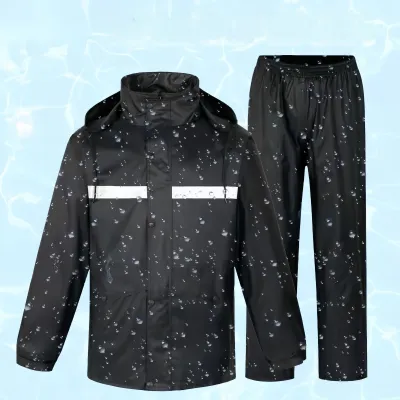
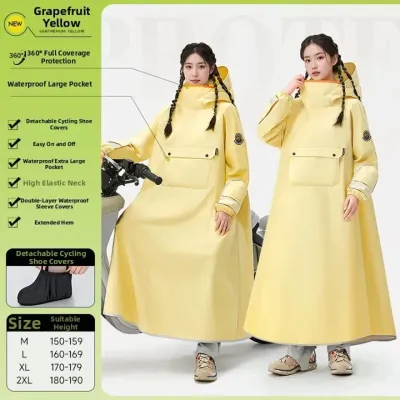
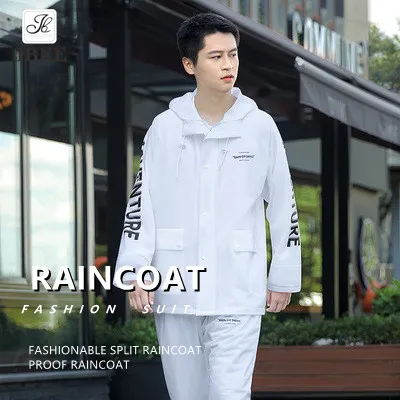
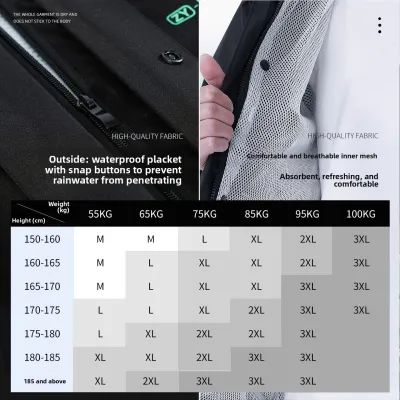
Prices are valid at publication and may change. Please refer to the product page for the latest price.
While counterfeit riding gear is widely prevalent in online marketplaces and physical wholesale districts, riders must not assume a product is genuine based on appearance alone. Modern counterfeiters have become highly skilled at replicating the visual designs and logos of premium brands. To ensure your safety and protect your investment, you must rely on a systematic physical inspection and rigorous verification process before trusting any raincoat on the open road.
Physical and Packaging Clues: Verifying a Raincoat for Men Original
To distinguish a genuine riding raincoat from a counterfeit imitation, you must inspect the physical construction, hardware quality, and packaging details. Genuine manufacturers adhere to strict quality control standards, whereas counterfeiters cut corners on materials and assembly to minimize production costs.
Fabric, Seams, and Hardware Construction
Evaluating the build quality of the raincoat is the most reliable way to assess its waterproofing integrity. Focus your inspection on the following critical construction details:
- Seam Taping: In an original riding raincoat, every stitched seam on the inside is sealed with a specialized hot-melt polyurethane (PU) or thermoplastic polyurethane (TPU) tape. This tape must be perfectly flat, transparent or color-matched, and completely fused to the fabric without any bubbles, creases, or lifting edges. Counterfeit manufacturers often skip this process entirely or use cheap adhesive tape that quickly peels off after exposure to water or heat, leaving stitched holes exposed to leaks.
- Zippers and Flaps: Authentic riding rain gear features heavy-duty, rust-resistant zippers, often sourced from reputable manufacturers like YKK, and incorporates a double storm flap system. This system consists of two overlapping layers of waterproof fabric secured by high-quality hook-and-loop fasteners or durable snaps, creating a labyrinth seal that blocks wind-driven water. Counterfeits typically use lightweight, fragile plastic zippers that split under tension, paired with single, narrow storm flaps that fail to prevent water from penetrating the zipper teeth.
- Material Feel and Odor: Genuine technical fabrics, such as high-denier polyester or nylon with advanced waterproof coatings, feel substantial yet flexible and pliable even in cooler weather. In contrast, counterfeit raincoats are frequently made from low-grade polyvinyl chloride (PVC) or cheap rubberized sheets. These materials have a stiff, plastic-like texture that restricts movement and is prone to cracking when folded. They also emit a strong, toxic chemical or plasticizer odor due to the use of unregulated chemical treatments.
Labels, Tags, and Packaging Quality
Original brands maintain high standards for their branding and packaging, which counterfeiters rarely replicate accurately.
- Print and Stitching Quality: Inspect the brand logos and inner care labels closely. Genuine manufacturers use high-density embroidery with clean, uniform stitching and no loose threads, or crisp, heat-transferred graphics that do not peel or crack when stretched. Counterfeit items often feature blurry text, off-center logos, misspelled technical terms, and loose, messy stitching along the label borders.
- Holograms and Security Tags: Many premium motorcycle gear brands include specific security features, such as serialized holographic stickers, QR codes with unique scratch-off verification panels, or embedded RFID chips. While the absence of these features on older or budget-friendly original models does not automatically mean a product is fake, their presence on a premium model should always be verified against the brand's official security guidelines.
- Packaging: Genuine riding raincoats are treated as premium safety equipment and typically arrive in durable, branded storage bags made of breathable mesh and water-resistant fabric. These packages include high-quality printed hangtags, warranty registration cards, and detailed fabric care booklets. Counterfeits are almost always stuffed into thin, generic, unbranded plastic ziplock bags or flimsy cardboard boxes with low-resolution graphics.
Actionable Verification Methods Before and After Purchase
If you are unable to inspect the raincoat in person before buying, or if you want to verify a recently delivered item, you can perform several practical tests to confirm its authenticity.

- QR Codes and Serial Numbers: Many modern counterfeiters print QR codes on their tags that actually scan, but these codes often direct your smartphone to a cloned website designed to look like the official brand portal. To avoid this trap, do not rely solely on the scanned link. Instead, look closely at the URL of the webpage that opens, checking for subtle spelling variations or unusual domain extensions. For absolute certainty, manually navigate to the brand's official global website in your browser and enter the serial number directly into their official product verification tool.
- Weight and Packability Test: Original riding raincoats are engineered for the mobile lifestyle of motorcyclists, using lightweight, high-density fabrics that compress tightly into a compact shape. A genuine two-piece riding suit typically weighs under a kilogram and fits easily into a small under-seat compartment or tail bag. Counterfeit suits made from cheap, heavy PVC or thick, industrial rubber sheets are incredibly bulky, stiff, and heavy, making them difficult to fold and taking up excessive storage space.
- Reflective Element Check: Retroreflective materials are critical for night riding, especially in heavy rain where visibility is severely compromised. To test this, take the raincoat into a dark room and snap a photo of it using your smartphone's camera with the flash enabled, or shine a flashlight directly at it from eye level. Genuine reflective elements, such as 3M Scotchlite, will bounce the light back with intense, uniform brightness. Counterfeit reflective elements often use cheap silver paint or low-grade reflective tape that looks dull, patchy, or fails to reflect light altogether.
- Water Beading Observation: If you have already purchased the item, pour a small amount of clean water onto the outer fabric. Genuine riding raincoats are treated with a high-quality Durable Water Repellent (DWR) coating that causes water droplets to bead up into tight, spherical shapes and roll off the surface immediately. Counterfeit materials lack this treatment, causing water to saturate the face fabric quickly, creating a dark, wet patch that makes the coat heavy, cold, and prone to leaking under wind pressure.
Choosing Safe Purchasing Channels
Minimizing the risk of receiving a counterfeit raincoat begins with selecting reliable, authorized retailers.
- Official Brand Stores and Authorized Dealers: The most secure way to purchase a genuine raincoat is to buy directly from the brand’s official physical flagship stores or their authorized local distributors. These retailers receive their stock directly from the manufacturers, ensuring authenticity and providing you with valid warranties and reliable customer support.
- Navigating Online Marketplaces: When shopping on large e-commerce platforms, always filter your search results to show only "Official Stores" or "Mall" merchants. These platforms require Mall sellers to undergo strict verification processes, including submitting business permits, trademark certificates, and official authorization letters from the brands they represent, offering an extra layer of security.
- Red Flags in Listings: Be highly suspicious of listings offering premium riding raincoats at prices that are 50% to 80% lower than the manufacturer's suggested retail price (MSRP). High-quality technical fabrics, seam-taping technology, and certified reflective elements are expensive to manufacture, making extreme discounts impossible for genuine gear. Additionally, avoid sellers who rely solely on heavily edited stock photos, lack real-world customer photos in the reviews, or have a history of complaints regarding material quality.
- Pre-order and Overseas Shipping Caution: While many legitimate international brands ship products globally, counterfeiters often use long shipping times as a strategy to exploit buyer protection policies. By the time the package arrives and you realize the raincoat is a fake, the platform's automatic confirmation window may have already closed, making it much more difficult to initiate a dispute and secure a refund.
What to Do If You Receive a Counterfeit Raincoat
If you suspect you have received a counterfeit raincoat, taking immediate, documented action is crucial for securing a refund and protecting other consumers.
- Document the Evidence: Do not wear the raincoat on a ride, wash it, or remove any of the attached tags. Keep all the original packaging, including the shipping label and the plastic mailer. Take high-resolution photos and videos showing the overall construction, the packaging, and specific defects such as messy stitching, untaped seams, cheap zippers, or misspelled labels. Compare these side-by-side with images of the genuine product from the official website.
- Initiate Platform Disputes: Log into your e-commerce account and immediately file a formal return and refund request. Select the option for "counterfeit item" or "item not as described" and upload your documented photo and video evidence. Write a clear, objective description of why the item is a counterfeit, pointing out the specific defects you documented. Do not agree to close the dispute or accept a partial refund if the seller contacts you privately, as this is a common tactic to avoid platform penalties.
- Consumer Protection in the Philippines: Under the Consumer Act of the Philippines, buyers are protected against deceptive sales practices and substandard products. If an online marketplace seller refuses to issue a refund or if the platform fails to resolve your dispute, you can file a formal complaint with the Department of Trade and Industry (DTI) through their Fair Trade Enforcement Bureau (FTEB), providing your purchase records, chat logs, and evidence of the counterfeit item.
Frequently Asked Questions (FAQ)
Can I apply aftermarket waterproofing to a suspected fake raincoat?
No, applying aftermarket waterproofing sprays or treatments to a suspected fake raincoat will not make it safe or reliable for motorcycle riding. While these sprays can temporarily restore or enhance water beading on the outer surface of a fabric, they are designed to work on high-quality, intact technical materials. They cannot fix fundamental structural defects common in counterfeit gear, such as untaped or poorly stitched seams, cheap plastic zippers that split under pressure, or weak fabrics that tear easily in the wind. Relying on a structurally compromised fake raincoat during a high-speed ride in heavy rain is a major safety hazard, as wind pressure will easily force water through these physical gaps regardless of any surface treatment.
Are original riding raincoats always heavier than counterfeit ones?
No, weight is not a definitive indicator of authenticity. While it is true that many cheap, low-quality counterfeit raincoats are made from heavy, thick, non-breathable rubberized PVC sheets, some counterfeiters produce extremely thin, lightweight coats using cheap nylon that lacks any waterproofing membrane or durable water repellent coating. Genuine premium riding raincoats are engineered to balance lightweight, compact packability with high-performance water resistance and breathability. Therefore, you should never judge authenticity based on weight alone. Instead, look at the overall build quality, including the precision of the seam taping, the durability of the zippers, the flexibility of the fabric, and the presence of verified security features.

Community discussion
Share your experience or ask a question. Comments are reviewed before publication.