
Spotting counterfeit Yamaha Original Equipment Manufacturer (OEM) brake hoses and pads for your Mio i 125 is a critical skill for maintaining rider safety on busy roads. Counterfeit parts often mimic the appearance of genuine components, but they lack the structural integrity and material quality required to handle high hydraulic pressures and friction heat. To protect yourself, you must carefully inspect the packaging print quality, verify the security holograms, examine the physical construction of the rubber and metal, and purchase exclusively from authorized channels.
Why Authentic Brake Parts Matter for Your Mio i 125
Braking systems are the most safety-critical components on your motorcycle. When you ride your Mio i 125 through stop-and-go traffic or down steep descents, your front disc brake relies on hydraulic pressure transmitted through the brake hose to squeeze the brake pads against the rotor. Authentic Yamaha OEM parts are engineered to withstand these extreme forces, ensuring consistent stopping power and efficient heat dissipation.
Using counterfeit brake hoses or pads introduces severe risks. Substandard rubber hoses can swell, crack, or burst under sudden, hard braking, leading to a complete loss of hydraulic pressure. Low-grade brake pads may suffer from rapid brake fade, where the friction material glazes over or disintegrates under high temperatures, drastically increasing your stopping distance. Additionally, uneven wear from poorly manufactured pads can damage your brake rotor, leading to costly repairs.
Products mentioned in this guide
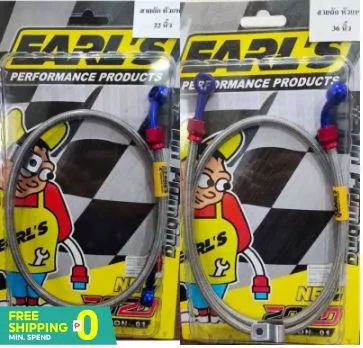
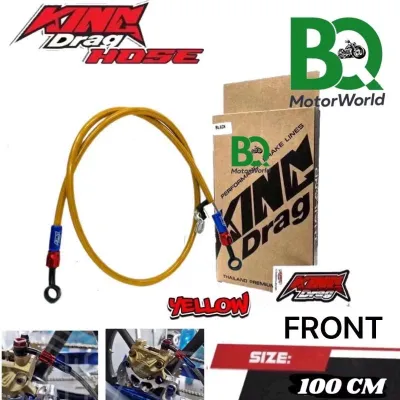
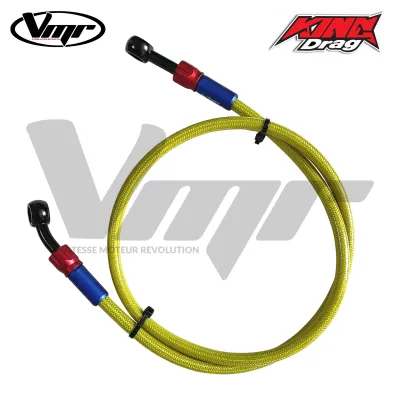
Prices are valid at publication and may change. Please refer to the product page for the latest price.
Because brakes directly impact your safety and road legality, you must strictly adhere to original-vehicle instructions and manufacturer specifications. Never attempt to install or modify brake components without the proper tools and technical knowledge. If you are unsure about any part of the replacement process, always seek qualified installation from a certified motorcycle mechanic to ensure your system is properly bled and free of air bubbles.
How to Check Yamaha Packaging and Security Labels
The first line of defense against counterfeit parts is the packaging. Genuine Yamaha OEM parts are distributed in high-quality packaging with crisp, clear printing. Inspect the box or plastic wrapping for any signs of blurry text, faded colors, or misaligned logos. Counterfeiters often use cheap printing processes that result in smudged lettering or spelling mistakes on the labels.

Always cross-reference the printed part number on the packaging with the official Yamaha Mio i 125 parts catalog or your service manual. A common trick among counterfeiters is to use a generic part number across multiple unrelated components. Verify that the part number matches your specific vehicle model, year, and mounting position. Even a slight variation in the alphanumeric code can indicate an incompatible or fake part.
Yamaha Philippines utilizes specific security features on their packaging to help consumers verify authenticity. Look for official security seals, holographic stickers, or unique verification codes. When tilted under light, a genuine hologram should display clean color transitions and sharp, microscopic details. If the sticker is easy to peel off, looks dull, or lacks the characteristic multi-layered visual depth, treat the product with extreme suspicion.
Visual and Physical Checks for Brake Pads and Hoses
Once you open the packaging, perform a thorough physical inspection of the components. For the brake pads, examine the friction material closely. Genuine Yamaha pads feature a uniform, tightly packed composite material without large voids, cracks, or loose metallic chunks. The steel backing plate should have clean, deburred edges with no signs of rust or sloppy paint runs. Look for the official Yamaha stamping or specific batch markings engraved or printed clearly on the metal backing.
For the brake hose, pay close attention to the rubber body and the metal end fittings. A genuine brake hose for the Mio i 125 is made of high-grade, reinforced rubber designed to resist tropical humidity and heat. The hose should feel firm yet flexible, with embossed text, safety standards, or date codes running along its length. Inspect the metal fittings at both ends; the crimping must be perfectly uniform and free of tool marks, sharp burrs, or uneven gaps that could cause fluid leaks.
Be alert to sensory warning signs. Substandard parts often emit strong, unpleasant chemical odors due to the use of cheap bonding agents and raw plastics. If the brake pads shed excessive loose dust upon touch or if the metal components feel unusually light and flimsy, they do not meet OEM standards. Reject these parts immediately to avoid compromising your motorcycle’s hydraulic integrity.
Where to Safely Buy Genuine Yamaha Parts in the Philippines
To guarantee the authenticity of your replacement parts, you must be selective about where you shop. The safest option is always to purchase directly from authorized Yamaha 3S (Sales, Service, and Spare Parts) dealerships or official physical service centers. Buying from these authorized channels ensures you receive genuine components backed by manufacturer support and warranty coverage.
In contrast, purchasing safety-critical components from unverified sellers on general e-commerce platforms or online marketplaces carries a high risk. Many counterfeit parts are listed at prices that seem too good to be true, targeting budget-conscious riders. If you must buy online, only purchase from official brand stores or highly rated sellers with verified distributor badges.
Before making an online purchase, carefully review the seller’s credentials. Check their return policies, look for official platform verification marks, and read customer reviews. Pay close attention to reviews that mention packaging quality or physical discrepancies. If a seller cannot provide clear proof of authorization or refuses to accept returns for inspection, look elsewhere.
Steps to Take If You Receive a Suspected Counterfeit
If you suspect that the brake hose or pads you received are counterfeit, stop the installation process immediately. Do not attempt to mount or test these parts on your Mio i 125 under any circumstances. Riding with unverified brake components poses an immediate danger to your life and the safety of others on the road.
Document your findings thoroughly. Take clear, high-resolution photos of the packaging, the security labels, the physical parts, and any receipts or invoices. This documentation will serve as crucial evidence when filing a dispute.
Contact the seller immediately to request a full refund, citing your safety concerns and the specific discrepancies you found. Report the fraudulent listing to the e-commerce platform’s customer support or local consumer protection authorities to help prevent other riders from purchasing unsafe parts.
If you have already temporarily installed the suspected counterfeit parts, do not ride the motorcycle. Have the bike transported to a professional workshop. A qualified motorcycle mechanic should inspect the entire braking system, replace the suspect parts with verified genuine components, and perform a complete brake fluid flush using the manufacturer-specified fluid to ensure no contaminants or air bubbles remain in the lines.
Frequently Asked Questions (FAQ)
Can I use aftermarket brake pads instead of Yamaha OEM for my Mio i 125?
Yes, you can use aftermarket brake pads, but you must exercise extreme caution. While some established, reputable aftermarket brands manufacture high-quality pads that meet or exceed OEM standards, you must verify their exact compatibility, material composition, and safety certifications before purchase. Avoid unbranded, generic, or excessively cheap aftermarket pads sold on online marketplaces. These low-cost alternatives often lack the necessary heat resistance and friction stability required for daily commuting in tropical climates, which can lead to rapid wear or sudden brake failure. Always prioritize brands with a proven track record of safety and performance.
How often should I replace the brake hose on my Mio i 125?
You should consult your official Yamaha Mio i 125 owner’s manual for the manufacturer’s recommended inspection and replacement intervals. Generally, brake hoses should be inspected during every routine service and replaced every few years, as rubber naturally degrades over time due to heat, UV exposure, and hydraulic stress. Regardless of mileage, you must replace the brake hose immediately if you observe any physical signs of wear. These signs include cracking along the rubber outer jacket, bulging under pressure, fraying of the internal reinforcement, or any fluid dampness around the metal crimps and banjo bolts.
Community discussion
Share your experience or ask a question. Comments are reviewed before publication.