
Identifying a genuine Yamaha SZ brake master set requires a close inspection of the packaging, casting quality, and physical markings before installation. Because the brake master cylinder is the heart of your motorcycle’s front braking system, installing a counterfeit component exposes you to sudden hydraulic failure on the road. Ensuring you have an authentic part is not just about protecting your investment; it is a critical safety measure for navigating busy streets and unpredictable weather.
The Safety Risks of Counterfeit Brake Components
Brakes are your motorcycle’s most critical safety system, and any compromise in their construction can lead to catastrophic failure. Counterfeit master cylinders often utilize substandard aluminum alloys and low-grade rubber seals that degrade rapidly when exposed to heat and brake fluid. This degradation leads to internal fluid bypass, where pulling the brake lever fails to build the hydraulic pressure needed to push the caliper pistons. Over time, or even suddenly during a hard stop, you may experience a complete loss of braking force.
In tropical climates like the Philippines, high humidity and intense heat accelerate the wear on poor-quality components. A counterfeit master cylinder is highly susceptible to moisture intrusion, which contaminates the brake fluid and lowers its boiling point. When the fluid boils during frequent braking in heavy traffic, gas bubbles form in the system, resulting in a spongy lever feel and a dangerous increase in stopping distance.
Products mentioned in this guide
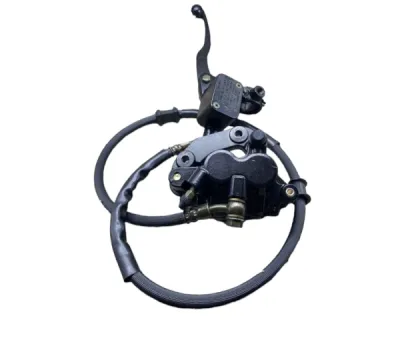
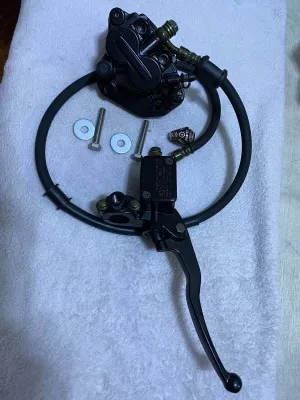
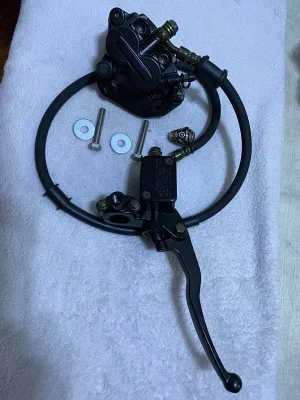
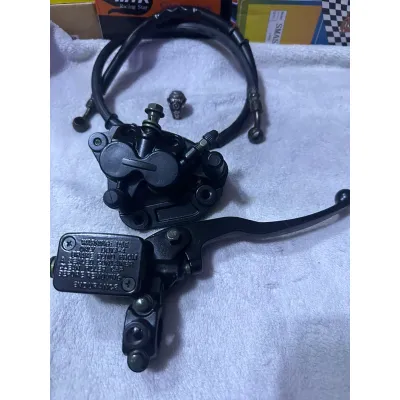
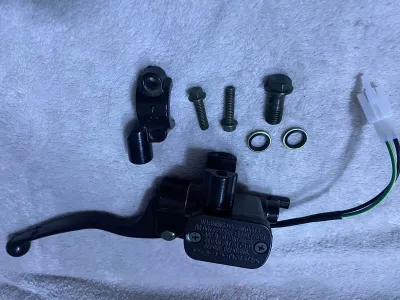
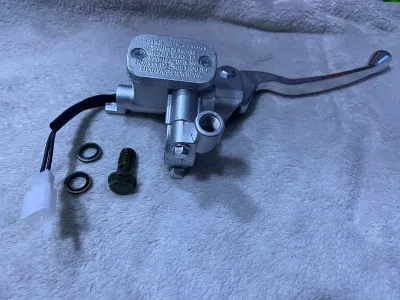
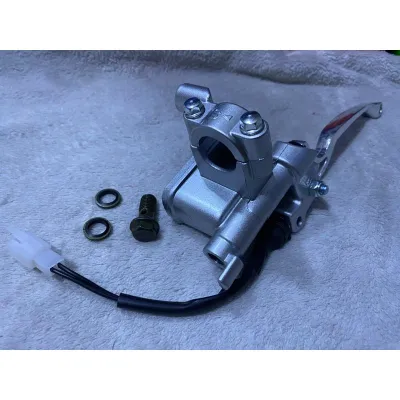
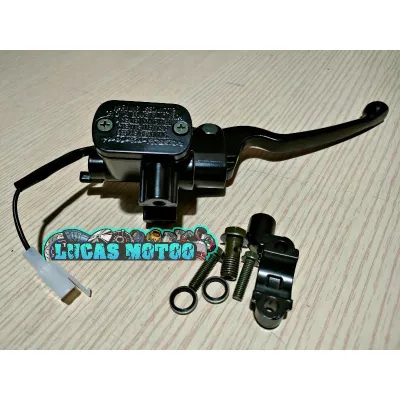
Prices are valid at publication and may change. Please refer to the product page for the latest price.
Furthermore, poor machining tolerances in fake parts can cause the piston to bind inside the cylinder bore. If the piston fails to return to its starting position, the brakes may drag, causing excessive heat buildup, rapid brake pad wear, and potential wheel lockup. Because of these extreme risks, any work on your motorcycle’s braking system must prioritize safety; always refer to your original vehicle manual and have all brake components installed and tested by a qualified professional mechanic.
Key Differences Between Genuine and Fake Yamaha SZ Brake Master Sets
Spotting a counterfeit brake master set requires a systematic inspection of the component’s physical and visual details. Before mounting any new part to your handlebars, you should examine the exterior surfaces, the quality of the hardware, and the packaging details.

The most reliable way to confirm authenticity is to compare the suspect part directly with a known genuine component or official catalog images. Even minor discrepancies in the shape of the reservoir, the position of the casting marks, or the finish of the lever can reveal a counterfeit.
Packaging and Labeling Checks
Genuine Yamaha spare parts are packaged in high-quality boxes with crisp, clear printing and accurate branding. Counterfeiters often use cheaper printing processes, resulting in blurry text, washed-out colors, or even spelling mistakes on the box and accompanying labels. Inspect the cardboard itself; genuine packaging is sturdy and designed to protect the hydraulic components during transit, whereas fake packaging often feels flimsy and easily crushed.
Pay close attention to the official Yamaha label, which typically features specific part number formatting, barcodes, and security holograms. On genuine labels, the barcode lines are sharp and distinct, and the adhesive backing secures the label firmly to the box without peeling at the corners. If the hologram sticker looks dull, lacks depth when tilted under light, or is missing entirely, the part is highly suspect.
Additionally, verify the contents of the package against the official parts list. A genuine Yamaha SZ brake master set includes specific accessories like the correct banjo bolt, crush washers, and sometimes a protective cap or instruction sheet. Counterfeit sets often bundle low-grade, generic bolts with rough threads or mismatched crush washers that fail to create a reliable, leak-free seal.
Build Quality and Material Inspection
The physical construction of the master cylinder body is one of the most telling indicators of its origin. Genuine Yamaha master cylinders are manufactured using high-pressure die-casting, resulting in a smooth, consistent surface finish with clean edges and precise mounting points. Counterfeit parts are often sand-cast or made with low-quality molds, leaving rough textures, visible casting seams, and uneven paint or anodized coatings that easily chip.
Test the mechanical action of the brake lever before installation. A genuine assembly features a smooth pivot mechanism with minimal lateral play, ensuring a consistent and responsive feel when compressed. Fake assemblies often have loose, rattling levers, stiff pivots, or poorly cut return springs that make the lever feel mushy or slow to return.
Inspect the fluid reservoir cap and the internal rubber diaphragm carefully. Genuine diaphragms are made of high-grade, flexible rubber designed to seal out moisture and withstand chemical degradation from brake fluid. Counterfeit diaphragms are often stiff, poorly molded, or made of cheap plastics that warp and leak, allowing brake fluid to escape and damage your motorcycle’s paint and plastic fairings.
How to Verify Authenticity Before and After Purchase
To protect yourself from counterfeit parts, you must take proactive steps to verify the product’s legitimacy throughout the buying process. Start by cross-referencing the exact part number printed on the packaging with the official Yamaha parts catalog. Ensure that the part number matches the specific model year and variant of your Yamaha SZ, as minor differences in mounting brackets or hose angles can affect compatibility and safety.
Many manufacturers now implement digital verification systems to help consumers identify authentic products. Check the packaging for QR codes, scratch-off security labels, or unique serial numbers that can be verified through official online portals or mobile applications. If a QR code directs you to a non-official website or fails to scan entirely, do not install the part.
If you have already purchased the master set and remain unsure of its authenticity, consult a certified Yamaha mechanic at an authorized service center. Professional technicians handle genuine parts daily and can quickly identify subtle anomalies in weight, casting marks, or internal piston design that an untrained eye might miss.
Where to Buy Genuine Yamaha Brake Parts Safely
The most effective way to avoid counterfeit components is to purchase your parts exclusively from authorized Yamaha dealerships and official 3S (Sales, Service, and Spare Parts) shops. Buying directly from these authorized channels guarantees that you receive genuine components backed by manufacturer standards, eliminating the guesswork and safety risks associated with third-party sellers.
If you choose to shop on online marketplaces, you must navigate these platforms with extreme caution. Only purchase from verified official brand stores or highly rated, established sellers who specialize in genuine motorcycle parts. Be skeptical of listings that feature unusually low prices; if a brake master set is priced significantly below the standard retail price found at authorized dealers, it is highly likely to be a counterfeit.
While third-party sellers and local surplus shops may offer convenience or lower upfront costs, they rarely provide the safety guarantees of authorized channels. Saving a few hundred pesos on a critical safety component like a brake master cylinder is never worth the risk of sudden brake failure on the road.
What to Do If You Suspect a Counterfeit Part
If you suspect that you have purchased or installed a counterfeit brake master set, you must prioritize your safety immediately. If the part is already installed on your motorcycle, do not ride the vehicle. Park the motorcycle and inspect the master cylinder, brake lines, and calipers for any signs of fluid leaks, weeping seals, or loss of pressure when the lever is squeezed.
Document your purchase thoroughly by taking clear photos of the packaging, the labels, the physical part, and any visible defects. Contact the seller or the e-commerce platform where you made the purchase to report the counterfeit item and request a refund. Reporting these listings helps protect other riders in the community from purchasing dangerous, unverified components.
Finally, have the suspect part safely removed by a qualified professional and replace it with a verified genuine Yamaha SZ brake master set sourced from an authorized dealer. Flush the entire braking system with fresh, recommended brake fluid to ensure no contaminants or debris from the counterfeit part remain in your brake lines or calipers.
Frequently Asked Questions (FAQ)
Can I use a non-Yamaha brand master cylinder on my SZ motorcycle?
Yes, you can use aftermarket master cylinders, but you must verify that they are from reputable, certified aftermarket brands and match the exact specifications of your Yamaha SZ. It is critical to match the original bore size, mounting bracket dimensions, and thread pitches for the banjo bolts to ensure proper hydraulic pressure and physical compatibility. Using unverified, generic aftermarket parts carries the same safety risks as using counterfeits, so always consult your owner’s manual or a professional mechanic before switching brands.
How often should I replace the brake master cylinder on my Yamaha SZ?
There is no fixed mileage interval for replacing a brake master cylinder, as its lifespan depends heavily on maintenance history and operating conditions. You should inspect the master cylinder regularly and replace it if you notice a spongy lever feel that cannot be resolved by bleeding the brakes, visible fluid leaks around the piston seal, or internal bypass issues where pressure is lost. Performing regular brake fluid flushes according to your maintenance schedule helps protect the internal seals and extends the operational life of the cylinder.
Community discussion
Share your experience or ask a question. Comments are reviewed before publication.