
Identifying a genuine brake shoe requires a careful examination of packaging, physical build quality, and official verification codes. Because the aftermarket is flooded with counterfeit parts, relying on visual cues alone is not enough. Any doubt regarding a part’s authenticity should lead to immediate rejection, as installing fake braking components introduces severe safety risks that compromise your motorcycle’s stopping power.
In the Philippines, where daily commutes involve navigating dense city traffic, sudden tropical downpours, and flooded streets, your motorcycle’s braking system is your primary line of defense. A compromised brake shoe can fail when you need it most, turning a routine stop into a highly dangerous situation. Understanding how to distinguish between genuine and counterfeit components is a vital skill for every rider dedicated to maintaining road safety.
Why Counterfeit Brake Shoes Pose a Severe Safety Risk
Braking systems rely on predictable friction and heat dissipation to slow down your vehicle safely. Genuine brake shoes are engineered using specific, tested friction formulations designed to withstand high temperatures without losing stopping power. In contrast, counterfeit manufacturers use cheap, unverified, and often hazardous materials—such as compressed organic waste, low-grade metal shavings, or weak adhesives—to mimic the appearance of real friction linings.
Products mentioned in this guide
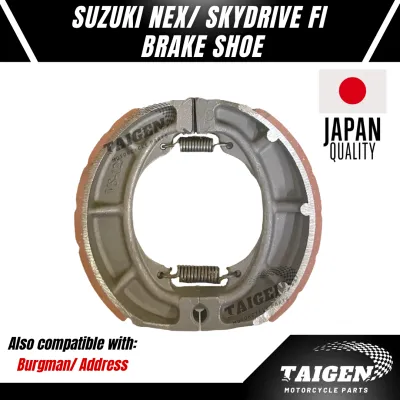
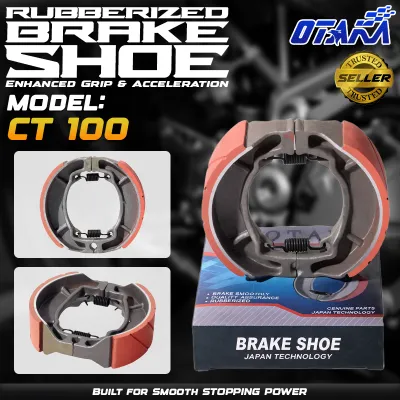
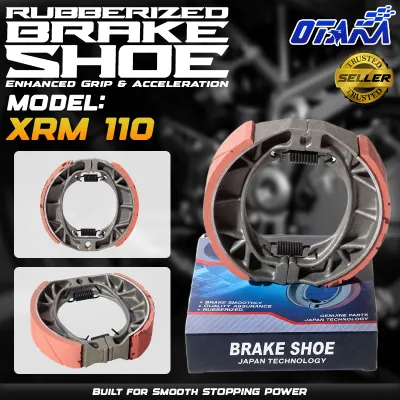
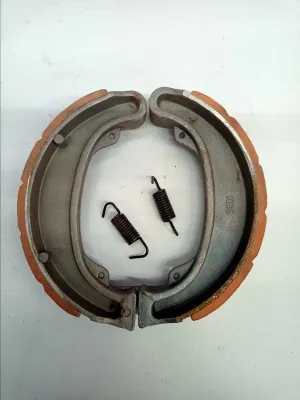
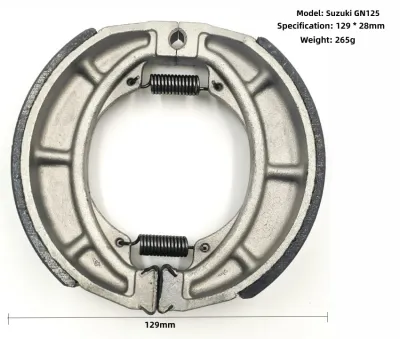
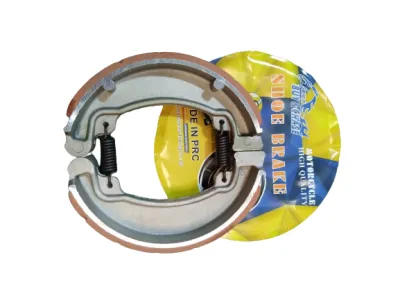
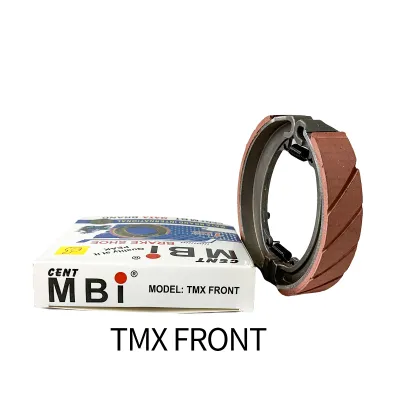
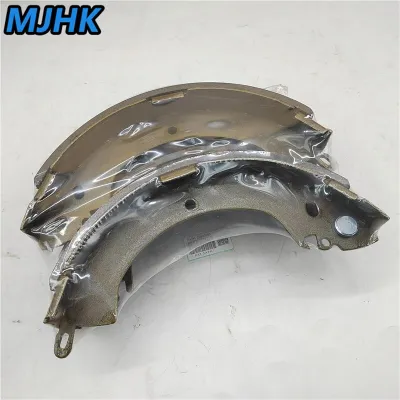
Prices are valid at publication and may change. Please refer to the product page for the latest price.
These substandard materials fail under the thermal stress of continuous braking. When riding down steep mountain passes or navigating stop-and-go traffic in tropical heat, counterfeit brake shoes are highly susceptible to rapid brake fade. This occurs when the friction material overheats, loses its grip against the brake drum, and significantly increases your stopping distance. In extreme cases, the intense heat can cause the friction lining to completely delaminate or break away from the metal backing plate, leading to sudden wheel lockup or total brake failure.
Furthermore, the physical dimensions of counterfeit parts rarely match original equipment manufacturer (OEM) specifications. A poorly fitting brake shoe can cause uneven wear on your brake drums, leading to costly repairs. Because brakes are critical safety systems, you must follow a strict safety boundary: never install, adjust, or road-test a brake shoe if you suspect it is counterfeit. Always refer to your motorcycle’s original service manual for installation specifications, and have all braking components fitted by a qualified professional mechanic to ensure road legality and safety.
Visual and Physical Checks to Spot a Fake Brake Shoe
Before attempting to install any new braking component, you must conduct a thorough physical inspection. Preparing a clean, well-lit workspace is essential for this process. Having a flat surface allows you to lay out the new part alongside the old, worn genuine brake shoe you just removed from your motorcycle, providing an immediate point of comparison.

The inspection process is divided into two distinct phases to ensure no detail is overlooked. First, you must carefully evaluate the external packaging and labeling for signs of tampering or poor manufacturing. Second, you must perform a direct physical assessment of the brake shoe itself, examining its weight, finish, and material composition.
Packaging and Labeling Red Flags
Counterfeiters often spend less effort on packaging quality, making the box your first line of defense. Inspect the outer packaging closely for low-resolution printing, blurred logos, or faded brand colors. Genuine manufacturers use high-quality, crisp printing with precise color matching. Spelling mistakes, grammatical errors, or missing manufacturer contact details on the box are immediate indicators of a counterfeit product.
Security features on the packaging require close scrutiny. Genuine brands often protect their products with holographic stickers, color-shifting inks, or tamper-evident security seals. Check if these stickers are missing, peeling, or poorly aligned. On fake packaging, holograms are often flat, non-reflective stickers that do not change color or reveal hidden patterns when tilted under a light source.
Additionally, compare the printed part numbers, barcodes, and batch codes on the box with official digital catalogs or known genuine packaging. Counterfeiters frequently reuse the same barcode or part number across different product lines, resulting in mismatches. If the barcode is blurry, smudged, or printed on a cheap paper sticker slapped unevenly onto the box, treat the component with extreme suspicion.
Build Quality and Material Differences
Once the packaging is opened, direct your attention to the physical brake shoe. Inspect the friction material closely; it should have a uniform color, consistent texture, and a clean, flush bond with the metal backing plate. Genuine brake shoes feature high-quality bonding agents with no visible gaps, air bubbles, or adhesive overflow along the seam. Counterfeit shoes often show sloppy glue lines, uneven lining thickness, or visible gaps where the friction material meets the metal.
The metal backing plate itself reveals a lot about the manufacturing standards. Genuine plates are precisely cast or stamped, featuring clean, smooth machined edges and clear, deeply engraved part numbers or brand markings. Counterfeit plates often have rough, unfinished edges, sharp burrs, or uneven paint coatings designed to hide rust and low-grade metal. Check the mounting holes and spring anchor points; they must be perfectly circular and free of debris to ensure a secure fit.
Pay attention to sensory details during your physical check. Genuine friction materials are formulated to be stable and low-odor, whereas cheap counterfeits often emit a strong, unpleasant chemical smell due to low-grade binding resins. If the friction material sheds excessive dust when lightly touched, or if the brake shoe feels significantly lighter than the genuine part you removed, do not install it.
How to Verify Authenticity Through Official Channels
Modern manufacturers have introduced digital verification systems to help consumers combat counterfeiting. Many genuine brake shoe packages feature a scratch-off panel revealing a unique serial number or a secure QR code. Use your smartphone to scan these codes or enter the serial numbers directly into the manufacturer’s official website or dedicated mobile app. A genuine code will immediately confirm the product’s authenticity and indicate if the code has been scanned previously.
Always cross-reference the printed part number on the shoe and packaging with the manufacturer’s official digital catalog. Ensure that the part number matches your specific motorcycle or scooter model, production year, and drum dimensions. Counterfeiters often print generic part numbers that do not correspond to the actual vehicle application, which can lead to severe fitment and safety issues.
If you remain uncertain about a part’s legitimacy, contact the brand’s authorized local distributors or official customer support channels in the Philippines. You can share clear photos of the packaging, batch numbers, and physical markings with them. Authorized distributors can quickly verify if the batch number exists in their inventory records or if the packaging design matches the current production run for the local market.
Where to Buy Genuine Brake Shoes Safely
The most effective way to avoid counterfeit brake shoes is to purchase them exclusively from reputable sources. Prioritize authorized dealerships, official brand service centers, and established local auto parts specialists who hold verifiable credentials from the manufacturer. These businesses source their inventory directly from official supply chains, virtually eliminating the risk of stocking fake parts.
If you prefer shopping on e-commerce platforms, you must exercise strict caution. Filter your search results to display only official flagship stores or highly rated sellers that carry verified brand authorization badges. Avoid buying from unverified third-party merchants who cannot provide proof of authorization, even if they claim their products are genuine or original equipment.
Price is a critical indicator of authenticity in the local aftermarket. While everyone appreciates a good deal, extreme discounts are a primary red flag for counterfeit goods. If a genuine brake shoe typically retails for around ₱500, a listing offering the “same” part for ₱150 is almost certainly a fake. Counterfeiters use cheap materials to lower production costs, allowing them to undercut market prices significantly to attract unsuspecting buyers.
What to Do If You Suspect You Bought a Counterfeit Part
If your physical checks or digital verification attempts suggest that a brake shoe is counterfeit, you must take immediate action to protect yourself and other road users. Stop the installation process immediately. Under no circumstances should you attempt to mount, adjust, or road-test a suspected counterfeit brake shoe, as doing so puts your life and your vehicle at risk.
Document your findings thoroughly to build a strong case for a refund or dispute. Take clear, well-lit photographs of the packaging, the suspicious labels, the lack of security features, and any physical defects on the brake shoe itself. Keep your original purchase receipt, invoice, and any online transaction records safe, as these will be required by sellers or platforms to process your claim.
Initiate a formal return or refund request through the seller or the e-commerce platform’s buyer protection program as soon as possible. Submit your photographic evidence and explain clearly that the item received is a counterfeit safety-critical component. Finally, consult a qualified motorcycle mechanic to inspect your braking system and help you source a verified, genuine replacement part to get your motorcycle back on the road safely.
Frequently Asked Questions (FAQ)
Can I rely solely on the price to determine if a brake shoe is fake?
No, you cannot rely solely on the price to determine authenticity. While an incredibly low price is a strong warning sign of a counterfeit part, some sophisticated counterfeiters price their fake brake shoes very close to the standard retail price of genuine parts. They do this deliberately to avoid raising suspicion and to trick buyers into believing they are purchasing a legitimate product. Therefore, you must always combine price checks with thorough physical inspections and official digital verification methods to confirm the part’s authenticity.
Is it safe to use a fake brake shoe for the rear wheel only?
No, it is highly dangerous to use a counterfeit brake shoe on any wheel, including the rear. Both the front and rear braking systems must meet strict safety and performance standards to maintain overall vehicle stability, balance, and control. In the Philippines, wet road conditions, sudden downpours, and muddy surfaces require reliable rear braking to prevent dangerous rear-wheel skids. A failing or locking rear brake shoe can cause you to lose control of your motorcycle instantly, making counterfeit parts unsafe regardless of where they are installed.
Community discussion
Share your experience or ask a question. Comments are reviewed before publication.