
Identifying an original Dri Plus raincoat requires a close inspection of the fabric texture, seam construction, logo alignment, and retail source. In the Philippines, where sudden tropical downpours and high humidity test the limits of any riding gear, counterfeit raincoats frequently fail to keep riders dry. To ensure you are purchasing a genuine product, you must look beyond the surface appearance and evaluate the physical details of the garment, such as the heat-sealed inner seams, the quality of the fasteners, and the consistency of the branding.
Why Authenticity Matters for Motorcycle Rain Gear
Riding a motorcycle during the rainy season in the Philippines presents unique safety challenges that require reliable protective equipment. Genuine riding gear is designed to withstand high-velocity wind and heavy rain, keeping the rider dry and focused on the road.
When a rider unknowingly purchases a counterfeit raincoat, they compromise their primary line of defense against the elements. Cheap imitation raincoats often fail to provide adequate waterproofing, allowing water to seep through the fabric and seams within minutes of exposure.
Products mentioned in this guide
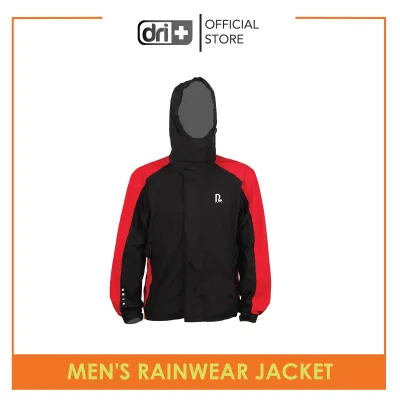
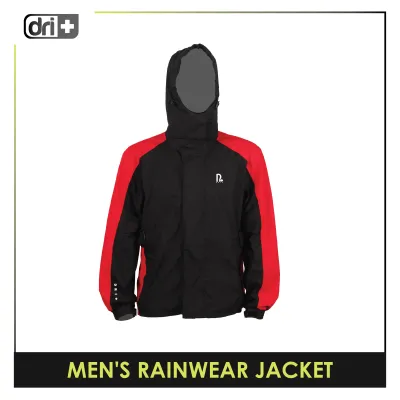
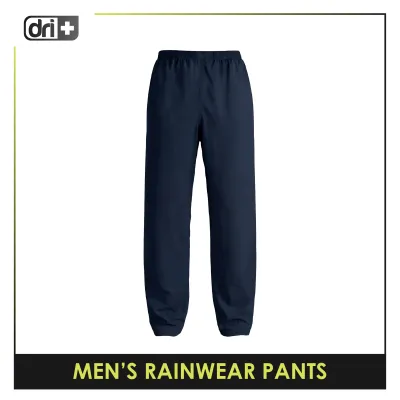
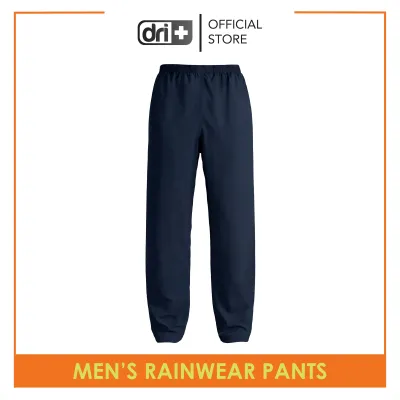
Prices are valid at publication and may change. Please refer to the product page for the latest price.
This moisture penetration leads to rapid cooling of the body, which can cause discomfort, shivering, and early stages of hypothermia. A cold, wet rider is a distracted rider, and reduced concentration significantly increases the risk of accidents on slippery roads.
Visibility is another critical safety factor that counterfeit gear compromises. Original raincoats designed for motorcycling typically feature high-grade reflective elements that bounce light back to other motorists in low-light or heavy-rain conditions. Counterfeit versions often use cheap, non-reflective silver paint or low-quality strips that fail to illuminate, leaving the rider virtually invisible to other vehicles during night rides.
Furthermore, the physical durability of counterfeit gear is notoriously poor. The high wind pressure experienced while riding can easily tear weak seams or thin materials, causing the raincoat to flap violently or rip open entirely during a journey. Investing in authentic gear ensures that the materials and construction methods used can withstand the physical stresses of daily commuting.
Key Visual and Physical Checks for a Genuine Dri Plus Raincoat
Verifying the authenticity of riding gear requires a systematic approach that examines both the packaging and the physical construction of the garment. Counterfeiters have become adept at replicating the basic look of popular brands, making a casual glance insufficient for verification.

No single feature can definitively prove that a raincoat is genuine, so you must perform a combination of visual and physical checks. By inspecting the labels, feeling the material, and examining the construction quality, you can make an informed decision before finalizing your purchase.
Inspecting the Packaging and Labels
The first point of inspection should always be the packaging and the attached labels. Genuine manufacturers maintain high standards of quality control, which extend to their retail packaging, hangtags, and interior labels.
Examine all printed logos on the packaging and the garment itself for high-resolution clarity, correct spelling, and consistent font styling. Counterfeit products often feature slightly distorted logos, blurry printing, or subtle spelling errors that attempt to mimic the official branding.
Check the interior of the raincoat for care labels, material composition tags, and sizing charts. Genuine items typically have clearly printed, securely stitched tags that provide specific care instructions and material details in clean, legible text. If the tags are missing, poorly cut, or contain generic sizing information that does not match the brand’s standard formats, the item is likely a counterfeit.
Additionally, look for any official holograms, QR codes, or authenticity seals on the hangtags. If the manufacturer utilizes these security features, use your smartphone to scan the QR code or verify the hologram’s reflective patterns. Authentic QR codes should direct you to an official verification portal rather than a generic website or a broken link.
Evaluating Material Quality and Stitching
The physical feel of the fabric and the precision of the construction are the most reliable indicators of a genuine raincoat. High-quality riding gear is manufactured using specialized waterproof fabrics that balance water resistance with flexibility.
When handling the raincoat, feel the thickness and texture of the material. Genuine raincoats generally feel substantial yet flexible, allowing for a comfortable range of motion while riding. Counterfeit versions often feel excessively stiff, paper-thin, or greasy to the touch, indicating the use of cheap, low-grade plastics or untreated fabrics.
Turn the raincoat inside out to examine the seam sealing and stitching consistency. Authentic waterproof gear relies on heat-sealed tape over the stitched seams to prevent water from leaking through the needle holes. Inspect the shoulders, armpits, and zipper areas to ensure the seam tape is wide, flat, and completely adhered to the fabric without lifting or bubbling.
Test the functionality of all hardware, including zippers, snaps, and Velcro fasteners. Genuine gear utilizes durable, smooth-sliding zippers that often feature branded pulls or weather-resistant covers. If the zippers catch easily, feel flimsy, or lack proper weather flaps, the garment’s ability to keep out water is highly suspect.
Common Red Flags in Counterfeit Raincoats
Recognizing the common shortcuts taken by counterfeit manufacturers can help you quickly identify a fake product before spending your money. These red flags are often the result of cost-cutting measures in materials and assembly.
One of the most immediate warning signs is a strong, foul chemical odor emanating from the raincoat. This distinct smell usually indicates the use of cheap, unregulated polyvinyl chloride (PVC) or low-grade rubber compounds. These materials not only degrade quickly but can also cause skin irritation or allergic reactions when worn in hot, humid tropical climates.
Examine the reflective strips closely to ensure they are securely integrated into the design. On counterfeit coats, these strips are often poorly stitched, peeling at the edges, or made of simple grey fabric that offers no actual reflectivity. You can test this in a dark room by shining a flashlight or phone camera flash at the strips to verify their reflective performance.
Look for structural inconsistencies such as misaligned patterns, uneven hems, or completely missing seam tape on the interior. Counterfeiters rarely invest the time required to align panels correctly, resulting in asymmetrical sleeves or crooked pockets.
Finally, be highly suspicious of prices that seem too good to be true. While discounts do occur, a price that is significantly lower than the standard retail rate in the Philippines—such as a brand-new coat offered for a fraction of its typical ₱ price—is a strong indicator of a counterfeit product. Genuine manufacturing processes and quality materials carry a baseline cost that legitimate retailers must cover.
Where to Buy Authentic Riding Gear Safely
To minimize the risk of purchasing counterfeit riding gear, you must be selective about where you shop. Choosing the right purchasing channel is the most effective way to guarantee product authenticity.
Prioritize buying directly from official brand websites, authorized physical motorcycle accessory dealers, or verified flagship stores on major e-commerce platforms. These sellers receive their inventory directly from the manufacturer, ensuring that the products meet all quality and safety standards.
If you are purchasing from a third-party seller on an online marketplace, take the time to evaluate their credibility. Check the store’s overall rating, read detailed customer reviews, and look for photos uploaded by previous buyers showing the actual product received. Be cautious of stores with generic names, high volumes of negative feedback regarding product quality, or a lack of clear return policies.
Avoid purchasing gear from unverified social media sellers, online classifieds, or informal street vendors. These channels often lack consumer protection mechanisms, making it difficult or impossible to secure a refund if you discover the raincoat is a fake after the transaction is complete.
What to Do If You Suspect a Fake
If you have already purchased a raincoat and suspect it is a counterfeit, taking prompt action can help you recover your money and protect other riders.
Begin by documenting all discrepancies between the item you received and the genuine product. Take clear, well-lit photographs of the blurry logos, poor stitching, peeling seam tape, or incorrect labels, and keep your original purchase receipt or digital transaction record.
Contact the seller or the customer support team of the e-commerce platform where you made the purchase immediately. Present your photographic evidence and request a return or refund based on the platform’s buyer protection policies regarding counterfeit goods.
Additionally, report the suspicious listing or seller account to the platform’s administration. By flagging counterfeit listings, you help clean up the marketplace and prevent other motorcycle riders in the community from purchasing substandard, unsafe gear.
Frequently Asked Questions (FAQ)
Can I rely solely on the price to identify a fake Dri Plus raincoat?
No, you should not rely solely on the price to determine authenticity. While an extremely low price is a clear red flag, some sophisticated counterfeiters price their fake products close to the standard retail rate in the Philippines to avoid raising suspicion. This tactic makes the item appear legitimate to unsuspecting buyers. Therefore, you must always combine price evaluation with a thorough physical inspection of the materials, stitching, and labels to confirm whether the product is genuine.
Do original Dri Plus raincoats come with a warranty?
Warranty coverage for genuine riding gear typically depends on the specific product line and the policies of the authorized retailer. Genuine manufacturers often provide a limited warranty against manufacturing defects, such as failing seam tape or broken zippers, when purchased through official channels. To protect your investment, always check the official manufacturer’s policy at the time of purchase, retain your original receipt, and follow any required product registration steps.

Community discussion
Share your experience or ask a question. Comments are reviewed before publication.