
Identifying a genuine heavy-duty raincoat requires a close inspection of its material weight, seam construction, hardware details, and brand-specific security features. In regions like the Philippines, where sudden tropical downpours and high humidity are daily realities for motorcycle commuters, relying on counterfeit riding gear can quickly lead to a soaked, uncomfortable, and potentially hazardous ride. Knowing how to spot the differences between an original product and a cheap imitation ensures your investment keeps you dry and safe on the road.
Counterfeiters have become increasingly sophisticated, replicating external designs and logos with surprising accuracy. However, they almost always cut corners on the underlying technology, such as specialized waterproof membranes, seam-sealing tapes, and durable fasteners. By learning to evaluate these critical structural elements, you can protect yourself from purchasing substandard gear that fails when you need it most.
Why Authenticity Matters for Heavy-Duty Rain Gear
Using a counterfeit heavy-duty raincoat during a heavy downpour poses significant practical and safety risks, especially for motorcycle riders navigating busy highways. Genuine heavy-duty rain gear is engineered to balance robust water resistance with breathability, allowing body heat and moisture to escape while keeping external water out. Cheap, non-breathable counterfeit alternatives often rely on basic plastic or low-grade PVC sheets that trap sweat inside, creating a humid, uncomfortable microclimate that can distract you while riding.
Products mentioned in this guide
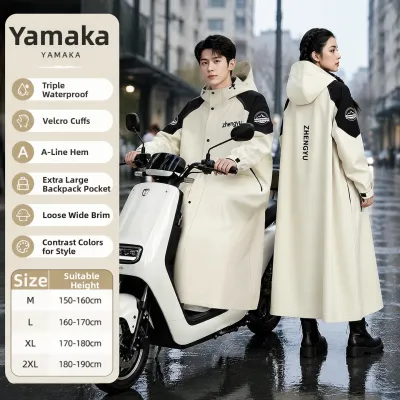
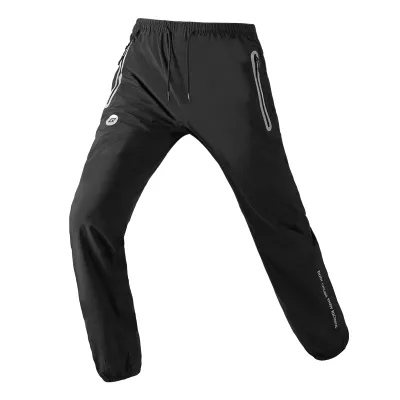
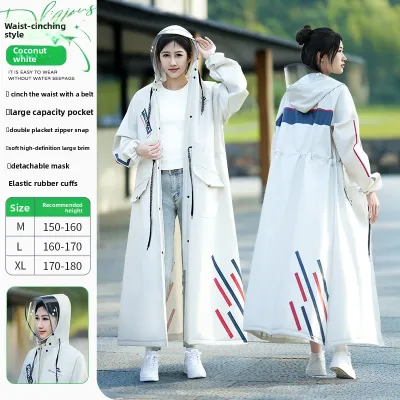
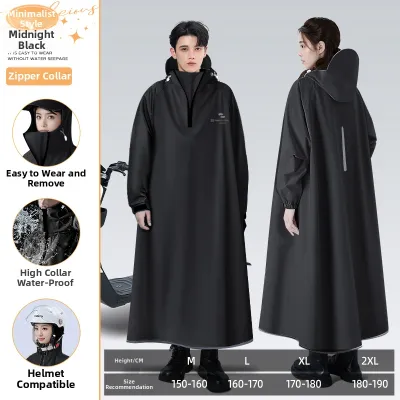
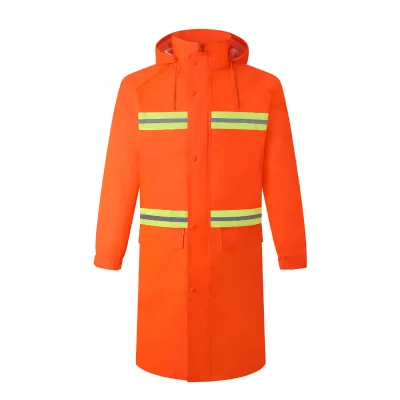
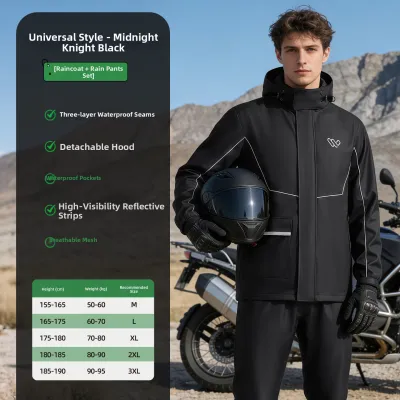
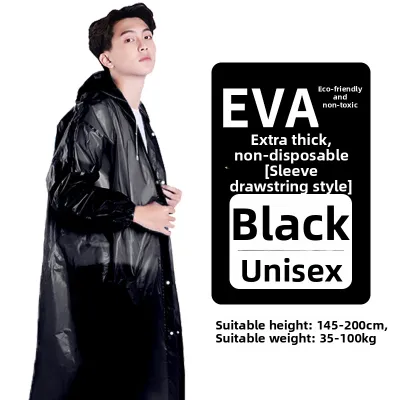

Prices are valid at publication and may change. Please refer to the product page for the latest price.
Furthermore, authentic heavy-duty materials are designed to withstand the high wind pressures experienced at highway speeds without tearing or flapping excessively. Counterfeit raincoats frequently suffer from sudden structural failures, such as seams splitting open under wind stress or fabric tearing at high-tension areas like the underarms and crotch. This sudden loss of protection leaves you completely exposed to the elements mid-ride.
Safety is also compromised when it comes to visibility and thermal regulation. Genuine riding raincoats feature high-grade retroreflective elements that remain highly visible under headlight beams in low-light or stormy conditions. Fakes often use cheap reflective paint or low-quality tape that quickly degrades, cracks, or loses its reflectivity after a few wet-and-dry cycles. Additionally, during long rides in cooler, wet upland areas, a failed raincoat can lead to rapid body temperature drops, affecting your reaction times and physical control of your motorcycle.
Physical Checks: Material, Seams, and Hardware
The most reliable way to verify the authenticity of a heavy-duty raincoat is through a hands-on physical inspection of its materials and construction. Genuine heavy-duty raincoats are typically constructed from high-density polyester, nylon, or premium polyurethane-coated fabrics that feel substantial, supple, and flexible. When you handle an original raincoat, the material should feel thick yet pliable, resisting stiffening even when exposed to cooler temperatures. In contrast, counterfeit raincoats often feel stiff, crinkly, or excessively thin, and they frequently emit a strong, lingering chemical odor from cheap plasticizers and low-grade PVC.

Next, turn the raincoat inside out to inspect the seam construction, which is the primary point of failure for cheap imitations. Authentic waterproof riding gear utilizes advanced seam-sealing technology, where every stitched seam is covered with a heat-welded waterproof tape or the panels are joined using high-frequency welding. These seals should be perfectly flat, smooth, and free of bubbles, lifting edges, or loose threads. Counterfeiters rarely invest in the specialized machinery required for proper seam sealing; instead, they often leave the stitching exposed or apply a thin, poorly adhered tape that easily peels away when gently rubbed.
Hardware quality is another clear indicator of authenticity that counterfeiters frequently overlook. Examine the main zippers, pocket closures, snaps, and hook-and-loop fasteners. Original heavy-duty raincoats use robust, corrosion-resistant zippers—often from reputable manufacturers like YKK—that glide smoothly without catching or splitting. Look for clean, crisp brand markings or logo moldings on the zipper pulls and metal snaps. The hook-and-loop fasteners on an authentic coat should have a dense, tight grip and be securely stitched to the fabric, whereas fakes often use loose, low-grip velcro that frays rapidly at the edges.
Verifying Labels, Tags, and Brand Codes
Manufacturers of premium riding gear implement specific labeling and packaging standards to help consumers verify product authenticity. Many reputable brands include security features such as holographic stickers, unique QR codes, or individual serial numbers on the product hangtags. You can scan these codes or enter the serial numbers directly into the brand’s official verification portal to confirm if the item is registered in their database. If the code is missing, scratched off, or leads to a generic, non-secure website, the product is highly likely to be a counterfeit.
You should also carefully examine the internal care labels and material composition tags sewn into the lining of the raincoat. Authentic brands maintain strict quality control over their labeling, ensuring that the text is crisp, perfectly aligned, and free of spelling or grammatical errors. Compare the font style, spacing, and stated material percentages against the official specifications listed on the manufacturer’s website. Counterfeit tags often feature blurry printing, uneven stitching, or incorrect material descriptions that do not match the actual product.
Finally, evaluate the packaging and accompanying accessories that come with the raincoat. Original heavy-duty rain gear is typically packaged in high-quality, branded dust bags, durable zippered pouches, or boxes featuring high-resolution graphics and clear product information. The inclusion of branded hangers, detailed care instruction manuals, and neatly folded protective tissue paper indicates a genuine product. Counterfeiters often cut costs by shipping items in plain, unmarked plastic bags or low-quality packaging with pixelated, poorly printed graphics.
Evaluating the Seller and Purchase Channel
Where and from whom you buy your heavy-duty raincoat is just as important as the physical product checks. To minimize the risk of purchasing a counterfeit, always prioritize buying from authorized brand dealers, official brand flagship stores on major e-commerce platforms, or established local motorcycle accessory shops. These sellers have direct supply chains from the manufacturers and can provide genuine warranties and customer support.
When browsing online marketplaces, be highly skeptical of listings that exhibit common red flags. Be cautious of sellers using stolen stock photos that feature watermarks from other stores, or listings with vague, poorly translated product descriptions that lack specific technical details. Price is also a major indicator; if a premium heavy-duty raincoat that typically retails for ₱3,000 is being offered for ₱500, it is almost certainly a counterfeit. Genuine high-quality materials and manufacturing processes have baseline costs that make extreme discounts unrealistic.
Before making a purchase, take the time to thoroughly review the seller’s ratings and read recent customer feedback. Look for detailed reviews from buyers who have actually tested the raincoat in wet conditions, paying close attention to comments regarding the fit, material thickness, and seam integrity. Be wary of stores that have a high volume of generic, repetitive five-star reviews with no written details, as these can be artificially generated to mask poor product quality and authenticity issues.
What to Do If You Receive a Suspected Fake
If you receive a raincoat and suspect it is a counterfeit after performing your physical and label checks, it is crucial to take immediate action to secure a refund. Start by documenting all the discrepancies you have identified. Take clear, well-lit, close-up photographs of the poorly sealed seams, low-quality hardware, spelling errors on tags, or any packaging defects. Compare these side-by-side with images of the genuine product from the official manufacturer’s website if possible.
Next, initiate a return or refund request directly through the e-commerce platform’s buyer protection program before the automated confirmation window closes. Clearly state that the item received is counterfeit or not as described, and upload your photographic evidence to support your claim. Most reputable online marketplaces have strict policies against the sale of counterfeit goods and will facilitate a return or refund once the evidence is reviewed.
While your dispute is being processed, do not use, wash, or alter the raincoat in any way. Wearing the suspected fake during a ride not only exposes you to the risk of getting soaked but can also cause wear and tear that might complicate the return process. Keep all original packaging, tags, and accessories intact to ensure a smooth return transaction.
Frequently Asked Questions (FAQ)
Can I rely solely on a water spray test to prove a raincoat is original?
No, a simple water spray test is not a reliable method for verifying the authenticity of a heavy-duty raincoat. While spraying water on the fabric can demonstrate surface water repellency, it only shows that a temporary Durable Water Repellent (DWR) coating has been applied. Counterfeiters often apply cheap chemical coatings to their products so that water beads off initially, giving the illusion of high quality. However, these temporary coatings quickly wash off or degrade after just a few uses, leaving you unprotected. A spray test cannot verify the integrity of internal seam sealing, the durability of the underlying membrane, or the overall structural strength of the gear under wind pressure.
Are heavy-duty raincoats without prominent brand logos always fake?
Not necessarily. Many authentic, high-quality heavy-duty raincoats are designed with a minimalist aesthetic, prioritizing functionality and aerodynamics over loud branding. Some premium manufacturers place their logos discreetly on the inner lining, the hem, or subtly molded onto the hardware rather than displaying large, bright graphics on the exterior. Instead of relying solely on the presence or size of external logos, you should focus your evaluation on the quality of the materials, the precision of the seam sealing, the robustness of the zippers, and the validity of the internal care labels and security codes.

Community discussion
Share your experience or ask a question. Comments are reviewed before publication.