
To identify a genuine NGK spark plug, inspect the physical characteristics of the plug itself rather than relying solely on the box. Authentic NGK spark plugs feature clean, perfectly rolled threads, a non-removable washer (gasket), a high-quality ceramic insulator with a smooth, off-white finish, and a precisely aligned electrode. Counterfeit plugs typically show rough threading, loose gaskets that easily screw off, misaligned electrodes, and easily smudged or printed markings on the hex nut and ceramic body.
Using unverified ignition components poses a significant risk to your vehicle’s performance. Understanding how to spot these differences before installation is the most effective way to protect your engine from costly mechanical failures.
Why Counterfeit NGK Spark Plugs Are a Serious Engine Risk
Spark plugs play a critical role in your engine’s combustion cycle, directly influencing ignition timing, fuel efficiency, and overall power delivery. A genuine spark plug is engineered to withstand extreme pressures and thermal cycles within the combustion chamber. When a counterfeit plug is installed, these precise engineering standards are entirely absent, leaving your engine vulnerable to severe operating issues.
Products mentioned in this guide
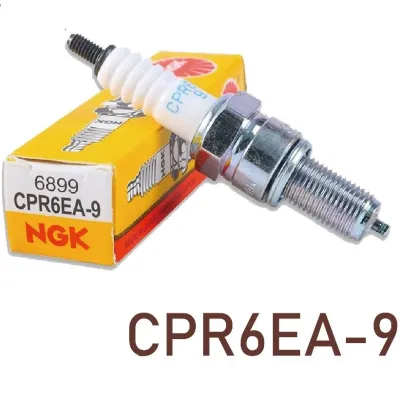
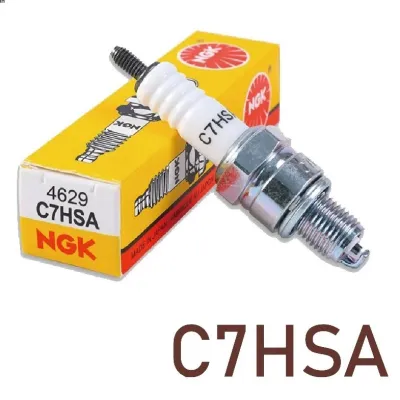
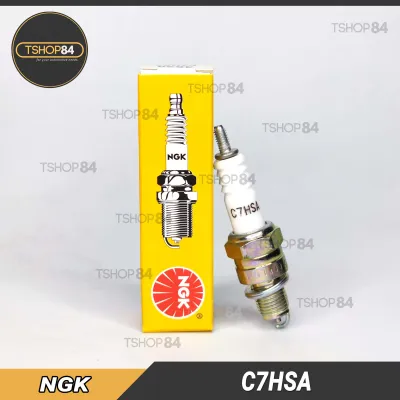
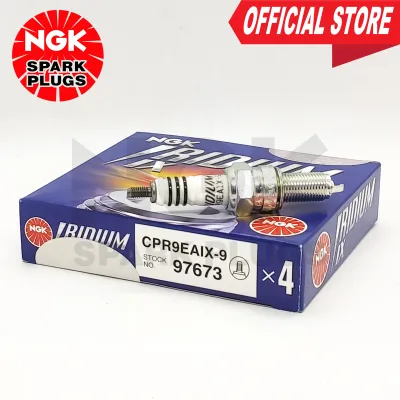
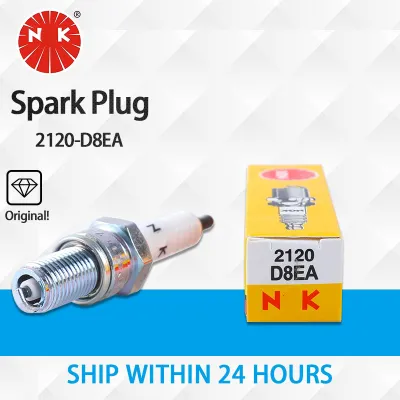
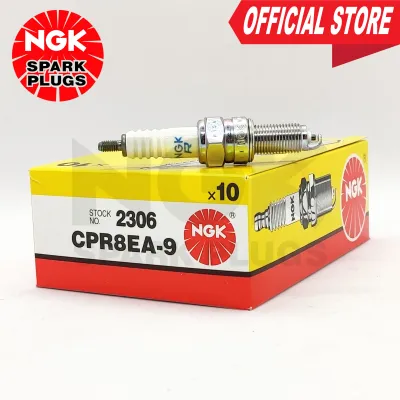
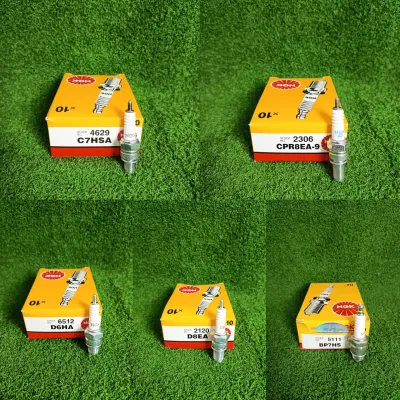
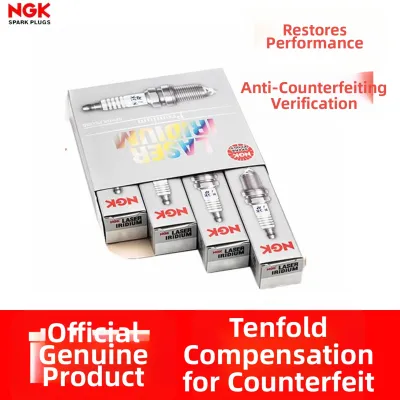
Prices are valid at publication and may change. Please refer to the product page for the latest price.
Counterfeit spark plugs are typically manufactured using substandard materials that cannot handle high-voltage electrical currents or intense combustion heat. This leads to poor electrical conductivity, rapid electrode wear, and incorrect heat ranges. Consequently, your engine may suffer from persistent misfires, poor fuel economy, rough idling, and a noticeable loss of acceleration.
In tropical driving environments like the Philippines, where high ambient temperatures and dense, stop-and-go city traffic place additional thermal stress on the engine, these vulnerabilities are magnified. A fake plug with an incorrect heat range can cause pre-ignition or engine knocking. Over time, this localized overheating can melt the spark plug electrode or damage the piston crown.
The worst-case scenario involves structural failure of the ceramic insulator. Under high combustion pressure, low-grade ceramic can crack or shatter, dropping hard debris directly into the cylinder. This debris can score the cylinder walls, damage the valves, and lead to catastrophic internal engine failure that requires a complete engine rebuild. Conducting a thorough physical inspection before installing any new spark plug is your primary defense against these expensive repairs.
Key Visual Differences: Original vs. Fake NGK Spark Plugs
Spotting a counterfeit NGK spark plug requires a close, methodical examination of its physical components. Because counterfeiters have become highly skilled at replicating outer packaging, you must look closely at the manufacturing quality of the plug itself.

Inspecting the Packaging and Box Details
Begin by examining the cardboard packaging for print quality, color accuracy, and overall construction. Genuine NGK boxes feature crisp, high-resolution printing, accurate brand colors, and perfectly aligned text. The barcodes and part numbers on the box should be sharp and easy to read, without any ink bleeding or blurry edges.
Pay close attention to the spelling and font consistency on all sides of the box. Counterfeit packaging often exhibits minor spelling errors, uneven font spacing, or slightly distorted logos.
However, packaging quality alone is not a definitive proof of authenticity. Counterfeiters frequently update their printing processes to mimic genuine boxes almost perfectly. A flawless box does not guarantee that the spark plug inside is authentic, which is why you must always proceed to a physical inspection of the plug itself.
Examining the Ceramic Insulator and Metal Shell
The ceramic insulator on a genuine NGK spark plug is made from high-grade alumina ceramic, which gives it a specific off-white or slightly yellowish hue with a clean, semi-matte finish. The corrugations (ribs) on the insulator are perfectly formed, smooth, and symmetrical to prevent high-voltage flashover.
In contrast, counterfeit plugs often use cheap porcelain or low-grade ceramic. This results in a stark, chalky white or overly glossy appearance, and the ribs may feel rough, uneven, or show visible molding lines. Additionally, the printed “NGK” logo on a genuine ceramic insulator is applied using a high-temperature thermal transfer process, meaning it is perfectly aligned, crisp, and cannot be scratched off with a fingernail. On a fake plug, this lettering is often crooked, smudged, or easily scraped away.
Next, inspect the metal shell and the hex nut. Genuine NGK plugs feature clean machining with a bright, uniform zinc-chromate plating that protects the metal from corrosion and seizing. The brand name and part numbers are deeply, cleanly, and evenly stamped or rolled into the metal hex. Fake plugs often have shallow, uneven stamping, visible casting seams from cheap molds, or a dull, dark metal finish that may already show signs of flaking or rusting.
Checking the Electrode and Threading Quality
The business end of the spark plug reveals the most telling signs of manufacturing quality. Inspect the center and ground electrodes closely. Genuine NGK spark plugs, especially those with precious metal tips like iridium or platinum, feature incredibly precise laser welds at the base of the fine-wire electrode. The ground electrode is perfectly aligned directly over the center electrode to ensure a consistent spark path.
Counterfeit plugs rarely replicate this level of precision. Their center electrodes are often thicker, lack the distinct fine-wire tip of genuine iridium or platinum, and may be visibly misaligned or crooked. The welding on the ground electrode of a fake plug is often sloppy, showing excess metal splatter or weak joints that can fail under thermal stress.
Now, examine the threads on the metal shell. Genuine NGK threads are rolled onto the shell during manufacturing, resulting in perfectly smooth, uniform, and burr-free threads that thread easily into the cylinder head. Counterfeit threads are often cut rather than rolled, leaving rough edges, tiny metal shavings, or flat spots that can easily strip or cross-thread your engine’s aluminum cylinder head.
Finally, perform the gasket test. The steel gasket (washer) on a genuine NGK spark plug is rolled onto the thread groove during production and cannot be easily removed. It can spin slightly but will not slide off the threads. On a counterfeit plug, the gasket is often cheaply stamped and can be easily unscrewed or slid completely off the end of the threads.
How to Verify NGK Spark Plug Part Numbers and Codes
Every genuine NGK spark plug is marked with specific manufacturing codes and part numbers that can help you verify its authenticity. These markings are located on both the ceramic insulator and the metal hex nut.
On the metal hex nut, look for the four-digit alphanumeric production or batch code. On a genuine plug, this code is cleanly and deeply stamped or laser-etched into one of the flat faces of the hex. The characters are perfectly aligned, evenly spaced, and crisp. Counterfeit plugs often feature shallow engraving, uneven dot-matrix printing, or ink-printed codes that smudge easily when rubbed with a finger or a splash of solvent.
Cross-reference the part number printed on the ceramic insulator with the part number stamped on the metal shell and the one printed on the box. All three must match exactly. You can verify these part numbers using official NGK catalogs or application guides to ensure the code corresponds to a real, valid product configuration designed for your specific vehicle.
Some regional NGK packaging features security labels, such as holographic stickers or scratch-off QR codes that link directly to an official verification portal. If your packaging includes these features, scan the code or check the hologram’s color-shifting properties under direct light.
Always maintain a safety boundary when verifying codes. Highly sophisticated counterfeiters sometimes copy valid batch numbers and part numbers from genuine plugs and print them onto fake products. Because a valid code can still be printed on a counterfeit item, code verification must always be used in combination with the physical build quality checks detailed above.
Where to Buy Genuine NGK Spark Plugs in the Philippines
To minimize the risk of purchasing counterfeit ignition components, you must be selective about where you shop. Buying from unverified sources significantly increases your chances of receiving low-quality, dangerous fakes.
Always prioritize purchasing from authorized NGK distributors, official brand flagship stores, or highly reputable physical automotive supply shops in the Philippines. Established auto parts retailers have direct supply chains and can verify the origin of their inventory, giving you peace of mind before you buy.
When navigating online marketplaces, exercise extreme caution. Only purchase from sellers that carry verified “Official Store,” “Preferred,” or “Mall” badges, as these platforms require sellers to submit business registration and proof of product authenticity. Carefully read recent customer reviews, paying close attention to photos uploaded by other buyers and any feedback specifically discussing product authenticity, packaging quality, or physical defects.
Be highly skeptical of prices that are significantly lower than the standard market rate. Genuine NGK copper-core spark plugs typically cost a few hundred pesos, while high-performance iridium or platinum plugs generally retail for ₱500 to ₱1,000 or more per plug, depending on the vehicle application. If you find a seller offering a set of four iridium spark plugs for the price of a single genuine plug, it is almost certainly a counterfeit product.
Avoid buying from unverified third-party sellers on generic social media marketplaces or classified ad sites. These platforms lack structured seller vetting, robust return policies, and consumer protection guarantees, making it incredibly difficult to secure a refund if you receive a fake product.
What to Do If You Suspect You Bought a Fake Spark Plug
If you have purchased a spark plug and suspect it is counterfeit after performing your physical inspection, do not install it in your engine under any circumstances. Running an engine with a fake spark plug, even for a short test drive, exposes your vehicle to immediate mechanical risks that could lead to severe internal damage.
If you purchased the item online, document your findings immediately to support your return or refund claim. Take clear, well-lit, close-up photos of the suspicious areas, such as the loose gasket, rough threads, misaligned electrodes, blurry packaging text, or smudged markings. Compare these photos side-by-side with a known genuine plug if you have one available.
File a formal dispute through the e-commerce platform’s customer resolution center or contact the physical store where you made the purchase. Clearly state that you received a counterfeit item, present your photographic evidence, and request a full refund. Reputable platforms and stores have policies in place to protect consumers from counterfeit automotive parts.
If you have already installed the suspected fake spark plug and your engine is exhibiting symptoms like misfires, a rough idle, poor acceleration, or a illuminated check-engine light, stop driving the vehicle immediately. Have the vehicle inspected by a qualified professional mechanic. A mechanic can perform a compression test or use a borescope to inspect the combustion chamber for any signs of physical damage or debris caused by a failing plug.
Before installing any new, verified genuine spark plugs, always consult your vehicle’s owner’s manual for the correct part numbers, gap specifications, and torque values. If you are not comfortable performing spark plug replacements yourself, always have the work completed by a professional automotive technician to ensure safe and correct installation.
Frequently Asked Questions (FAQ)
Can I test a spark plug's authenticity with a multimeter?
A multimeter can measure basic electrical continuity and internal resistance, but it cannot fully verify authenticity. While a fake plug might show a wildly incorrect resistance value, some sophisticated counterfeits can mimic the basic electrical readings of a genuine plug on a simple bench test. A multimeter cannot detect low-grade ceramic, poor electrode welds, or incorrect heat ranges, making physical inspection and purchasing from authorized sources far more reliable.
Do all genuine NGK spark plugs come with a holographic sticker?
No, not all genuine NGK spark plugs feature a holographic sticker. Security features like holograms, QR codes, and specialized box seals vary depending on the product line, the manufacturing year, and the specific region for which the plugs were produced. Because packaging designs change, relying solely on the presence or absence of a sticker is unreliable; you must always cross-reference the packaging with the physical build quality of the plug.
Is it safe to use a fake spark plug just to get the car to a mechanic?
No, it is highly unsafe to run your engine with a suspected counterfeit spark plug, even for a short distance. Under combustion pressure and high temperatures, a low-grade ceramic insulator can shatter instantly, dropping debris directly into the cylinder and causing severe, irreversible engine damage. If you suspect your engine has a fake spark plug installed, have the vehicle towed to a professional repair shop rather than driving it.
Community discussion
Share your experience or ask a question. Comments are reviewed before publication.