
Identifying a genuine rcb brake caliper is a critical task for any motorcycle owner in the Philippines. Because your brakes are your primary safety net on congested streets and during sudden tropical downpours, installing a counterfeit component can have catastrophic consequences. To verify authenticity, you must perform a multi-step check: inspect the physical construction quality, examine the security packaging, and use the manufacturer’s official digital verification portal.
The Safety Risks of Counterfeit Brake Calipers
The brake caliper is a critical safety component responsible for clamping the brake pads against the rotor to slow down and stop your motorcycle. Under normal riding conditions, and especially during heavy braking down steep roads or in stop-and-go traffic, the caliper experiences extreme hydraulic pressure and high temperatures. A genuine component is engineered to withstand these stresses, but counterfeit alternatives are not.
Counterfeit calipers often use substandard aluminum alloys, recycled metals, or poor casting techniques that result in internal air pockets. These structural flaws make the caliper body prone to flexing, cracking, or catastrophic structural failure under sudden pressure. Furthermore, imprecise machining on fake parts can cause brake fluid leaks or lead to piston seizure, leaving you with sudden, complete brake failure.
Products mentioned in this guide
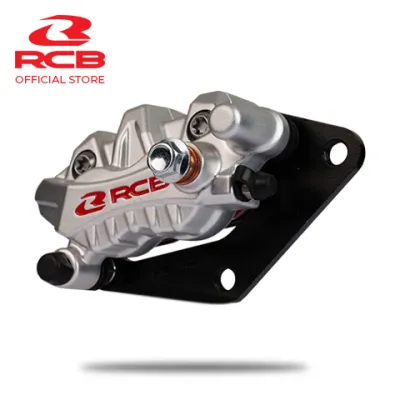
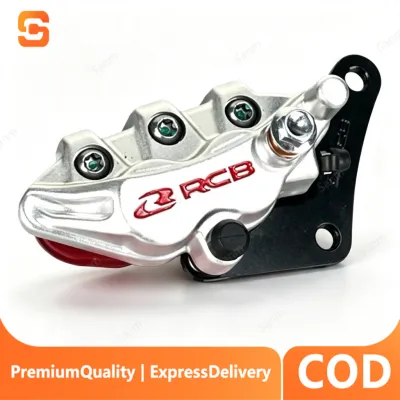
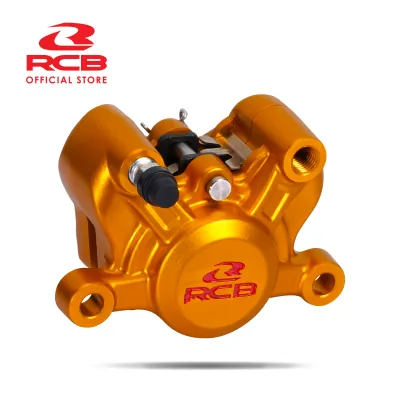
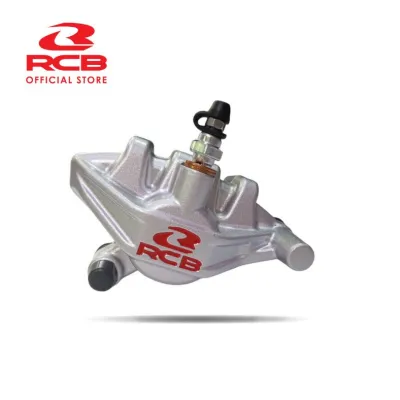
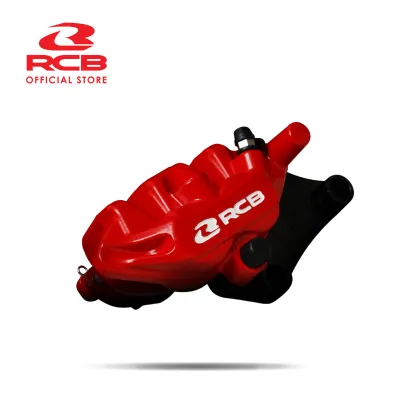
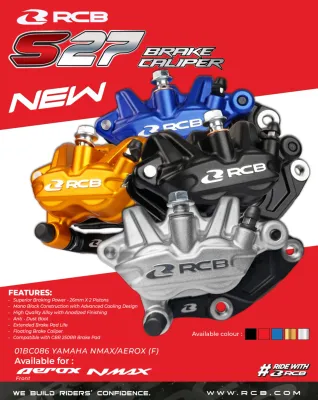
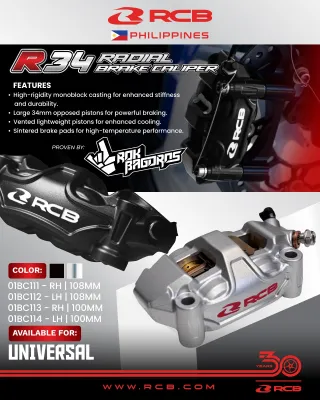
Prices are valid at publication and may change. Please refer to the product page for the latest price.
No amount of initial cost savings can justify the physical risk of brake failure on the road. If you have any suspicion that a brake component is not a genuine product, you must immediately halt the installation process. Your safety, and the safety of others on the road, depends entirely on the structural integrity of your braking system.
Visual and Physical Checks: Original vs. Fake RCB Brake Calipers
Performing a thorough visual and physical inspection is your first line of defense when evaluating a new rcb brake caliper. It is best to conduct this inspection in a well-lit area before you unwrap or mount the component, as returning an item becomes significantly harder once it has been installed or covered in brake fluid.

Because counterfeiters constantly refine their production methods to mimic authentic designs, you should never rely on a single visual cue to confirm authenticity. Instead, evaluate the product as a whole, looking closely at the packaging, the body finish, and the functional hardware. A genuine manufacturer maintains strict quality control standards that counterfeit operations simply cannot replicate.
Packaging, Labels, and Documentation
Authentic RCB products arrive in high-quality packaging featuring thick, durable cardboard and sharp, high-resolution printing. The brand colors—typically a vibrant red, deep blue, and clean white—should be consistent and free of fading, bleeding, or color shifts. Carefully read all text on the box; counterfeit packaging often displays blurry fonts, misaligned labels, or obvious spelling and grammatical errors.
Inside the box, a genuine caliper is accompanied by official documentation, which may include a user manual, a warranty card, and a detailed list of included mounting hardware. These documents should be printed on high-quality paper with clear, legible text. If the box contains only the caliper wrapped in generic bubble wrap without any official literature, this is a major warning sign.
Additionally, pay close attention to any security seals or tamper-evident stickers sealing the box. Genuine packages are sealed to ensure the contents have not been altered or swapped after leaving the factory. If these seals are broken, missing, or appear to have been peeled off and reapplied, proceed with extreme caution.
Casting Quality, Finishes, and Logos
The physical finish of the caliper body is one of the most reliable indicators of its origin. Genuine RCB calipers feature smooth, precise CNC-machined surfaces and an even, high-quality anodized or painted finish. Inspect the metal closely for rough casting marks, sharp burrs, uneven edges, or thin, patchy paint coatings, which are clear indicators of cheap manufacturing.
The RCB logo on a genuine caliper is typically deeply and cleanly engraved or laser-etched directly into the metal body, showing sharp lines and perfect alignment. On counterfeit calipers, the logo is often poorly executed, appearing as a shallow engraving, a cheap sticker, or a painted-on graphic that can easily be scratched off with a fingernail.
You should also assess the overall weight and tactile feel of the caliper. Genuine calipers are constructed from dense, high-grade aluminum alloys to handle hydraulic pressure, giving them a solid, reassuring weight. Counterfeit parts often feel surprisingly light or hollow because they are cast from cheaper, more porous, and less dense metal alloys.
Hardware, Pistons, and Bleeder Valves
Counterfeiters frequently cut corners on the smaller, functional components of the caliper to keep production costs low. Inspect the brake pistons inside the caliper; they should have a perfectly smooth, polished finish and be fitted with high-quality rubber dust boots that sit flush. Damaged, dry, or poorly fitting rubber seals will quickly allow dirt and moisture to compromise the hydraulic system.
Examine the bleeder valve (the nipple used to bleed air from the brake lines) and the banjo bolt fittings. On a genuine caliper, the threads are cleanly cut, uniform, and completely free of metal shavings or burrs. Counterfeit calipers often feature roughly cut threads that can easily strip during installation, leading to dangerous fluid leaks.
Finally, look at the included mounting bolts, brackets, and slider pins. Genuine hardware is made of high-tensile steel, often displaying clear strength grading marks on the bolt heads. If the bolts feel soft, lack grading marks, or if the bracket feels fimsily made and bends easily under hand pressure, do not install the assembly on your motorcycle.
Official Verification Methods for RCB Parts
While physical inspections are highly useful, counterfeiters are becoming increasingly sophisticated, making digital verification the most reliable way to confirm authenticity. Genuine RCB products feature an official anti-counterfeit hologram sticker or a security label placed prominently on the packaging. This sticker is designed to tear or show clear signs of tampering if anyone attempts to remove it.
To verify your part, locate the scratch-off section on the security label. Gently scratch away the protective coating to reveal a unique, multi-digit PIN code. You must then visit the official RCB website or use their authorized verification portal to enter this code. The system will instantly check the database to confirm whether the code corresponds to a genuine, factory-registered product.
Many modern labels also include a QR code for quick scanning. When scanning this code with your smartphone, pay close attention to the URL of the website it opens. Authentic QR codes will redirect you exclusively to the official RCB domain (such as racingboy.com.my or their verified local distributor site). Be highly suspicious if the QR code directs you to an unfamiliar web address, a generic search page, or a cloned website designed to mimic the official brand interface.
If the online verification system flags the security code as invalid, unrecognized, or—crucially—already registered or checked multiple times in the past, the product is highly likely to be a counterfeit. A unique security code should only register a successful check once; a code that has been searched dozens of times indicates that counterfeiters have copied a single genuine label and printed it onto thousands of fake boxes.
Safe Purchasing Channels for Genuine Brake Components
The most effective way to avoid the dangers of counterfeit brake parts is to control where you buy them. Always prioritize purchasing your rcb brake caliper directly from authorized RCB dealerships, official flagship stores on major e-commerce platforms, or long-established, highly reputable motorcycle parts shops in the Philippines. Authorized dealers are supplied directly by official distributors, virtually eliminating the risk of receiving a fake.
Be extremely wary of deals that seem too good to be true, especially on social media marketplaces or unverified online stores. If a seller is offering a brand-new caliper at a price significantly below the standard market rate (which typically ranges from ₱1,500 to ₱4,000 or more depending on the specific model and piston count), it is highly likely to be a counterfeit. Authentic engineering, high-grade alloys, and rigorous safety testing carry a production cost that counterfeiters bypass to offer impossibly low prices.
Before finalizing your purchase, verify your specific motorcycle model, year, and mounting bracket dimensions against the official RCB product catalog. Caliper interfaces and mounting positions are not universally compatible across different motorcycle models. Additionally, check the seller’s overall rating, read recent customer reviews, and look specifically for reviews that include clear photos and videos of the actual product received. Genuine buyers often highlight the presence of the scratch-off security sticker and the quality of the packaging in their reviews.
Do not hesitate to message the seller directly to ask for proof of their authorization status or to confirm if the product comes with a verifiable manufacturer warranty. Reputable sellers will gladly provide this information and assist you with your queries, whereas sellers of counterfeit goods will often give vague answers, refuse to show real product photos, or claim that the product is an “OEM grade” or “class A” copy.
Steps to Take If You Receive a Suspected Counterfeit
If you have purchased a caliper and suspect it is a counterfeit after completing your physical and digital checks, you must take immediate, structured action to protect yourself and other motorists.
Immediate Safety Action Under no circumstances should you install or test a suspected fake caliper on your motorcycle. Even a brief test run around your neighborhood can result in sudden brake failure, leading to severe injury or vehicle damage. Keep the part completely dry, clean, and unmounted to preserve your eligibility for a refund. Before attempting any brake work, always consult your motorcycle’s original manufacturer instructions. Because brakes are a critical safety system, always have the caliper installed by a qualified mechanic to ensure proper torque, alignment, and hydraulic bleeding using the correct manufacturer-approved brake fluid (such as DOT 3 or DOT 4).
Evidence Collection Document everything immediately. Take clear, high-resolution, well-lit photos and videos of the caliper, focusing on the specific manufacturing flaws, misaligned logos, or rough casting marks you identified. Take photos of the packaging from all angles, including the serial numbers, barcodes, and the results of your digital scratch-code verification check. Keep all original packaging, shipping labels, and payment receipts safe.
Resolution and Reporting Initiate a formal return and refund dispute through the buyer protection program of the e-commerce platform where you purchased the item. Submit your gathered photographic evidence and the invalid digital verification screenshot to support your claim. Most reputable platforms have strict policies against the sale of counterfeit goods and will freeze the seller’s funds while investigating your dispute.
To help prevent other riders from purchasing dangerous fake parts, report the fraudulent seller to local consumer protection authorities, such as the Department of Trade and Industry (DTI) in the Philippines. You can also report the seller directly to the official RCB distributor or brand representatives, who actively work to track down and shut down counterfeit operations to protect their customers and brand reputation.
Frequently Asked Questions (FAQ)
Is it safe to use a fake brake caliper for low-speed city riding?
No, it is never safe to use a counterfeit brake caliper under any riding conditions, including low-speed city commuting. A brake failure does not warn you in advance; it can happen the moment you need to make an emergency stop to avoid a pedestrian or a sudden obstacle. Low-speed stops still require consistent hydraulic pressure and structural integrity, which counterfeit parts made from inferior alloys simply cannot guarantee.
Does a missing hologram sticker always mean the caliper is fake?
While a missing or damaged hologram sticker is a major red flag, it does not automatically guarantee the part is fake, as manufacturers occasionally update their packaging designs or security features. However, if the hologram is absent, you must not take any risks. Rely on the digital scratch-off PIN code verification on the official website and verify the seller’s reputation; if you cannot definitively prove the caliper is genuine, you should return it immediately.
Community discussion
Share your experience or ask a question. Comments are reviewed before publication.