
Brake caliper rubber boots, including piston boots and slide pin boots, are critical seals that protect your braking system from moisture, dirt, and road debris. When these boots fail, the internal components can corrode or seize, leading to uneven braking, accelerated pad wear, or complete brake failure. Identifying the early visual and functional signs of boot damage allows you to address the issue before it compromises your vehicle’s safety. This guide will help you diagnose the condition of your caliper boots and determine the appropriate next steps for maintenance or professional repair.
Why Brake Caliper Rubber Boots Matter for Vehicle Safety
Brake caliper rubber boots serve as the primary line of defense for the highly polished metal components within your vehicle’s braking system. The caliper assembly operates in a harsh environment, positioned just inches from the road surface where it is constantly exposed to dirt, water, heat, and friction dust. Without intact rubber boots, these external elements would quickly penetrate the moving parts of the caliper, leading to rapid mechanical degradation and potential system failure.
The piston boot is a flexible rubber seal that surrounds the caliper piston, which is the hydraulic component that pushes the brake pads against the rotor. Its primary function is to seal out moisture and road grime from entering the caliper bore. If contaminants bypass this seal, they can scratch the piston surface or the bore wall, leading to hydraulic fluid leaks and a loss of braking pressure. Furthermore, moisture entering this area can cause the piston to rust and seize inside the caliper, preventing the brakes from engaging or releasing properly.
Products mentioned in this guide
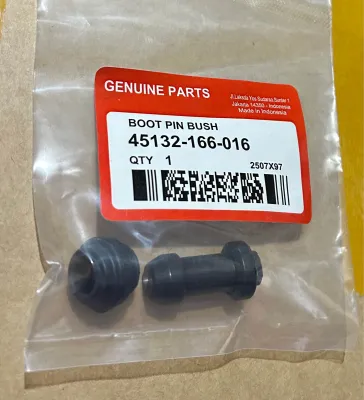
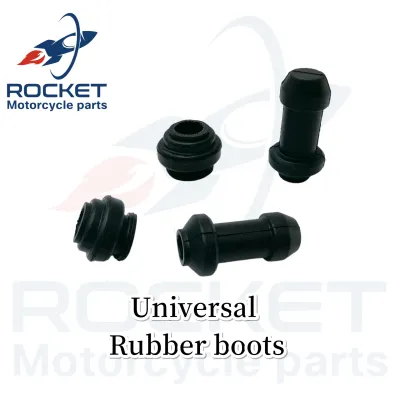
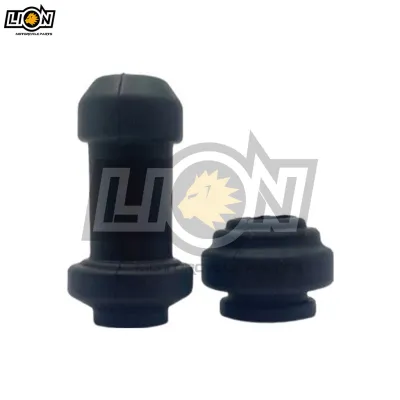
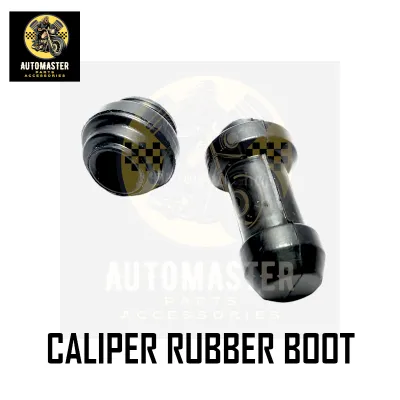
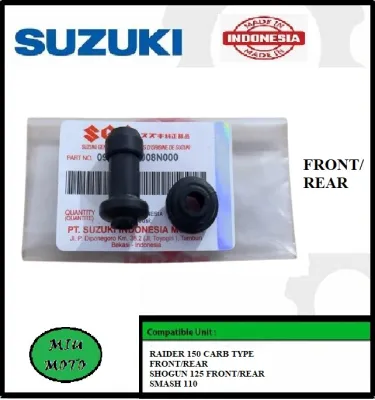
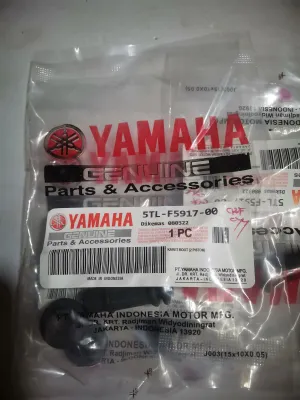
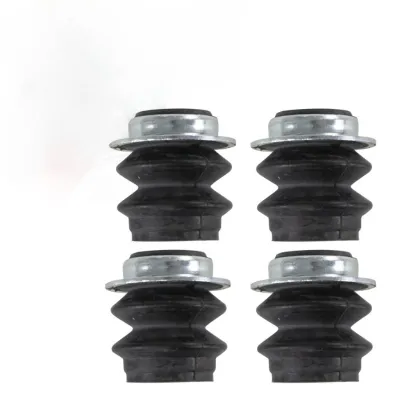
Prices are valid at publication and may change. Please refer to the product page for the latest price.
Slide pin boots, also known as guide pin boots, protect the pins that allow floating calipers to slide back and forth during brake application. These boots retain the specialized high-temperature grease required for smooth movement while keeping out water and road debris. When slide pin boots fail, water washes away the lubricant, causing the guide pins to corrode and stick. This immobilization prevents the caliper from centering itself over the rotor, resulting in uneven brake pad wear and reduced stopping power.
Ignoring damaged caliper boots can trigger a cascading series of mechanical failures that compromise road safety. A seized caliper piston or stuck slide pin often causes the brake pads to remain in constant contact with the spinning rotor. This continuous friction generates extreme heat, which can warp the brake rotors, glaze the brake pads, and boil the brake fluid, leading to a spongy brake pedal or a complete loss of braking efficiency. In tropical environments like the Philippines, where heavy monsoon rains, flooded streets, and high humidity are common, the rate of corrosion on unprotected metal components is significantly accelerated, making intact rubber boots even more critical.
Visual Signs That Your Caliper Boots Are Damaged
Performing a visual inspection is one of the most reliable ways to evaluate the health of your brake caliper rubber boots. Because rubber naturally degrades over time due to heat cycles and environmental exposure, physical changes in the material are often the first indicators of trouble. When inspecting these components, look closely for surface defects such as deep cracks, tears, or dry rot. Dry rot typically manifests as a network of fine cracks across the surface of the rubber, indicating that the material has lost its elasticity and is prone to tearing under pressure.

Another key visual indicator is an abnormal shape or physical distortion of the boot. If a boot appears swollen, bulging, or unusually soft, it often indicates that the rubber has been contaminated by petroleum-based fluids, such as engine oil or incorrect grease, which break down the rubber compound. Conversely, a collapsed or pinched appearance suggests that the boot has lost its structural integrity or that internal vacuum issues are pulling the rubber out of its proper seating groove. Any boot that is out of its designated mounting position will fail to provide an effective seal.
You should also check for the presence of wetness or fluid accumulation around the caliper boots. Wet brake fluid pooling around the base of the piston boot is a clear sign of an internal seal failure, which requires immediate professional attention. For slide pin boots, look for excessive grease leakage or a greasy residue coated with road grime around the ends of the boot. While a small amount of assembly lubricant may be visible on new parts, active grease leakage indicates that the boot is no longer sealing the guide pin chamber, allowing water to enter and rust the pin.
Functional Symptoms of Compromised Caliper Boots
When caliper rubber boots fail and allow internal components to corrode, you will likely experience noticeable changes in how your vehicle drives and handles. One of the most common functional symptoms of a seized caliper or stuck slide pin is brake drag. This occurs when the brake pads do not fully retract from the rotor after you release the brake pedal. You might feel a distinct pulling sensation to one side while driving, as if the vehicle is fighting against an invisible resistance, or you may notice that the vehicle fails to roll freely when stopped on a slight incline.
Uneven brake pad wear is another strong indicator of a compromised caliper boot system. When slide pins seize due to torn boots, only one of the brake pads (usually the inner pad) is forced against the rotor, while the outer pad does little to no work. Over time, this causes one pad to wear down to the metal backing plate while the opposite pad remains relatively thick. Additionally, you might notice an unusual accumulation of dark brake dust on one specific wheel compared to the others, which points to a caliper that is constantly dragging and wearing down the pad material prematurely.
A failing caliper assembly can also produce distinct acoustic warnings that indicate internal damage. If moisture has bypassed a torn boot and caused corrosion, you may hear unusual grinding, clicking, or squealing noises originating from the wheel area. A continuous squealing or metallic scraping sound that disappears or changes pitch when you apply the brakes often indicates a dragging pad caused by a stuck caliper. In severe cases, a heavy grinding noise indicates that the pad material has completely worn away due to uneven wear, leading to destructive metal-on-metal contact with the rotor.
How to Safely Inspect Your Brake Caliper Boots
Inspecting your brake caliper boots requires a systematic approach to ensure both your personal safety and the integrity of your vehicle’s braking system. Because brakes are critical safety components, always refer to your vehicle’s original manufacturer documentation for specific lifting points and safety guidelines before beginning any work. If you lack the proper tools, such as a heavy-duty floor jack, high-capacity jack stands, and wheel chocks, or if you are uncomfortable performing these steps, you should have the inspection conducted by a qualified professional.
To begin the inspection, park the vehicle on a flat, level concrete surface, engage the parking brake, and place wheel chocks behind the tires that will remain on the ground. Use a floor jack to lift the vehicle safely, and immediately secure it on jack stands; never rely solely on a hydraulic jack to support the vehicle’s weight. Once the vehicle is securely supported, remove the wheel nuts and slide the wheel off to expose the brake assembly. This will give you a clear, unobstructed view of the brake caliper, the piston boot, and the slide pin boots.
Using a bright flashlight, carefully examine the rubber boots from multiple angles. It is crucial to perform this inspection without prying, stretching, or forcing the rubber with sharp metal tools like screwdrivers, as this can easily puncture an otherwise healthy boot. Gently rotate the caliper assembly if necessary to inspect the rear side of the boots. If you observe heavy corrosion on the caliper body, active brake fluid leaks, or if the piston appears seized and unresponsive to normal hydraulic pressure, stop the inspection immediately. These conditions represent a severe safety hazard, and the vehicle should not be driven until it has been evaluated and repaired by a certified mechanic.
Deciding Between Replacement and Professional Service
Addressing damaged caliper rubber boots is not a simple cosmetic fix; it involves working directly with the hydraulic and mechanical components of your vehicle’s stopping system. Replacing a torn piston boot typically requires removing the caliper from the vehicle, extracting the piston, and thoroughly cleaning the internal bore to ensure no dirt has entered. This process requires installing a new inner piston seal and outer boot, followed by reinstalling the caliper and performing a complete brake system bleeding procedure to remove any trapped air. Because air in the brake lines can cause a sudden loss of braking power, this task demands a high level of mechanical expertise.
In many cases, simply replacing the rubber boots is not the most practical or safest course of action. If a boot has been torn for an extended period, moisture and road grime have likely already caused pitting and corrosion on the caliper piston or the cylinder wall. In such scenarios, installing new rubber boots over damaged metal components will not restore the seal, and the caliper will continue to leak or seize. Under these conditions, a complete caliper rebuild—which involves replacing the piston and all internal seals—or a full caliper replacement with a new or remanufactured unit is the only reliable way to ensure vehicle safety.
Given the critical role that brakes play in protecting your life and the lives of others on the road, it is strongly recommended to rely on certified automotive professionals for any brake hydraulic work. A professional technician has the specialized diagnostic tools, precision torque wrenches, and high-quality replacement parts necessary to restore your braking system to original equipment specifications. When purchasing replacement components, always verify the exact vehicle model, year, and trim level to ensure perfect compatibility, as even minor dimensional differences can lead to catastrophic brake failure.
Frequently Asked Questions (FAQ)
Can I just apply grease or sealant to a cracked caliper boot to fix it?
No, applying external grease, silicone sealant, or adhesive to a cracked or torn caliper boot is not a safe or effective repair. These surface treatments cannot restore the structural integrity of the degraded rubber, nor can they withstand the extreme temperatures and constant flexing that occur during braking. Furthermore, standard sealants may degrade when exposed to brake fluid or road grime, and incorrect lubricants can cause the rubber to swell and deteriorate even faster. The only safe solution for a damaged caliper boot is to replace the compromised component with a proper replacement kit.
How often should brake caliper boots be inspected?
Brake caliper boots should be visually inspected during every routine tire rotation, brake pad replacement, or annual vehicle service. Regular inspections are particularly important in tropical regions like the Philippines, where frequent exposure to heavy rain, standing water, and high humidity can accelerate the aging and cracking of rubber components. Catching a torn boot early during a routine check can save you from the much higher costs of replacing seized calipers, ruined brake rotors, and prematurely worn brake pads.
Community discussion
Share your experience or ask a question. Comments are reviewed before publication.