
If your motorcycle has recently started vibrating so intensely that your hands go numb, or if you hear a strange metallic clunking sound every time you twist the throttle, your DT10 engine support may be failing. The engine support, often referred to as the engine mount, is a critical component designed to secure the motor to the motorcycle frame while isolating and dampening the intense vibrations produced by internal combustion. Over time, the constant stress of engine torque, combined with environmental exposure, causes the rubber and metal elements of this support to degrade. Recognizing the warning signs of a worn-out mount early can save you from costly secondary damage to your frame, exhaust system, and drivetrain.
Because the engine is the heaviest and most dynamic component of your motorcycle, any compromise in its mounting system directly impacts how the bike handles, sounds, and feels. Riding with a damaged support not only ruins the comfort of your daily commute but also poses a significant safety risk if the engine shifts out of alignment. By understanding what symptoms to look for, how to perform a physical inspection, and how to rule out other common sources of vibration, you can make an informed decision on whether it is time to source a replacement part.
Common Symptoms of a Failing Engine Support
The most immediate indicator of a failing DT10 engine support is a dramatic increase in the vibrations transmitted to the rider. While all single-cylinder or compact multi-cylinder motorcycle engines produce natural vibrations, a healthy engine support dampens these forces before they reach the chassis. When the rubber bushing inside the mount hardens, cracks, or disintegrates, these vibrations travel directly into the frame. You will feel this as an intense, high-frequency buzz through the handlebars, footpegs, and seat, which often becomes exceptionally harsh at idle or within specific engine speed ranges.
Products mentioned in this guide
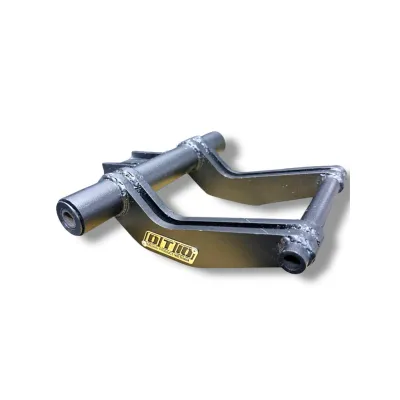
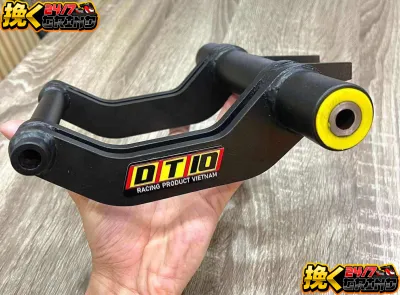
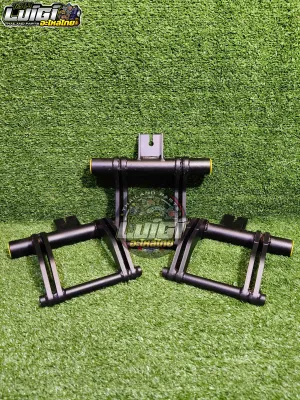
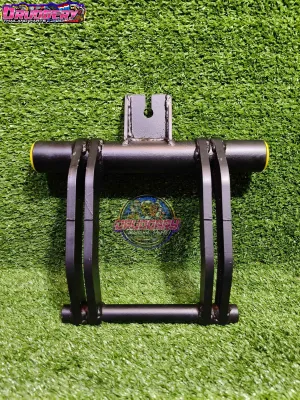
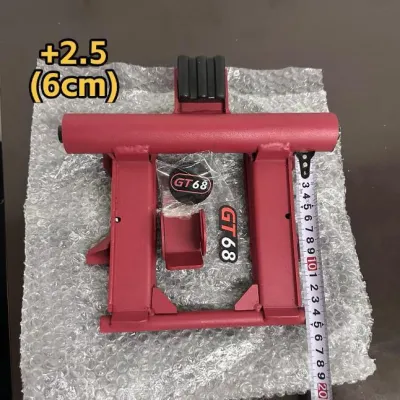
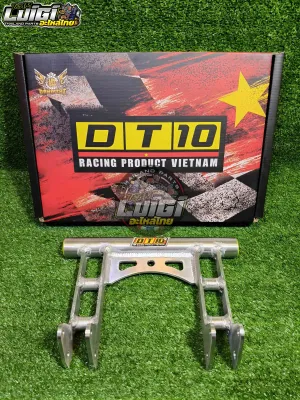
Prices are valid at publication and may change. Please refer to the product page for the latest price.
In addition to physical vibrations, a compromised engine support frequently produces distinct auditory cues. When the rubber dampening material completely wears away, the metal sleeve of the mount can make direct contact with the mounting bolt or bracket. This metal-on-metal contact results in loud clunking, knocking, or metallic rattling noises. These sounds are most noticeable during sudden transitions in engine load, such as when you accelerate rapidly from a stop, decelerate quickly, or shift gears, as these actions force the engine to twist within the frame.
Finally, a severely worn engine support can cause a noticeable shift in the motorcycle’s handling and physical alignment. When you apply heavy throttle, the torque generated by the engine can cause the entire motor to tilt or shift slightly inside the frame if the support is loose or broken. This shifting creates a vague, unstable sensation in the chassis, making the bike feel as though it is twisting or pulling to one side during acceleration. You might also notice that the drive chain or belt tension fluctuates abnormally, or that gear shifts feel less precise than usual.
How to Visually and Physically Inspect the DT10 Engine Support
To confirm whether your symptoms point to a bad engine support, you must perform a thorough visual and physical inspection. Before beginning, ensure the motorcycle is parked on a flat, level surface, secured on its center stand, and that the engine is completely cool to the touch. You will need a bright flashlight and potentially a small mirror to inspect the hard-to-reach areas around the mounting brackets.

Begin by closely examining the rubber bushings housed within the metal brackets of the engine support. In tropical climates like the Philippines, high ambient temperatures, intense engine heat, and seasonal humidity accelerate the degradation of rubber components. Look for visible cracks, dry rot, crumbling edges, or instances where the rubber has completely separated from the central metal sleeve. If you notice that the rubber looks squished, off-center, or has melted due to oil contamination, the bushing has collapsed and can no longer support the engine’s weight.
Next, shift your focus to the metal brackets, mounting plates, and the surrounding frame area. Inspect these metal components for any signs of hairline stress fractures, deformation, or deep rust. While surface rust is common, deep corrosion can weaken the structural integrity of the brackets, making them prone to snapping under heavy engine loads. Pay close attention to the areas immediately surrounding the bolt holes, as these experience the highest concentration of stress.
Lastly, verify the physical tightness of the mounting bolts. Using a hand wrench, check if any bolts have backed out or are completely missing. Engine harmonics can easily loosen fasteners over time if they were not properly secured. Refer to the manufacturer’s service manual for the exact torque specifications required for your specific model. If you find loose bolts, do not simply tighten them blindly; inspect the threads for damage and check if the original thread-locking compound has degraded, as a proper repair requires cleaning the threads and applying a fresh medium-strength thread locker.
Distinguishing Engine Support Issues from Other Vibrations
Because motorcycles are highly mechanical machines, vibrations can originate from many different areas, making misdiagnosis a common issue. Before purchasing a replacement DT10 engine support, it is crucial to rule out other potential culprits to avoid spending money on parts you do not need. A systematic approach to troubleshooting will help you isolate the root cause of the harsh ride.
One of the most common sources of chassis vibration is an issue with the wheels or tires. To differentiate between a wheel issue and an engine support issue, pay attention to when the vibration occurs. If the shaking increases strictly in relation to your road speed—regardless of what gear you are in or what the engine RPM is—the culprit is likely an unbalanced wheel, a bent rim, or a worn wheel bearing. You can test this by safely pulling in the clutch lever and letting the engine drop to idle while coasting at speed; if the vibration remains unchanged, the issue lies in the rolling chassis, not the engine mounts.
Loose body panels, aftermarket accessories, or a loose exhaust shield can also create buzzing noises and vibrations that mimic a failing mount. To rule these out, park the motorcycle on its center stand and slowly rev the engine while stationary. If you hear a rattle, gently press your gloved hand against various plastic fairings, the exhaust guard, or the license plate bracket. If the noise stops when you apply pressure to a specific panel, you have found a loose body component rather than a structural engine support issue.
It is also important to distinguish between a physical mounting problem and internal engine running issues. An engine that is misfiring due to a fouled spark plug, a clogged fuel injector, or poor fuel quality will vibrate heavily because it is not running smoothly. However, internal engine issues are almost always accompanied by a noticeable loss of power, hesitation during acceleration, rough idling, or difficulty starting. If your engine starts easily, idles at its correct RPM, and pulls strongly, but still transmits harsh vibrations to the frame, the engine support is the primary suspect.
When to Replace vs. When to Simply Tighten or Maintain
Once you have completed your inspection, you must decide whether your DT10 engine support requires immediate replacement or if simple maintenance will suffice. This decision depends entirely on the physical condition of the components you observed during your diagnostic checks.
Immediate replacement is non-negotiable if you discover structural damage to the support. If the rubber bushing is torn, severed, or completely separated from its metal sleeve, it can no longer isolate vibrations or hold the engine in its correct geometry. Similarly, if you detect any cracks or bending in the metal mounting brackets, the support must be replaced right away. Attempting to ride with cracked metal brackets is highly dangerous, as a sudden impact from a pothole could cause the bracket to snap completely, dropping the engine onto the frame.
Conversely, if the rubber bushings are still pliable, free of cracks, and centered, but you discovered that the mounting bolts had simply vibrated loose, a replacement is unnecessary. In this scenario, the correct course of action is to perform targeted maintenance. Remove the loose bolts, clean any old debris or oil from the threads using a wire brush, apply a fresh drop of medium-strength thread-locking compound, and use a calibrated torque wrench to tighten the bolts to the exact specifications outlined in your service manual.
Ignoring a compromised engine support and continuing to ride carries severe risks. When the engine is allowed to move excessively within the frame, it places immense stress on other connected components. The exhaust headers, which are bolted rigidly to the engine cylinder head, can easily crack or snap under the strain of an engine that is rocking back and forth. Additionally, the misalignment of the engine can cause the drive chain to jump off the sprockets, potentially locking up the rear wheel and causing a serious accident. Prioritizing a timely replacement ensures both your safety on the road and the long-term durability of your motorcycle.
Frequently Asked Questions (FAQ)
Can I ride my DT10 with a broken engine support?
No, you should not ride your motorcycle with a broken engine support. Operating the bike with a failed mount allows the engine to shift dynamically under load, which alters the motorcycle’s center of gravity and can severely compromise handling and steering control. Furthermore, the excessive movement of the engine puts destructive stress on the exhaust system, wiring harnesses, fuel lines, and the frame itself, turning a relatively simple mount replacement into a highly expensive structural repair.
Do I need to replace all engine mounts at the same time?
While it is technically possible to replace only the single failed mount, it is highly recommended to inspect and replace them as a complete set. When one engine support fails and sags, the remaining mounts are forced to carry the extra weight and torque of the engine, which rapidly accelerates their wear. Installing a single new, stiff mount alongside older, sagging mounts can result in improper engine alignment and uneven stress distribution, quickly ruining the new component.
Community discussion
Share your experience or ask a question. Comments are reviewed before publication.