
Determining whether your Honda Click 150 requires a brand-new cylinder head or a simpler repair depends on the structural integrity of the aluminum casting itself. Severe symptoms such as chronic engine overheating, persistent white exhaust smoke, a drastic loss of engine compression, or deep metallic knocking from the top end are strong indicators of cylinder head issues. However, not all of these symptoms demand a complete replacement of the cylinder head assembly.
If the issue is limited to worn valve stem seals, out-of-adjustment valve clearances, or a blown head gasket, these components can be repaired or replaced individually while keeping your original cylinder head. On the other hand, if the cylinder head casting has developed physical cracks, suffered severe structural warping from overheating, or has stripped spark plug threads that cannot be safely restored, a complete replacement of the click 150 cylinder head is the only safe and reliable solution. A definitive diagnosis requires precision measurements by a professional mechanic, but several clear visual and performance cues can help you evaluate your scooter’s condition beforehand.
Observable Signs of Cylinder Head Failure
The cylinder head on your Honda Click 150 is a complex component that houses the entire valvetrain, manages the intake of fuel and air, directs exhaust gases out of the engine, and seals the top of the combustion chamber. Because it operates under extreme heat and high pressure, any structural or mechanical failure within this area will quickly manifest through noticeable performance drops, unusual noises, and visible fluid leaks.
Products mentioned in this guide
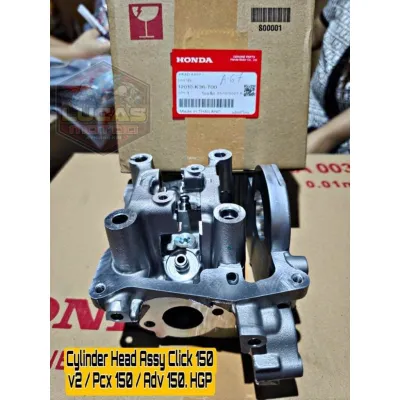
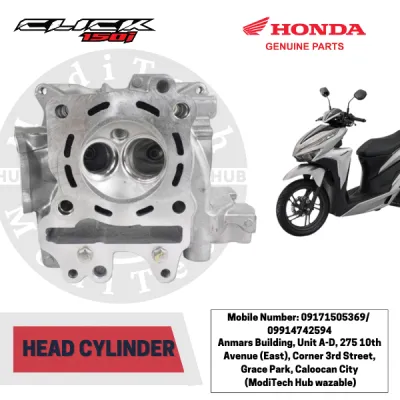
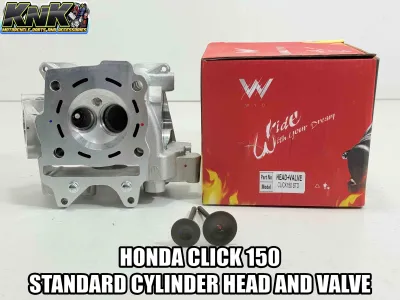
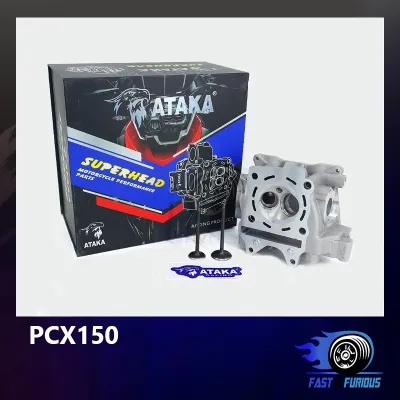
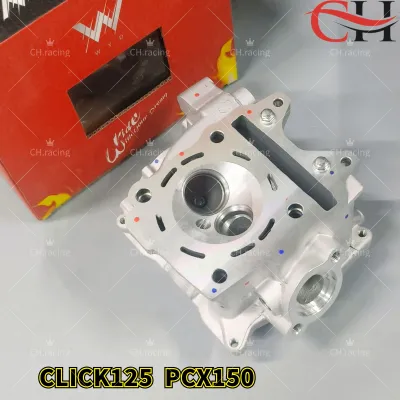
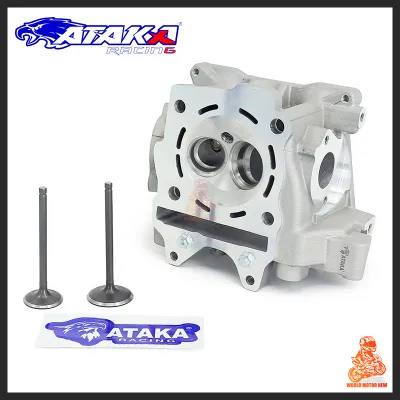
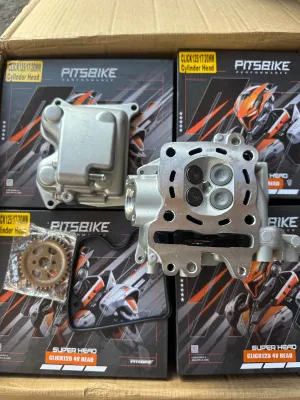
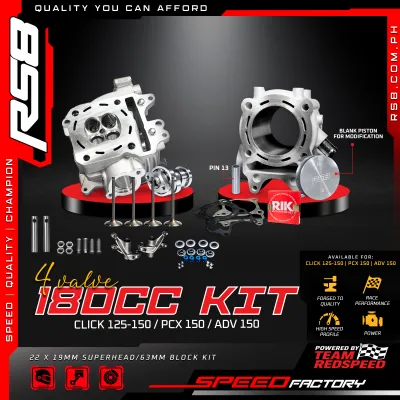
Prices are valid at publication and may change. Please refer to the product page for the latest price.
Power Loss and Starting Struggles
One of the most immediate signs of cylinder head or valve failure is a sudden difficulty in starting your scooter, particularly during cold mornings or after the bike has been parked overnight. The Honda Click 150 relies on high compression within the cylinder to ignite the fuel-air mixture efficiently. If the intake or exhaust valves inside the cylinder head are not seating perfectly, or if the head gasket has begun to fail, compression will escape from the combustion chamber, forcing the starter motor to crank the engine repeatedly before it finally fires up.
Once the engine is running, a compromised cylinder head will cause a distinct drop in overall performance. You will likely notice sluggish throttle response, a lack of punch when accelerating from a standstill, and a significantly reduced top-end speed. When riding up steep inclines or carrying a heavy load, the scooter may feel severely bogged down as the engine struggles to maintain power. While worn piston rings can also cause low compression, top-end sealing issues are highly likely if these performance drops occur alongside abnormal engine noises or sudden cooling system issues.
Ticking Noises and Abnormal Exhaust Smoke
Paying close attention to the sounds and emissions from your scooter can provide vital clues about the state of your top end. A light, highly rhythmic ticking noise coming from the top of the engine is a common occurrence on modern automatic scooters. This sound usually indicates that the valve clearances have drifted outside of their recommended specifications, a routine maintenance issue that can be easily corrected with a standard valve adjustment.
However, if you hear a deeper, irregular tapping, a heavy metallic clicking, or a distinct knocking sound that grows louder as you twist the throttle, the cylinder head likely has more severe internal wear. These heavier sounds often point to worn valve guides, loose valve seats that are shifting in the head, or physical damage to the camshaft lobes and rocker arms.
Additionally, the color of your exhaust smoke can help pinpoint the exact nature of the failure. Persistent, thick white smoke billowing from the exhaust pipe indicates that liquid coolant is entering the combustion chamber and vaporizing during the combustion stroke. This is a classic sign of a blown head gasket or a cracked cylinder head casting. Conversely, if you notice blue or greyish smoke, your engine is burning oil, which is commonly caused by hardened or degraded valve stem seals that are allowing engine oil to seep down into the cylinder.
Overheating and External Fluid Leaks
Because the Honda Click 150 features a liquid-cooled engine, the cylinder head is designed with internal passages, or water jackets, through which coolant flows to dissipate heat. If the cylinder head warps or the head gasket fails, the high-pressure combustion gases can force their way directly into these cooling passages. This introduces hot air into the cooling system, displaces the coolant, and creates localized air pockets that prevent proper heat transfer, resulting in rapid engine overheating and a glowing temperature warning light on your instrument panel.
You should also perform a close physical inspection of the exterior of the engine block. Look specifically at the mating line where the cylinder head joins the cylinder block. If you spot oil or coolant weeping, bubbling, or actively dripping from this seam, the head gasket has lost its sealing capability. In tropical climates with high humidity and dusty road conditions, these slow leaks will quickly attract dirt, forming a thick, grimy buildup around the front and sides of the engine casing that indicates an ongoing sealing issue.
Replacement vs. Repair: What Can Actually Be Fixed?
Understanding the difference between a repairable issue and a situation that demands a complete replacement can save you from spending money on unnecessary parts. Many top-end problems can be resolved by servicing or replacing individual components within the cylinder head assembly, provided the main aluminum casting remains undamaged.

For instance, if your scooter is burning oil due to worn valve stem seals, a mechanic can disassemble the head, install new seals, and lap the valves to restore a perfect seal. Similarly, a blown head gasket, worn valves, or worn valve guides can all be replaced individually. In these scenarios, the original cylinder head casting can be thoroughly cleaned and safely reinstalled on the engine.
However, there are specific, non-negotiable scenarios where a complete replacement of the click 150 cylinder head is the only viable option. If the aluminum casting has developed a physical crack—which can occur due to extreme thermal shock or severe overheating—the head cannot be safely welded or repaired. Cracks often form between the valve seats or near the spark plug thread area, leading to continuous fluid mixing and compression loss. Additionally, if the spark plug threads are completely stripped out and cannot be securely repaired with a thread insert, or if a valve seat has dropped out of its recess and gouged the surrounding aluminum, the head is rendered unusable.
The most common deciding factor, however, is structural warping. Aluminum is highly susceptible to warping when subjected to extreme temperatures. If your Click 150 has overheated severely, the flat mating surface of the cylinder head can distort. To determine if the head is still usable, a mechanic must remove it, clean the surface thoroughly, and use a precision metal straight edge along with a feeler gauge to measure flatness across multiple directions. If the measured warpage exceeds the strict service limits specified in the official Honda service manual, the head must be replaced. Attempting to machine or grind down a warped head beyond these limits is highly risky; it can alter the combustion chamber volume, raise the compression ratio to unsafe levels, cause the valves to strike the piston, and lead to catastrophic engine failure. Always rely on your mechanic’s precision measurements against OEM specifications to guide this decision.
Safe Pre-Shop Checks You Can Do at Home
Before taking your scooter to a professional workshop, you can perform several simple, low-risk visual inspections at home to gather information and confirm your suspicions. These checks do not require any engine disassembly and can prevent you from being misled by generic symptoms.
First, inspect your engine oil using the dipstick. Park the scooter on its center stand on flat ground, remove the dipstick, and wipe it on a clean white cloth. If the oil has a milky, frothy appearance, or looks like coffee with milk, this is a clear sign that coolant has mixed with the engine oil. This contamination is a major red flag that points directly to a breached head gasket or a cracked cylinder head casting.
Second, conduct a thorough visual leak inspection. Use a bright flashlight to examine the engine, focusing on the seam where the cylinder head meets the cylinder block. Look for any active wetness, green or blue coolant droplets, or fresh engine oil seeping out. Also, keep an eye out for dry, crusty white or colored mineral deposits along the engine casing, which are left behind when leaking coolant evaporates on hot metal surfaces.
Third, check the coolant level in your radiator reserve tank when the engine is completely cold. If you find that the coolant level is dropping consistently over a few days, but you cannot find any signs of external leaks on the radiator, hoses, or the ground beneath your scooter, the engine is likely drawing coolant into the combustion chamber and burning it off through the exhaust.
For your safety, always observe strict boundaries during these checks. Never attempt to open the radiator cap when the engine is warm or hot, as the cooling system is highly pressurized, and boiling coolant can spray out, causing severe burns. Do not attempt to disassemble any engine covers, remove the spark plug to perform a DIY compression test, or use chemical block testing kits at home. These procedures require specialized automotive tools and technical training; attempting them yourself can result in stripped threads, engine damage, or personal injury.
When to See a Mechanic and What to Expect
If your home inspections confirm any of the warning signs, your next step should be to visit a qualified motorcycle mechanic or an authorized Honda service center. Diagnosing internal engine components requires professional diagnostic equipment to isolate the exact cause of the failure before any parts are purchased.
When you take your scooter to the shop, the mechanic will typically perform a compression test or a cylinder leak-down test. During a leak-down test, the mechanic injects pressurized air into the spark plug hole while the cylinder is at top dead center and measures the percentage of air that escapes. By listening closely to where the air is leaking—such as out of the exhaust pipe, through the throttle body, or as bubbles in the radiator neck—the mechanic can pinpoint exactly whether the leak is coming from the intake valves, exhaust valves, head gasket, or a cracked cylinder head.
In the Philippines, the total cost of addressing a cylinder head issue depends heavily on the diagnosis. If the cylinder head casting is undamaged and only requires new valve stem seals, a fresh head gasket, and valve lapping, the parts cost will be relatively low, though you will need to pay for several hours of precision labor. However, if you need a brand-new click 150 cylinder head, the price of the genuine Honda OEM casting is a significant investment (often priced in several thousand Philippine Pesos). You will also need to account for the cost of replacement fluids, as any coolant or oil contamination requires a complete system flush to protect the new components.
Finally, ensure that your mechanic uses a calibrated torque wrench during the reassembly process. The head bolts must be tightened in the exact cross-pattern sequence and to the precise torque specifications outlined in the manufacturer’s workshop manual. Skipping this step or tightening the bolts by feel can cause uneven clamping force, which will immediately warp a new cylinder head or crush the head gasket unevenly, leading to premature failure and a repeat of the entire repair process.
Frequently Asked Questions (FAQ)
Can I just replace the head gasket instead of the whole cylinder head?
You can replace only the head gasket if the cylinder head casting itself is completely flat, structurally sound, and free of cracks. Your mechanic must clean the head and use a precision straight edge to verify that any warpage is well within the manufacturer’s allowed limits. If the head is warped or cracked, simply installing a new gasket will not create a reliable seal, and the gasket will quickly blow again within a few days of riding.
How long does a Honda Click 150 cylinder head typically last?
Under normal operating conditions and with regular maintenance, a Honda Click 150 cylinder head is designed to last for the entire lifespan of the engine. Premature failures or structural damage are almost always caused by external factors, such as severe overheating due to a neglected cooling system, riding with low or contaminated engine oil, or failing to perform routine valve clearance adjustments at recommended service intervals.
Community discussion
Share your experience or ask a question. Comments are reviewed before publication.