
Quick Answer: Key Signs Your Clutch Lining is Worn
When navigating the congested streets of Metro Manila or climbing the steep inclines of Antipolo, your motorcycle’s clutch system is under constant stress. If you suspect your clutch lining is failing, you do not need to wait for a complete breakdown to confirm your suspicions. The most immediate warning signs of a worn clutch lining include the engine’s revolutions per minute (RPM) rising rapidly without a corresponding increase in your road speed, a clutch lever that feels unusually spongy or excessively tight, difficulty shifting into neutral when idling at a traffic light, and a distinct, acrid burning smell during heavy acceleration.
While these symptoms strongly point to a worn clutch lining, they are initial indicators rather than a definitive diagnosis. Before rushing to purchase replacement parts, it is essential to perform systematic physical tests and check external adjustments. This ensures you do not mistake a simple, loose clutch cable or degraded engine oil for a completely worn-out friction plate assembly.
Common Symptoms of a Worn Motorcycle Clutch Lining
Understanding how your motorcycle behaves on the road is the first step in diagnosing transmission issues. Because the clutch acts as the vital link between your engine’s crankshaft and the gearbox, any degradation in the friction material directly impacts how power is delivered to your rear wheel.
Products mentioned in this guide
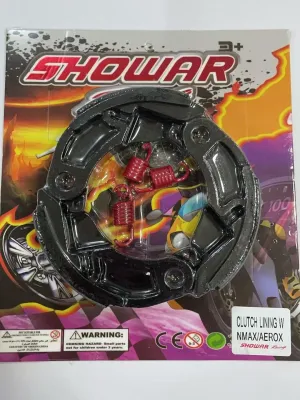
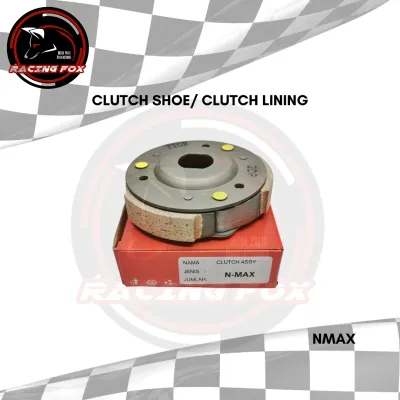
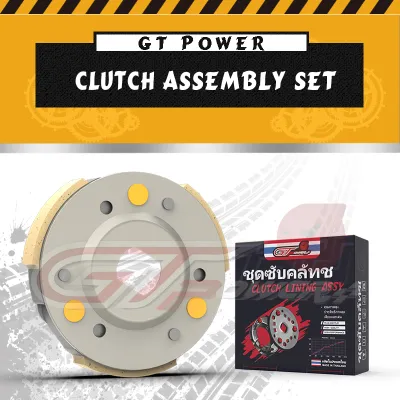
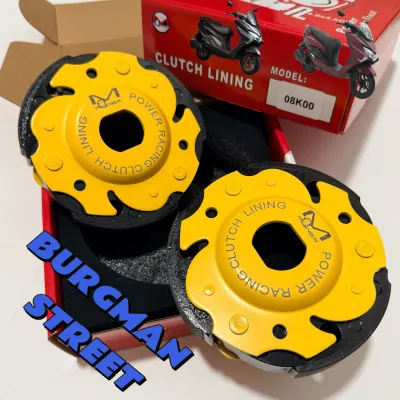
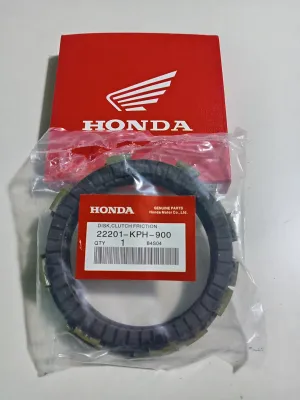
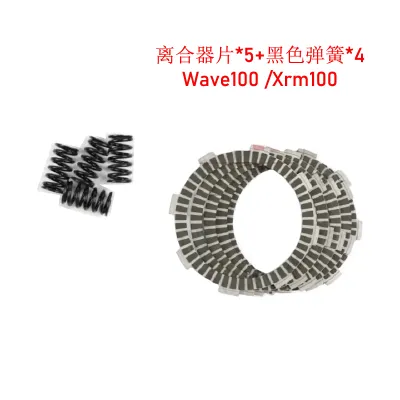
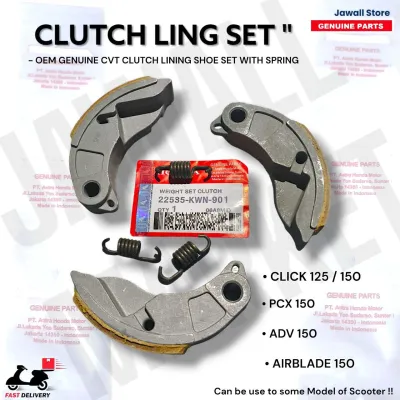
Prices are valid at publication and may change. Please refer to the product page for the latest price.

Clutch Slipping and Power Loss
Clutch slipping is the most prevalent and definitive symptom of a worn clutch lining. Under normal conditions, the friction plates and steel plates inside your clutch basket lock together tightly to transfer engine power to the transmission. However, as the friction material on the clutch lining wears down, it loses its ability to grip the steel plates under load.
You will typically notice this slippage when accelerating hard, carrying a backride (passenger), or attempting to climb steep roads. When you twist the throttle, the engine will rev loudly and the RPM gauge will spike, but your motorcycle will fail to accelerate proportionally. Instead of moving forward efficiently, the engine’s energy is converted into extreme friction heat within the engine casing, further accelerating the wear on the remaining lining.
Difficulty Shifting Gears and Stalling
A worn clutch assembly does not always slip; it can also fail to disengage fully, a condition known as clutch dragging. When the friction plates become warped, unevenly worn, or physically damaged, they may remain in partial contact even when you pull the clutch lever completely to the handlebar.
This incomplete disengagement makes shifting gears incredibly stiff and noisy, often accompanied by a harsh clunking sound. You may find it nearly impossible to shift into neutral while waiting at a stoplight, or the motorcycle might try to creep forward slowly even with the clutch lever fully depressed. In severe cases, the dragging clutch can cause the engine to stall abruptly as you come to a stop, mimicking a fuel system or electrical issue.
Unusual Noises and Burning Smells
The intense friction generated by slipping clutch plates produces extreme heat, which quickly degrades the surrounding engine oil. This process releases a highly distinct, acrid burning smell that is easily noticeable after a long climb or prolonged stop-and-go riding in hot weather.
Additionally, severe clutch wear often introduces unusual mechanical noises. You may hear a distinct rattling, scraping, or metallic buzzing sound coming from the right side of the engine casing where the clutch basket resides. These noises can indicate that the friction material has worn down completely to the metal backing, that the clutch springs have lost their tension, or that the clutch basket itself has become notched and damaged. If you experience these severe sensory warnings, safely pull over and stop riding immediately to prevent catastrophic engine failure or metal debris from contaminating your oil supply.
How to Safely Test Your Motorcycle Clutch at Home
Before purchasing replacement parts or taking your motorcycle to a service center, you can perform two straightforward diagnostic checks at home. These tests help isolate whether the issue lies within the internal clutch plates or simply requires a quick external adjustment.
The Clutch Slip Test (Riding Test)
A controlled riding test is an effective way to confirm if your clutch lining is slipping under load. To perform this test safely, find a flat, open, and dry road with minimal traffic. Avoid testing in wet weather, on gravel, or in crowded residential areas where sudden mechanical issues could pose a safety hazard.
- Step 1: Warm up your motorcycle to its normal operating temperature by riding gently for a few minutes.
- Step 2: Accelerate up to a moderate speed and shift into a higher gear, such as third or fourth gear.
- Step 3: Briefly roll off the throttle to let the engine RPMs drop, then quickly and smoothly roll the throttle open to approximately three-quarters capacity.
- Step 4: Observe the relationship between your engine sound (or tachometer) and your actual road speed.
If the engine RPMs surge rapidly and loudly while your actual speed increases very slowly or not at all, your clutch lining is slipping and requires replacement. Ensure you do not over-rev the engine to the redline during this test, as excessive heat can warp the steel plates or damage the clutch basket.
Checking the Clutch Cable and Lever Free Play
Many riders mistakenly replace perfectly good clutch linings when the actual culprit is an improperly adjusted clutch cable. Over time, clutch cables stretch, and the lever mechanism can wear, altering the precise tension required to operate the clutch pack.
To check this, measure the free play at the clutch lever, which is the distance the lever moves before you feel mechanical resistance. Consult your motorcycle’s owner’s manual for the exact specification, which typically ranges between 10mm and 15mm.
- Too Little Free Play: If there is zero free play, the clutch cable is constantly under tension, acting as if you are slightly pulling the lever while riding. This prevents the clutch plates from fully clamping together, causing them to slip and wear out prematurely.
- Too Much Free Play: If there is excessive free play, pulling the lever will not pull the cable far enough to fully separate the clutch plates, leading to gear dragging, hard shifting, and stalling.
Before assuming your clutch lining is dead, adjust the cable tension using the barrel adjuster near the clutch lever or the adjustment nuts located on the engine casing bracket. If adjusting the cable to factory specifications resolves the slipping or dragging, your internal clutch lining may still have plenty of service life remaining.
Clutch Lining Wear vs. Other Transmission Issues
It is crucial to distinguish between worn friction plates and other transmission or lubrication issues to avoid wasting money on unnecessary repairs. A motorcycle’s wet clutch system relies on a delicate balance of mechanical tension, friction material, and oil quality to function correctly.
One common issue that perfectly mimics a worn clutch lining is degraded or incorrect engine oil. Wet clutches share the same oil as the engine and gearbox. If you use passenger car engine oil instead of dedicated motorcycle oil (which must meet JASO MA or MA2 standards for wet clutches), the friction modifiers in the car oil will cause the clutch plates to slip continuously. Similarly, old, dirty, or overheated engine oil loses its viscosity and friction properties, leading to slippage. Always perform an oil change using the manufacturer-recommended oil grade before condemning your clutch plates.
Additionally, weak or fatigued clutch springs can cause slippage even if your clutch linings are relatively new. These springs provide the clamping force needed to hold the friction and steel plates together. If they lose their tension due to age or overheating, the plates will slip under load. When inspecting your clutch, a mechanic should always measure the free length of the clutch springs with a vernier caliper to ensure they meet the minimum service limit specified in your workshop manual.
When to Replace the Clutch Lining and Next Steps
If your physical tests confirm that the clutch is slipping and adjusting the cable tension does not resolve the issue, you must replace the clutch lining. Continuing to ride with a severely worn clutch will eventually leave you stranded on the road, as the friction material will degrade to the point where no power can be transferred to the rear wheel. Furthermore, the resulting metal-on-metal contact can score the clutch basket and release fine metallic debris into your engine oil, risking severe damage to your engine bearings and cylinder walls.
When purchasing replacements, look for original equipment manufacturer (OEM) parts or reputable aftermarket clutch plate kits that match your specific motorcycle make, model, and year. For a standard underbone, scooter, or backbone motorcycle in the Philippines, a replacement clutch lining kit typically ranges from ₱500 to ₱2,500 depending on the brand and engine displacement.
When replacing the clutch, it is highly recommended to install a complete kit that includes both the friction plates (clutch linings) and the steel plates, along with a new engine casing gasket. Always verify the compatibility and mounting dimensions of the kit before purchasing.
Because replacing a clutch requires draining the engine oil, removing the engine side casing, utilizing specialized tools (such as a clutch holder and torque wrench), and applying precise torque specifications to prevent snapping the clutch bolts, it is a high-precision task. If you lack the mechanical experience, proper tools, or the specific factory service manual, you should have a qualified professional mechanic perform the installation at a trusted motorcycle shop to ensure road safety and preserve your vehicle’s warranty.
Frequently Asked Questions (FAQ)
How long does a motorcycle clutch lining typically last?
There is no fixed mileage for how long a motorcycle clutch lining will last, as its lifespan depends heavily on your riding style, the environment, and maintenance habits. In the Philippines, the combination of high ambient temperatures and daily stop-and-go city commuting accelerates clutch wear due to frequent engagement and heat buildup. Generally, a well-maintained clutch lining can last anywhere from 20,000 to 50,000 kilometers. However, riders who frequently slip the clutch, carry heavy loads, or neglect regular oil changes may need a replacement much sooner. Rather than relying solely on odometer readings, always monitor the physical symptoms of wear.
Can I replace just the friction plates and reuse the steel plates?
While replacing only the friction plates (the clutch linings) is a common budget-saving practice, it is generally not recommended. During operation, the intense heat that wears down the friction plates also affects the steel plates. These steel plates can easily warp, develop hot spots (indicated by a blue discoloration), or become glazed and smooth. If you install brand-new friction plates against warped or glazed steel plates, the new plates will not grip evenly, leading to rapid wear, immediate clutch slippage, and a much shorter lifespan for your new parts. Replacing both the friction and steel plates as a complete set ensures optimal performance and saves you from paying for double the labor costs down the road.
Community discussion
Share your experience or ask a question. Comments are reviewed before publication.