
A motorcycle’s fuel pump—frequently searched by riders as a gas pump—is the heart of the fuel delivery system. It is responsible for drawing gasoline from the tank and pressurizing it so the fuel injectors or carburetor can deliver a precise mist into the combustion chamber. When this component begins to degrade, your engine is starved of the fuel it needs to run efficiently, leading to a host of frustrating performance issues.
Identifying a failing pump early can save you from being stranded on the side of a busy highway or facing expensive engine repairs. Whether you are navigating the stop-and-go congestion of Metro Manila or cruising through steep provincial roads, recognizing the warning signs of fuel starvation is essential. This guide covers the primary symptoms of a failing motorcycle fuel pump, outlines safe diagnostic steps you can perform at home, and helps you decide when it is time to purchase a replacement.
Common Symptoms of a Failing Motorcycle Gas Pump
When a motorcycle’s gas pump begins to lose efficiency, the engine will exhibit several distinct physical and auditory warning signs. Recognizing these symptoms early allows you to address the issue before the pump fails completely and leaves you stranded.
Products mentioned in this guide
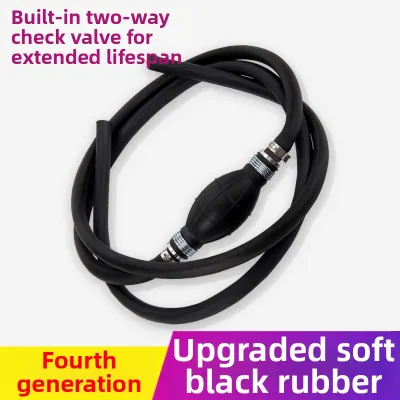
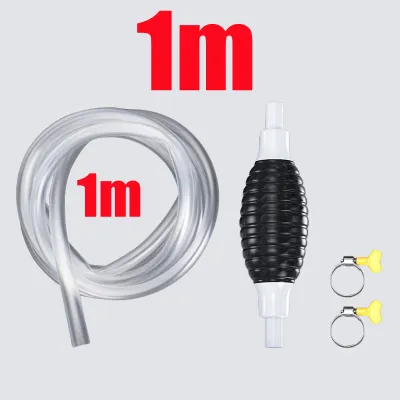
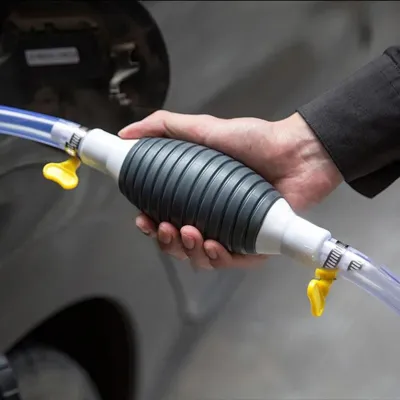
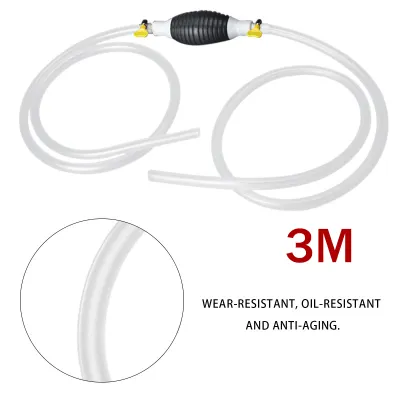
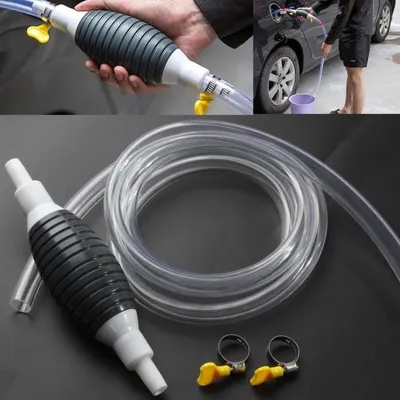
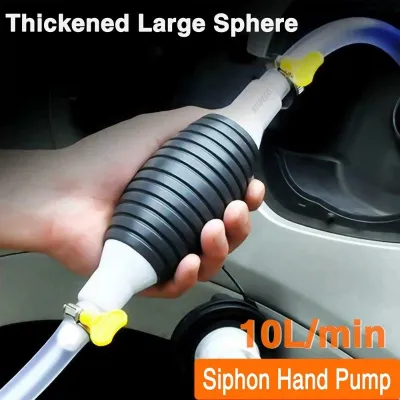
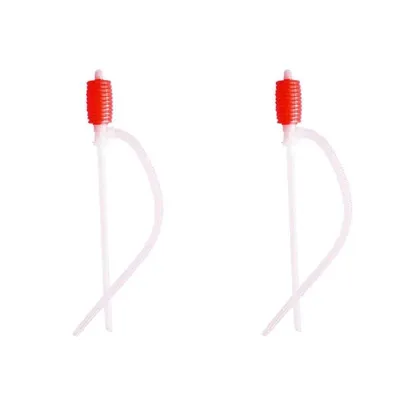
Prices are valid at publication and may change. Please refer to the product page for the latest price.
Engine Sputtering and Hesitation during Acceleration
One of the earliest indicators of a failing pump is engine sputtering or a temporary loss of power when you twist the throttle. When you demand more speed, the engine requires a sudden increase in fuel flow to maintain the correct air-fuel ratio. A weak pump cannot keep up with this demand, resulting in a lean mixture that causes the motorcycle to hesitate, jerk, or sputter before slowly gaining speed.
Loss of Power Under Heavy Load
Your motorcycle may idle smoothly but struggle significantly when subjected to demanding riding conditions. If you notice a severe drop in power while climbing steep inclines, carrying a heavy pillion passenger, or attempting to overtake at high speeds, the fuel pump is likely failing to sustain the necessary high pressure. Under these high-load scenarios, even a minor drop in fuel pressure will cause the engine to bog down.
Hard Starting and Extended Cranking
A healthy fuel system retains residual pressure even when the motorcycle is turned off, allowing for near-instantaneous starts. If the fuel pump’s internal check valve is worn or leaking, the fuel in the lines will drain back into the tank. This loss of pressure means the engine must crank repeatedly for several seconds to rebuild pressure before the engine finally catches and starts.
Unusual Whining or Buzzing Noises
Electric fuel pumps are cooled and lubricated by the gasoline surrounding them, normally operating with a faint, barely audible hum. If you begin to hear a loud, high-pitched whining, buzzing, or vibrating sound coming directly from inside your fuel tank, the pump’s internal bearings or electric motor are likely wearing out. This noise is a clear physical cry for help from a component nearing the end of its operational life.
Sudden Stalling When Hot or Low on Fuel
If your motorcycle runs perfectly for the first fifteen minutes of a ride but suddenly stalls once the engine reaches full operating temperature, the fuel pump motor may be overheating. As electrical components warm up, their internal resistance increases, which can cause a weak pump motor to seize. This issue is often exacerbated when the fuel level is low, as there is less liquid gasoline available to dissipate the heat generated by the pump.
Step-by-Step Diagnosis: Safe Checks You Can Do at Home
Before purchasing a replacement pump, performing a systematic diagnosis can help you rule out simpler, less expensive issues. Always prioritize safety and follow proper procedures when working near highly flammable fuel systems.

Safety First: Preparing Your Workspace
Working with gasoline presents a serious fire and chemical hazard. Always work in a well-ventilated outdoor area, far away from any open flames, pilot lights, or potential spark sources like running electrical tools. Wear fuel-resistant gloves and safety glasses to protect your eyes from pressurized fuel spray. Before disconnecting any fuel lines, you must relieve the system pressure; consult your motorcycle’s service manual for the exact procedure, which typically involves removing the fuel pump fuse and cranking the engine until it stalls.
Auditory Prime Check
This simple test requires no tools and serves as an excellent initial diagnostic check. Turn your motorcycle’s ignition key to the “ON” position and flip the engine kill switch to the “RUN” position without pressing the starter button. Listen closely to the fuel tank; you should hear a distinct, smooth humming sound lasting for two to three seconds as the pump primes the system. If you hear absolute silence, the pump is either not receiving electrical power or the motor has completely seized.
Visual Inspection of Fuel Lines
Carefully trace the fuel lines leading from the fuel tank to the throttle body or carburetor. Look closely for any physical obstructions such as sharp kinks, tight bends, cracks, or pinches in the hoses that could mechanically restrict fuel flow. Additionally, inspect all connection points for dampness or active fuel leaks, as a minor leak in a pressurized line will cause a significant drop in operational fuel pressure.
Electrical Verification
A fuel pump cannot operate correctly without a stable electrical supply. Use a digital multimeter to verify that your motorcycle’s battery is fully charged and resting above 12.6 volts. Locate your motorcycle’s fuse box to inspect the fuel pump fuse for a blown filament, and locate the fuel pump relay to ensure it is clicking and transferring power when the ignition is switched on. If the pump is not receiving the correct voltage, the issue lies within your electrical wiring rather than the pump itself.
Fuel Filter Check
A heavily restricted fuel filter behaves almost identically to a failing fuel pump by choking off the fuel supply. Locate your inline fuel filter or the filter screen attached to the pump assembly inside the tank. If the filter is visibly clogged with dark sediment, rust particles, or varnish, it must be replaced. Because a fuel filter is a inexpensive wear item, replacing it first is a highly recommended diagnostic step before committing to a more expensive pump replacement.
Troubleshooting Table: Symptoms, Causes, and Next Steps
This reference matrix helps you map specific engine behaviors to their most likely root causes and determine the most logical course of action.
| Symptom | Possible Cause | Diagnostic Action | Next Step |
|---|---|---|---|
| Engine sputtering under load | Clogged fuel filter or weak pump motor | Check fuel pressure with a mechanical gauge | Replace fuel filter first; if pressure remains low, replace pump |
| No prime sound when key is turned | Blown fuse, bad relay, or dead pump motor | Test for 12V power at the fuel pump electrical connector | If power is present, replace pump; if no power, fix wiring/relay |
| Hard starting after sitting | Leaking internal pump check valve | Monitor fuel pressure drop-off rate after turning engine off | Replace the fuel pump assembly to restore system pressure retention |
| Loud whining from fuel tank | Worn pump bearings or low fuel level | Fill the fuel tank and listen if the whining noise subsides | If noise persists with a full tank, plan to replace the pump soon |
When to Seek Professional Help or Replace the Fuel Pump
While basic visual and auditory checks are highly manageable for DIY enthusiasts, certain diagnostic and replacement steps require specialized equipment or professional expertise.
Definitive Failure Indicators
The most conclusive way to condemn a fuel pump is by performing a mechanical fuel pressure test. By plumbing a fuel pressure gauge into the high-pressure line, you can compare the running pressure against the manufacturer’s exact specification found in your service manual. If the pressure consistently falls below the required threshold (often around 30 to 43 PSI for modern electronic fuel injection systems), or if you discover heavy rust and corrosion inside the fuel tank that has contaminated the pump, replacement is unavoidable.
Safety Boundaries for DIY Repairs
Working on modern fuel injection (EFI) systems involves handling highly pressurized fuel that can easily ignite or cause skin-injection injuries if handled improperly. If your motorcycle’s fuel pump is integrated deep inside an under-seat tank, requires dropping structural frame components, or if you lack the specific quick-disconnect tools needed to release fuel lines safely, stop. Do not risk damaging expensive plastic fittings or causing a vehicle fire; instead, transport the motorcycle to a professional workshop.
Key Replacement Considerations
When purchasing a replacement fuel pump, compatibility is absolutely critical. You must verify your motorcycle’s exact make, model, and production year, as fuel pressure ratings, electrical connector pinouts, and physical mounting dimensions vary widely between models. While budget aftermarket pumps are widely available on online marketplaces, ensure they meet or exceed OEM specifications to avoid premature failure. Always replace associated gaskets, O-rings, and fuel filters at the same time to guarantee a reliable seal.
The Importance of Professional Service
Having a qualified mechanic handle the installation is highly recommended for modern EFI motorcycles. A professional technician will ensure that the delicate rubber O-rings are seated perfectly without pinching, which prevents dangerous internal fuel leaks that bleed off pressure inside the tank. They can also perform a professional post-installation pressure calibration and system scan to clear any stored diagnostic trouble codes (DTCs) from your motorcycle’s engine control unit.
Preventive Maintenance to Extend Fuel Pump Life
Taking proactive care of your motorcycle’s fuel system can significantly extend the lifespan of your fuel pump and prevent unexpected breakdowns on the road.
The "1/4 Tank Rule"
Electric fuel pumps are designed to be fully submerged in gasoline, which acts as a natural coolant and lubricant for the rapidly spinning motor. Consistently riding your motorcycle until the fuel tank is nearly empty exposes the pump to air, causing it to run hot and experience rapid thermal wear. Make it a habit to refuel your motorcycle before the fuel level drops below one-quarter of a tank.
Prioritize Fuel Quality
Always purchase fuel from reputable, high-volume service stations to minimize the risk of pumping contaminated, dirty, or watered-down gasoline into your tank. In hot, humid climates like the Philippines, condensation can easily form inside a partially empty fuel tank if the motorcycle is parked for extended periods. If you plan to store your motorcycle for more than a few weeks, add a high-quality fuel stabilizer to prevent the gasoline from degrading into a sticky varnish that can clog the pump’s internal components.
Routine Filter Replacement
Do not wait for your fuel pump to struggle before thinking about your fuel filter. Consult your owner’s manual and adhere strictly to the recommended service intervals for replacing the inline fuel filter or cleaning the fuel pump strainer. Keeping the pathway clear minimizes the physical strain on the pump motor, allowing it to maintain optimal pressure effortlessly.
Periodic Tank Inspections
Over time, moisture in the air can cause the inner walls of steel fuel tanks to rust, shedding fine metal flakes directly into the gasoline. Periodically shine a flashlight into your empty fuel tank to inspect the bottom for rust flakes, sediment, or water bubbles. If you detect contamination, have the tank professionally cleaned and sealed immediately to prevent the abrasive rust particles from destroying your fuel pump’s delicate internal gears.
Frequently Asked Questions (FAQ)
Can a clogged fuel filter cause the same symptoms as a failing gas pump?
Yes, a heavily clogged fuel filter restricts the flow of gasoline to the engine, mimicking a weak fuel pump by causing engine sputtering, hesitation, and a severe loss of power under load. Because a replacement fuel filter is highly affordable—often costing under ₱500—and relatively easy to install, you should always replace the filter first as a low-risk diagnostic step before purchasing a more expensive replacement fuel pump.
Is it safe to ride a motorcycle with a failing fuel pump?
It is highly unsafe to ride a motorcycle with a failing fuel pump. A compromised pump can cause the engine to stall unexpectedly in the middle of heavy traffic or lose power suddenly while you are attempting to overtake another vehicle, creating an immediate collision hazard. Additionally, forcing a struggling pump to run can cause its internal electric motor to overheat completely, potentially damaging your motorcycle’s electrical wiring harness or leaving you stranded in an unsafe location.
Community discussion
Share your experience or ask a question. Comments are reviewed before publication.