
Verifying the authenticity of TMX 155 brake shoes requires a systematic, multi-step inspection of the packaging, physical build quality, and purchasing channels. Because counterfeiters constantly update their manufacturing and printing methods, relying on a single visual check is no longer sufficient to guarantee you are getting a genuine product.
Brake components are critical safety systems, directly affecting your ability to stop and avoid hazards on the road. Any doubt regarding the authenticity of a replacement part should lead you to consult an authorized dealer or a qualified mechanic rather than risking installation. Installing unverified or counterfeit brake shoes can compromise your motorcycle’s stopping power and put your life at risk.
The Safety Risks of Counterfeit TMX 155 Brake Shoes
Genuine brake shoes are engineered to provide predictable friction, stable heat dissipation, and reliable stopping power. In the Philippines, motorcycles like the TMX 155 often face demanding environments, including high tropical heat, heavy rains, flooded streets, and heavy passenger or cargo loads. Genuine components are designed to withstand these extreme conditions without losing structural integrity.
Products mentioned in this guide
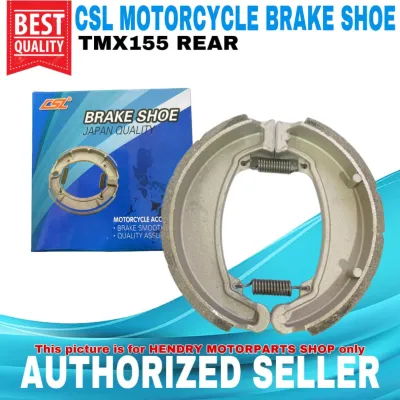
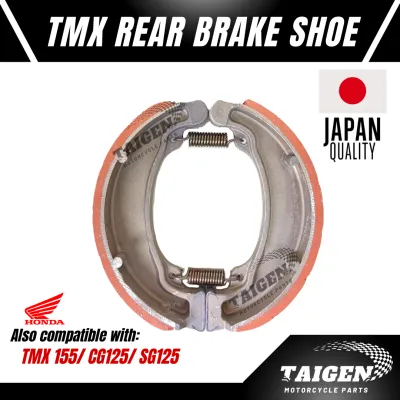
![[KRCP] TMX155 REAR BRAKE SHOE Genuine Part 06430-KB5-900 from Indonesia](https://img.lazcdn.com/g/p/9ec42b7200b479a7525d0b0a7ed7c7fb.jpg_400x400q80.jpg_.webp)
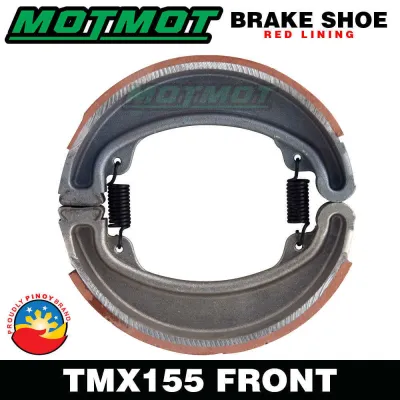
![[KV] Honda TMX155 FRONT BRAKE SHOE 06450-KB5-900 Genuine Packing](https://img.lazcdn.com/g/p/1de358dfb1ceacec6d9159525953714a.jpg_400x400q80.jpg_.webp)
![[KRCP] TMX155 FRONT BRAKE SHOE 06450-KB5-900 Genuine Packing](https://img.lazcdn.com/g/p/ac2c98c2cec57cc7fdace8d9dcb0bdac.jpg_400x400q80.jpg_.webp)
Prices are valid at publication and may change. Please refer to the product page for the latest price.
Counterfeit brake shoes, by contrast, are made from substandard materials that offer unpredictable stopping power. Under heavy braking or prolonged use, these fake parts are prone to severe brake fade, where the friction material loses its grip due to excessive heat buildup. This can dramatically increase your stopping distance when you need it most.
Furthermore, counterfeit friction linings often wear down prematurely or disintegrate entirely, leaving you with metal-on-metal contact. This can score, crack, or warp the brake drum, leading to expensive repairs. In worst-case scenarios, the friction material can detach from the metal backing plate completely, causing the rear wheel to lock up suddenly.
How to Inspect Packaging and Physical Build
To protect yourself from counterfeit products, you must perform a thorough physical inspection of both the packaging and the brake shoe assembly before finalizing your purchase. This inspection should always be conducted under bright, clear lighting so you can spot subtle defects in print quality, material texture, and manufacturing alignment.

Packaging and Labeling Checks
The exterior box is your first line of defense. Genuine packaging features high-quality, crisp printing with sharp text and correct branding logos. Look closely at the brand name and logo; counterfeiters often use slightly blurred fonts, incorrect color shades, or minor spelling variations to evade trademark laws.
Compare the box design, color accuracy, and label placement with a known genuine box from an authorized dealer. Genuine packaging typically uses high-grade, sturdy cardboard that does not crush easily, and the flaps are sealed with clean, precise adhesive lines. Flimsy cardboard, unevenly glued edges, or signs of being opened and resealed are major red flags.
Pay close attention to the product label, which should be perfectly aligned and printed with clear, legible barcodes and part numbers. Counterfeit labels often have faded ink, crooked placement, or blurry barcodes. Some genuine parts may also feature specific security stickers or holographic seals; check if these are present and intact.
Material Quality and Build Inspection
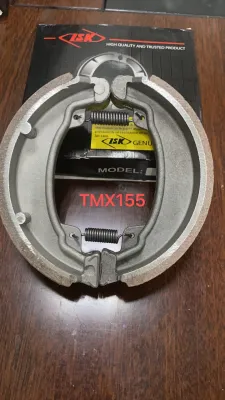
Once you open the packaging, evaluate the physical craftsmanship of the brake shoes. Inspect the friction material lining for a consistent color, even texture, and uniform thickness across the entire curved surface. Genuine brake shoes use a high-quality composite material that is securely bonded or riveted to the metal backing plate without any visible gaps or loose edges.
Genuine parts feature clean, smooth metal edges with precise casting and no rough burrs or sharp metal leftovers from the molding process. The bonding agent holding the friction lining to the metal shoe should be applied evenly, with no excessive glue run-off. You should also check for any loose debris, dust, or crumbling material, which are common indicators of low-grade manufacturing.
Counterfeit brake shoes often exhibit uneven lining thickness, which can cause uneven wear and poor contact with the brake drum. They may also use cheap, low-density materials that emit a strong, unpleasant chemical odor. If the metal backing plate looks poorly stamped, rusted, or lightweight compared to your original worn part, do not install it.
Cross-Referencing Part Numbers and Metal Stamps
Cross-referencing the printed part numbers and physical metal stamps is an effective way to verify authenticity. Locate the Original Equipment Manufacturer (OEM) part number printed on the packaging label and verify that it matches the official parts catalog for your specific TMX 155 model and production year. Because motorcycle specifications can vary slightly between model generations, verifying the exact part number ensures both compatibility and safety.
Next, inspect the physical brake shoe itself for laser-etched or deeply stamped manufacturer codes on the metal backing plate. Genuine parts almost always feature clear, permanent markings that indicate the production batch, manufacturer code, or brand logo. These stamps should be crisp, evenly spaced, and perfectly legible, reflecting high-precision factory tooling.
However, a matching part number on the box does not guarantee that the contents inside are genuine. Counterfeiters frequently place fake brake shoes inside genuine boxes or copy official part numbers onto counterfeit labels. Therefore, a physical inspection of the metal stamps on the shoe itself remains a mandatory step before you proceed with any installation.
Always consult your original vehicle owner’s manual or official documentation to verify the exact dimensions, mounting positions, and interface requirements for your TMX 155 brakes. Never infer compatibility or authenticity solely from a generic category term. If the physical dimensions or mounting holes on the new brake shoe do not align perfectly with your motorcycle’s brake assembly, stop immediately and do not attempt to force the fit.
Where to Buy Genuine Honda Parts Safely
The most reliable way to ensure you are purchasing genuine brake shoes is to buy directly from authorized dealerships, flagship brand stores, or certified service centers. These established channels source their inventory directly from the manufacturer, eliminating the risk of counterfeit parts entering the supply chain. While prices at authorized dealers may be slightly higher, the peace of mind and guaranteed safety are well worth the investment.
If you must purchase from third-party auto parts stores or online marketplaces, you must exercise extreme caution. Evaluate the seller’s reputation by checking overall ratings, reading detailed customer reviews, and verifying return and refund policies. Look for sellers designated as preferred or authorized distributors on these e-commerce platforms, and avoid shops with a history of negative feedback regarding part quality.
Be highly suspicious of deals that seem too good to be true. If a seller is offering TMX 155 brake shoes at a price significantly lower than the standard market rate—such as a discount of 50% or more—it is highly likely that the product is counterfeit. Genuine manufacturing, quality control, and safety testing require resources, and authentic parts cannot be sold at impossibly low prices without compromising on material integrity.
Steps to Take If You Receive a Suspected Fake
If you suspect that the brake shoes you received are counterfeit, you must take immediate action to protect yourself and other riders. First and foremost, do not install the suspected part on your motorcycle under any circumstances. Riding with unverified brake components poses an immediate safety hazard to you, your passengers, and everyone else on the road.
Contact the seller immediately to report your concerns and request a full refund. If you purchased the item through an online marketplace, document the discrepancies by taking clear photos of the packaging, labels, and physical defects, and file a formal dispute with the platform’s customer support. Reporting these listings helps clean up the marketplace and prevents other riders from purchasing dangerous counterfeit parts.
If you are still unsure about the authenticity of the brake shoes, bring the part to an authorized service center or a qualified professional mechanic for a hands-on evaluation. For your safety, always refer to the original vehicle instructions and have a qualified technician perform the installation to ensure the brakes are properly fitted, adjusted, and tested before you ride.
Frequently Asked Questions (FAQ)
Can I rely solely on a QR code or scratch-off sticker to verify authenticity?
No, you cannot rely solely on digital verification tags. While some genuine manufacturers use QR codes, scratch-off stickers, or holographic seals, sophisticated counterfeiters can easily clone these codes or print fake QR codes that redirect to fraudulent verification websites. Additionally, dishonest sellers sometimes place counterfeit brake shoes inside genuine, previously used boxes. You must always perform a complete physical inspection of the brake shoe itself.
Do fake brake shoes always squeak or fail immediately?
No, counterfeit brake shoes do not always fail or make noise immediately. Some fake parts may function passably during initial low-speed test rides or light braking. However, they are highly prone to sudden and unpredictable brake fade, rapid wear, or structural failure under heavy loads, high speeds, or sustained braking. This unpredictable performance makes them extremely dangerous, as they are most likely to fail when you need maximum stopping power.
Community discussion
Share your experience or ask a question. Comments are reviewed before publication.