
Finding a sudden scratch on your vehicle’s glossy exterior is a frustrating experience. In the search for a quick, budget-friendly fix, turning to everyday household products as an alternative scratch remover for car paint is a common temptation. However, household items are not engineered for automotive clear coats. Unlike dedicated automotive detailing compounds, domestic alternatives lack the specialized lubricants, controlled particle sizes, and chemical stabilizers required to protect delicate paint finishes. Applying these items carries inherent abrasion risks that can turn a minor cosmetic blemish into a severe, dull patch of damaged clear coat. Successfully addressing minor surface imperfections at home requires careful assessment, strict adherence to safe testing protocols, and a clear understanding of when to stop before causing permanent paint damage.
Assess Scratch Depth and Clear Coat Safety
Before attempting any DIY paint correction, you must determine the exact depth of the scratch. Modern automotive paint systems typically consist of three distinct layers: the primer, the base coat (which provides the color), and the clear coat (a transparent, protective top layer that shields the paint from ultraviolet rays, tropical humidity, and minor physical contact). Household polishing methods are only suitable for extremely superficial imperfections that reside entirely within the upper clear coat.
To evaluate the severity of the damage, begin with a thorough visual and tactile inspection. Park the vehicle in a well-lit area, preferably under direct sunlight. Examine the scratch from multiple angles. If the scratch appears white, translucent, or reflective, and does not show any underlying color variation, it is likely confined to the clear coat. However, if you can see a dark grey, black, or metallic silver color inside the groove, the scratch has penetrated through the base coat to the primer or the bare body panel.
Products mentioned in this guide
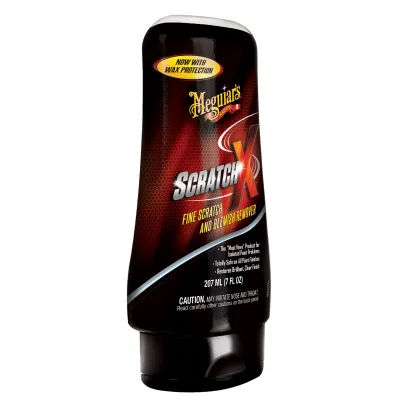
189 Lazada user ratings
maganda sya, bibili ulit
Scratch lightly removed
Very nice products 😁
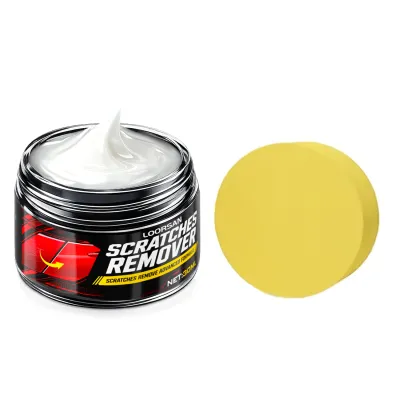
25 Lazada user ratings
The item is exactly as described!
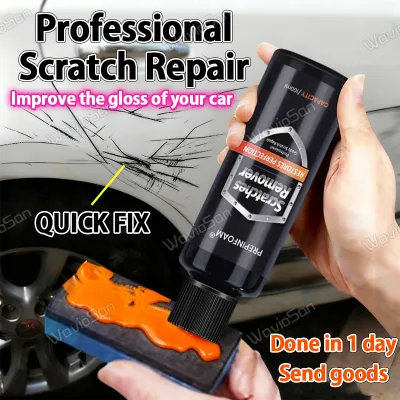
422 Lazada user ratings
🖌️Ease of Application:not tested yet. 🛠️Durability:not sure if it works for it's purpose.
👌Ease of Use:good 🖌️Ease of Application:easy 💰Value for Money:great
tested, sadly it is not effective. just a waste of money
Original quality product, One-second repair effect,
Hindi naman sya nakakaalis ng scratch sa car😥😥😥
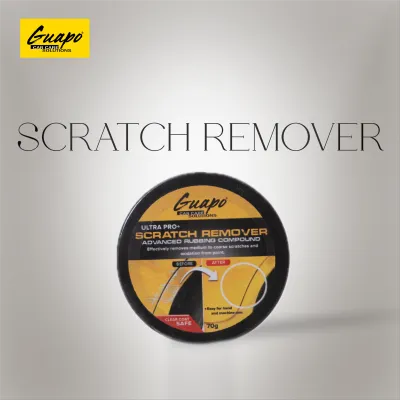
12,731 Lazada user ratings
I was curious and a bit optimistic that this product would magically remove the scratches sustained on my car based on some reviews I've rea…Read full reviewShow less
I was curious and a bit optimistic that this product would magically remove the scratches sustained on my car based on some reviews I've read but in all fairness, the product states that it only really works on light scratches. And that it does; it also removes paint marks. It only cleans up deeper scratches, making them less obvious. So I'd say it fulfills its stated purpose.
Recieved the scratch remover and tried it already, yes... light scratches disappear and it maintain its shine, its better if you use a buffi…Read full reviewShow less
Recieved the scratch remover and tried it already, yes... light scratches disappear and it maintain its shine, its better if you use a buffing machine, kahit yuong maliit lang para mas maganda ang repair, kung wala ay tiyagaan na lang, over all, good product and effective for light scratches. Will recommend... Thanks Seller and Lazada..
items received in good condition. delivered fast. items are correct based on what i ordered. it was my 3rd time ordering for shampoo and i a…Read full reviewShow less
items received in good condition. delivered fast. items are correct based on what i ordered. it was my 3rd time ordering for shampoo and i am satisfied. its my first time for the scratch remover and i hope it works fine. thank you seller, lazada and delivery rider
all items are bubble wraped... nice and secured... no damage and leakage on liquid items... arrived fast and secured ... will order again...…Read full reviewShow less
all items are bubble wraped... nice and secured... no damage and leakage on liquid items... arrived fast and secured ... will order again....
Quality:100 Appearance:100 Performance:100 bilis dumating yung parcel, diko nagagamit. edit ku ang review kapag nagamit ku na.
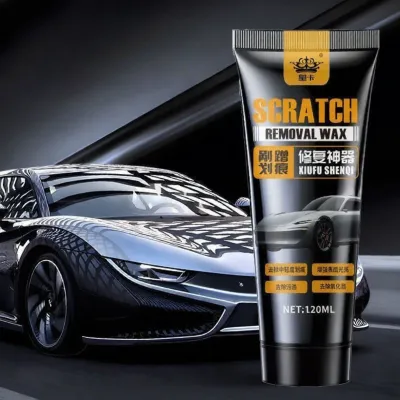
185 Lazada user ratings
Pakiredeliver po yung item nagkamali siguro ng pindot pero Ang nakalagay ay delivered na.
It takes some skill to get it right; I recommend testing it on a small area first.
haven't tried it yet. Just waiting for my vehicle to have a scratch
The car paint looks shiny after using it, I'm really satisfied!
It’s super easy to use; just a quick squeeze and it comes out!
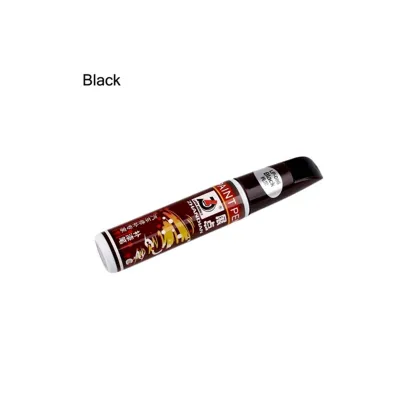
1,188 Lazada user ratings
It is easy to use. It has a good color, which is similar to my vehicle. The delivery is teally good, and it has an up to date delivery statu…Read full reviewShow less
It is easy to use. It has a good color, which is similar to my vehicle. The delivery is teally good, and it has an up to date delivery status report on your app.
Thanks seller will order again soon. Kudos for complete items. Will order again soon as needed. Thanks lazada for fast shipping
thank you so much po seller mabilis lang po dumating what you see is what you get talaga super legit po talaga ng shop na ito
It is very easy to apply. Good quality. The color is very similar to the color of my vehicle. This product is worth buying.
🛠️Durability:nagamit kuna ok n ok as burgman jo titanium sulver thank you seller
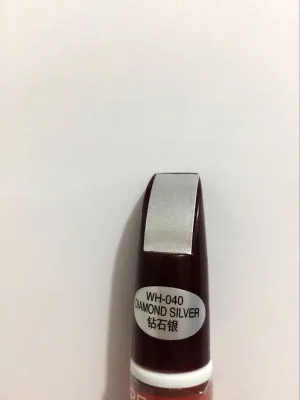
Prices are valid at publication and may change. Please refer to the product page for the latest price.
Next, perform the classic fingernail test. Gently run your fingernail across the scratch at a ninety-degree angle. If your fingernail glides smoothly over the blemish without catching, the scratch is superficial and may respond to light polishing. If your fingernail catches or drops into a distinct groove, the scratch is too deep for household polishing methods. Attempting to buff out a deep scratch with household abrasives will only thin the surrounding clear coat, exposing the base coat to rapid oxidation and peeling under intense tropical heat.
Additionally, you must verify your vehicle’s paint type before proceeding. Consult your vehicle owner’s manual or check the manufacturer labels located on the door jamb to identify the paint code and finish specifications. Vehicles with matte, satin, or frosted paint finishes must never be polished with any abrasive material, whether commercial or household. Polishing a matte finish flattens the textured surface, creating a permanent, glossy spot that cannot be repaired without respraying the entire panel. Similarly, some manufacturers use exceptionally soft clear coats that are highly sensitive to friction; for these vehicles, even the mildest household abrasive can leave deep, hazy swirl marks.
Evaluate Common Household Items and Abrasive Risks
Many online guides suggest using everyday pantry or bathroom items as a quick scratch remover for car paint, but these recommendations often overlook the physical and chemical risks involved. To protect your vehicle, you must objectively evaluate these common household items and understand how their abrasive properties differ from professional automotive formulations.

Non-gel toothpaste is one of the most frequently recommended DIY alternatives. Standard white toothpaste contains mild abrasives, such as calcium carbonate or hydrated silica, designed to polish tooth enamel. While these particles can occasionally smooth out very shallow surface scuffs or remove paint transfer from minor parking scrapes, toothpaste lacks the paint-safe lubricants found in dedicated automotive compounds. Without these lubricants, the abrasive particles can clump together, creating uneven friction that leaves a dull, hazy patch on your clear coat. Gel toothpastes must be avoided entirely, as they lack the necessary abrasive structure and often contain artificial dyes that can stain light-colored paint.
Baking soda paste is another common household suggestion, typically created by mixing baking soda with water. While baking soda is a mild abrasive, its particle sizes are completely uncontrolled for automotive applications. When rubbed onto a clear coat, these jagged particles can easily introduce thousands of microscopic scratches, known as micro-marring. This micro-marring scatters light, making the treated area look cloudy and ruined, especially on dark-colored vehicles.
Other household items, such as shoe polish or colored nail polish, are sometimes suggested to hide scratches. It is vital to clarify that these products do not remove scratches; they merely mask them temporarily. Shoe polish fills the scratch with wax and pigment, which will quickly wash away during the next rainstorm or car wash. Nail polish can provide a harder temporary cover, but it is extremely difficult to match the exact factory color of your vehicle. Furthermore, nail polish does not bond correctly with automotive paint, leading to cracking, peeling, and an uneven surface texture that makes the original scratch look significantly worse.
You must also establish strict exclusions for harsh household chemicals. Never use nail polish remover (acetone), rubbing alcohol in high concentrations, household bleach, or heavy-duty kitchen degreasers on your car’s paint. Acetone is a powerful solvent that can rapidly dissolve the clear coat and base paint, leading to immediate, catastrophic paint failure. Heavy-duty cleaners and degreasers can strip away protective wax coatings, dry out the clear coat, and cause permanent chemical staining or clouding that requires professional paint correction to resolve.
Safe Application Steps and Mandatory Spot Testing
If you decide to proceed with a mild household alternative for a very shallow clear coat scuff, you must follow a highly controlled operational workflow. This process minimizes the risk of secondary damage and ensures you can halt the procedure before causing irreversible harm to your vehicle’s finish.
The first step is thorough preparation and cleaning. Never attempt to polish a scratch on a dirty or dusty car. Even microscopic dust particles trapped under your polishing cloth will act like coarse sandpaper, dragging across the paint and creating deep, circular swirl marks. Wash the target area thoroughly using a neutral, pH-balanced car wash soap and clean water. Rinse the area completely to remove all soap residue, and dry it using a clean, high-quality microfiber towel. Avoid washing your car in direct sunlight or when the body panels are hot to the touch, as this can cause water spots and accelerate chemical reactions.
Before applying any household item to the visible scratch, you must perform a mandatory spot test in a hidden area. Select an inconspicuous spot on your vehicle, such as the lower portion of the rear bumper, the inside edge of a door sill, or the bottom of a side skirt. Apply a tiny amount of your chosen household mixture to this test area and buff it gently. Wipe the area clean and inspect it under bright light. Observe whether the clear coat turns dull, hazy, loses its gloss, or shows signs of discoloration. If you notice any negative changes, wash the area immediately with car soap and do not proceed with the DIY method on the visible scratch.
If the spot test is successful, you can proceed to the application phase with extreme caution. Use only a clean, dry, high-quality microfiber cloth. Never use paper towels, kitchen sponges, bath towels, or rough scouring pads, as these materials are highly abrasive and will scratch automotive paint. Apply a pea-sized amount of the household mixture directly to the microfiber cloth. Using very light, controlled pressure, gently work the cloth over the scratch in small, circular motions. Avoid rubbing back and forth in a straight line, as this can create deep, noticeable grooves in the paint. Limit your polishing to ten to fifteen seconds per attempt.
During this process, you must monitor the paint constantly and adhere to strict stop conditions. Immediately stop polishing and wash the area with clean water if you observe any of the following warning signs: the paint begins to look cloudy or hazy, new micro-scratches appear around the target area, or you notice any color transfer onto your microfiber cloth. Color transfer is an emergency indicator that you have completely rubbed through the clear coat and are now stripping away the colored base coat.
Recognize Limits and Transition to Professional Repair
It is crucial to recognize the absolute physical limits of DIY household methods. While minor surface scuffs can sometimes be masked or slightly improved, deeper paint damage cannot be resolved with household items. Understanding when to transition to commercial products or professional repair services will save you time, money, and prevent further damage to your vehicle.
If your scratch has exposed the primer (usually a dull grey or white layer) or bare metal, household polishing is completely useless. Polishing these deep scratches will only strip away the surrounding clear coat, leaving the exposed metal vulnerable to rust and corrosion, which is highly accelerated by tropical humidity and coastal air. Deep scratches require a dedicated automotive touch-up paint kit matched to your vehicle’s exact paint code, or professional respraying at an authorized body shop.
You must also stop your DIY efforts immediately if you observe signs of clear coat damage, such as peeling, severe hazing, or widespread gloss loss. If the clear coat has begun to fail or delaminate, any friction will cause the damage to spread rapidly across the panel. At this stage, the only effective solution is professional sanding and clear coat reapplication.
When household methods fail to deliver safe results, or if you want to ensure a risk-free repair, you should transition to dedicated commercial alternatives. Purchasing a high-quality commercial scratch remover for car paint or a fine polishing compound is a highly recommended step. Commercial products are formulated with engineered micro-abrasives that break down progressively as you polish, preventing deep scratching. They also contain specialized lubricants that reduce heat buildup and protect the paint surface during application. These products are readily available at automotive supply stores and online marketplaces, offering a much safer and more reliable outcome than household substitutes.
Frequently Asked Questions (FAQ)
Can I use magic erasers or rough sponges on car paint?
No, you should never use magic erasers or rough kitchen sponges on your car’s paint. Magic erasers are made of melamine foam, which acts as an extremely fine, high-grit sandpaper. While they may feel soft to the touch when wet, their micro-abrasive structure will quickly strip away the clear coat, leaving a large, dull, and hazy patch on your vehicle’s finish. Similarly, rough kitchen sponges or scouring pads are designed to scrub hard surfaces like metal pots and will cause deep, irreversible scratches on delicate automotive paint.
Will household items void my car's paint warranty?
Yes, using non-manufacturer-approved chemicals, household cleaners, or unapproved abrasives on your vehicle’s exterior can void your car’s paint and corrosion warranty. Most automotive manufacturers explicitly state in their warranty terms that damage caused by improper maintenance, unapproved chemical applications, or DIY paint repairs is not covered. Before applying any household item to your car’s paint, it is highly recommended to review your specific vehicle warranty documentation to avoid losing your coverage.

Community discussion
Share your experience or ask a question. Comments are reviewed before publication.