
To keep your motorcycle running smoothly and prevent sudden breakdowns, verifying that you are purchasing an ignition coil tmx 155 original part is essential. The Honda TMX 155 remains a legendary workhorse on Philippine roads, serving as the backbone for countless tricycle drivers, delivery riders, and daily commuters. Because of its incredible popularity, the market is flooded with counterfeit spare parts that mimic the appearance of genuine components but fail to deliver the same performance.
Identifying a counterfeit ignition coil requires a sharp eye, a basic understanding of physical manufacturing standards, and occasionally some simple electrical testing. Fake parts often look incredibly similar to genuine ones at a glance, but they fail to withstand the intense heat and humidity of tropical climates. By learning how to inspect the packaging, evaluate the build quality, and use a multimeter for verification, you can protect your motorcycle’s electrical system from severe damage.
Why Counterfeit Ignition Coils Pose a Risk to Your TMX 155
The ignition coil serves as a vital transformer within your motorcycle’s electrical system. It takes the relatively low voltage produced by the stator or battery and steps it up to the thousands of volts required to bridge the spark plug gap. This high-voltage spark ignites the compressed air-fuel mixture inside the combustion chamber. When this process occurs seamlessly thousands of times per minute, your TMX 155 runs with the smooth, dependable power it is famous for.
Products mentioned in this guide
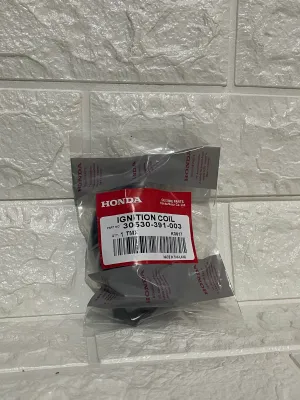
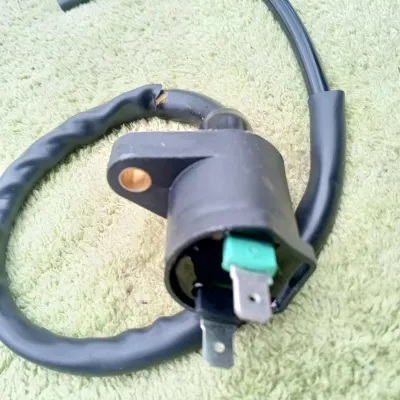
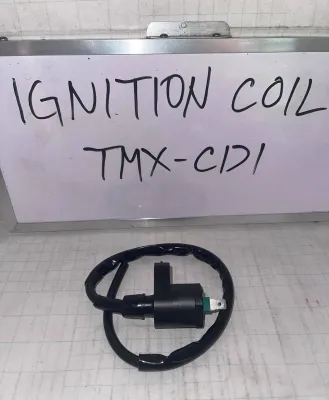
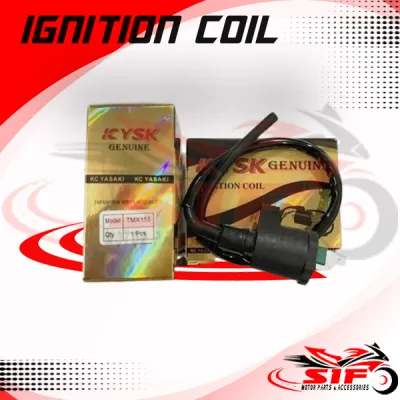
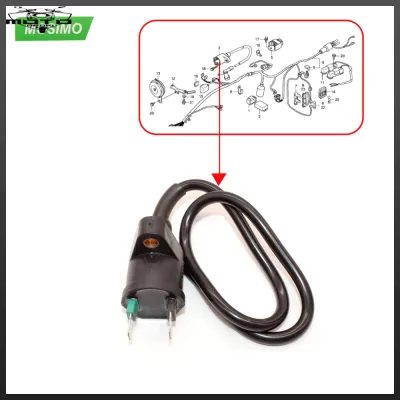
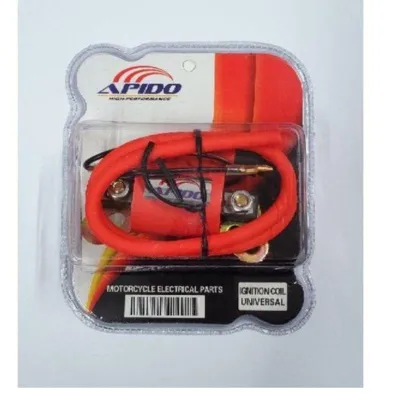
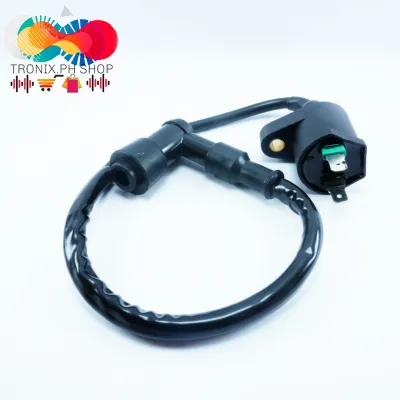
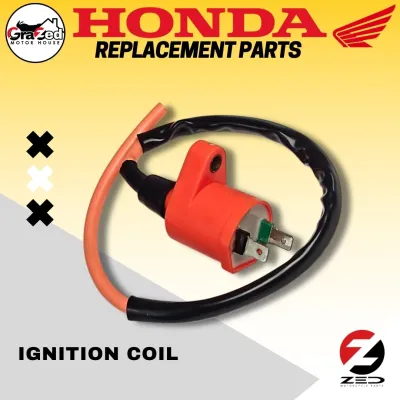
Prices are valid at publication and may change. Please refer to the product page for the latest price.
Counterfeit ignition coils are manufactured with cheap, substandard materials to maximize profit margins. Instead of high-grade copper wire with precise insulation, fakes often utilize inferior, thinner copper windings with fewer turns, or even copper-clad aluminum wire. The internal insulation is frequently inadequate, and the core materials are prone to rapid degradation. Under the high operating temperatures of a busy tricycle or a long daily commute, these low-quality internals quickly break down, leading to electrical leakage or complete coil failure.
The mechanical consequences of installing a counterfeit coil can severely disrupt your daily operations. A weak or inconsistent spark leads to frequent engine misfires, rough idling, and a noticeable loss of engine power. You will likely experience hard starting, especially on damp, humid mornings or during the rainy season. Furthermore, incomplete combustion wastes fuel, causing your fuel economy to plummet and potentially leading to long-term damage to the motorcycle’s exhaust system, catalytic components, and expensive CDI unit.
Physical Markers of an Ignition Coil TMX 155 Original Part
To protect your investment, you must know exactly what a genuine OEM Honda part looks and feels like. Counterfeiters have become adept at replicating the basic shape of motorcycle parts, but they rarely match the precise manufacturing tolerances and high-quality materials used by official suppliers. Inspecting these physical markers is your first line of defense before handing over your hard-earned money.

Inspecting the Packaging and External Labels
Genuine Honda packaging is designed to protect the component from physical damage and moisture during transit and storage. The box is constructed from sturdy, high-quality cardboard with clean, sharp folds and precise edges. If the box feels flimsy, soft, or has unevenly glued seams that look like they were finished by hand, you should immediately be suspicious of its contents.
The printing on a genuine Honda box is crisp, clear, and perfectly aligned. The signature red color of the Honda branding is vibrant and consistent across all packaging. Counterfeit boxes often feature blurry typography, pixelated logos, or a faded, orange-tinted red color. Pay close attention to the label containing the part number; on genuine packaging, this label is printed with high-contrast, razor-sharp text and contains specific distributor markings, such as those from Honda Philippines, Inc. (HPI), along with intact holographic security stickers or QR codes.
Evaluating Build Quality and Material Finish
Once you remove the ignition coil from its packaging, examine the body of the unit itself. A genuine Honda TMX 155 ignition coil features a smooth, uniform resin or plastic molding. There should be no visible plastic flash (excess plastic sticking out from the seams), rough edges, or tiny air bubbles trapped in the epoxy. The entire housing should feel solid and robust, designed to withstand years of engine vibration.
The metal mounting brackets on an original coil are made of heavy-duty, corrosion-resistant steel. They are cleanly stamped, perfectly aligned, and securely integrated into the coil body to ensure a solid ground connection to the motorcycle frame. The rubber spark plug boot is another critical indicator; on an original part, this boot is made of thick, highly flexible rubber that fits snugly over the spark plug to seal out water during heavy downpours. In contrast, counterfeit boots often use thin, stiff, or oily rubber that cracks easily under engine heat. Finally, check the markings on the coil body; genuine parts have deeply stamped or high-contrast, durable ink-printed manufacturing codes that will not rub off when wiped firmly.
Common Red Flags That Indicate a Fake Ignition Coil
Recognizing the common shortcuts taken by counterfeit manufacturers can help you spot a fake part in seconds. Because these illegitimate operations focus entirely on low-cost production, they consistently leave behind telltale signs of poor craftsmanship. Being aware of these red flags prevents you from installing a component that could leave you stranded on the side of the road.
One of the most obvious red flags is found on the packaging labels. Counterfeiters frequently make spelling mistakes, use incorrect font weights, or display misaligned barcodes. You might spot subtle errors in the brand name or the description of the part. Additionally, the holographic stickers on fake boxes often lack the multi-layered depth and color-shifting properties of genuine security seals, appearing flat or metallic silver without any true holographic effect.
On the physical coil, look closely at the primary wiring terminals and connectors. Genuine connectors are securely crimped and made of high-quality brass or plated metal. Fake coils often feature loose, flimsy spade terminals that bend easily under light pressure, which can lead to intermittent electrical connections. The high-tension wire leading to the spark plug boot may also feel loose where it enters the coil body, whereas a genuine unit has a completely sealed, watertight connection. While a single minor visual imperfection might occasionally occur, a combination of these red flags is a definitive sign of a counterfeit product.
Actionable Steps to Verify Authenticity Before Installation
Before you attempt to install any electrical component on your motorcycle, it is crucial to establish a safe working environment. Always refer to your original-vehicle owner’s manual or service documentation for specific safety guidelines. Ensure the motorcycle’s engine is turned off, the ignition key is removed, and the battery is disconnected to prevent accidental short circuits. If you are not comfortable performing electrical checks or handling motorcycle wiring, always seek the assistance of a qualified professional mechanic.
To verify the authenticity of your new ignition coil before mounting it, start by cross-referencing the part number printed on both the box and the coil body. This number must match the official part code listed in the Honda Philippines parts catalog or your TMX 155 owner’s manual. Any discrepancy in the characters or formatting indicates that the part is either for a different motorcycle model or is a counterfeit.
Next, utilize any official digital verification tools provided by the local distributor. Many genuine Honda parts packages in the Philippines feature scratch-off panels with unique serial numbers or QR codes that can be scanned using a smartphone. Scanning these codes should direct you to an official Honda verification portal confirming the part’s authenticity. If the QR code leads to a generic website, fails to load, or has already been registered multiple times, the item is highly likely to be a fake.
For a definitive technical check, use a digital multimeter to measure the internal resistance of the ignition coil. Set your multimeter to the appropriate resistance scale (ohms) and measure the primary winding resistance across the input terminals, then measure the secondary winding resistance between the input terminal and the spark plug boot. Compare these readings strictly to the OEM specifications found in the TMX 155 service manual. A counterfeit coil will almost always display resistance values that are significantly higher or lower than the official specifications, proving that the internal windings are incorrect.
Trusted Channels for Buying Original Parts in the Philippines
The most effective way to avoid counterfeit parts entirely is to be highly selective about where you shop. In the Philippines, the motorcycle spare parts market is vast, ranging from authorized flagship dealerships to small roadside shops and online sellers. While it may be tempting to look for the cheapest option, purchasing critical electrical components like ignition coils from unverified sources carries an incredibly high risk.
Always prioritize purchasing your spare parts directly from authorized Honda 3S (Sales, Service, and Spare Parts) dealerships or official Honda service centers. These establishments source their inventory directly from Honda Philippines, Inc., guaranteeing that every component is 100% genuine. If you prefer shopping online, only buy from verified flagship stores or authorized distributors on reputable e-commerce platforms, looking for official brand badges and high seller ratings.
Be extremely wary of unusually low prices from unverified third-party sellers on online marketplaces or social media groups. A genuine OEM Honda TMX 155 ignition coil typically commands a standard market price reflecting its manufacturing quality (generally ranging from ₱500 to ₱1,200 depending on the specific model variation and local taxes). If a seller offers a “genuine” coil for a fraction of this price, such as ₱150 or ₱200, it is a primary indicator of a counterfeit. Remember that deep discounts or “wholesale” pricing on single units are almost always too good to be true.
What to Do If You Receive a Suspected Counterfeit Part
If you suspect that the ignition coil you have purchased is a fake, do not attempt to install it on your TMX 155. Operating your motorcycle with a counterfeit electrical component can lead to sudden engine failure, CDI damage, or electrical fires, which are far more expensive to repair than the cost of a genuine coil. Stop the installation process immediately and keep the part in its original packaging.
Begin by documenting the issue thoroughly. Take clear, well-lit photos and videos of the packaging, focusing on any blurry text, misspelled words, or damaged security seals. Capture detailed close-ups of the physical coil, highlighting the poor molding, loose connectors, or faint stamped markings. If you have an old, verified genuine coil on hand, take side-by-side comparison photos to clearly demonstrate the differences.
If you purchased the item through an online marketplace, immediately initiate a return and refund dispute under the platform’s buyer protection program. Select “Counterfeit or Fake Item” as the official reason for the return, and upload your documented photo and video evidence along with a copy of your purchase receipt. Additionally, consider reporting the seller’s store to the platform’s customer support and sharing your findings with a local authorized Honda dealer. This helps the distributor track down counterfeit supply chains and protects fellow riders in the local motorcycle community.
Frequently Asked Questions (FAQ)
Can a fake ignition coil cause permanent engine damage to my TMX 155?
Yes, prolonged use of a counterfeit ignition coil can lead to serious mechanical and electrical issues. A weak or irregular spark causes incomplete fuel combustion, allowing unburned gasoline to wash away the protective oil film on your cylinder walls, which accelerates piston ring and cylinder wear. Additionally, the unburned fuel can overheat and damage your exhaust system, while the incorrect electrical resistance of a fake coil can overload and permanently destroy your motorcycle’s CDI unit, stator, or battery.
Are aftermarket ignition coils a safe alternative to genuine Honda parts?
High-quality aftermarket ignition coils from reputable, established brands can be a safe and reliable alternative, but they must not be confused with unbranded counterfeits. Reputable aftermarket manufacturers engineer their components to meet or exceed OEM electrical specifications. If you choose to go the aftermarket route, always verify the brand’s reputation, purchase from authorized dealers, and double-check that the coil’s electrical specifications perfectly match the voltage and resistance requirements of the Honda TMX 155.
Community discussion
Share your experience or ask a question. Comments are reviewed before publication.