
Spotting a genuine Motowolf Raincoat Original Version 4 requires a careful eye and a systematic approach to inspecting the product’s physical construction, security labels, and seller credentials. With the rise of counterfeit riding gear in online marketplaces, riders must verify their gear before hitting the road. A genuine raincoat is an investment in your safety and comfort, especially when navigating unpredictable tropical downpours. By examining key details like seam sealing, zipper branding, and holographic security tags, you can confidently distinguish an authentic product from a substandard imitation.
Why Authenticity Matters for Riding Rain Gear
Riding a motorcycle in heavy rain presents unique challenges that standard casual rainwear cannot handle. Genuine motorcycle-specific rain gear is engineered to withstand high-speed wind pressure and sustained water exposure. Counterfeit manufacturers, however, prioritize low production costs over rider safety, resulting in products that fail when you need them most.
The primary failure point of counterfeit raincoats is their waterproofing capability. While a fake jacket might look water-resistant during a light drizzle, it often lacks the specialized polyurethane or polyester coatings required to block heavy rain. Under the pressure of highway speeds, water easily forces its way through the cheap fabric, leaving the rider cold, wet, and uncomfortable.
Products mentioned in this guide
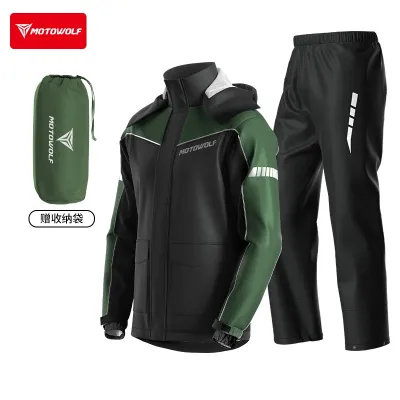
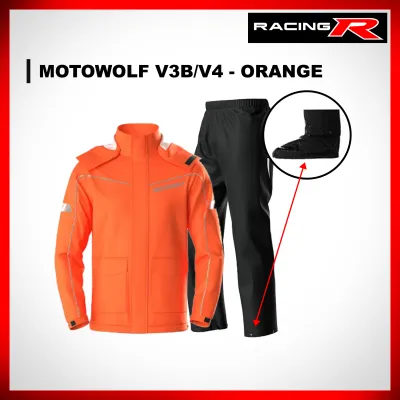
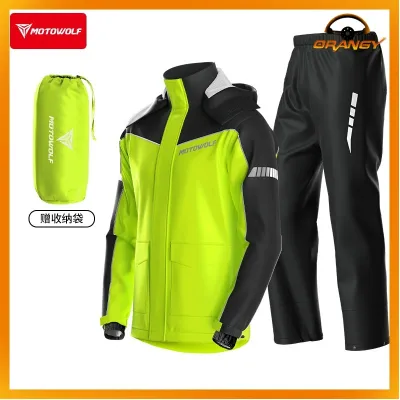
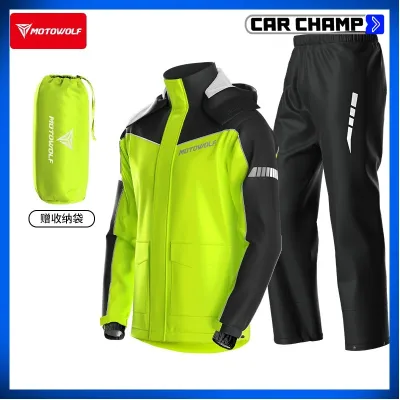
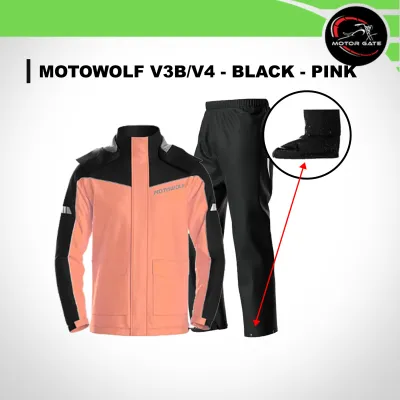
Prices are valid at publication and may change. Please refer to the product page for the latest price.
Safety is also severely compromised when using counterfeit gear. Genuine riding raincoats feature high-visibility reflective elements strategically placed to ensure you remain visible to other motorists in low-light or stormy conditions. Counterfeit versions frequently use cheap, non-reflective paint or low-grade reflective strips that quickly peel off or fail to bounce light back to oncoming traffic, increasing your risk on the road.
Furthermore, counterfeit items lack any form of quality control, manufacturer warranty, or reliable after-sales support. If a seam splits or a zipper breaks on a genuine jacket, authorized dealers often provide solutions or replacements. With a fake, you are left with useless gear and no recourse, making the initial savings a costly mistake in the long run.
Key Visual and Physical Checks for Version 4
Packaging and Presentation
The unboxing experience is often the first indicator of a product’s authenticity. Genuine Motowolf products are shipped in high-quality, durable packaging designed to protect the gear during transit. Look for clean, sharp printing on the box or storage bag, with no blurry logos, spelling errors, or faded colors. Authentic Version 4 raincoats typically come with a dedicated, branded storage bag made of the same high-quality water-resistant material as the suit itself, featuring clean stitching and a robust drawstring or zipper closure.

Material and Build Quality
When you handle a genuine Version 4 raincoat, the fabric should feel substantial yet flexible. The material is designed to balance durability with breathability, preventing the clammy, humid feeling common in cheap plastic suits. Pay close attention to the weight; counterfeit raincoats often feel unusually light and thin, resembling cheap disposable ponchos rather than heavy-duty riding gear.
Turn the garment inside out to inspect the seam construction. Genuine raincoats utilize advanced seam-taping or hot-press welding technology to seal every single stitch line, preventing water from seeping through the needle holes. In contrast, counterfeit versions often show messy, uneven seam tape, loose threads, or completely unsealed seams that will leak almost immediately during a tropical storm.
Hardware and Zippers
Zippers are a critical component of any waterproof garment. Genuine Motowolf raincoats feature smooth, heavy-duty zippers that slide effortlessly without catching on the inner lining. These zippers often have custom-molded pullers featuring the brand’s logo clearly engraved or embossed.
Inspect the snap buttons and hook-and-loop fasteners along the front storm flap and cuffs. Authentic fasteners are securely attached to the fabric, requiring a firm pull to open, and are designed to withstand repeated use. Counterfeit jackets often use generic, flimsy zippers that split open under tension, along with weak hook-and-loop strips that lose their grip after only a few uses.
Reflective Elements
Night visibility is a cornerstone of rider safety, especially during heavy downpours in the Philippines where road visibility drops dramatically. The genuine Version 4 raincoat features highly reflective strips and logos positioned across the back, chest, and limbs. These elements are heat-transferred onto the fabric with precision, ensuring they do not crack or peel when folded.
To test this, take a photo of the raincoat in a dark room with your smartphone’s camera flash turned on. A genuine product will reflect light intensely and uniformly. If the reflective areas appear dull, patchy, or show signs of peeling at the edges straight out of the package, you are likely dealing with a counterfeit item.
Verifying Tags, Labels, and Security Features
Care Labels and Size Tags
The internal labels of a garment can reveal a lot about its origin. Examine the care labels stitched inside the collar or inner lining of the raincoat. Genuine labels feature crisp, legible text with correct spelling, proper material composition details, and standard international washing symbols. Counterfeiters often overlook these small details, resulting in labels with smudged ink, grammatical errors, or incorrect font styles.
Holograms and Security Tags
To combat counterfeiting, the brand utilizes specific security tags and holographic seals on their packaging or hangtags. When tilted under a light source, a genuine holographic sticker should display shifting colors, clear patterns, and sharp brand logos. If the sticker is a flat, non-reflective silver image or is missing entirely from a listing advertised as brand new, exercise extreme caution.
Official Verification Channels
Many modern riding gear brands include a scratch-off area on their security tags revealing a unique serial number or QR code. Scanning this code should direct you to the official brand verification portal, confirming the item’s authenticity. Keep in mind that security features and verification websites may be updated over time, so it is always wise to cross-reference the current verification process on the manufacturer’s official website or verified social media channels.
Evaluating the Seller and Listing Details
Pricing Red Flags
While everyone loves a good deal, an unrealistically low price is the most common indicator of a counterfeit product. If an online listing offers the Version 4 raincoat at a price significantly below the standard retail rate found at authorized physical motorcycle accessory shops in the Philippines, it is highly likely a fake. Genuine manufacturing processes, quality materials, and import costs establish a baseline market price that counterfeiters simply cannot match without cutting corners.
Seller Credentials
Before clicking the buy button on any ecommerce platform, take a close look at the seller’s profile. Look for authorized dealer badges, official store designations, or high positive feedback ratings specifically mentioning the authenticity of their riding gear. Avoid sellers with generic names, newly created accounts, or those who refuse to provide real-time photos of the actual stock when requested.
Product Photos and Descriptions
Scrutinize the images used in the product listing. Genuine sellers typically use high-resolution, original photos showing the product from multiple angles, including close-ups of the tags and zippers. Be highly suspicious of listings that rely solely on low-quality stock photos, images with watermarks from other stores, or descriptions that are vague and avoid mentioning the specific brand name or version details.
What to Do If You Suspect a Counterfeit
If you have purchased a raincoat and suspect it is a counterfeit upon arrival, do not wear it on the road. Instead, document the unboxing process immediately. Take clear, high-resolution photos and videos highlighting the discrepancies, such as messy stitching, lack of security tags, or substandard materials.
Next, initiate a return or refund request through your ecommerce platform’s buyer protection program right away. Most major online marketplaces have strict policies against the sale of counterfeit goods and will hold the seller’s funds while investigating your claim. Provide your documented photo and video evidence to support your case.
Finally, report the suspicious listing to the platform’s customer support team to help prevent other riders from falling victim to the same seller. You can also contact the brand’s official customer support channels to inform them of the counterfeit distributor, helping them protect the riding community from unsafe gear.
Frequently Asked Questions (FAQ)
Can I rely solely on the price to identify a fake Motowolf raincoat?
No, you should not rely solely on the price to determine authenticity. While an exceptionally low price is a major red flag, some sophisticated counterfeiters price their fake raincoats close to the standard retail price of genuine items to trick buyers into thinking they are purchasing the real deal. Always combine price evaluation with physical inspections of the materials, hardware, and security tags, and only purchase from verified or highly rated sellers.
Does a missing hologram always mean the raincoat is fake?
Not necessarily, but it warrants careful investigation. Manufacturers occasionally update their packaging designs, security features, and hangtags between different production batches, meaning older genuine stock might lack the latest holographic stickers. If you encounter a raincoat without a hologram, cross-reference its other physical characteristics—such as seam sealing and zipper quality—and verify the seller’s authorized status before making a final decision.

Community discussion
Share your experience or ask a question. Comments are reviewed before publication.