
To verify an original NHK raincoat and avoid purchasing a counterfeit, you must perform a thorough inspection of the seam sealing, evaluate the weight and texture of the waterproof fabric, check the alignment and spelling of the branding, and purchase exclusively from authorized dealers. Riding a motorcycle in the Philippines means facing unpredictable weather, where a sudden tropical downpour can catch you completely off guard. Having reliable, authentic rain gear is not just about staying dry; it is a critical component of rider safety and comfort on wet, slippery roads.
Cheap counterfeit raincoats have flooded online marketplaces, tempting riders with low prices. However, these imitation products often fail during the first heavy rain, leaving you soaked and distracted. Understanding how to spot the differences between a genuine NHK raincoat and a fake copy ensures that your investment actually protects you when you need it most. This guide outlines the key physical, packaging, and purchasing checks you should perform to guarantee you are buying authentic gear.
Why Authenticity Matters for Riding Rain Gear
Genuine motorcycle rain gear is specifically engineered to withstand the extreme conditions of high-speed riding. When you ride at high speeds in a heavy downpour, the wind forces rainwater against your gear with significant pressure. Authentic raincoats are constructed with high-grade hydrostatic materials and advanced seam-sealing technology to block this high-pressure water. Counterfeit raincoats, on the other hand, typically use cheap PVC or thin, untreated nylon that quickly saturates, allowing water to seep through the fabric within minutes of exposure.
Products mentioned in this guide
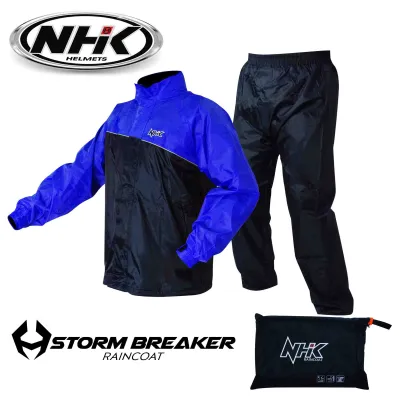
Prices are valid at publication and may change. Please refer to the product page for the latest price.
Seam construction is where the difference between genuine and fake gear becomes most apparent. Every stitch in a raincoat creates tiny holes that water can easily penetrate. Authentic manufacturers apply a specialized, heat-fused waterproof tape over every single interior seam to seal these vulnerabilities. Counterfeiters often skip this step entirely or use low-quality, thin tape that peels away after a few uses, leading to immediate leaks along the shoulders, chest, and crotch.
Visibility is another life-saving feature of authentic riding gear. Riding in heavy rain drastically reduces visibility for all motorists on the road. Original raincoats are equipped with certified retroreflective strips that bounce light directly back to vehicle headlights, making you highly visible from a distance. Counterfeit versions often substitute these safety-grade materials with cheap silver paint or low-quality reflective tape that fails to reflect light effectively, especially when wet, putting you at severe risk during night rides.
Finally, the long-term cost of buying counterfeit gear far outweighs the initial savings. Cheap materials degrade rapidly under the intense heat and high humidity of the Philippine climate. The inner waterproof lining of a fake raincoat will often begin to crack, flake, and peel off after only a few weeks of storage in a motorcycle seat compartment. Zippers on fake gear are prone to jamming or breaking under tension, rendering the entire suit useless and forcing you to buy a replacement much sooner than expected.
Physical Inspection: Build Quality and Material Checks
A hands-on inspection is one of the most reliable ways to verify the authenticity of a raincoat. Start by turning the jacket and pants inside out to examine the inner construction. On an original raincoat, the waterproof seam tape should be wide, perfectly flat, and seamlessly fused to the fabric. There should be no lifting edges, air bubbles, or loose threads trapped beneath the tape. The stitching itself must be incredibly neat, consistent, and tight, with no skipped stitches or frayed ends.

Next, evaluate the hardware, including the zippers, snap buttons, and Velcro fasteners. Authentic riding gear uses heavy-duty, corrosion-resistant zippers designed to slide smoothly without catching or splitting. Check the zipper pulls and metal snaps for clean, crisp brand engravings or high-quality finishes. The Velcro closures on the cuffs, collar, and storm flaps should have a strong, aggressive grip and be stitched securely around their entire perimeter. If the Velcro is poorly aligned, lifting at the corners, or held together by messy glue, the item is likely a counterfeit.
The texture and weight of the fabric provide immediate clues about its quality. Authentic raincoats are made from high-density polyester or nylon fabrics that feel substantial, durable, and supple. They are designed to resist tearing under high wind pressure while remaining flexible enough for comfortable riding. In contrast, counterfeit raincoats often feel either excessively stiff and plastic-like—resembling a cheap disposable poncho—or incredibly thin and fragile. Additionally, fake gear often emits a strong, unpleasant chemical or industrial plastic odor, indicating the use of cheap, unregulated materials.
Do not forget to inspect the reflective elements closely. Run your fingers over the reflective strips on the back, chest, and sleeves. On a genuine product, these elements are smoothly integrated into the fabric or heat-transferred without any peeling edges or uneven thickness. You can test their performance by taking a photo with your smartphone flash enabled in a dark room. An original raincoat will reflect the light with intense, uniform brightness, whereas a fake will appear dull, patchy, or completely non-reflective.
Packaging, Labels, and Branding Verification
Counterfeiters frequently make mistakes when trying to replicate the branding, labels, and packaging of established manufacturers. Begin your inspection by looking closely at the printed or embroidered logos on the raincoat. On an original product, the logo will feature sharp, clean edges, correct proportions, and consistent font spacing. Look out for minor spelling errors, blurred printing, or misaligned letters, which are classic signs of a fake.
Examine the hangtags and inner care labels carefully. Genuine riding gear includes detailed tags specifying the exact material composition, care instructions, size, and manufacturer details. These labels are typically printed on high-quality cardstock or durable fabric tags with clear, legible text. If you find a tag with poor English, generic washing instructions that do not match the material, or missing manufacturer information, proceed with caution.
Many reputable riding gear brands incorporate security features such as unique serial numbers, holograms, or QR codes on their tags. Check the manufacturer’s official website or product documentation to see what security measures are currently active. If there is a QR code, scan it to verify if it directs you to an official, secure brand domain rather than a generic or suspicious landing page.
Do not overlook the packaging. Original raincoats are usually packed in durable, branded zip-lock bags or sturdy boxes featuring high-resolution graphics and clear product information. Counterfeit items often arrive in plain, flimsy plastic bags, or poorly printed packaging with faded colors and low-resolution images.
Choosing Reliable Purchase Channels
The most effective way to avoid counterfeit gear is to buy from trusted sources. Prioritize authorized physical motorcycle gear shops and official brand stores. Buying in person allows you to touch the material, try on the raincoat, and inspect the build quality before handing over your money.
When shopping on online marketplaces or e-commerce platforms, look for official store badges or verified seller indicators. Check the seller’s overall rating and read customer reviews carefully. Be skeptical of reviews that use identical phrasing, lack photos of the actual product, or seem overly generic, as these can be fabricated. Look for detailed reviews from local riders who share photos of the seams, tags, and packaging.
Pay close attention to the price. While everyone loves a good deal, a price that is significantly lower than the standard retail price in the Philippines—such as a discount of 50% or more off the typical range for quality riding raincoats—is a major red flag. Genuine high-quality materials and manufacturing standards have a baseline cost, and authentic products are rarely sold at deep, unexplained discounts.
Avoid buying from unverified sellers on social media platforms or classified ads. These transactions often lack buyer protection, making it extremely difficult to return the item or get a refund if you discover it is a fake. Stick to platforms that offer secure payment escrow systems and clear return policies.
Steps to Take If You Receive a Suspected Fake
If you have already purchased a raincoat and suspect it is counterfeit, act quickly to protect your money and your safety. Start by documenting the product thoroughly. Take clear, well-lit photos and videos of the suspicious areas, including messy stitching, peeling seam tape, misspelled labels, and the packaging it arrived in.
If you bought the item through an online marketplace, initiate a return or refund request immediately. Crucially, do this before clicking the button to confirm receipt or complete the order, as doing so may release the funds to the seller and void your buyer protection. Submit your documented photos as evidence of a counterfeit product.
Report the seller and the listing to the platform’s customer support to help prevent other riders from falling victim to the same scam. Finally, do not risk your safety by wearing the suspected fake raincoat during a heavy downpour. A sudden failure of the gear can distract you, soak your clothes, and compromise your focus on the road.
Frequently Asked Questions (FAQ)
Can I rely solely on the price to identify a fake NHK raincoat?
No, you should not rely solely on the price to determine authenticity. While an incredibly low price is a strong indicator of a counterfeit, some dishonest sellers price fake raincoats close to the original retail price to deceive buyers into thinking they are purchasing genuine gear. To protect yourself, always combine price evaluation with a thorough physical inspection of the materials, seam taping, and branding elements.
Do original NHK raincoats come with a warranty or authenticity card?
The inclusion of warranty cards or specific authenticity certificates can vary depending on the region, product line, and manufacturing batch. You should check the manufacturer’s official guidelines or consult an authorized dealer for the most current packaging standards. Keep in mind that counterfeiters can easily print fake warranty cards, so verifying the physical build quality, seam sealing, and purchasing from authorized channels remain your most reliable methods of verification.

Community discussion
Share your experience or ask a question. Comments are reviewed before publication.