
Identifying an original rubberized raincoat from a counterfeit counterpart requires a close inspection of material texture, seam construction, branding details, and purchase origin. In tropical climates like the Philippines, where sudden downpours and high humidity test the limits of riding gear, a genuine rubberized raincoat is essential for keeping you dry and safe on the road. Counterfeiters have become highly skilled at mimicking the outward appearance of premium brands, making it easy to mistake a cheap imitation for the real thing at first glance. By focusing on the physical characteristics of the rubberized coating, examining the quality of the internal seams, and verifying the seller’s credentials, you can confidently distinguish authentic protective gear from low-quality fakes before making a purchase.
Why Authenticity Matters for Rubberized Riding Gear
Riding a motorcycle in heavy rain presents unique challenges that demand reliable, high-performance gear. When you wear a counterfeit rubberized raincoat, you risk sudden waterproofing failure. Genuine rubberized gear is designed to withstand the high-velocity impact of raindrops at highway speeds, whereas fake materials often allow water to seep through the fabric during intense downpours. This moisture penetration not only leaves you soaked and uncomfortable but can also lead to shivering, distraction, and reduced control over your motorcycle.
Furthermore, counterfeit materials degrade rapidly under tropical conditions. The intense heat and humidity common in the Philippines accelerate the breakdown of low-grade synthetic coatings, causing the rubberized layer to crack, peel, or become sticky after only a few uses. Once the protective barrier begins to disintegrate, the raincoat loses its windproof and waterproof properties entirely.
Products mentioned in this guide
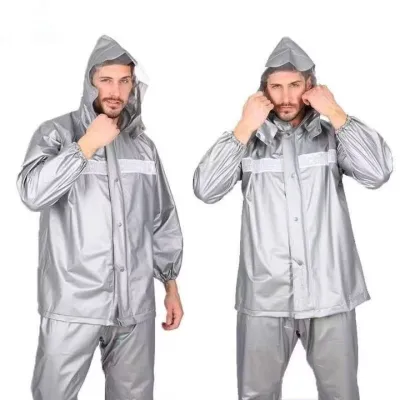
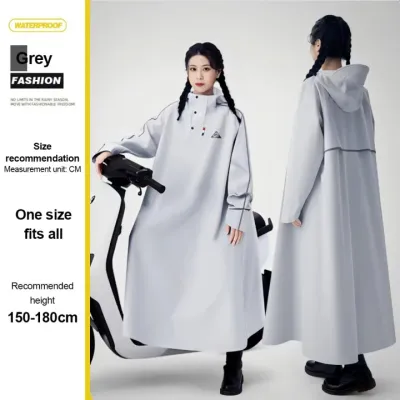
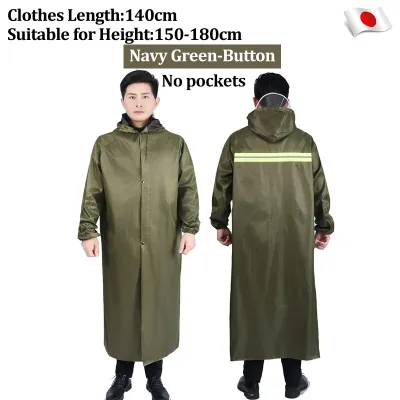
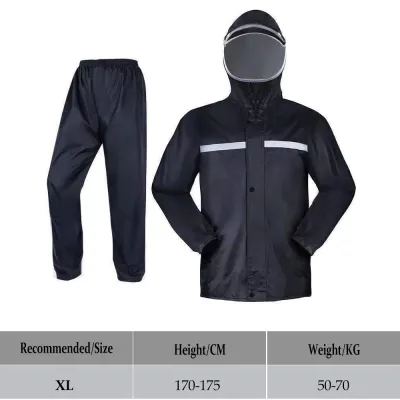
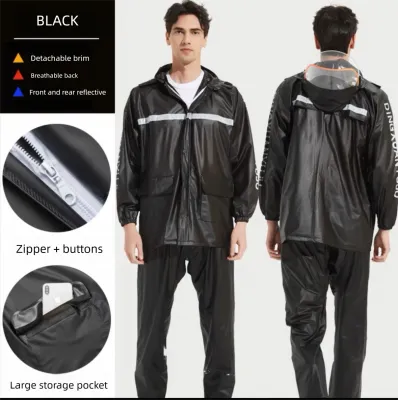
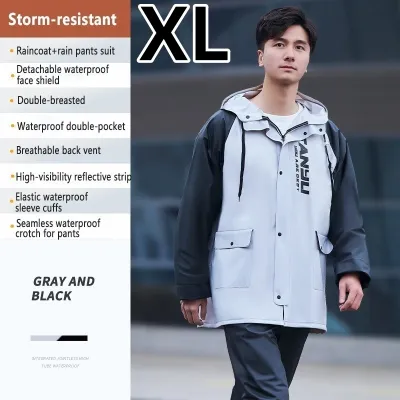
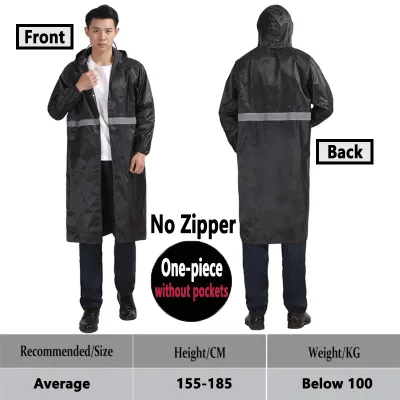
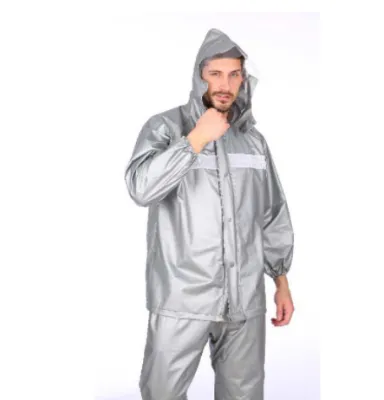
Prices are valid at publication and may change. Please refer to the product page for the latest price.
Safety on the road also depends heavily on visibility. Original riding raincoats often feature high-visibility colors and specialized retroreflective elements that bounce light back to other motorists. Counterfeit manufacturers frequently substitute these with cheap, non-reflective silver paint or low-grade dyes that fade quickly in the sun. This compromise significantly reduces your visibility during night rides or heavy rainstorms, increasing the risk of road accidents.
Physical Checks: Texture, Smell, and Build Quality
A hands-on inspection is one of the most reliable ways to evaluate the authenticity of a rubberized raincoat. Start by feeling the rubberized coating itself. Genuine rubberized fabric, often made with high-quality polyurethane or treated rubber compounds, should feel consistently thick, supple, and highly flexible. When you fold or compress the material, it should bend smoothly without leaving sharp creases or white stress marks. Counterfeit raincoats, by contrast, often feel stiff, plasticky, or excessively heavy, and the coating may feel tacky or sticky to the touch even when dry.

The scent of the garment is another immediate indicator of material quality. Authentic rubberized gear typically has a mild, neutral smell or a faint, characteristic scent of processed rubber that dissipates quickly. Counterfeit products, however, often emit a strong, pungent chemical odor. This harsh smell is usually the result of cheap, volatile organic compounds and low-grade plasticizers used in unauthorized factories to soften rigid plastics. If the raincoat smells strongly of industrial chemicals or gasoline right out of the packaging, it is highly likely a fake.
Next, turn the raincoat inside out to inspect the internal construction, particularly the seams. Water resistance relies entirely on how the fabric panels are joined. Original raincoats feature precise, even stitching paired with robust, heat-sealed seam tape over every joint to prevent water from leaking through the needle holes. Examine these taped seams closely; they should be perfectly flat, transparent or color-matched, and completely fused to the fabric without bubbles, lifting edges, or loose threads. Fake raincoats often have crooked stitching, untaped seams, or poorly applied tape that easily peels away when gently pulled.
Inspecting Labels, Tags, and Packaging Details
Authentic manufacturers maintain strict quality control standards across all aspects of their products, including the branding and packaging. When examining a raincoat, look closely at the printed logos, embroidered patches, and attached tags. On an original product, the branding elements will display crisp, clean lines, consistent fonts, and accurate color matching. Counterfeiters often make subtle mistakes, such as slightly distorted logos, uneven spacing between letters, or even spelling errors in the brand name or care instructions.
Many premium riding gear brands implement security features to protect their intellectual property. Check the packaging and tags for official holographic stickers, unique serial numbers, or scratch-off verification codes. If these features are present, they should look professionally produced, with clear holographic shifts when tilted under light. Some brands allow you to enter these serial numbers on their official website to verify authenticity. A lack of these security markers, or a holographic sticker that looks dull and poorly printed, is a strong indication of a counterfeit.
Additionally, read the care instruction labels sewn into the interior of the raincoat. Genuine manufacturers provide detailed care instructions that accurately match the specific material composition of the garment. These labels are typically made of high-quality fabric with clear, legible printing that does not fade or bleed. Counterfeit raincoats often feature generic, poorly translated care labels made of cheap, paper-like materials with blurry text that may not even match the actual fabric of the coat.
Common Red Flags in Counterfeit Raincoats
Recognizing common red flags can save you from purchasing a substandard product. One of the most obvious indicators of a counterfeit raincoat is a suspiciously low price. If a premium rubberized raincoat typically retails for around ₱1,500 to ₱3,000, a listing offering the exact same model for ₱300 or ₱400 is almost certainly a fake. While discounts and promotions do occur, authentic high-quality riding gear requires specialized materials and manufacturing processes that make extreme price drops economically unfeasible for legitimate sellers.
The packaging itself can also reveal a counterfeit. Original raincoats are usually packaged in durable, branded bags or boxes that include proper documentation, such as user manuals, warranty cards, and product catalogs. Counterfeit items, on the other hand, often arrive in flimsy, unbranded plastic bags or generic packaging that lacks any official brand markings. The absence of a warranty card or any manufacturer contact information is a clear sign that the product did not come from an authorized factory.
Finally, pay attention to how the material behaves right out of the box. If the rubberized coating feels overly stiff, exhibits signs of peeling, or sticks to itself when unfolded, the product is likely a counterfeit made from low-grade PVC. Genuine rubberized coatings are formulated to remain flexible and non-sticky across a wide range of temperatures, ensuring they do not degrade or fuse together during storage or transport.
Choosing Reliable Purchase Channels
To minimize the risk of buying a counterfeit rubberized raincoat, you should carefully select where you shop. The safest option is to purchase directly from official brand stores, authorized physical dealerships, or recognized motorcycle specialty shops. These retailers source their inventory directly from the manufacturers, ensuring that every product on their shelves is genuine and backed by an official warranty. Visiting a physical store also allows you to handle the raincoat and perform physical checks before spending your money.
If you prefer to shop online, evaluate third-party sellers on e-commerce platforms with extreme caution. Look for sellers that carry official verification badges, which indicate that the platform has verified their business registration. Always check the store’s overall rating, how long they have been operating, and the detailed buyer reviews. Look specifically for reviews that include photos and videos of the actual product, and read the comments to see if other riders have raised concerns about authenticity or water leakage.
Be highly skeptical of unverified sellers on social media marketplaces or classified ad sites. These platforms often host sellers offering steep discounts on premium riding gear under the guise of “factory overruns,” “export quality,” or “direct from warehouse” stock. In almost all cases, these terms are used to disguise counterfeit goods that do not meet the safety and quality standards of the original brands.
Steps to Take If You Suspect a Fake
If you have already purchased a rubberized raincoat and suspect it is a counterfeit, taking prompt action can help you secure a refund and protect other riders. Start by documenting all the discrepancies you find. Take clear, high-resolution photos and videos of the issues, such as crooked stitching, peeling coatings, misspelled labels, or poor packaging. If possible, place the suspected fake next to a known genuine product or official product photos to highlight the differences clearly.
Next, initiate a return or dispute through the e-commerce platform’s buyer protection system immediately. Most reputable online marketplaces have strict policies against the sale of counterfeit goods and offer refund guarantees if you can prove the item is not authentic. Submit your documented evidence along with a detailed explanation of why the product is a fake. Avoid using the raincoat or damaging it further while the dispute is ongoing, as you may be required to ship it back to the seller or the platform for inspection.
Finally, report the seller and the specific listing to the platform’s customer support or intellectual property protection team. Reporting counterfeit listings helps clean up online marketplaces, making it harder for dishonest sellers to exploit other motorcycle riders who rely on high-quality gear for their safety and comfort on the road.
Frequently Asked Questions (FAQ)
Can a heavy rubberized raincoat still be a fake?
Yes, weight alone is not a reliable indicator of authenticity. Counterfeiters often use thick, low-quality polyvinyl chloride (PVC) to mimic the substantial feel and weight of genuine rubberized gear. While the fake raincoat may feel heavy and durable, this low-grade PVC lacks the flexibility, breathability, and UV resistance of authentic rubberized materials. Over time, these heavy counterfeits tend to become brittle, crack under the sun, and leak at the seams, whereas genuine gear remains supple and waterproof.
Do all original raincoats have a scannable QR code?
No, not all original raincoats feature scannable QR codes or digital verification tags. The inclusion of digital anti-counterfeiting systems depends entirely on the specific brand, product line, and manufacturing year. While some premium brands use QR codes, holographic stickers, or serial numbers, others rely on traditional physical markers like custom zipper pulls, embossed logos, and specialized seam construction. To verify if a specific model should have a QR code, check the brand’s official website or contact their customer support.
Community discussion
Share your experience or ask a question. Comments are reviewed before publication.