
To verify if a Daytona clutch lining for your Honda PCX 160 is genuine, you must perform a multi-layered inspection of the packaging quality, physical markings on the metal shoes, and the texture of the friction material, while cross-referencing the seller’s credentials. Because high-quality counterfeits can mimic individual visual details, relying on a single security feature is never enough. Always consult your Honda PCX 160 owner’s manual and the official Daytona product documentation to verify the exact part number, dimensions, and compatibility before purchasing. Because transmission work directly impacts vehicle control and road safety, always have a qualified mechanic perform the installation of your new clutch lining.
Understanding the Risks of Counterfeit Transmission Parts
The clutch lining plays a critical role in transferring power from your PCX 160’s engine to the rear wheel. When you twist the throttle, centrifugal force pushes the clutch shoes outward, engaging the clutch bell to propel the scooter forward. This interaction must be precise and consistent to maintain smooth operation.
Installing an unverified or counterfeit clutch lining can severely disrupt this power transfer. Substandard friction materials often fail to grip the clutch bell consistently, leading to noticeable clutch slipping, sluggish acceleration, and a shuddering sensation during low-speed stop-and-go riding. This dragging sensation is particularly common in tropical, humid climates where CVT components are already subjected to high ambient temperatures.
Products mentioned in this guide
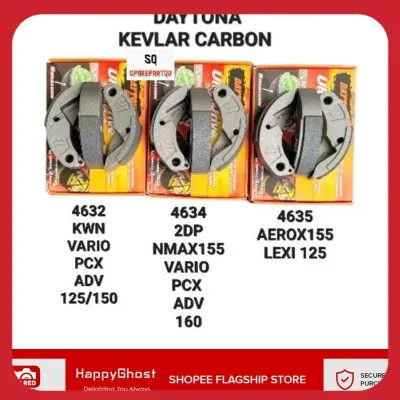
Prices are valid at publication and may change. Please refer to the product page for the latest price.
Over time, poor-quality lining materials can cause premature wear. They may disintegrate rapidly under the high heat generated within the continuously variable transmission (CVT) casing, or conversely, they may be excessively hard, leading to severe scoring and grooving on the inner surface of your clutch bell. This damage can necessitate a complete replacement of the entire rear pulley assembly.
Beyond performance degradation, there are significant safety implications to consider. A sudden failure of the clutch lining—such as the friction material completely delaminating from the metal shoe—can cause an immediate loss of power while riding. Experiencing a sudden loss of acceleration in heavy traffic or while overtaking on busy roads poses a severe safety risk to you and other motorists.
Key Visual and Physical Indicators to Inspect
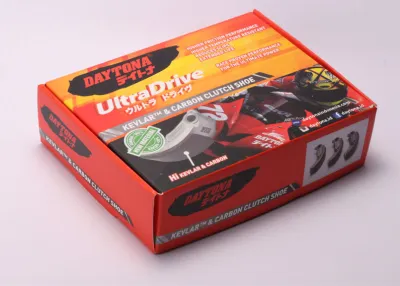
Before installing any aftermarket transmission component, a thorough physical inspection is your first line of defense. Start by examining the packaging box closely. Genuine manufacturers maintain strict quality control, resulting in sharp, high-contrast printing, clear logos, and robust factory seals. Counterfeit packaging often exhibits blurry text, faded colors, misaligned graphics, or spelling and grammatical errors on the product description labels.

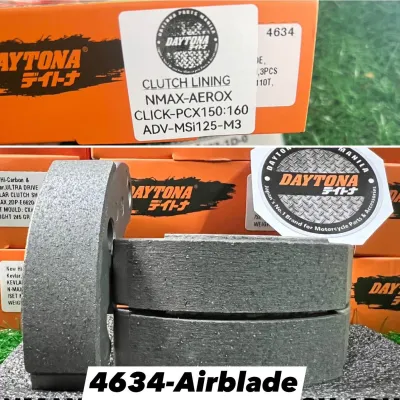
Next, inspect the branding and markings directly stamped or printed on the metal clutch shoes. Authentic Daytona linings typically feature clean, uniform laser-etched or stamped logos and precise part numbers that match the official catalog for the PCX 160. On counterfeit parts, these markings may appear crooked, use inconsistent font weights, or be easily scratched off with a fingernail.
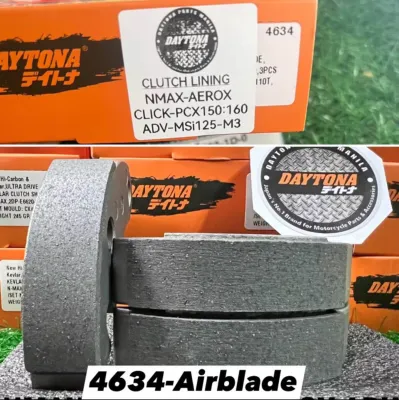
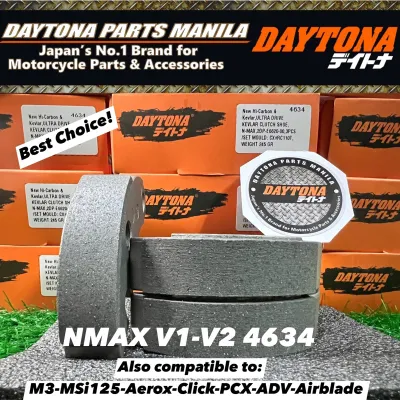
The physical composition of the friction material and the overall weight of the assembly are also telling indicators. Genuine linings use a specialized, high-density composite material with visible, evenly distributed metallic or organic fibers designed to withstand high temperatures. Inspect the bonding seam where the friction material meets the metal shoe; it should be perfectly flush and free of excess adhesive, gaps, or uneven margins.
Additionally, compare the weight of the shoes if you have access to a known genuine benchmark. Counterfeiters often use cheaper, lighter alloy metals for the shoes, which can make the entire assembly feel noticeably lighter or less substantial in your hand. Any deviation in weight or dimensions from the original-vehicle specifications is a clear warning sign.
However, you must acknowledge the limitations of visual inspections. Modern counterfeiters have become highly sophisticated, often replicating surface details, holographic stickers, and packaging layouts with high accuracy. Because physical checks are only one layer of verification, they must always be combined with an assessment of where and from whom you are buying the part.
Assessing Seller Credibility and Pricing Red Flags
Where you buy your motorcycle parts is often just as important as what the parts look like. To minimize the risk of purchasing a counterfeit component, prioritize authorized distributors, official brand flagship stores, or highly reputable local motorcycle shops over unverified sellers on open online marketplaces.
Pricing is one of the most reliable red flags when shopping for aftermarket parts in the Philippines. While it is natural to look for a good deal, prices that are significantly below the standard market rate should immediately trigger suspicion. If a listing on an ecommerce platform offers a Daytona clutch lining at a fraction of the typical ₱ retail price, it is highly likely to be a counterfeit product.
Before committing to a purchase, take the time to scrutinize the seller’s profile and history. Look for established shops with high positive feedback ratings, detailed customer reviews that include actual photos of the received items, and clear, reasonable return policies. Be wary of reviews that seem overly generic or use identical photos across different accounts.
Do not hesitate to engage with the seller directly before buying. Ask them to provide proof of official dealership authorization or a formal commercial receipt. Reputable sellers who source their inventory directly from official importers will generally be transparent and willing to verify their supply chain, whereas sellers of counterfeit goods will often provide vague or evasive answers.
Steps to Take If You Suspect a Counterfeit Product
If you have already purchased a clutch lining and suspect it is counterfeit upon closer inspection, do not install it on your scooter. Running a questionable transmission part can lead to expensive damage to your clutch bell and CVT assembly. Keep all original packaging, inserts, labels, and purchase receipts completely intact, as you will need them to support your claim.
Contact the seller immediately to initiate a return or refund based on authenticity concerns. Clearly document your findings by taking high-resolution photos or videos comparing the suspected counterfeit traits—such as poor printing, misaligned markings, or rough material bonding—against known genuine standards. State your case clearly and refer to the platform’s buyer protection policies if applicable.
If the seller disputes your claim or refuses to cooperate, seek a professional opinion. Bring the part to a qualified motorcycle mechanic or an authorized service center specializing in automatic scooters. A professional technician can inspect the physical dimensions, weight, and material quality of the lining to help confirm your suspicions, providing you with additional leverage for a dispute or chargeback through your payment provider or ecommerce platform.
Frequently Asked Questions (FAQ)
Can I rely solely on a hologram sticker to verify authenticity?
No, you cannot rely solely on a hologram sticker. While manufacturers use holographic labels as a security feature, counterfeiters have become highly adept at replicating these stickers, matching their reflective patterns and colors. Always cross-reference the sticker with other physical traits, packaging quality, and the credibility of the seller to ensure the part is genuine.
Will a fake clutch lining immediately destroy my PCX 160 engine?
A counterfeit clutch lining is unlikely to immediately destroy your PCX 160’s engine block, but it can cause severe, rapid damage to your drivetrain components. The primary risks involve excessive clutch slipping, severe wear or warping of the clutch bell, and CVT belt damage due to overheating. If the friction material disintegrates, the resulting debris can clog the CVT casing and lead to sudden transmission failure while riding.
Community discussion
Share your experience or ask a question. Comments are reviewed before publication.