
To spot fake F2R engine treatment oil in the Philippines, you must perform a multi-step inspection focusing on packaging quality, physical fluid properties, and official digital verification methods. Counterfeiters have become increasingly sophisticated, making simple visual checks insufficient on their own. By systematically examining the safety seals, verifying batch codes directly with official manufacturer channels, and purchasing only from authorized local dealers, you can protect your motorcycle or scooter engine from catastrophic internal damage.
In the tropical climate of the Philippines, engines run hot. High ambient temperatures and heavy traffic congestion put immense thermal stress on motorcycle and scooter engines. Riders often turn to engine treatments to help reduce friction, manage heat, and extend the life of their lubricants. However, the popularity of high-demand additives like F2R has made them a prime target for counterfeiters looking to profit off unsuspecting vehicle owners. Using a counterfeit engine treatment can turn a routine maintenance task into an expensive mechanical disaster. Because these fake products bypass quality control and use cheap, unverified base fluids, they do not offer the protection of the genuine formula.
Why Counterfeit Engine Treatments Pose a Risk
Unverified chemical compositions found in counterfeit engine treatments fail to provide the friction reduction or wear protection promised by genuine manufacturers. Genuine additives are carefully formulated with specific active ingredients designed to bond with metal surfaces under high heat and pressure. Fake products, on the other hand, are often nothing more than cheap, low-grade mineral oil or recycled industrial lubricants packaged in replica bottles.
Products mentioned in this guide
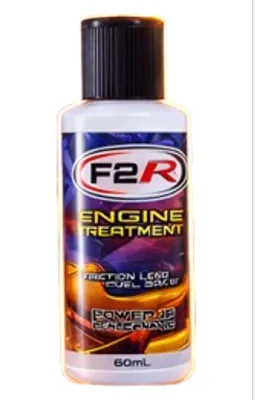
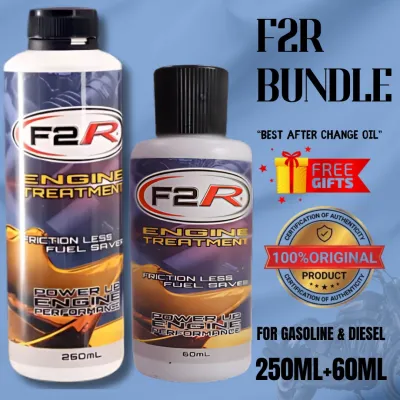
Prices are valid at publication and may change. Please refer to the product page for the latest price.
These substandard ingredients can cause severe internal issues, including rapid sludge buildup, seal degradation, or overheating in motorcycle and scooter engines. When low-quality oils break down under the intense heat of a tropical commute, they leave behind thick, carbonaceous deposits that clog oil passages. This restricts the flow of vital lubrication to critical components like the camshaft, piston rings, and cylinder walls, leading to accelerated wear and eventual engine seizure.
Furthermore, aggressive or incorrect chemical compounds in fake treatments can attack the rubber seals and gaskets inside your engine. Over time, this causes the seals to swell, soften, or crack, resulting in stubborn oil leaks. If you notice engine knocking, unusual exhaust smoke, or sudden temperature spikes after applying an additive, you must stop using the vehicle immediately and drain the engine to prevent permanent mechanical failure.
Key Visual and Physical Checks for Authentic F2R Oil
Identifying a counterfeit product starts with a close physical inspection of the packaging. Rushed manufacturing processes in illegal bottling facilities often leave behind telltale signs of poor quality control. Inspect the bottle thoroughly for manufacturing defects such as misaligned labels, blurry or low-resolution text, and poorly sealed caps. Genuine manufacturers use high-precision labeling machinery that ensures stickers are perfectly centered, flat, and free of air bubbles.

Next, pay close attention to the safety seals and tamper-evident rings on the bottle cap. A genuine bottle of F2R engine treatment features a secure, tightly fitted plastic ring that breaks cleanly when the cap is twisted open for the first time. If the ring is already loose, cracked, or shows signs of adhesive residue, the bottle may have been refilled with cheap oil. Additionally, look for a clean, heat-sealed foil membrane under the cap; a messy or hand-glued foil seal is a major warning sign.
The physical properties of the fluid itself can also reveal its authenticity. Pour a small amount into a clean, clear container to inspect its color, viscosity, and odor against the manufacturer’s published specifications. Counterfeit oils often exhibit inconsistent thickness, appearing either too watery or excessively thick, and they frequently emit a harsh, chemical, or burnt smell instead of the mild, characteristic scent of genuine additives.
While these physical and visual checks are highly useful for weeding out poorly made replicas, they are not completely conclusive. Sophisticated counterfeiters can replicate packaging with surprising accuracy, meaning visual inspections must always be combined with official digital verification methods to guarantee authenticity.
How to Verify F2R Engine Treatment Using Official Methods
To ensure absolute certainty before pouring any additive into your engine, you should utilize the official verification systems established by the manufacturer. Start by consulting the official F2R website or their verified, authorized social media pages. Manufacturers frequently update their packaging designs, security labels, and anti-counterfeiting features to stay ahead of counterfeiters, and these official channels are the best place to find the most current guidelines.
Many modern batches of genuine engine treatments feature advanced security measures, such as unique QR codes, scratch-off security labels, or SMS verification systems printed directly on the packaging. If your bottle includes a scratch-off panel, carefully reveal the hidden security code and scan the QR code using your smartphone. This should direct you to a secure, official verification portal that confirms whether the unique code is valid and has been scanned before.
Be cautious of QR codes that direct you to suspicious, unofficial URLs or generic websites that do not match the manufacturer’s official domain. If the digital verification tool returns an error, indicates that the code has already been scanned multiple times, or if your bottle lacks these digital features entirely, do not use the product. Instead, contact the manufacturer’s local customer support in the Philippines directly, providing them with the printed batch number and photos of the packaging for manual verification.
Choosing Reliable Purchasing Channels in the Philippines
The most effective way to avoid counterfeit engine treatments is to control where you buy them. Purchase directly from authorized physical dealers, official brand stores, or verified flagship stores on major e-commerce platforms. Authorized distributors are bound by strict supply chain agreements that guarantee every bottle comes directly from the manufacturer’s production line, eliminating the risk of tampering.
Be highly skeptical of unusually low prices. If a seller offers F2R engine treatment at a price significantly lower than the standard retail price, it is likely a fake. Saving ₱100 or ₱200 upfront is never worth risking a catastrophic engine failure that could cost ₱10,000 or more to repair. Avoid unauthorized third-party sellers on online marketplaces who cannot provide clear proof of product origin.
Before completing any transaction, ask for an official receipt and check the seller’s return policy regarding suspected counterfeit goods. Reputable shops and authorized dealers will have no issue providing a formal receipt and standing behind their inventory. If a seller is evasive, refuses to provide a receipt, or has a strict “no returns” policy for unopened items, find a more trustworthy source.
What to Do If You Suspect a Counterfeit Product
If you suspect that you have purchased or applied a counterfeit engine treatment, immediate action is required. If the product has already been added to your crankcase, do not start the engine. If you have already driven the vehicle, stop immediately, drain the engine oil, and flush the lubrication system with fresh, high-quality engine oil to remove any residual contaminants before refilling it to the correct level.
Next, document the situation to help prevent others from falling victim to the same scam. Take clear photos of the suspicious bottle, focusing on the labels, batch codes, seals, and fluid. Keep your purchase receipts, transaction screenshots, and the seller’s contact details. Report the incident directly to the brand’s local representatives in the Philippines and file a formal complaint with relevant consumer protection agencies, such as the Department of Trade and Industry (DTI).
Finally, if the counterfeit oil was run in your engine for an extended period, bring your motorcycle or scooter to a qualified professional mechanic for a thorough inspection. A professional can check for early signs of internal wear, inspect the oil strainer for debris or sludge, and ensure that your engine’s oil pump and critical passages are completely clear and functioning properly.
Frequently Asked Questions (FAQ)
Can I mix genuine F2R engine treatment with other oil brands?
You must always check the F2R product label and your motorcycle’s owner manual for specific mixing instructions and compatibility guidelines before application. While many high-quality engine treatments are designed to be compatible with standard mineral, semi-synthetic, and fully synthetic engine oils, mixing incompatible additives can neutralize their benefits or cause adverse chemical reactions. Always follow the recommended mixing ratios precisely to ensure optimal engine performance and safety.
Does the expiration date affect the authenticity of the oil?
An expired date printed on the bottle does not automatically mean the product is a counterfeit, but using expired additives is not recommended. Over time, the active chemical compounds in engine treatments can degrade, resulting in reduced effectiveness and diminished protection for your engine. Always check the printed date format against the manufacturer’s standard to ensure it has not been altered, smeared, or reprinted by counterfeiters attempting to sell old or rejected stock.
Community discussion
Share your experience or ask a question. Comments are reviewed before publication.