
Riding a motorcycle through the busy streets of Manila or navigating provincial highways in the Philippines demands reliable safety gear. When searching for a reputable sec helmets official store, verifying both the business’s legitimacy and the helmet’s actual safety certifications is critical to protecting your life. A genuine helmet must meet rigorous impact-absorption standards, yet the market is often flooded with counterfeit or substandard alternatives that compromise rider safety.
To ensure you are purchasing an authentic, road-legal helmet, you must verify the presence of a genuine Import Commodity Clearance (ICC) or Philippine Standard (PS) mark, inspect the physical construction of the helmet, and buy exclusively from verified online mall sellers or authorized physical dealers. This guide outlines the exact verification steps, legal standards, and platform-specific checks required to secure a certified, authentic helmet.
Understanding Helmet Certifications: SEC Registration vs. ICC and PS Marks
It is common for buyers to confuse business registration with product safety certification. In the Philippines, the Securities and Exchange Commission (SEC) is the government agency responsible for registering corporations, partnerships, and associations. When a seller claims to be “SEC-registered,” this simply means they are a legally recognized business entity authorized to operate in the country. It does not mean their products have undergone safety testing, nor does it guarantee that their helmets are legally compliant for road use.
Products mentioned in this guide
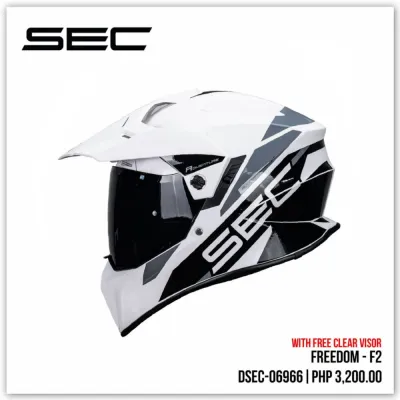
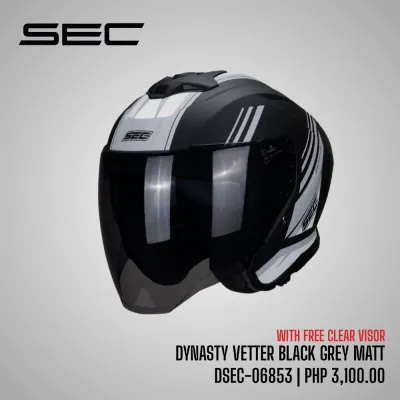
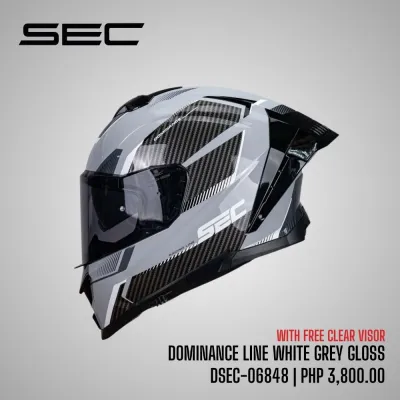
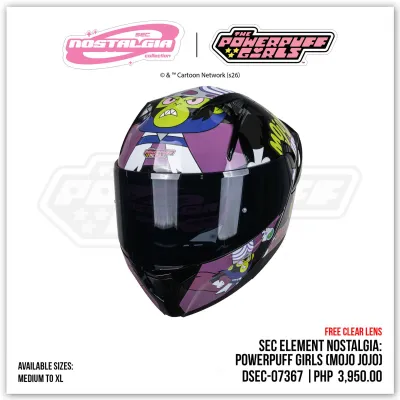
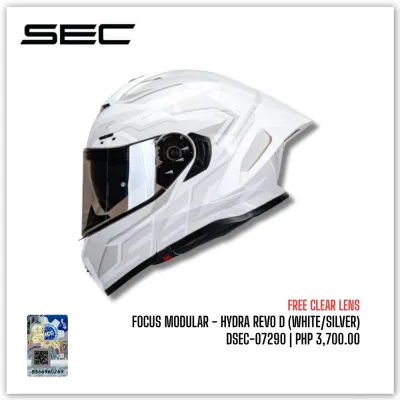
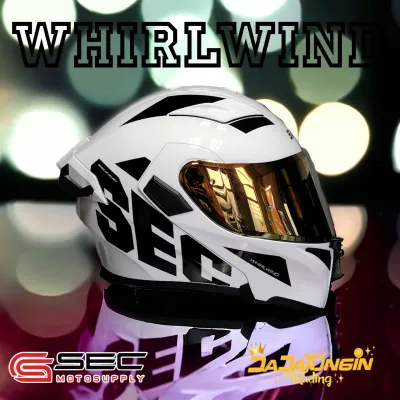
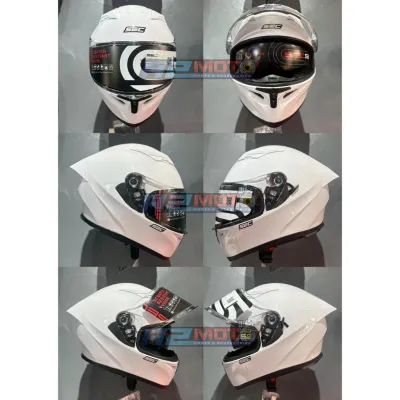
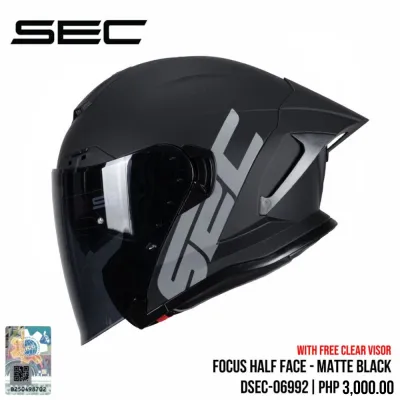
Prices are valid at publication and may change. Please refer to the product page for the latest price.
Road safety and product compliance for motorcycle helmets are governed by a completely different agency. The Bureau of Philippine Standards (BPS), an agency under the Department of Trade and Industry (DTI), is tasked with testing and certifying protective gear. Under Republic Act No. 10054, also known as the Motorcycle Helmet Act of 2009, all motorcycle riders must wear standard protective motorcycle helmets that bear the necessary safety marks.
For imported helmets, the BPS issues an Import Commodity Clearance (ICC) sticker. This holographic sticker is applied only after the imported batch passes strict quality and impact tests. For locally manufactured helmets, the manufacturer must obtain a Philippine Standard (PS) license, which permits them to print the PS mark directly on the product.
A legitimate sec helmets official store will always present a clear alignment of both credentials. The business itself will hold valid SEC registration or a DTI business name registration, and every single helmet they sell will feature a genuine, verifiable ICC or PS mark. Relying solely on a seller’s business registration without checking the physical product’s safety certification leaves you highly vulnerable to purchasing non-compliant, unsafe gear.
Step-by-Step Physical Inspection for Helmet Authenticity
Once you receive your helmet or when inspecting one in a physical shop, conducting a methodical physical inspection is the most reliable way to confirm its authenticity. Before using any protective gear, always consult the manufacturer’s instruction manual for specific care, adjustment, and safety guidelines. If instructions conflict, the item is unidentified, or the use is not covered, stop and consult the manufacturer or a qualified professional.

Start your inspection by examining the safety marks. A genuine ICC sticker is typically affixed to the back of the helmet’s outer shell. This sticker is holographic, meaning it reflects light in a rainbow pattern when tilted, and features a unique serial number along with the DTI-BPS logo. Fake stickers are often flat color prints on cheap paper that peel off easily, whereas authentic stickers are designed to tear or self-destruct if someone attempts to transfer them.
Next, inspect the interior labels and tags. Genuine helmets have permanent labels sewn into the inner comfort liner or affixed to the inside of the EPS (expanded polystyrene) shell. These labels must display the manufacturer’s name, model designation, helmet size, production date, and the specific safety standards met (such as ECE 22.05, ECE 22.06, or DOT). If these labels are missing, blurry, or contain spelling errors, the helmet is highly likely to be a counterfeit.
The structural build quality provides immediate clues about a helmet’s legitimacy. Authentic helmets feature a thick, high-density EPS foam liner designed to absorb impact energy; you can check this by gently pressing on the foam under the comfort liner, which should feel firm and solid rather than soft or spongy like packing foam. The visor mechanism should operate smoothly with positive detents, and the chin strap must have robust, heavy-duty stitching securing the double-D ring or micrometric buckle.
Finally, evaluate the packaging and documentation. Authorized distributors ship helmets in high-quality, brand-specific cardboard boxes that feature clear product labeling, including the exact model, color, and size matching the helmet inside. Inside the box, you should find a branded cloth helmet bag, a detailed user manual, and a valid warranty card. Generic, unbranded brown boxes or packages that arrive wrapped only in bubble wrap are major indicators of a counterfeit or smuggled product.
How to Identify Authorized Sellers on E-Commerce Platforms
Finding a genuine sec helmets official store online requires careful navigation of major ecommerce platforms. Many unauthorized third-party sellers use official product photos, brand logos, and misleading titles to trick buyers into purchasing counterfeit helmets. To protect yourself, always prioritize sellers that carry official platform badges, such as “Mall” or “Official Store” designations, which require the merchant to submit legal business documents and brand authorization letters to the platform before receiving the badge.
Do not rely solely on platform badges; perform your own cross-reference checks. Visit the official website or verified social media pages of the helmet brand to find their list of authorized dealers and online storefront links. Compare the exact shop name, seller ID, and business address of the online seller with this official list to confirm they are indeed an authorized retail partner.
Customer feedback is an invaluable resource for verifying a seller’s reputation. Look through the store’s recent reviews and filter for feedback that includes user-uploaded photos and videos. Examine these customer photos closely to verify that the delivered helmets feature the correct holographic ICC stickers, proper branded packaging, and high-quality finishes. Be skeptical of stores that have a high volume of generic, repetitive, five-star reviews without photos, as these can be artificially generated.
Legitimate online sellers maintain transparent business practices. An authorized seller will readily provide their business registration details, DTI permits, or physical store address upon request through the platform’s chat feature. If a seller is evasive, refuses to answer questions about the helmet’s ICC certification, or lacks a clear, platform-compliant return and refund policy, you should avoid making a purchase from them.
Red Flags: Spotting Counterfeit or Substandard Helmets
Recognizing the warning signs of counterfeit safety gear can save you from making a dangerous investment. The most obvious red flag is highly suspicious pricing. If a seller offers a helmet at a price significantly lower than the standard retail price found on the manufacturer’s official website, the item is almost certainly a counterfeit or a rejected factory second. Genuine safety helmets require high-grade materials and rigorous testing, making extreme discounts economically impossible for legitimate retailers.
Visual defects on the helmet’s exterior are clear indicators of substandard manufacturing. Inspect the graphics, decals, and paint job closely; counterfeit helmets often exhibit blurry print quality, misaligned decals, uneven paint coats, or visible dust particles trapped under the clear coat. The brand logos may also feature slight spelling variations or incorrect font styles designed to mimic the original brand without infringing on trademarks directly.
Material flaws compromise the structural integrity of a fake helmet, making it highly dangerous in a crash. Counterfeiters often use cheap, brittle ABS plastic for the outer shell instead of high-impact polycarbonate or fiberglass composites. Additionally, the inner comfort padding in fake helmets is typically thin, poorly stitched, and made of low-grade foam that degrades quickly under the tropical heat and humidity of the Philippines, offering zero sweat-wicking or cushioning properties.
The absolute absence of valid safety compliance marks is a definitive red flag. If a helmet lacks an ICC or PS sticker entirely, or if the sticker’s serial number looks identical to other helmets sold by the same vendor, it is non-compliant. Riding with a helmet that has not passed standard safety testing means you are wearing nothing more than a cosmetic plastic shell, which will fail to protect your head during an accident.
Action Plan: What to Do If You Receive a Fake Helmet
If you suspect that you have received a counterfeit or non-compliant helmet from an online purchase, you must act quickly to secure a refund and report the seller. First, document the evidence immediately. Take clear, high-resolution photographs and videos of the helmet from multiple angles, focusing on the suspicious safety marks, poor stitching, thin padding, and any defects in the packaging or documentation.
Next, initiate a formal return and refund request through the ecommerce platform’s buyer protection program. It is vital that you do this before clicking the button to confirm receipt of the item or “Order Received,” as doing so often releases the funds to the seller and limits your recourse. Upload your documented photos and videos as evidence, clearly stating that the product received is counterfeit and lacks genuine safety certifications.
Once your return is underway, report the unauthorized seller directly to the platform’s customer support with your documented evidence so they can take disciplinary action and protect other consumers. If the ecommerce platform fails to resolve the issue, or if you purchased the helmet from a physical retail store that refuses to cooperate, you can escalate the matter to the Department of Trade and Industry (DTI). Filing a formal complaint through the DTI’s consumer protection division helps initiate investigations into businesses selling substandard or hazardous safety equipment.
Under no circumstances should you ride a motorcycle while wearing a suspected counterfeit helmet. Even if the helmet looks aesthetically pleasing, its materials and construction have not been tested to survive high-velocity impacts. Your physical safety on the road is paramount; park your motorcycle or use a known, certified helmet until you can acquire a fully verified replacement from an authorized source.
Frequently Asked Questions (FAQ)
Is it legal to ride without an ICC or PS mark in the Philippines?
No, it is strictly illegal to ride a motorcycle on public roads in the Philippines without a helmet that bears a valid ICC or PS safety mark. Under Republic Act No. 10054, law enforcement officers and traffic enforcers are authorized to apprehend riders wearing non-compliant helmets, which can result in substantial fines and the confiscation of the driver’s license. More importantly, these regulations exist to ensure that your helmet is capable of preventing severe head trauma during a collision.
Can I verify a helmet's safety certification online?
While the DTI and BPS have periodically introduced online databases and mobile applications to verify ICC serial numbers, these systems can sometimes be offline or incomplete. Therefore, online verification should not be your sole method of security. A comprehensive physical inspection of the holographic sticker’s quality, combined with purchasing exclusively from a verified manufacturer-authorized store, remains the most reliable way to guarantee that your helmet’s safety certification is genuine.
Do authorized stores offer better warranty support?
Yes, purchasing from an authorized store guarantees access to legitimate manufacturer warranties and reliable after-sales support. Official stores are backed by the brand’s distribution network, allowing them to replace defective components, honor warranty claims for manufacturing flaws, and provide genuine replacement parts like visors and cheek pads. In contrast, unauthorized third-party sellers offer no warranty protection, leaving you with no recourse if the helmet exhibits structural or mechanical defects after purchase.
Community discussion
Share your experience or ask a question. Comments are reviewed before publication.