
Finding genuine replacement tires can be challenging when counterfeit, retreaded, or tampered products look almost identical to authentic ones on the shelf. To tell if an MRF tire is authentic before buying it, you must carefully inspect the physical molding quality of the sidewall markings, decode the Department of Transportation (DOT) manufacturing date code for signs of tampering, verify matching serial numbers on the official packaging and documentation, and purchase exclusively from authorized dealers or verified distributors. Because tires are the sole point of contact between your vehicle and the road, installing unverified, counterfeit, or structurally compromised tires poses severe safety risks, including sudden blowouts or loss of traction. Always consult your vehicle’s owner’s manual to verify the exact tire size, load index, speed rating, and inflation specifications required for your specific model and year, and have new tires mounted and balanced by a qualified automotive professional.
What physical markings should you inspect on the MRF tire sidewall?
To verify a tire’s authenticity, you must inspect the sidewall for sharp, deeply molded branding, clear load and speed ratings, and clean manufacturing seams. Genuine MRF tires are produced using high-precision factory molds that leave no room for blurry lettering or irregular rubber flashing.
When examining the sidewall, pay close attention to the clarity, depth, and alignment of the MRF logo and branding text. On authentic tires, the letters are crisp, uniform, and integrated seamlessly into the rubber compound. Counterfeit or poorly retreaded tires often display blurry edges, inconsistent font spacing, or shallow molding where the logo was hastily stamped or vulcanized onto an existing casing.
Products mentioned in this guide
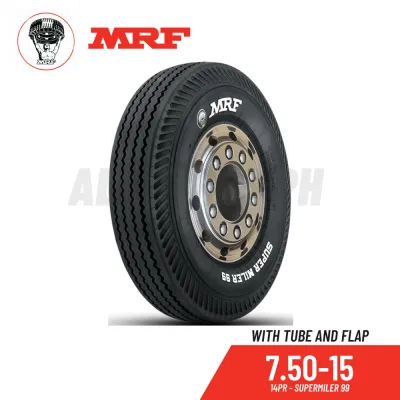
78 Lazada user ratings
product received in good condition. no damage and complete items receieved. good quality tire! perfect for heavy duty use. recommended for e…Read full reviewShow less
product received in good condition. no damage and complete items receieved. good quality tire! perfect for heavy duty use. recommended for everyday use. long lasting tire. ive been using this brand of tire for a long time, and no bad issues.
High-quality materials used, Perfect fit for my truck. Legit MRF made in India and 14 ply rating. Thanks seller will buy again.
Great value for money, Improved fuel efficiency, High-quality materials used, Smooth and comfortable ride,
Legit!thnks po seller.will order again.
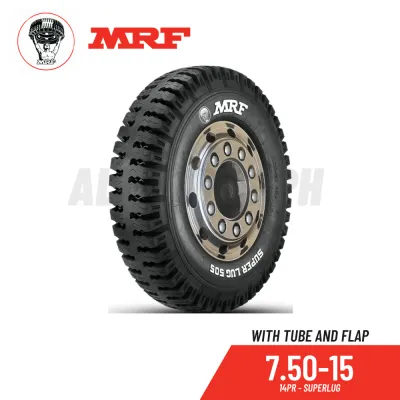
5 Lazada user ratings
Comes with free interior tube and flap, High-quality construction and materials, Perfect for off-road adventures, Long-lasting and wear-resi…Read full reviewShow less
Comes with free interior tube and flap, High-quality construction and materials, Perfect for off-road adventures, Long-lasting and wear-resistant,
Prices are valid at publication and may change. Please refer to the product page for the latest price.
Next, verify the mandatory molded markings required for road legality and safety. These include the tire size, load index, speed rating, and tread wear indicators (TWI). The TWI marks, usually represented by small triangles or the letters “TWI” on the upper sidewall, must align perfectly with the wear bars inside the tread grooves. Any misalignment or omission of these standard markings is a clear sign of a substandard imitation.
Finally, inspect the overall rubber quality and molding seams. Authentic manufacturing processes use high-grade rubber compounds that feel firm yet resilient, with clean, minimal seam lines. If you notice excessive rubber flashing, rough patches, or a distinct seam line running along the shoulder that suggests a new tread was vulcanized onto an old casing, the tire may be a retread passed off as new.
How can you verify the manufacturing date and origin codes?
You can verify the manufacturing date and origin by reading the four-digit DOT code enclosed in a molded oval window on the lower sidewall. This code reveals the exact week and year of production, allowing you to identify expired stock or signs of physical tampering.

Locate the Department of Transportation (DOT) serial number on the lower sidewall, which ends in a four-digit code. For example, a code of “3526” indicates the tire was manufactured during the 35th week of the year 2026. If this code contains letters, has fewer than four digits, or is missing entirely, the tire does not comply with modern manufacturing standards and should not be purchased.
Inspect the date code area closely for signs of physical tampering. Disreputable sellers sometimes buff away old date codes and glue or vulcanize a fake rubber patch with a newer date over the original window to sell expired stock. Run your fingers over the oval window to check for mismatched rubber textures, raised edges, glue residue, or uneven depth compared to the rest of the sidewall lettering.
Buying old stock disguised as new carries significant safety risks. Rubber naturally degrades over time due to environmental exposure and oxidation, even if the tire has never been driven on. It is highly recommended to avoid purchasing tires that have been sitting in storage for more than five to six years, as the internal compounds can harden, leading to reduced grip, cracking, and an increased risk of structural failure on the road.
What packaging and documentation should accompany a genuine MRF tire?
A genuine MRF tire should always be accompanied by high-quality tread labels, matching barcode stickers, and official warranty documentation from an authorized distributor. These materials must display clear printing and serial numbers that correspond directly to the markings on the physical tire.
Examine the original barcode labels and specification stickers affixed to the tread of the tire. These stickers should display clear, high-quality printing with the exact tire model, size, load rating, and a unique barcode or serial number. If the sticker is poorly printed, peeling off easily, or contains spelling errors, it warrants closer inspection.
Check for official warranty cards or registration materials. Authorized distributors provide official documentation, often featuring unique serial numbers and dealer stamps that confirm the tire’s origin. Ensure that the serial number printed on the warranty card matches the physical serial number molded or stamped onto the tire’s sidewall.
Verify that the batch codes match. Large shipments of genuine tires have traceable batch numbers. If you are purchasing multiple tires for your vehicle, check that the batch codes and manufacturing dates are identical or very close to one another, as mismatched batches on a supposedly single shipment could indicate mixed, salvaged, or counterfeit stock.
How do you evaluate seller credentials in physical shops and online marketplaces?
You can evaluate seller credentials by checking for official distributor certificates in physical shops and looking for verified business badges on online marketplaces. Trustworthy sellers will readily provide proof of authorization and offer clear, written return policies.
When shopping at physical retail stores, look for official signage, certificates of authorization issued by the brand’s regional distributor, and valid business permits. Do not hesitate to ask the shop manager for proof of authorization or to confirm which official distributor supplied their inventory. Legitimate businesses will gladly provide this peace of mind.
When browsing online marketplaces or e-commerce platforms, prioritize official brand storefronts or sellers with verified distributor badges. Avoid independent, unverified third-party sellers who offer no clear business address or contact information.
Analyze customer reviews, return policies, and seller responsiveness. Look for detailed reviews from previous buyers that include photos of the physical tires, paying close attention to any complaints regarding old date codes, scuffed sidewalls, or shipping damage. A trustworthy seller will offer a clear, written return policy and respond professionally to pre-purchase questions about the tire’s manufacturing date and origin.
What pricing and visual red flags indicate a potentially fake or tampered tire?
Suspiciously low prices in ₱, mismatched tread patterns, and strong, non-standard chemical odors are primary red flags that indicate a tire is counterfeit or tampered with. If a tire exhibits any of these visual or physical anomalies, it is highly likely to be unsafe or illegitimate.
Be highly suspicious of prices in ₱ that are significantly lower than the average market rate for that specific tire size and model. While promotions and discounts occur, a price that seems too good to be true often indicates a counterfeit product, a rejected batch, or an expired tire that has had its date code altered.
Inspect the tread pattern and rubber finish visually. Authentic tires have a uniform, matte finish and perfectly consistent tread depths across the entire circumference. Mismatched tread patterns, uneven wear on a tire sold as “new,” or a greasy, overly shiny coating used to mask scuffs and repairs are major red flags. Additionally, a strong, pungent chemical odor—different from the typical smell of fresh vulcanized rubber—can indicate the use of cheap, non-standard curing agents or adhesives.
If a tire fails any of these basic visual and physical checks, stop the transaction immediately and walk away. Do not compromise your safety for a cheaper price. If you have already purchased a tire and suspect its authenticity, consult a qualified automotive professional or an authorized service center to have the tire inspected before mounting it on your vehicle.

Community discussion
Share your experience or ask a question. Comments are reviewed before publication.