
Upgrading your vehicle’s headlights to LED bulbs is a practical way to improve nighttime visibility on dark roads, especially during heavy tropical downpours. However, the popularity of brands like Novsight has led to an influx of counterfeit products on local e-commerce platforms. Spotting a fake Novsight LED bulb requires a combination of pre-purchase screening—such as verifying authorized seller badges and analyzing pricing—and post-delivery inspection of the packaging, build materials, and security labels.
Buying counterfeit automotive lighting not only wastes your money but also introduces serious safety hazards to your vehicle’s electrical system. By learning how to identify authentic products, you can protect your vehicle from damage and ensure your headlights perform reliably under challenging driving conditions.
Why Counterfeit LED Bulbs Pose a Risk to Your Vehicle
Installing unverified automotive parts can have severe consequences for your vehicle’s safety and electrical integrity. Counterfeit LED bulbs often lack the internal voltage regulators and protective circuitry found in genuine products. This deficiency can lead to voltage spikes, constant flickering, or even severe damage to your vehicle’s wiring harness and alternator, resulting in expensive repairs.
Products mentioned in this guide
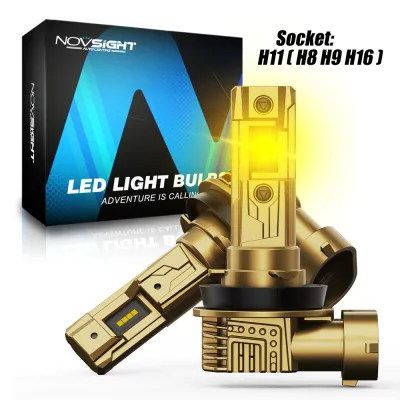
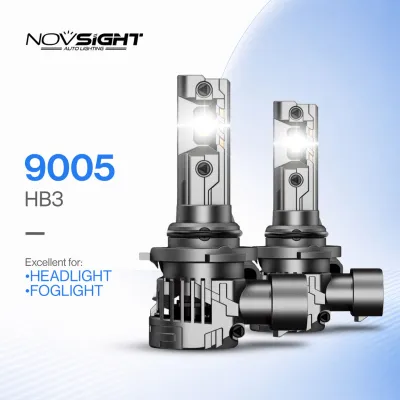
2 Lazada user ratings
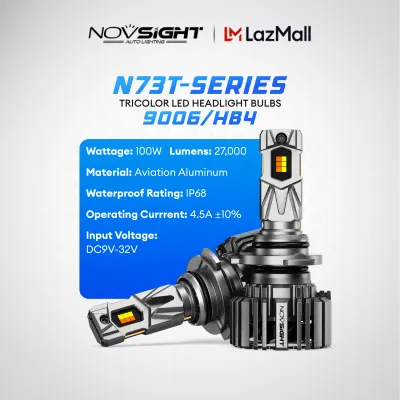
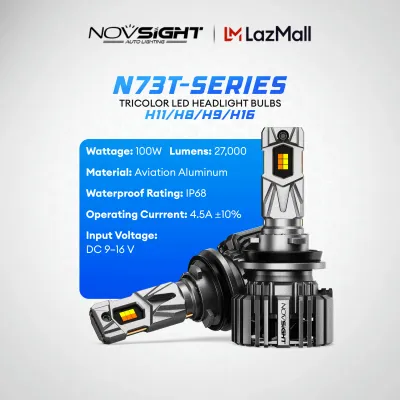
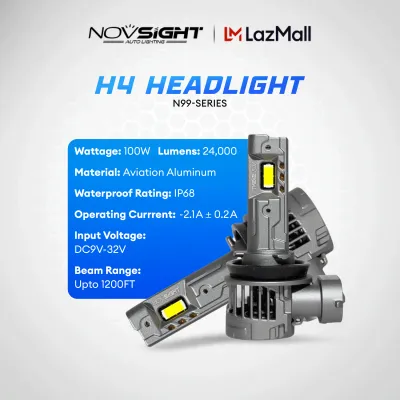
Novsight Newest 1:1 Design N99 Series H4 H7 H11 9005 9006 Car LED Headlight 100W 6500K 24000LM
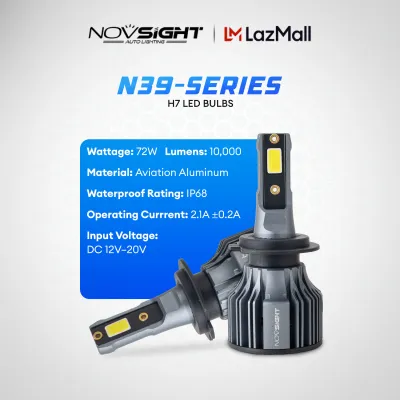
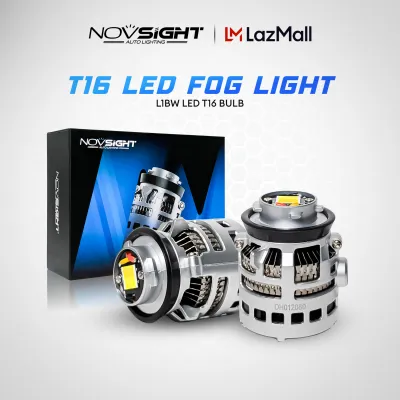
5 Lazada user ratings
Great quality product. Affordable. Looks durable. Tested snd is compatible. Very bright. Best buy. Thank you seller and courier!
good very nice 👍
Prices are valid at publication and may change. Please refer to the product page for the latest price.
Beyond electrical failure, fake bulbs rarely match the precise optical alignment of authentic designs. This misalignment produces poor beam patterns that scatter light uncontrollably. Instead of illuminating the road ahead, the scattered light can blind oncoming drivers, increasing the risk of accidents, while leaving you with inadequate visibility in dark or rainy conditions.
Heat management is another critical area where counterfeit bulbs fail. Genuine LED upgrades utilize high-grade aluminum heat sinks and calibrated cooling fans to dissipate heat. Counterfeit alternatives often use cheap plastics or substandard metals that cannot handle the operating temperatures. This lack of proper heat dissipation can cause the bulb to fail prematurely, melt your headlight housing, or even trigger an electrical fire inside the engine bay.
Because headlight modifications directly affect your vehicle’s road legality and electrical safety, always consult your vehicle’s owner manual to verify the correct bulb size and power specifications. If you are unfamiliar with automotive electrical systems, have a qualified professional install the bulbs to ensure proper alignment and secure connections.
How to Verify Seller and Listing Authenticity Before Checkout
Filtering out counterfeit products starts before you add an item to your digital shopping cart. When browsing local e-commerce platforms, look closely at the seller’s profile. Genuine manufacturers and authorized distributors typically operate verified official stores, often marked with official mall or shopping center tags on major online marketplaces. Purchasing from these certified storefronts significantly reduces the risk of receiving a fake product.

Be highly suspicious of extreme pricing anomalies. While online sales and promotions can lower prices, authentic automotive LED bulbs require quality materials and engineering that dictate a baseline manufacturing cost. If a listing offers a premium bulb model at a price that seems too good to be true, it is highly likely a counterfeit designed to lure unsuspecting buyers.
Examine the product listing images and technical specifications carefully. Authentic listings feature high-resolution, clear images showing the actual product, its packaging, and detailed technical specifications such as wattage, lumen output, and compatible vehicle models. Counterfeit listings often rely on low-quality, pixelated stock photos, or they display inconsistent specifications that do not match the official brand documentation.
Customer reviews provide valuable real-world clues about a seller’s inventory. Scroll past the generic five-star ratings and look for detailed feedback from local buyers. Pay close attention to reviews that mention the quality of the packaging, the weight of the bulbs, and whether the product arrived with official warranty cards. Reviews that complain about flickering, cheap plastic components, or poor fitment are strong indicators of counterfeit stock.
Inspecting Packaging and Build Quality Upon Delivery
Once your package arrives, perform a thorough physical inspection before attempting to install the bulbs in your vehicle. Authentic packaging is made from sturdy, high-quality cardboard with crisp, clear printing and accurate brand logos. Counterfeit packaging often features blurry text, faded colors, spelling mistakes, or generic boxes that lack official branding altogether.
Next, examine the physical build quality of the bulbs. Genuine LED bulbs are constructed from durable materials like aviation-grade aluminum, giving them a solid, substantial weight in your hand. Counterfeit bulbs often feel remarkably light because they use cheap plastics or thin, low-grade metals. Inspect the cooling fan and heat sink; authentic units have clean, precise cuts and secure wiring, whereas fakes may show rough edges, loose solder joints, or poorly fitted connectors.
Check the bulb base and body for printed manufacturing details. Authentic bulbs feature laser-etched part numbers, specifications, and certification marks that are clear and permanent. Counterfeit products often have smudged ink-printed details, incorrect model numbers, or no markings on the bulb itself.
Many reputable automotive lighting brands include security features to help consumers verify authenticity. Look for anti-counterfeit labels, scratch-off stickers, or QR codes on the packaging. Genuine products allow you to scratch off a protective layer to reveal a unique serial number, which you can then input or scan to verify on the manufacturer’s official website. If the QR code leads to a broken link, a suspicious non-official domain, or indicates the code has already been scanned multiple times, the product is likely a fake.
Steps to Take If You Receive a Suspected Counterfeit
If your inspection reveals that the bulbs are counterfeit, act quickly to protect your purchase and secure a refund. Start by documenting the unboxing process. Take clear, well-lit photos and videos of the shipping label, the outer packaging, any suspicious details on the box, and the physical differences on the bulbs themselves. This visual evidence is crucial when filing a dispute.
Do not install or use the suspected counterfeit bulbs. Instead, initiate a return or refund request directly through the e-commerce platform’s buyer protection program. Make sure to submit your request before the platform’s guarantee period expires or before you confirm receipt of the order. Upload your documented photo and video evidence to support your claim of receiving a counterfeit item.
Help protect the local automotive community by reporting the fraudulent seller and listing to the platform’s customer support. Online marketplaces rely on user reports to flag and remove shops selling counterfeit goods. Providing clear details about why the product is fake helps the platform take swift action against dishonest sellers.
If you briefly installed the suspected counterfeit bulb and experienced electrical warnings, dashboard error codes, or blown fuses, remove the bulb immediately. Reinstall your original, functioning bulbs and consult a professional mechanic or automotive electrician. They can inspect your vehicle’s wiring harness and electrical system to ensure no lasting damage was caused by the unregulated power draw of the counterfeit bulb.
Frequently Asked Questions (FAQ)
Can I use a fake LED bulb temporarily if it fits the housing?
No, you should not use a counterfeit LED bulb even as a temporary replacement. Counterfeit bulbs operate with unregulated power draws and substandard heat management, creating an immediate risk of sudden failure while driving. If a bulb fails unexpectedly on a dark road or during a heavy downpour, it compromises your safety. Additionally, the heat generated by a fake bulb can quickly melt your headlight housing or damage your vehicle’s electrical wiring, leading to costly repairs that far outweigh the cost of a genuine bulb.
Do authentic Novsight bulbs come with a warranty when bought online?
Yes, authentic bulbs purchased through official brand stores or authorized online dealers typically come with a manufacturer’s warranty. However, this warranty is generally not honored if you purchase from unauthorized third-party sellers or receive a counterfeit product. To ensure your purchase is covered, keep the original packaging, the warranty card included in the box, and your digital transaction receipt as proof of purchase from an authorized dealer.
Are cheaper alternative brands better than fake premium bulbs?
Yes, choosing a legitimate, budget-friendly brand is always a safer and more reliable option than buying a counterfeit premium bulb. Legitimate budget brands must still comply with basic manufacturing standards, quality control, and safety certifications. They design their products with functional heat dissipation and stable electrical components. In contrast, counterfeit premium bulbs are completely unregulated, untested, and built with cheap materials solely to mimic the appearance of a high-end product, offering no safety or performance guarantees.
Community discussion
Share your experience or ask a question. Comments are reviewed before publication.